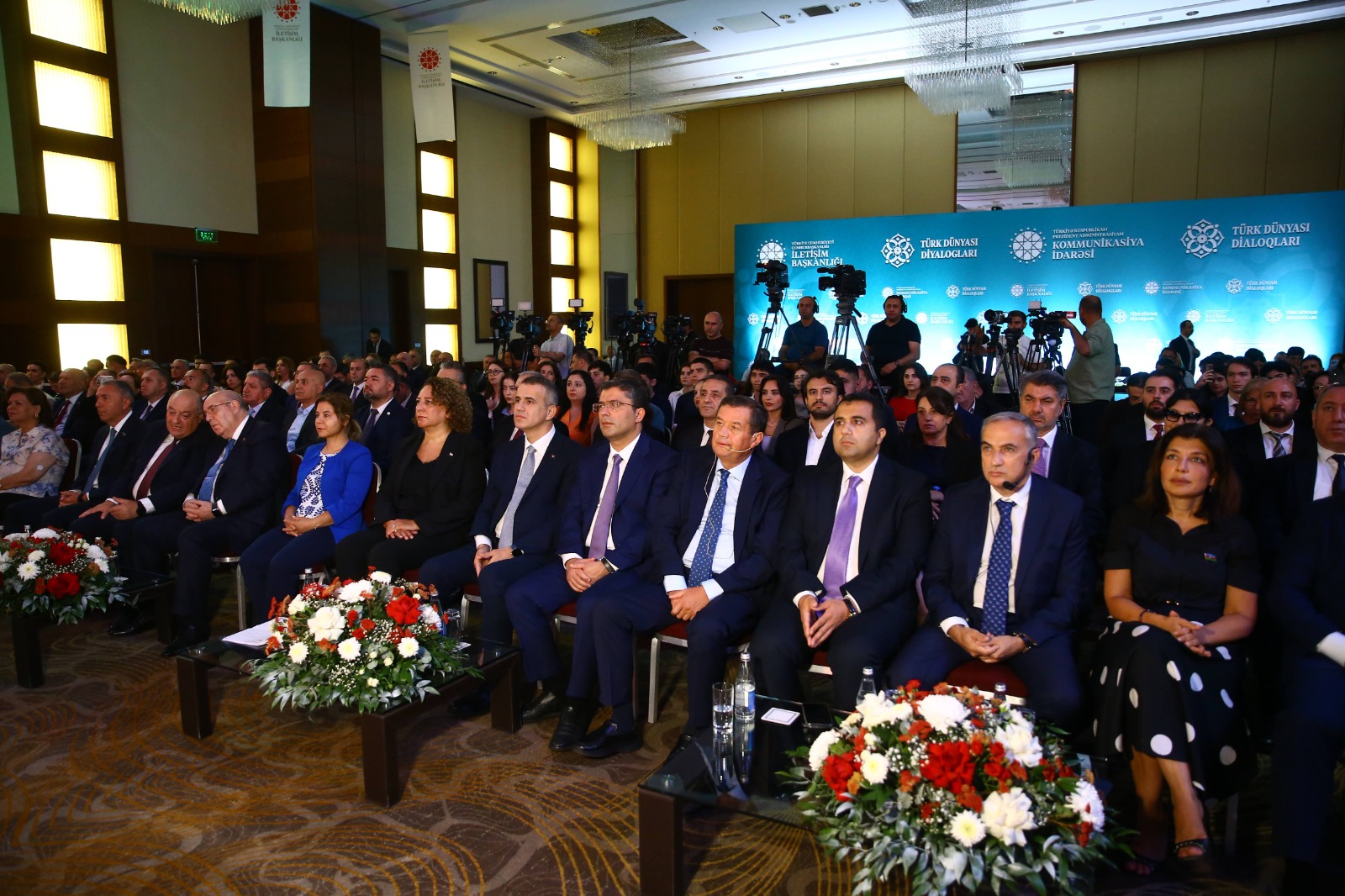
The Presidency’s Directorate of Communications organised a panel titled “Turkic World Dialogues: Shared Future, Shared Vision” in Baku, the capital of Azerbaijan.
The panel began with a video message by the Presidency's Head of Communications, Burhanettin Duran.
Ahead of the 13th Summit of Heads of State of the Organisation of Turkic States (OTS), to be hosted by Türkiye on 29–30 October 2026, panels titled “Turkic World Dialogues: Shared Future, Shared Vision” are being held in various OTS member and observer countries. After the inaugural event in Astana, the capital of Kazakhstan, the second event in the series took place in Baku, the capital of Azerbaijan, on 15 September 2026.
In his video message, the Presidency's Head of Communications, Burhanettin Duran, stated that the Turkic world enjoys deep-rooted ties drawing strength from its shared history, language, culture and civilisational heritage, and highlighted the importance of Turkic states acting with collective wisdom and in coordination in the face of global challenges. Noting that the OTS supports regional peace, connectivity, and economic development, Head of Communications Duran emphasised that partnerships in transport, energy, trade, and digital transformation demonstrate the Turkic world's potential.
Addressing the importance of cooperation in media and communications, Head of Communications Duran stated that the sharing of knowledge and experience in combating disinformation and digital manipulation should be enhanced, common platforms should be developed, and communication capacities should be strengthened. Noting that Türkiye aims to strengthen institutional cooperation within the Turkic world and enhance its global visibility during its OTS Chairmanship, Head of Communications Duran said the panels would help foster a shared understanding of unity, solidarity, and a common future.
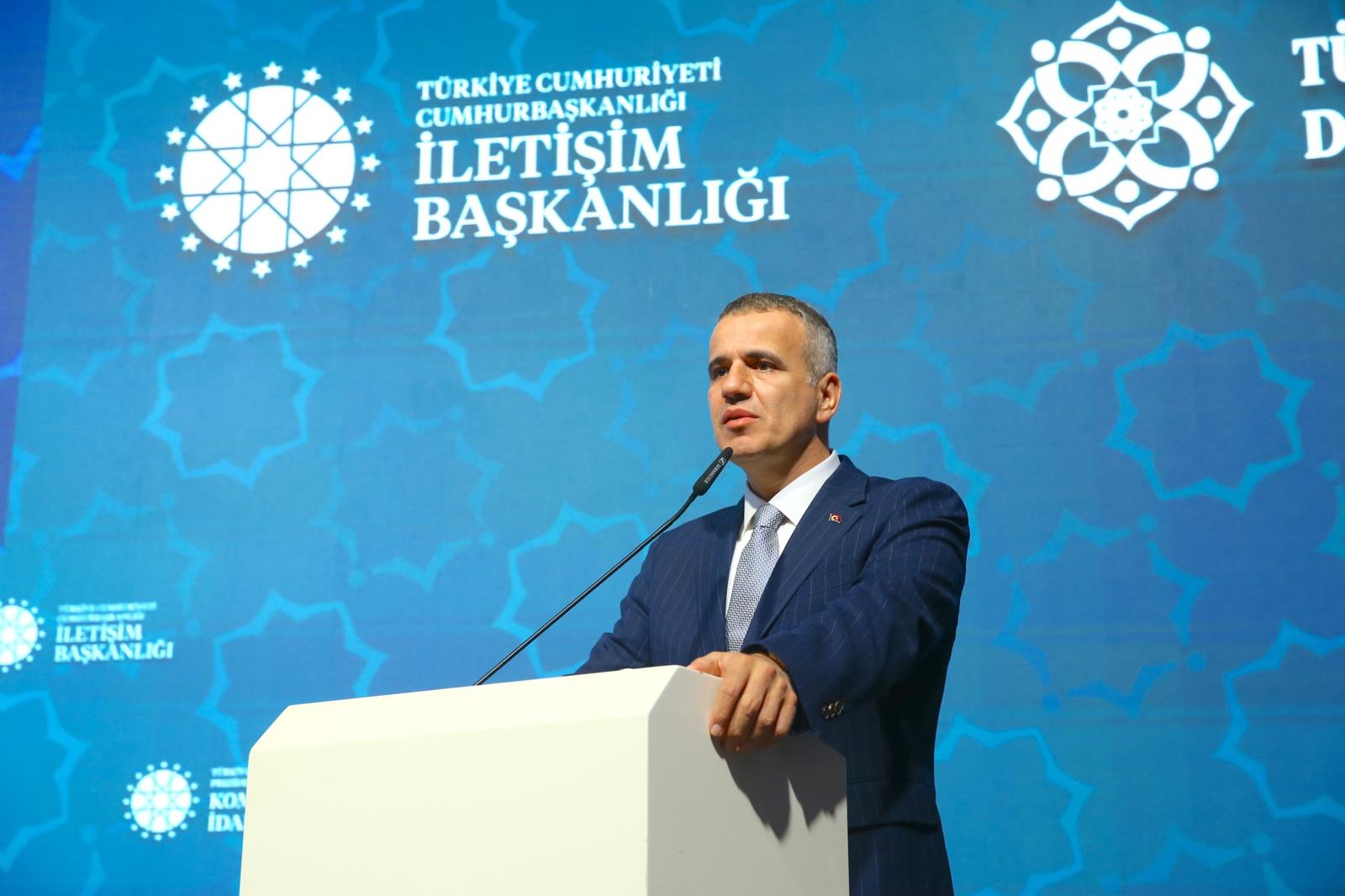
Following Head of Communications Duran’s video message, Deputy Head of Communications Prof. Ferhat Pirinççi delivered the opening remarks at the panel.
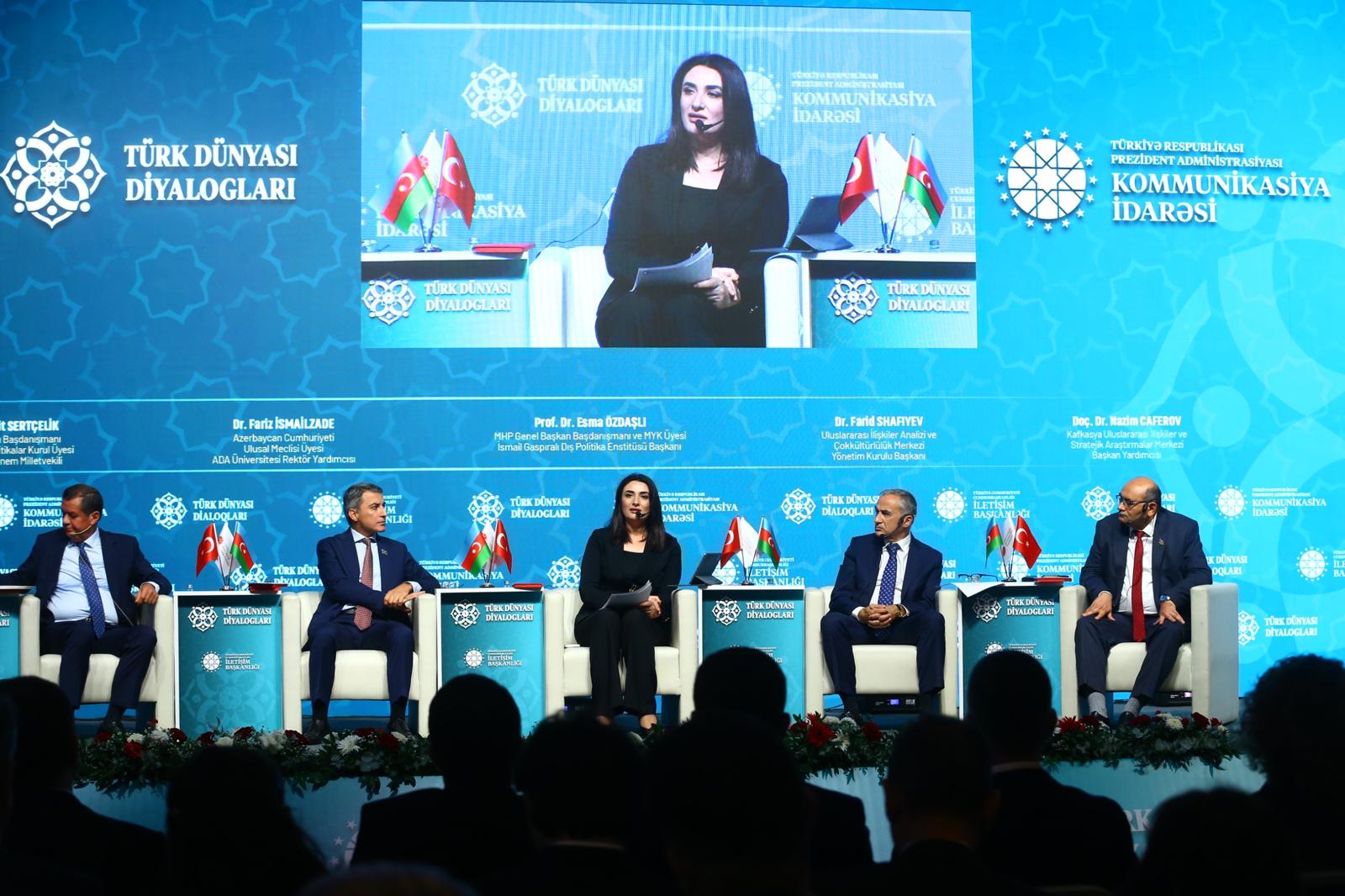
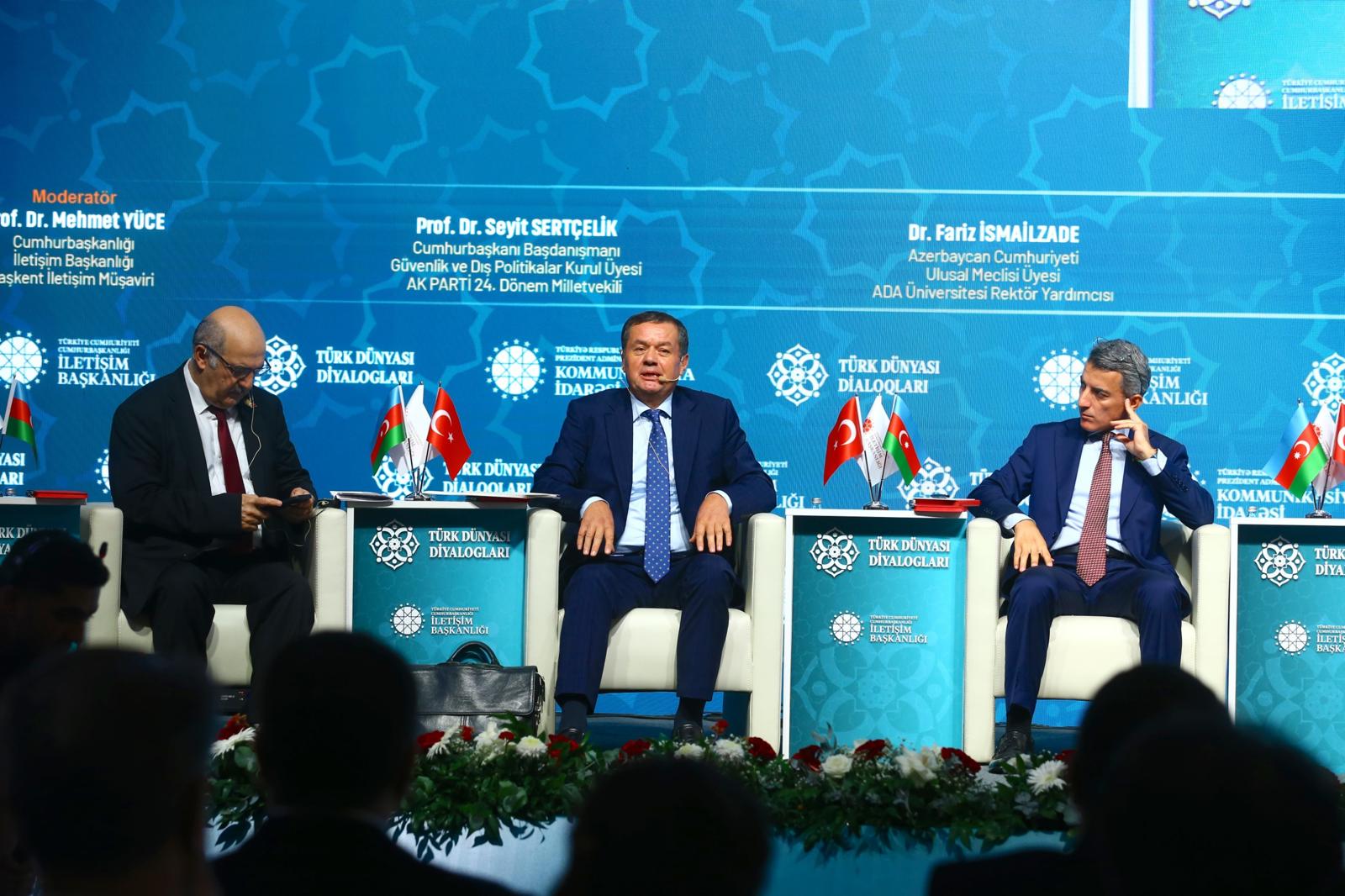
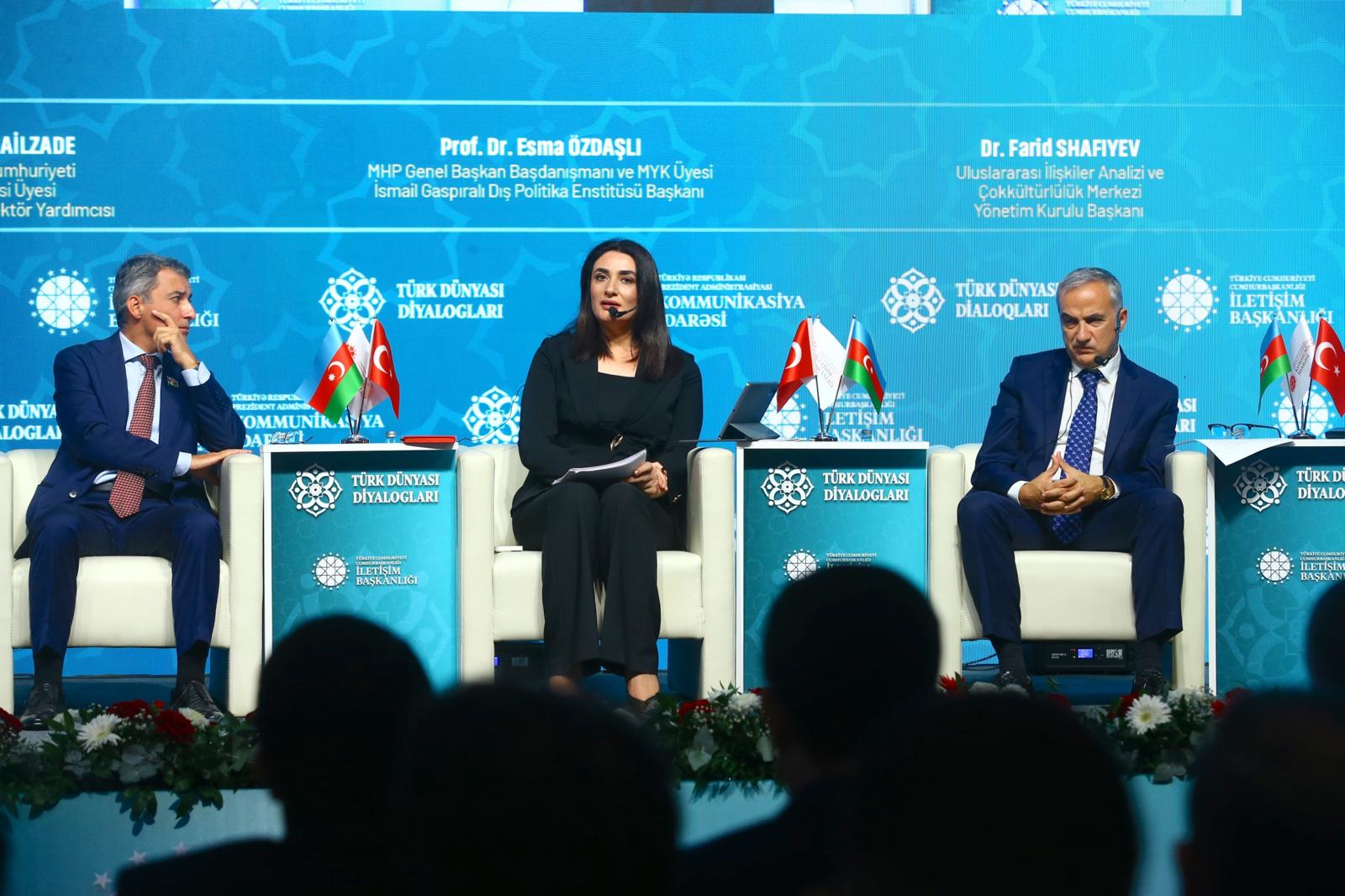
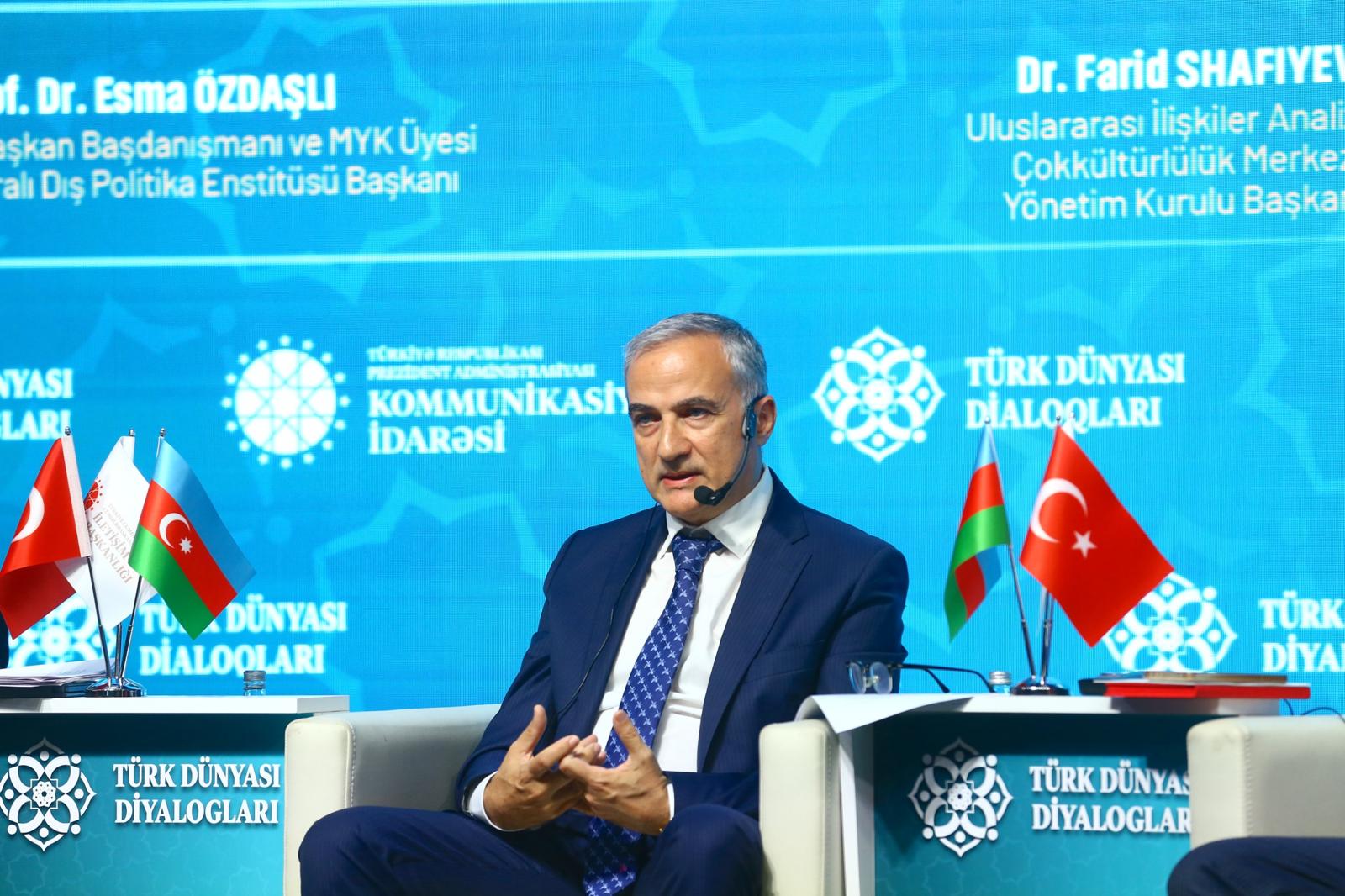
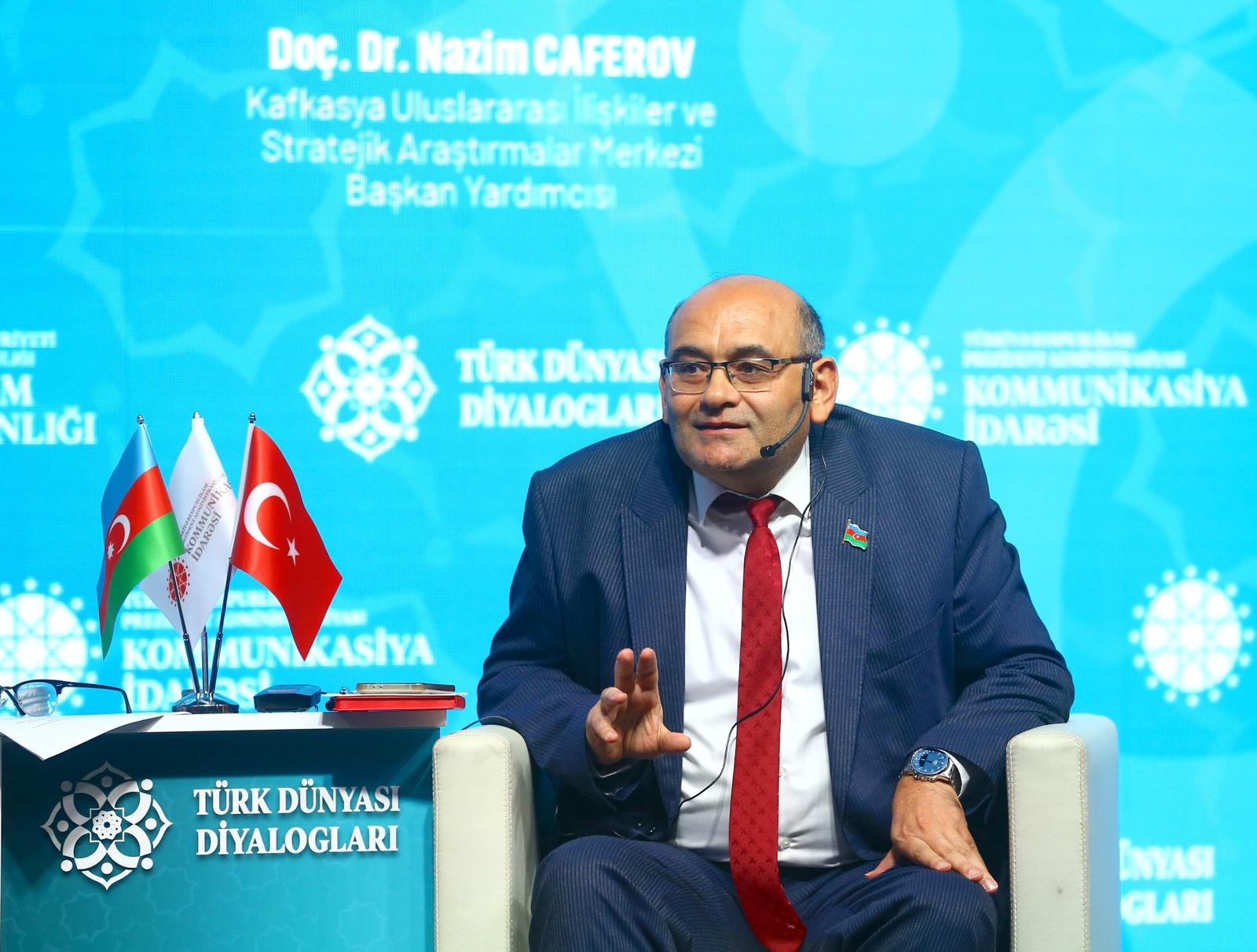
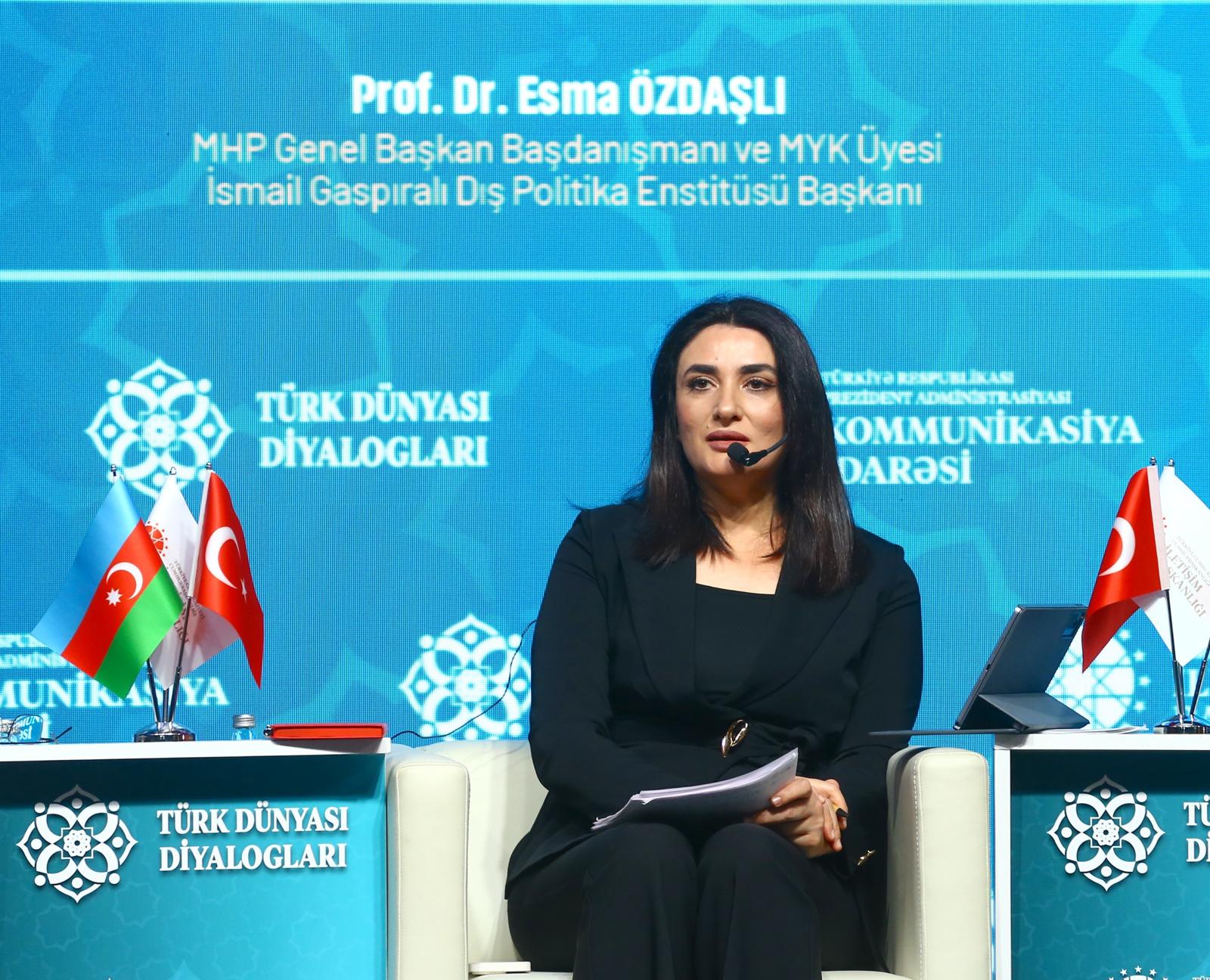
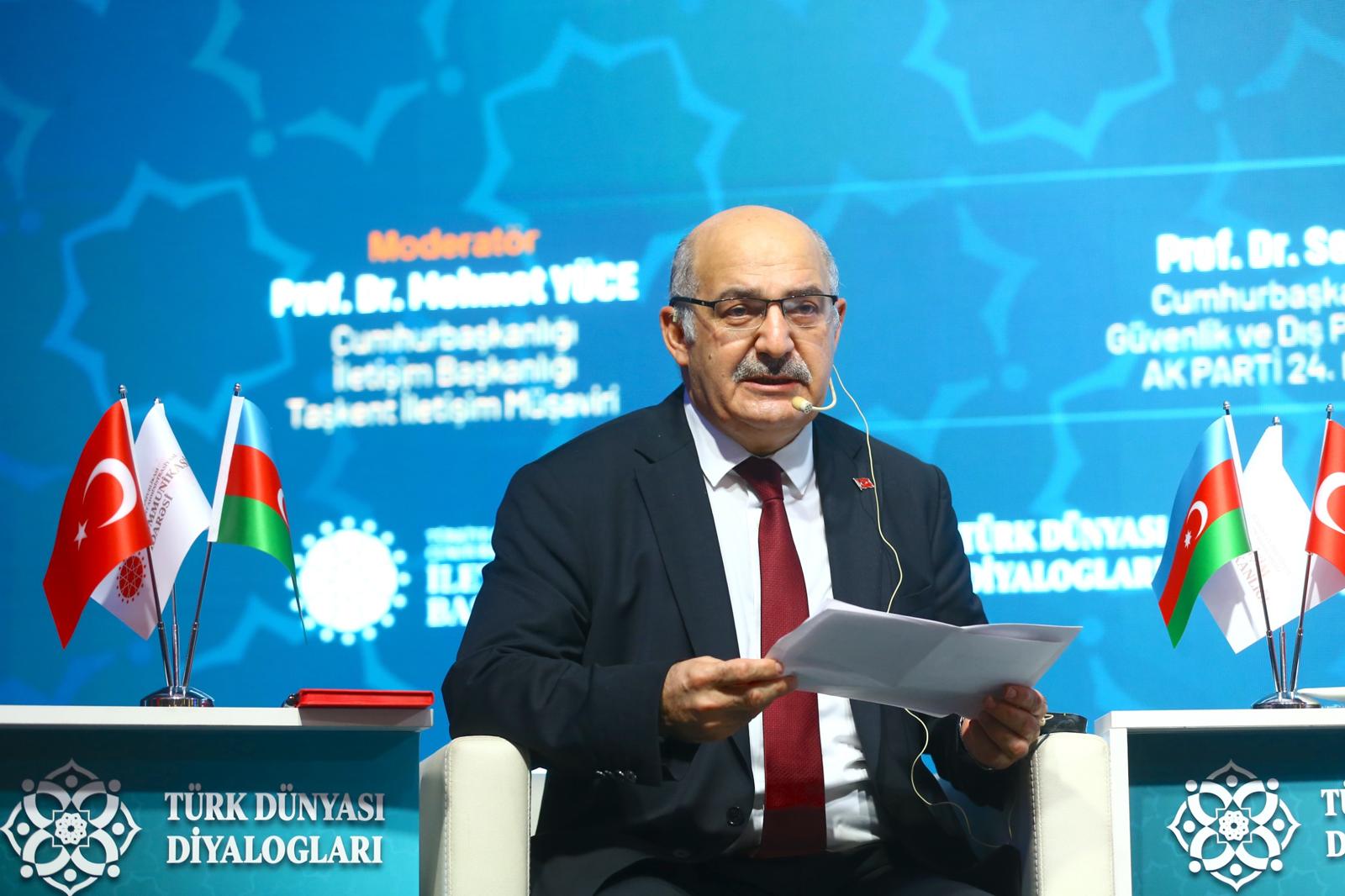
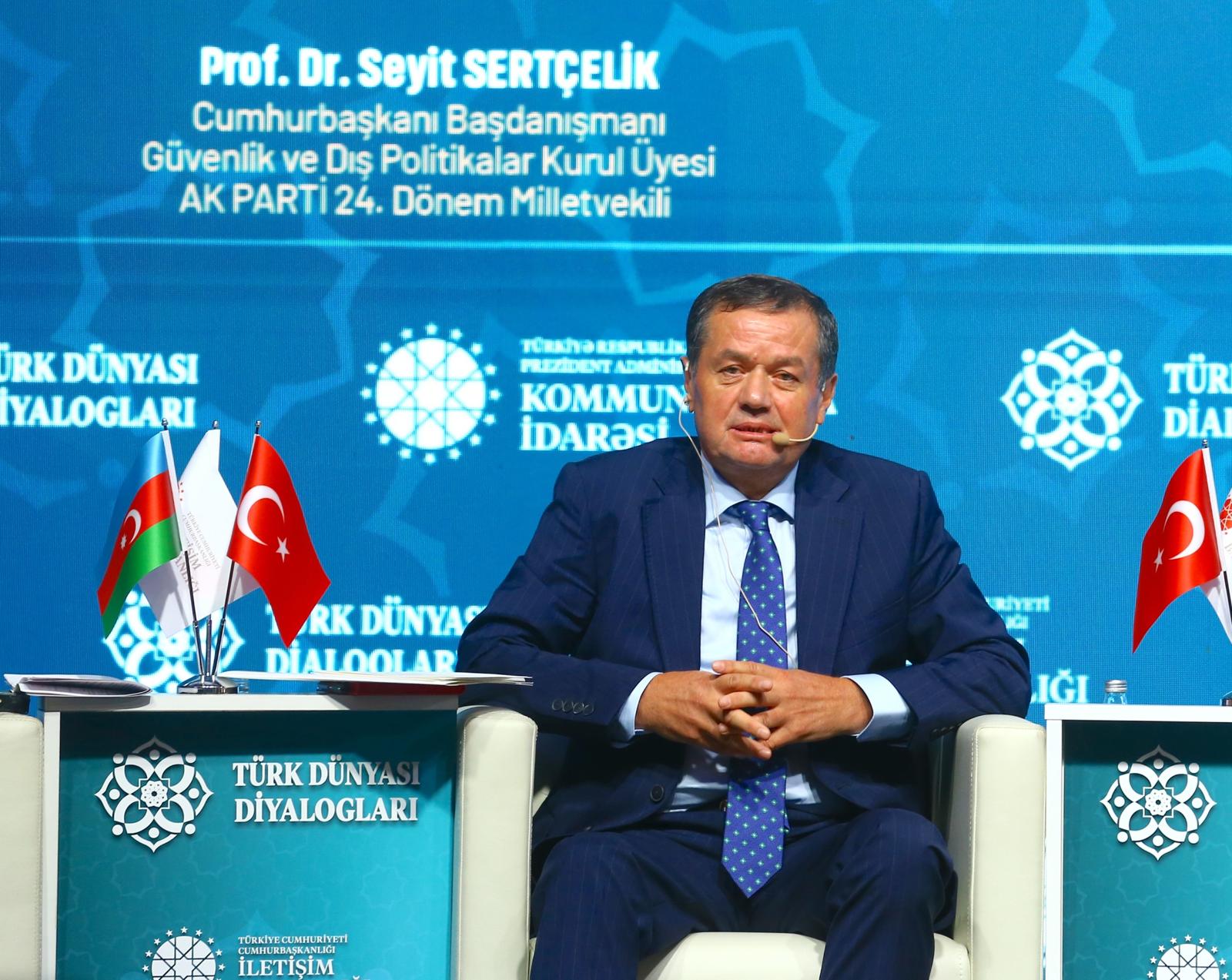
At the panel titled “Turkic World Dialogues: Shared Future, Shared Vision”, moderated by Tashkent Communications Counsellor Prof. Mehmet Yüce, Prof. Seyit Sertçelik, Chief Advisor to the President and Member of the Security and Foreign Policies Council; Dr Fariz Ismailzade, Member of the National Assembly of the Republic of Azerbaijan; Prof. Esma Özdaşlı, Chief Advisor to the Chairman of the Nationalist Movement Party (MHP); Dr Farid Shafiyev, Chairman of the Centre of Analysis of International Relations and Multiculturalism; and Assoc. Prof. Nazim Jafarov, Deputy Chairman of the Caucasus Centre for International Relations and Strategic Studies, shared their assessments.
The panel addressed multifaceted cooperation among the Turkic states, current challenges, the progress made by the Organisation from past to present, and the common alphabet. In addition, developments in the economic and political spheres, as well as views on issues regarding joint defence industry initiatives, doctrinal unity, communications, and artificial intelligence, were discussed within the context of the Turkic states.
Prof. Mehmet Yüce, the Tashkent Communications Counsellor, highlighted the shared historical and cultural heritage of the Turkic world, pointing out that current economic potential must be transformed into tangible cooperation. Yüce underscored that the Organisation of Turkic States provides the institutional foundation for this partnership, while stressing the importance of developing joint production and value chains.
Prof. Seyit Sertçelik, the Chief Advisor to the President and the Member of the Presidential Security and Foreign Policy Council, said that evolving international conditions have heightened the importance of solidarity and cooperation among Turkic states. Noting that multifaceted initiatives to be developed in economic, cultural, and institutional sectors will contribute to mutual experience-sharing and the implementation of joint projects, Sertçelik highlighted that the OTS serves as a platform that fosters regional stability and cooperation.
Dr Fariz İsmailzade, a Member of the National Assembly of the Republic of Azerbaijan, reflected on the significance of coordination and knowledge transfer between Türkiye and Azerbaijan amid volatile regional conditions. Underlining the necessity of pursuing joint initiatives in technology and innovation, İsmailzade stressed the importance of diversifying cooperation among Turkic states beyond the economy and transport to include education and academic programmes.
Prof. Esma Özdaşlı, the Chief Advisor to the Chairman of the MHP, pointed to the capacity Türkiye has developed in the fields of technology and innovation in recent years, suggesting that this capacity could contribute to cooperation among Turkic states. She noted that cooperation between Türkiye and Azerbaijan across various spheres offers significant opportunities for joint projects and mutual experience-sharing.
Prof. Özdaşlı underlined the need for stronger cooperation among OTS member nations to address global changes. This includes coordinated efforts in technology, education, research, and institutional capacity. She stated that these efforts would contribute to strengthening the existing ties among the countries and diversifying opportunities for long-term cooperation.
Dr Farid Shafiyev, Chairman of the Board of the Centre of Analysis of International Relations and Multiculturalism, emphasised the significance of solidarity and cooperation among Turkic states in the global context. Shafiyev stated that mutual support between Türkiye and Azerbaijan contributes to the development of diplomatic relations, adding that dialogue and coordination mechanisms should be used effectively during times of crisis. Shafiyev also emphasised the significance of developing cooperation on international platforms, working together to combat disinformation, and strengthening the exchange of knowledge and experience among media organisations.
Deputy Chairman of the Caucasus Centre for International Relations and Strategic Studies, Assoc. Prof. Nazim Jafarov emphasised the importance of drawing on the Turkic world's shared historical and cultural heritage in the institutional development of the OTS. Jafarov stated that this legacy should be reflected in cultural and academic studies that improve collective memory, and that the Organisation's communication with regional and international organisations would open up new avenues for collaboration. Jafarov emphasised that joint educational projects would help increase interaction between students and academics while also fostering long-term cooperation in the Turkic world.
On the 108th anniversary of Baku's liberation, the panel program commemorated the role of the Caucasian Islamic Army under Nuri Pasha in Baku's history.
At the event, attended by members of parliament, representatives of diplomatic missions and public institutions, academics, think-tank representatives and members of the press, the OTS’s current and future activities, as well as potential areas for further institutional cooperation, were discussed from the perspectives of Türkiye and Azerbaijan ahead of the 13th Summit of Heads of State and Government of the Organisation of Turkic States, to be held in Ankara.