On the second day of the Second Communications Council, organised by the Directorate of Communications, the reports and policy recommendations prepared following the working group meetings were reviewed.
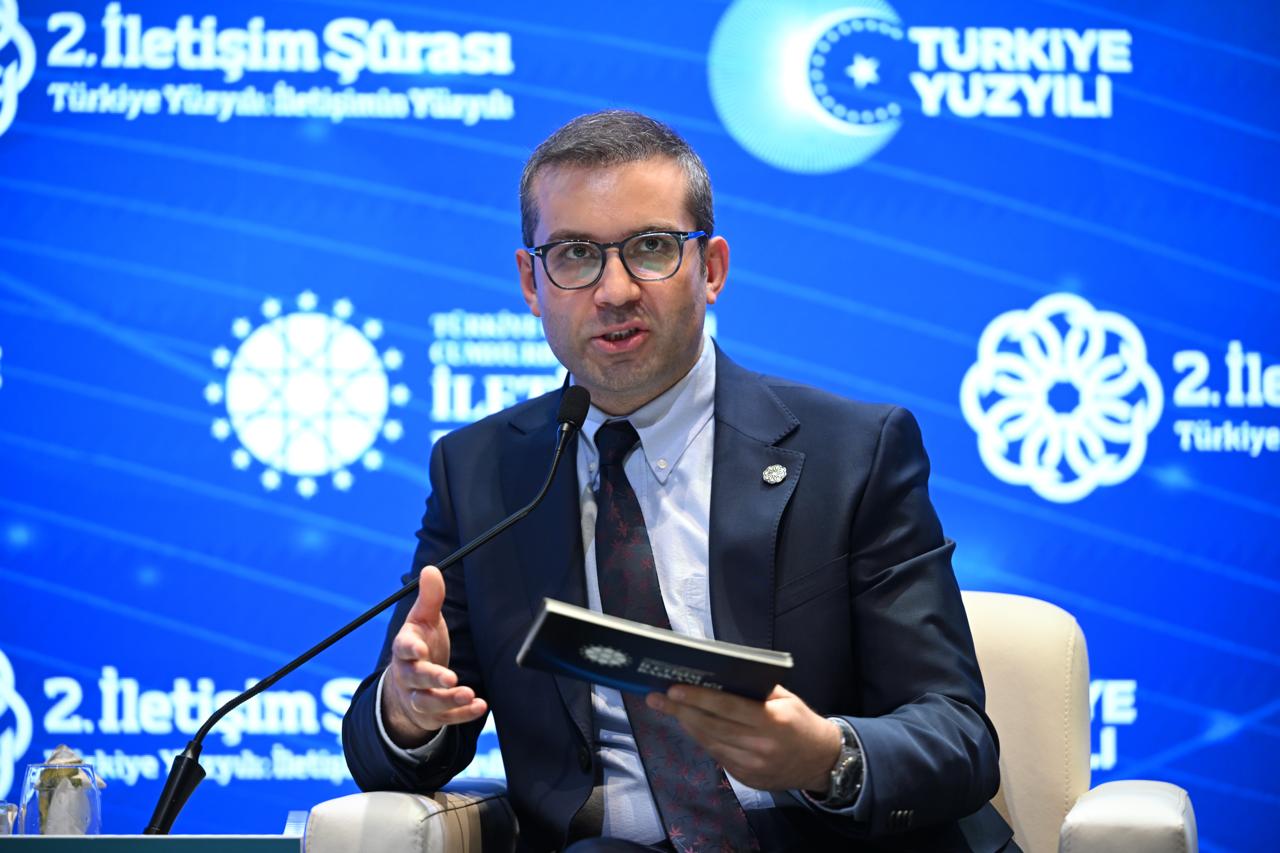
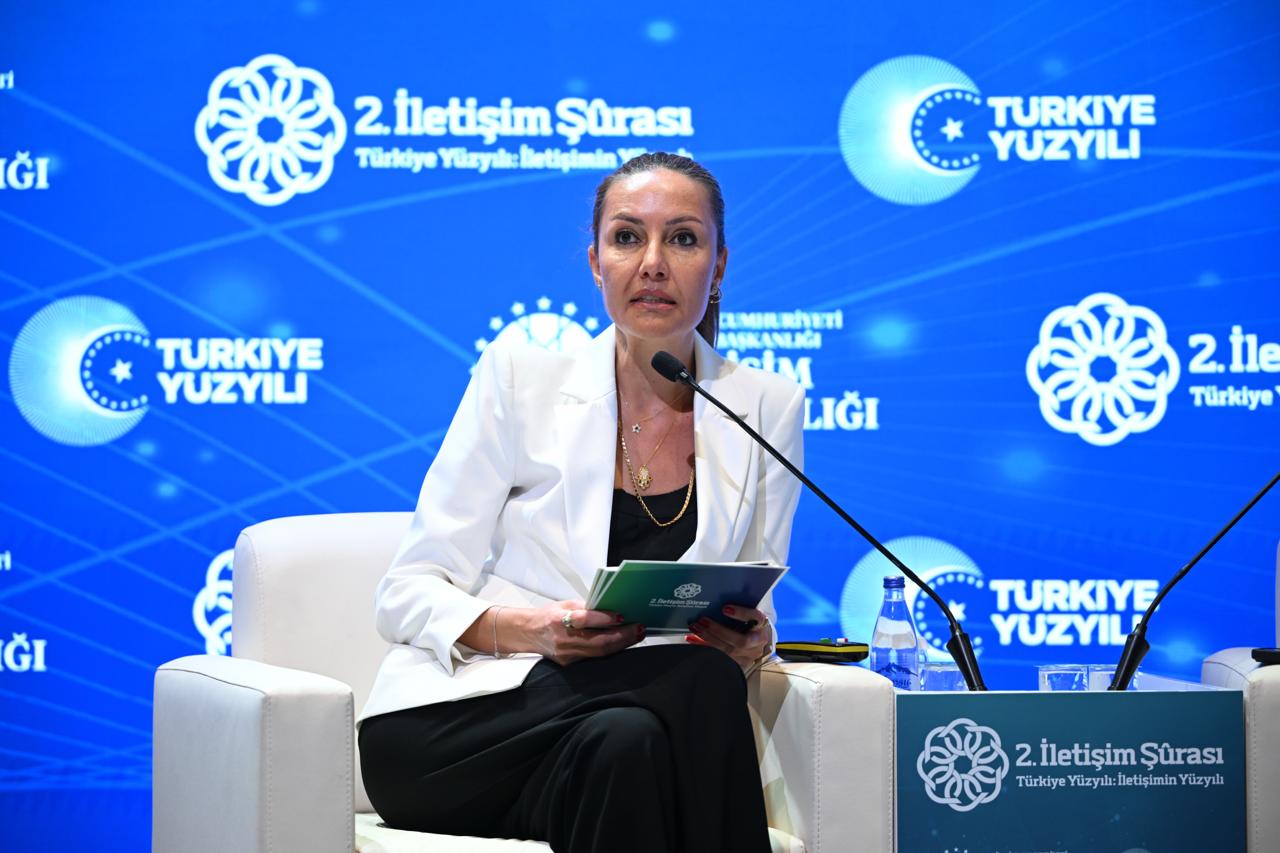
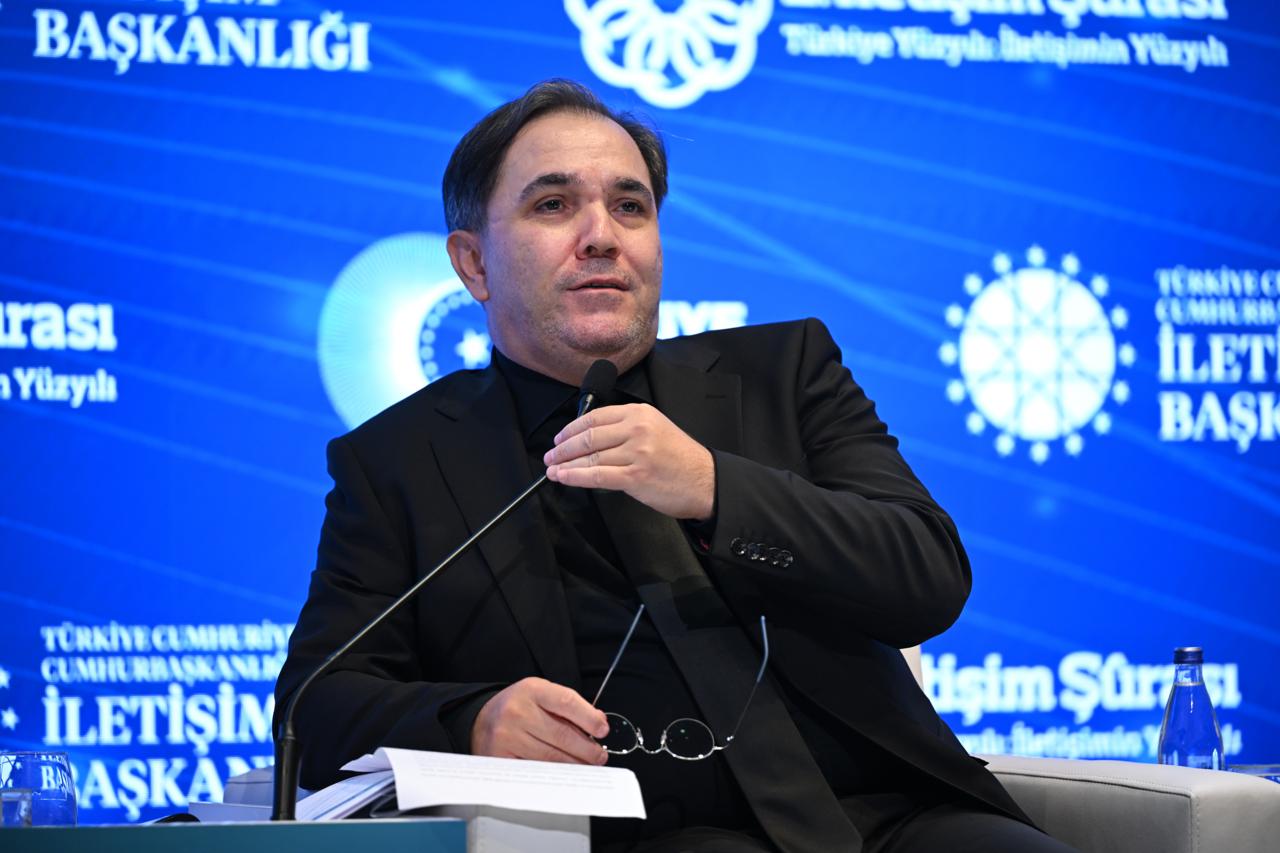
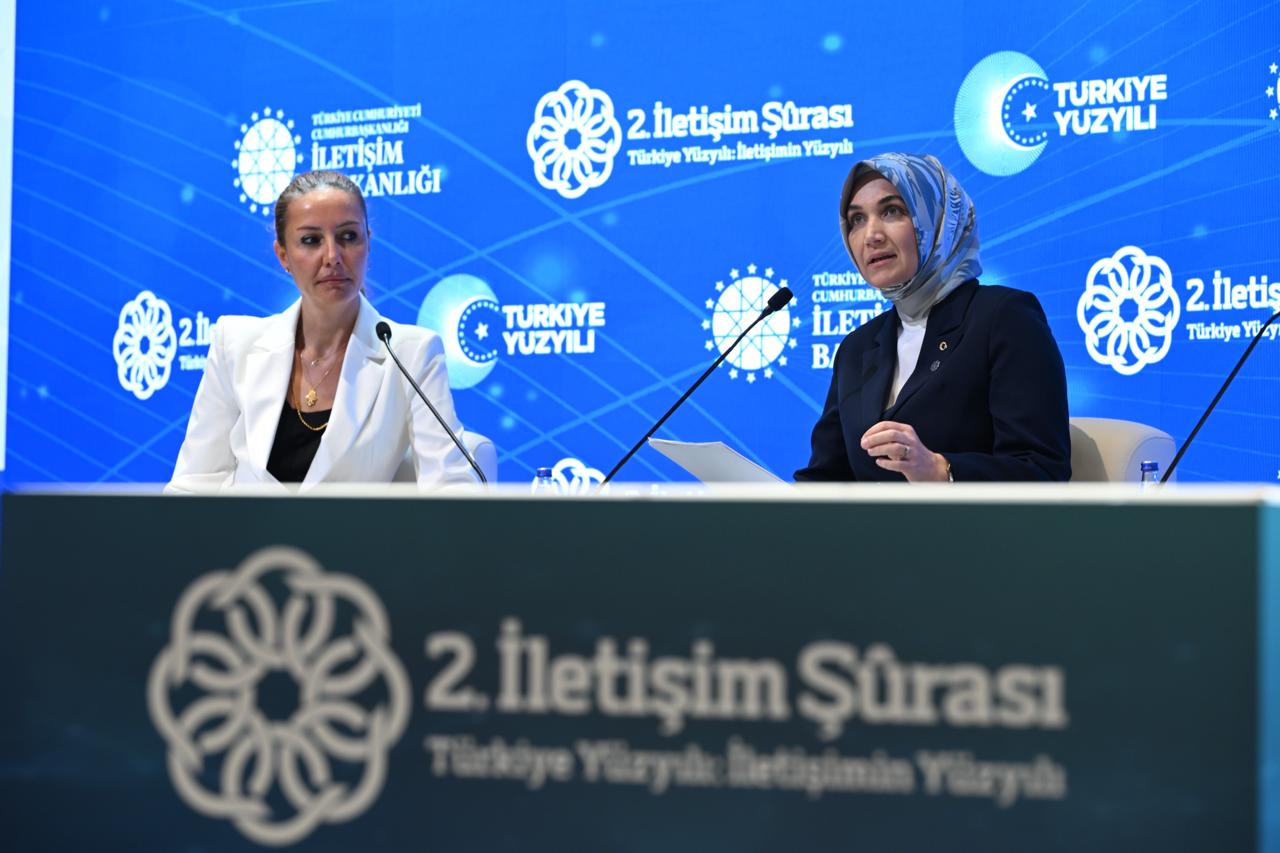
During the first session, held under the theme “Strategic, Political and Public-Oriented Communication” and moderated by International Media Coordinator at the Presidency’s Directorate of Communications Dr. Gözde Kirişçioğlu, reports and policy recommendations prepared by different working groups were shared with the public, while Associate Professor Kübra Güran Yiğitbaşı, Deputy Minister of the Interior of the Republic of Türkiye; Professor Gül Rengin Küçükerdoğan, Rector of Hasan Kalyoncu University; Professor Fatih Keskin, Dean of the Faculty of Communication at Ankara University; and Associate Professor Oğuz Güner, Head of the Public Diplomacy Department at the Presidency's Directorate of Communications, delivered presentations on the findings and recommendations of their respective working groups.
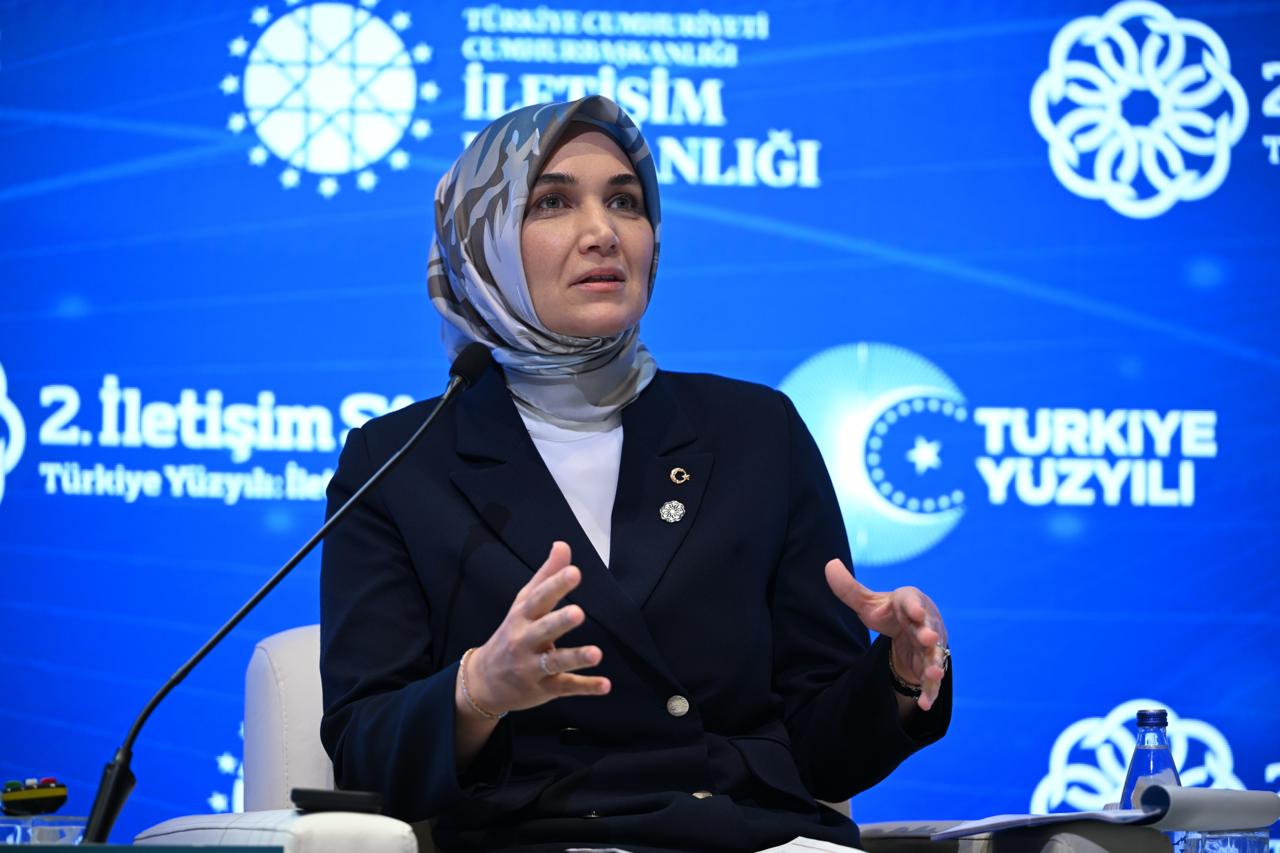
In her presentation on behalf of the “Strategic Communication Working Group,” Deputy Minister of Interior of the Republic of Türkiye Assoc. Prof. Kübra Güran Yiğitbaşı made the following remarks:
“Strategic communication efforts in Türkiye should be structured and addressed as a holistic, proactive and long-term state policy based on central coordination, institutionalisation, digital transformation, combating disinformation, public diplomacy, cooperation between academia and practice, and sustainable human resources."
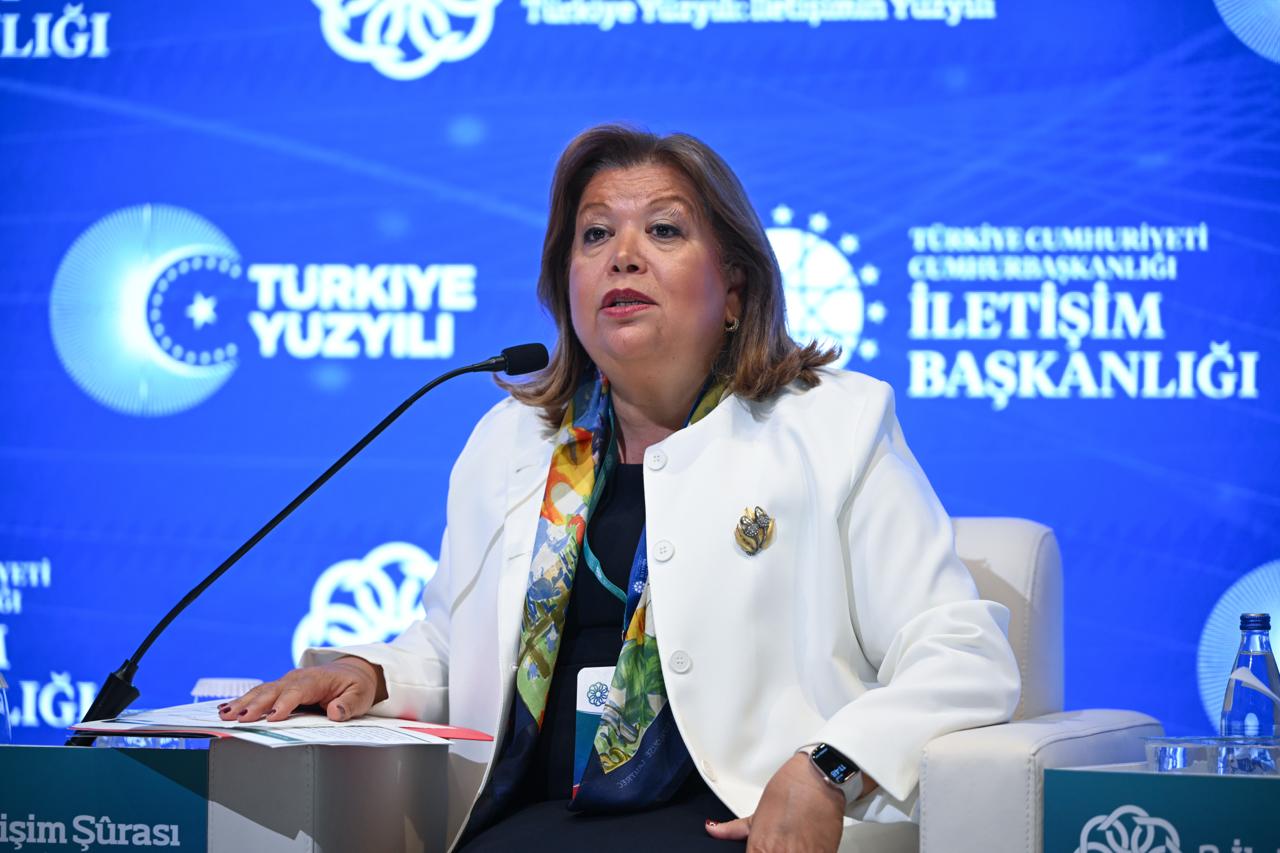
Rector of Hasan Kalyoncu University Prof. Gül Rengin Küçükerdoğan, in her presentation on behalf of the “Branding, Türkiye Brand and Reputation Management” Working Group, stated that the values underpinning the Türkiye Brand and the shared narrative should be redefined. In her presentation, Prof. Küçükerdoğan highlighted the following:
“The values underpinning the Türkiye Brand and the shared narrative should be redefined, and communication and public policies should be restructured through a holistic methodology capable of adapting to changing global dynamics, digital transformation and the new media ecosystem.”
Dean of Ankara University’s Faculty of Communication Prof. Fatih Keskin emphasised the following in his assessment on behalf of the “Political Communication from Traditional to Digital” Working Group:
“It is important that political communication activities be carried out through a holistic approach, guided by coordination, monitoring and evaluation, and data-driven strategic planning. The continuous review and updating of these activities, taking into account changing social dynamics and, in particular, the expectations, needs and communication habits of younger generations, are among the key factors that enhance the effectiveness and sustainability of political communication.”
Head of the Public Diplomacy Department at the Presidency’s Directorate of Communications, Assoc. Prof. Oğuz Güner, in his presentation on behalf of the “Public Diplomacy” Working Group, stated that Türkiye’s public diplomacy policy should not be approached merely as a one-way promotional activity and said, “Based on the fact that Türkiye’s public diplomacy policy should not be approached as a one-way promotion policy, we are of the opinion that it should be implemented through a multidimensional, flexible, measurable and long-term strategy with the involvement of all relevant institutions and actors while taking into consideration our political arguments, cultural values and the reality of digitalisation brought about by the present age.”
At the panel, policy recommendations were presented in line with proposals prepared by the different working groups, covering strategic communication, political communication, the Türkiye Brand, and public diplomacy, as well as the work carried out by public institutions.