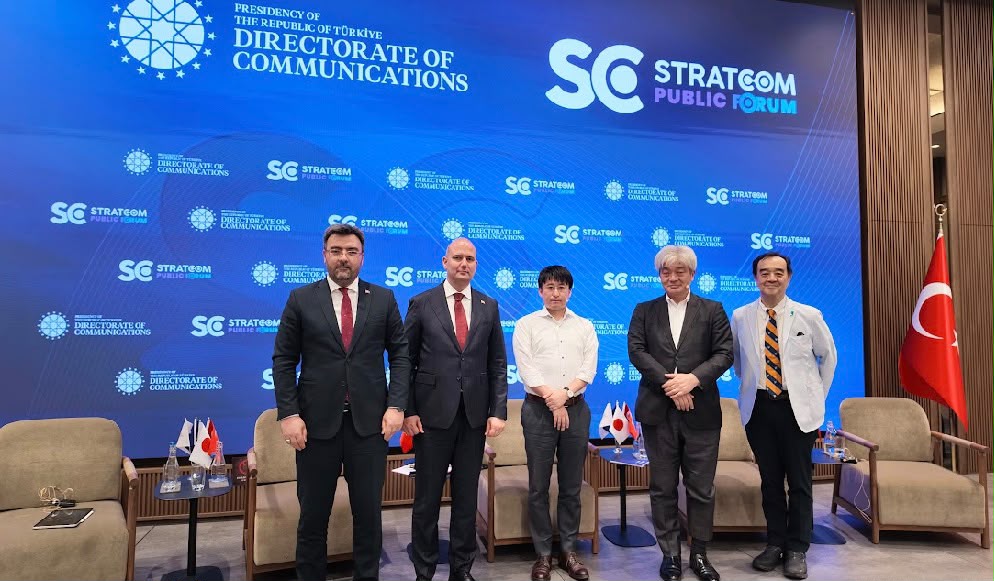
The STRATCOM Roundtable and STRATCOM Public Forum, organised in cooperation with the Directorate of Communications and the Embassy of the Republic of Türkiye in Tokyo, brought together representatives from public institutions, international organisations, technology companies, think tanks, and academia in Tokyo, the capital of Japan.
Held as part of the International Strategic Communications Summit (STRATCOM Summit), the STRATCOM Roundtable, themed "The Changing Global Order in the Era of Emerging Technologies", and the STRATCOM Public Forum, titled "Navigating Economic Security in an Era of Geopolitical Competition", addressed the multidimensional impact of emerging technologies, particularly artificial intelligence, on the global order, strategic communications, and economic security.
Policy recommendations for the future of strategic communications discussed
At the STRATCOM Roundtable, held under the theme "The Changing Global Order in the Era of Emerging Technologies", the impact of emerging technologies on global governance, strategic communications, digital sovereignty, information security, and international cooperation was assessed from a policy perspective.
Participants exchanged views on the impact of artificial intelligence and emerging technologies on the international balance of power, technological competition, countering disinformation, the use of new technologies in strategic communications, the transformation of public diplomacy, and technological applications in crisis management.
Economic security addressed from a multidimensional perspective
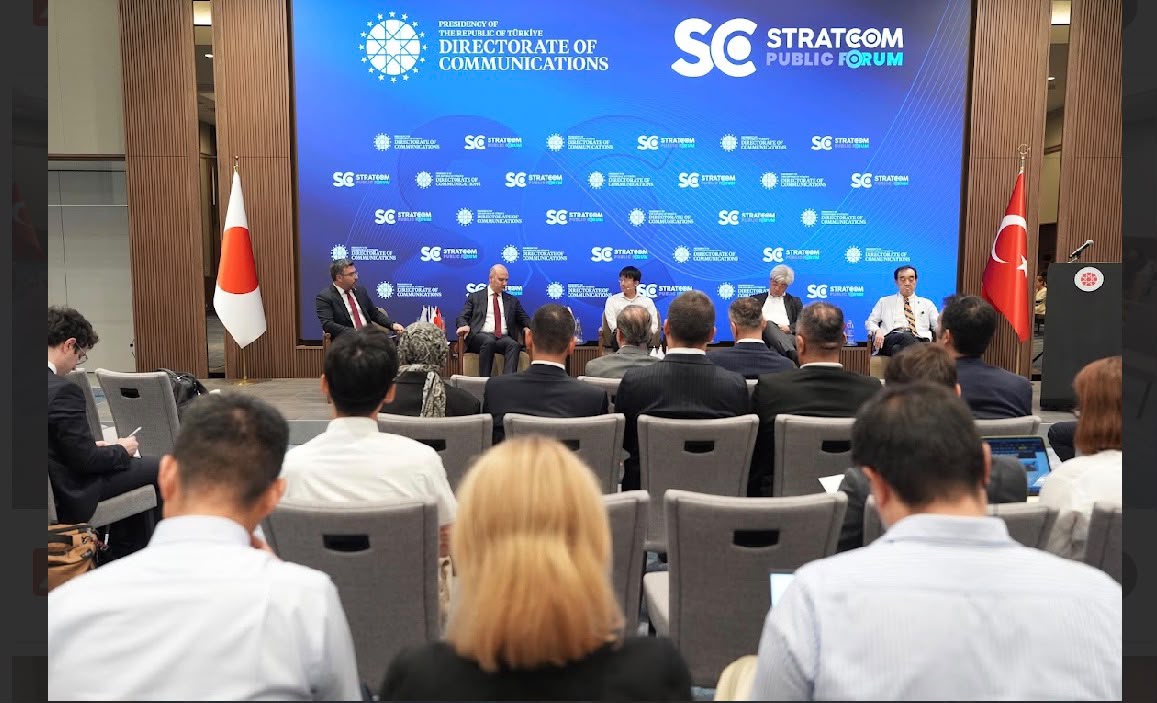
At the STRATCOM Public Forum, a panel titled "Navigating Economic Security in an Era of Geopolitical Competition" examined the multifaceted impact of intensifying geopolitical competition on economic security policies, critical technologies, resilient supply chains, data security, and the transformation of the digital economy.
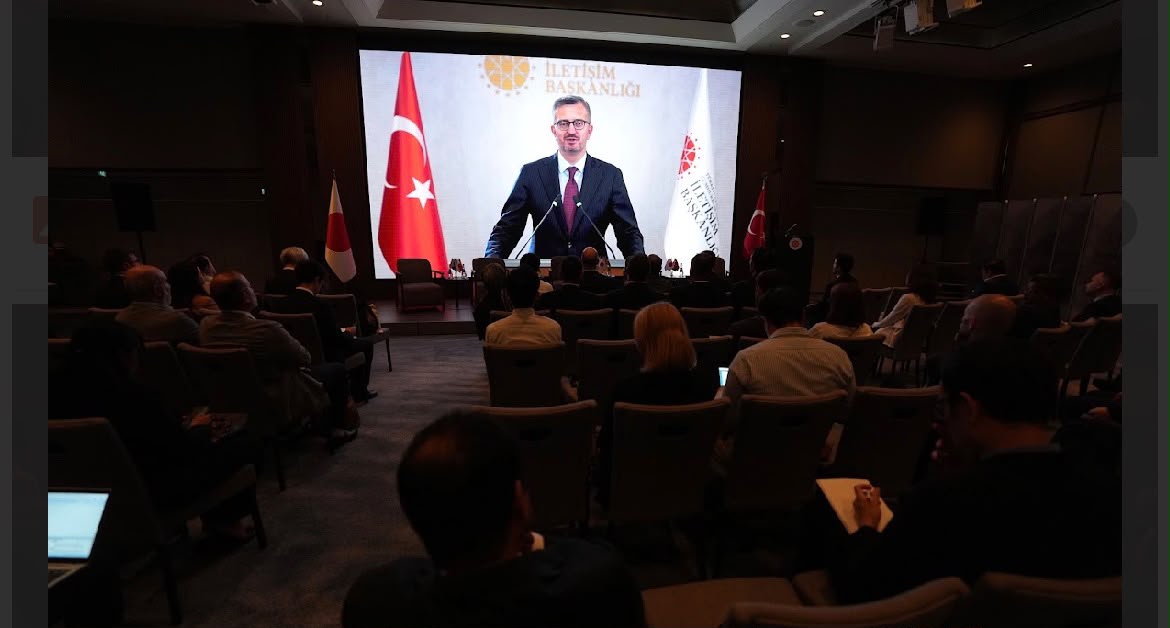
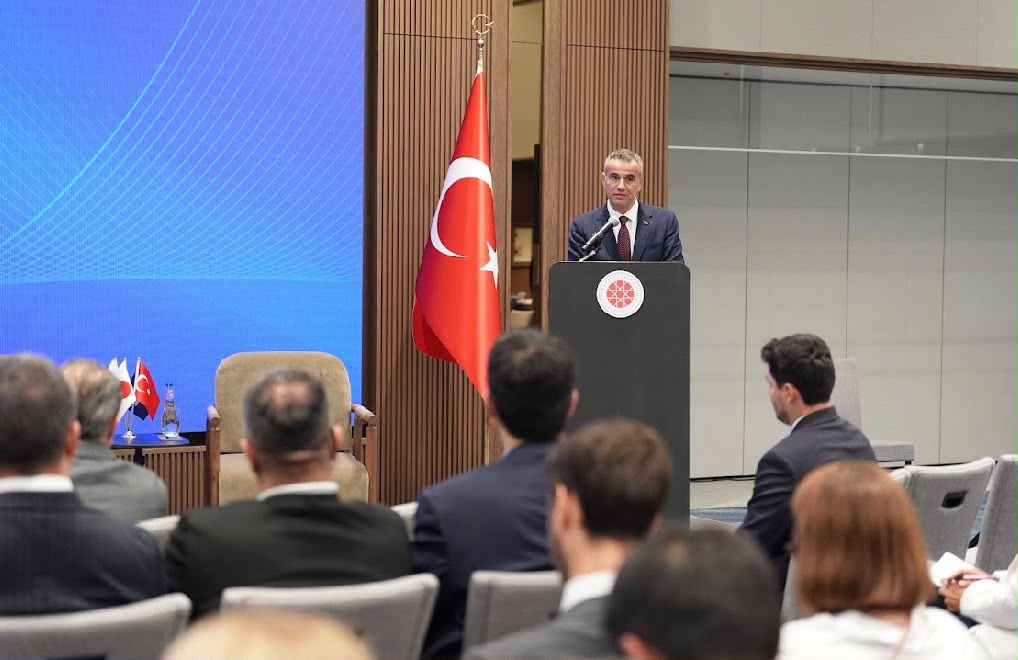
Head of Communications Burhanettin Duran participated in the programme via a video message. Ambassador of the Republic of Türkiye to Tokyo, Oğuzhan Ertuğrul, and Deputy Head of Communications Ferhat Pirinççi delivered the opening remarks of the panel.
Head of Communications Duran stated that the world is undergoing a profound process of geopolitical, technological, and social transformation, noting that, alongside economic power, military capabilities, and diplomatic influence, the capacity to shape narratives, influence perceptions, engage with global publics, and build trust is becoming an increasingly important dimension of national and international power.
Drawing attention to the fact that digital technologies, while expanding access to information and communication opportunities, also bring new vulnerabilities such as manipulation, polarisation, and uncertainty, Head of Communications Duran said: "Today, we are facing what can be described as a crisis of truth and a crisis of communication. These crises operate through perceptions, emotions, fears, and expectations. They can affect societies before governments have the opportunity to fully understand what is happening. This is precisely why a comprehensive and multidimensional approach is needed. No country, institution, or organisation can achieve this on its own. We need greater international cooperation, the sharing of experiences, and the development of common principles."
Ambassador Oğuzhan Ertuğrul drew attention to the uncertainties and multiple crises that are increasing pressure on the international order. Emphasising that global challenges require stronger cooperation based on justice, diplomacy, and multilateralism, Ertuğrul underscored the importance of regional ownership and reform of global institutions.
Noting that Türkiye and Japan are two countries located at the western and eastern ends of Asia, respectively, with complementary strategic capabilities, Ertuğrul said that the two countries can play a constructive and proactive role in supporting global peace, stability, and prosperity. Ertuğrul also emphasised that the STRATCOM event provided an important platform for raising awareness of the need for stronger cooperation and coordination between Türkiye and Japan in response to ongoing geopolitical transformations.
Deputy Head of Communications Prof. Ferhat Pirinççi noted that emerging technologies, particularly artificial intelligence, are transforming not only the economic and technological spheres but also a wide range of areas, from international relations to public diplomacy and strategic communications.
He emphasised that information security and a reliable information ecosystem are among the key elements of economic resilience, noting the direct effects disinformation can have on economic stability, the investment environment, and public confidence.
Stating that strategic communication is of critical importance for safeguarding accurate and reliable information, combating disinformation, and strengthening societal resilience, Pirinççi noted that international cooperation and the development of common policies in this field are becoming increasingly important.
Pirinççi stated that Türkiye and Japan possess substantial and complementary expertise in technology, innovation, strategic communication, and crisis management and added that joint initiatives between the two countries would contribute to regional and global stability.
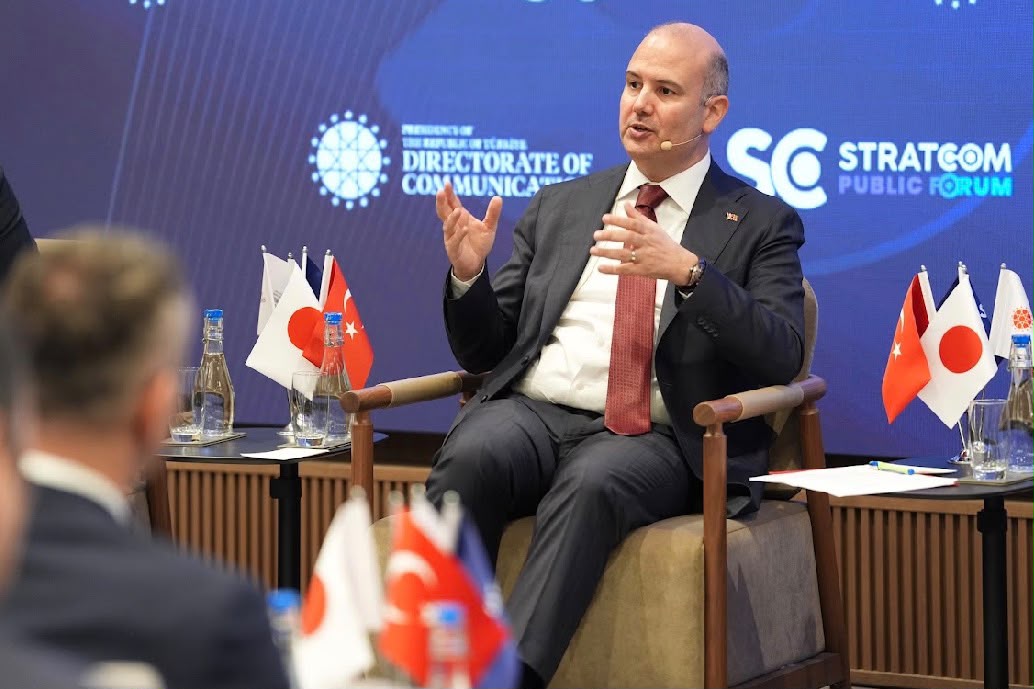
Speaking at the panel, Ömer İleri, Deputy Chairman of the AK Party and Head of Information and Communication Technologies, highlighted the concurrent changes occurring in the geopolitical and technopolitical domains. İleri said that protectionism and a focus on domestic manufacturing are intensifying amid geopolitical dynamics, while advances like artificial intelligence, the growing importance of data, and market consolidation are transforming the technological landscape. İleri also emphasised the potential for Türkiye and Japan to contribute to developing more consistent and human-centred approaches to these transformations.
Akira Igata, Director of the Economic Security Intelligence Laboratory (ESIL) and Project Lecturer at the University of Tokyo's Research Centre for Advanced Science and Technology (RCAST), concentrated on the growing connection between information manipulation and economic security. Igata underlined the significance of public-private sector cooperation, information sharing, and education in developing societal resilience, citing examples of disinformation and influence operations targeting enterprises in crucial mineral supply chains and data centre infrastructure.
Kazuto Suzuki, a professor at the University of Tokyo's Graduate School of Public Policy (GraSPP), discussed the importance of key technologies, rare earth elements, and strategic minerals to geoeconomic competitiveness. Stating that interdependencies among major countries, particularly the United States and China, continue to shape economic security policies, Suzuki added that diversifying crucial supply chains and reducing strategic vulnerabilities are becoming increasingly important.
Kunihiko Miyake, Director and Special Advisor for the Canon Institute for Global Studies (CIGS), stressed that effective strategic communication necessitates a well-defined strategy and a compelling narrative.
Miyake emphasised that technological tools alone do not ensure effective communication, highlighting the need to craft messages that align with strategic goals and target specific audiences.
Participants also exchanged views on protecting a trustworthy information ecosystem, ensuring the flow of accurate information in times of economic crises, the impact of digital platforms on the global economy, and public-private sector cooperation models.
Programme contributes to Türkiye-Japan strategic communication dialogue
The events contributed to strengthening institutional dialogue between Türkiye and Japan in the areas of strategic communication and crisis communication, assessing common approaches to communication risks and opportunities emerging in the age of artificial intelligence, and increasing international knowledge and experience sharing.
Held annually with international participation, STRATCOM continues to serve as a global forum for consultation, where current issues in strategic communication are discussed from multiple perspectives, bringing together public institutions, international organisations, academia, the media, and the technology sector on a shared platform.