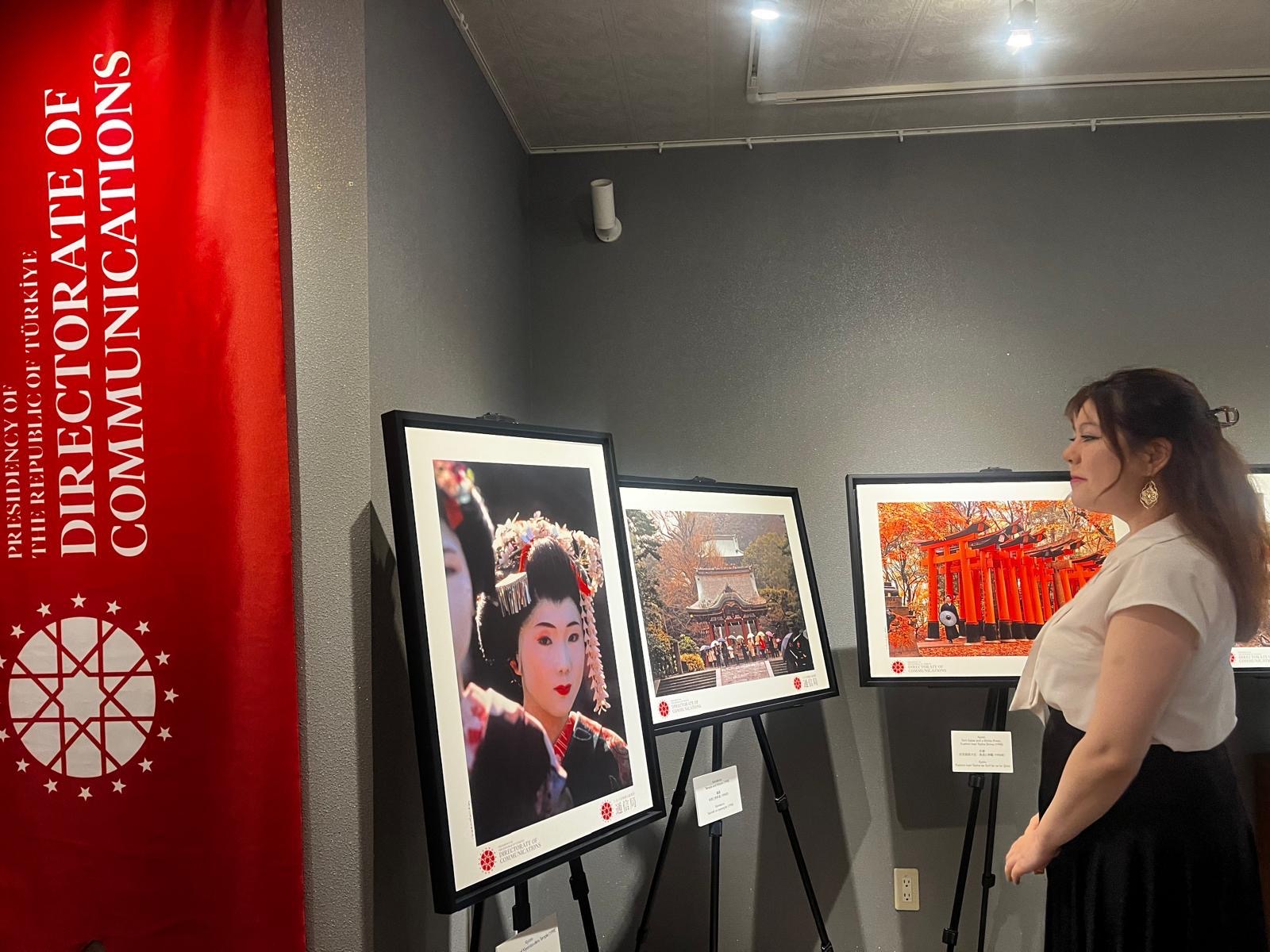
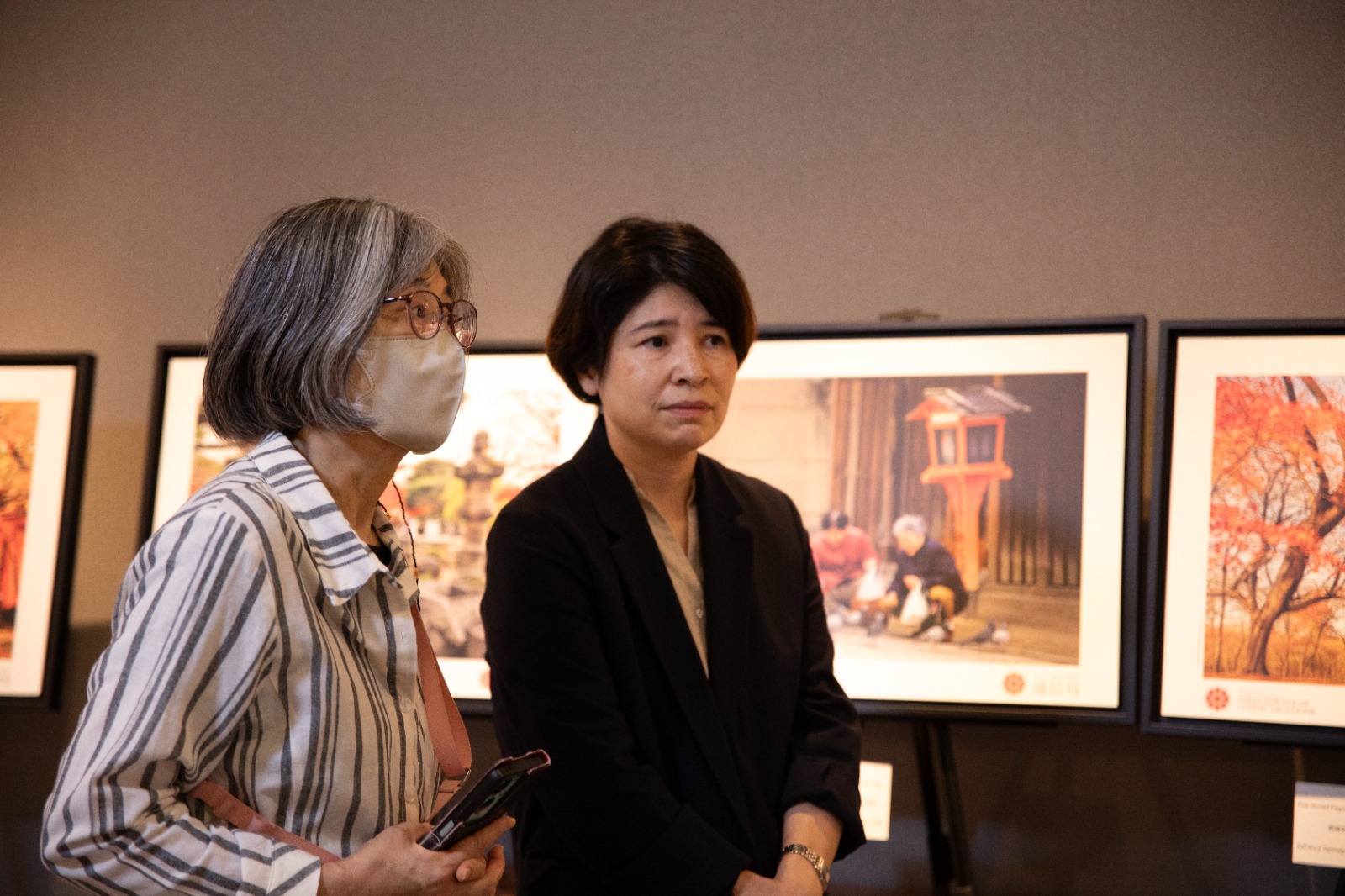
The "Japan Seen Again, 70 Years Later Photography Exhibition" organised by the Directorate of Communications at the Yunus Emre Institute in Tokyo, featured a special selection bringing images of Japan from approximately 70 years ago into the present day.
Photographs taken in Japan in 1956 and 1957 by İzzet Keribar, one of the prominent figures in Turkish photography, were once again presented to audiences in the country where they were originally captured, as part of the “Japan Seen Again, 70 Years Later” exhibition.
Japan Through the Lens of İzzet Keribar
The exhibition presented visitors with a selection of photographs taken in Japan in 1956 and 1957 by renowned photographer İzzet Keribar. Images depicting different cities, people, cultural fabric, traditions and everyday life in Japan offered a visual record of the country’s social life approximately 70 years ago.
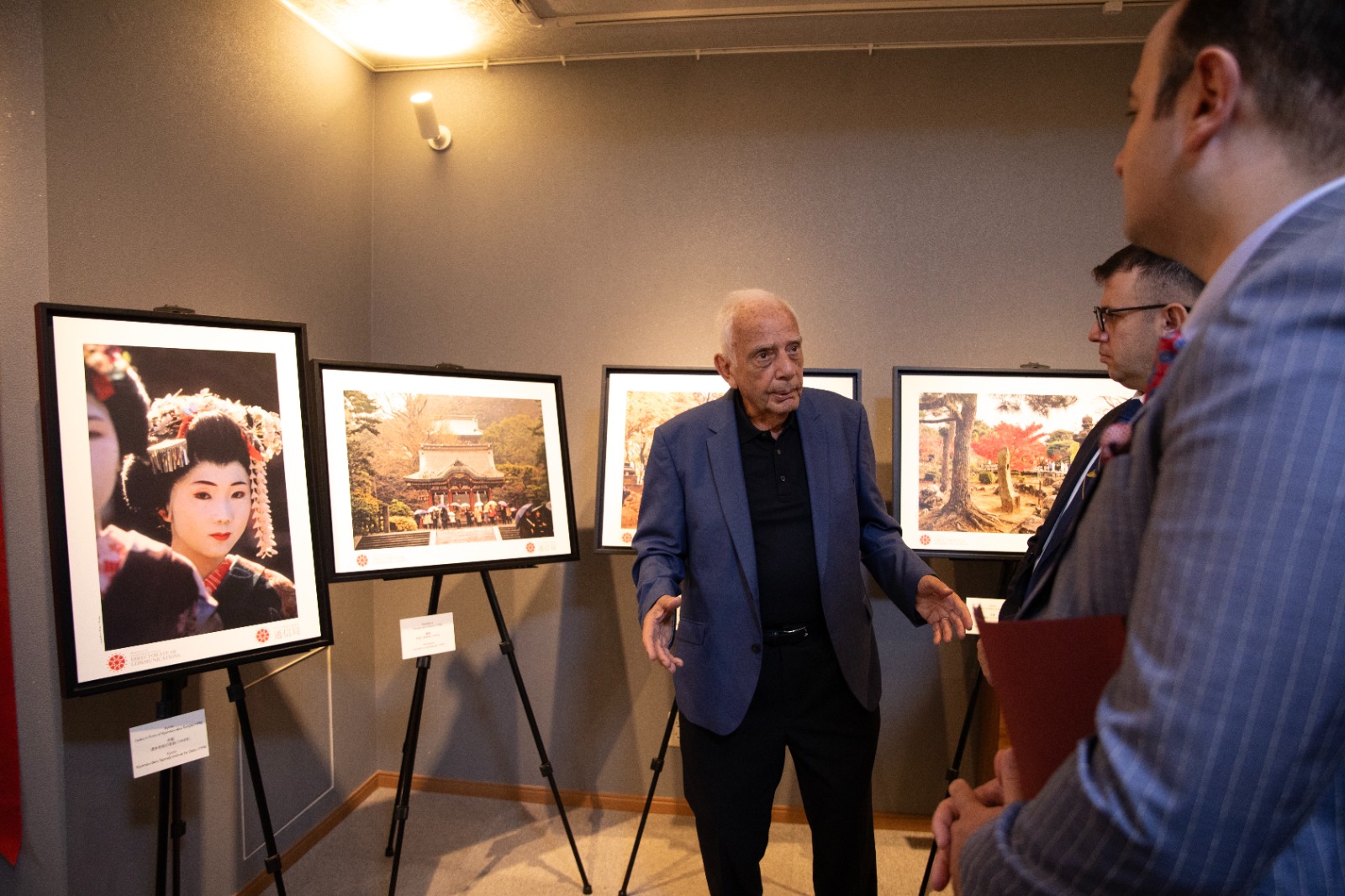
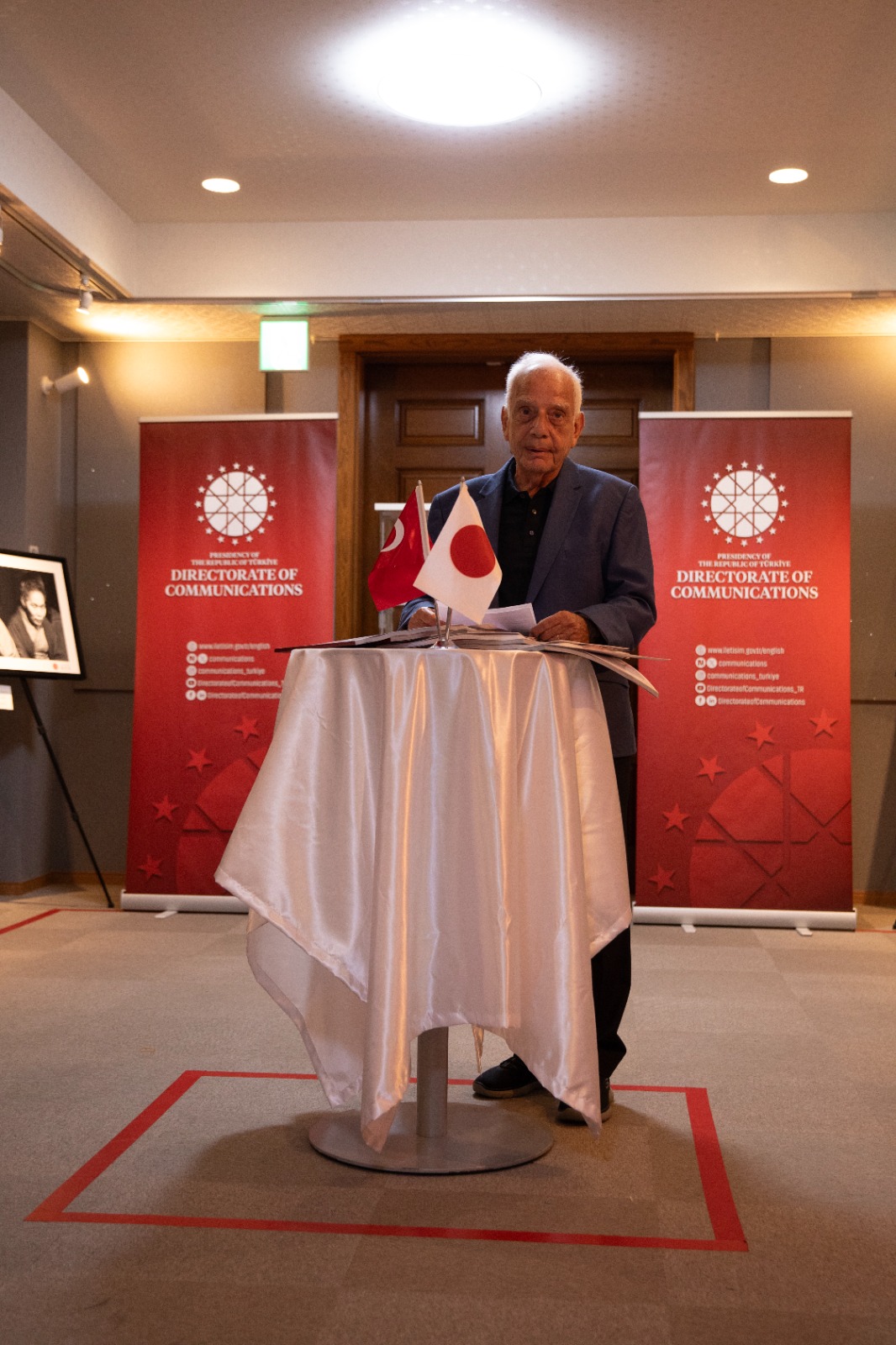
The event, attended by representatives from the fields of diplomacy, culture and the arts, academia and the media, as well as invited guests, also featured a message from the Presidency's Head of Communications Prof. Burhanettin Duran. Alican Aksoy, Counsellor at the Embassy of the Republic of Türkiye in Tokyo, and photographer İzzet Keribar also addressed the participants.
“It is a great source of pride for the Directorate of Communications to bring these early works by İzzet Keribar back to art lovers in the very land where they were taken”
In his message sent specially for the opening of the exhibition, Head of Communications Burhanettin Duran stated that the images featured in the “Japan Seen Again, 70 Years Later” exhibition may have been captured at the time out of amateur curiosity, yet with a keen eye for observation, and that today they serve as unique windows onto Japan, its people and its way of life 70 years ago.
Head of Communications Duran said in his message: “Mr Keribar went on to take thousands of photographs in the years that followed, with his works exhibited in various countries around the world, and became an internationally respected photographer. It is a great sourceof pride for our Directorate of Communications to bring these early works of his back to art lovers in the very land where they were taken.”
Emphasising that one of the greatest strengths of art and photography is their ability to bring us closer to one another’s lives, stories and emotions, Head of Communications Duran said: “A photograph can sometimes achieve what lengthy narratives cannot; it can connect people despite the passage of years and geographical distances. These photographs by Mr Keribar depicting Japan 70 years ago will likewise help foster a new perspective and a new sense of closeness between the peoples of the two countries.”
Head of Communications Duran noted that the strength of the friendly relations between Türkiye and Japan rests on the close affinity between the peoples of the two countries, adding that he believed the exhibition would contribute both to further strengthening bilateral relations and to helping our peoples know and understand each other better.
Alican Aksoy, Counsellor at the Embassy of the Republic of Türkiye in Tokyo, who attended the opening of the exhibition, expressed his pleasure at coming together for “Japan Seen Again, 70 Years Later”. Noting that İzzet Keribar’s photographs depicting the everyday life of the Japanese people in 1956 and 1957 were taken 11 years after the war, Aksoy said that much had changed in Japan since then, but that the courtesy of the Japanese people had remained unchanged. He further emphasised that the fact that this had been captured through the lens of a Turkish photographer made the photographs particularly valuable.
Photographer İzzet Keribar said that he first encountered Japan in 1956 during trips he made while on leave from his service in South Korea as a reserve officer and interpreter. He noted that, during this period, his greatest excitement came from his week-long trips to Japan while on leave. Keribar said that while serving at the liaison office in Tokyo, he visited Osaka, Kyoto and Nara, adding that he always carried his camera with him and took both colour and black-and-white photographs in Japan. Explaining that the black-and-white photographs featured in the exhibition were taken in 1956 and 1957, while the colour photographs were taken in 1998, Keribar said: “To some extent, it is possible to trace the profound transformation Japan underwent over these years through the photographs I took at different periods.”
Keribar expressed his gratitude to the Presidency’s Directorate of Communications for organising the exhibition and to the Yunus Emre Institute for hosting it in Tokyo.