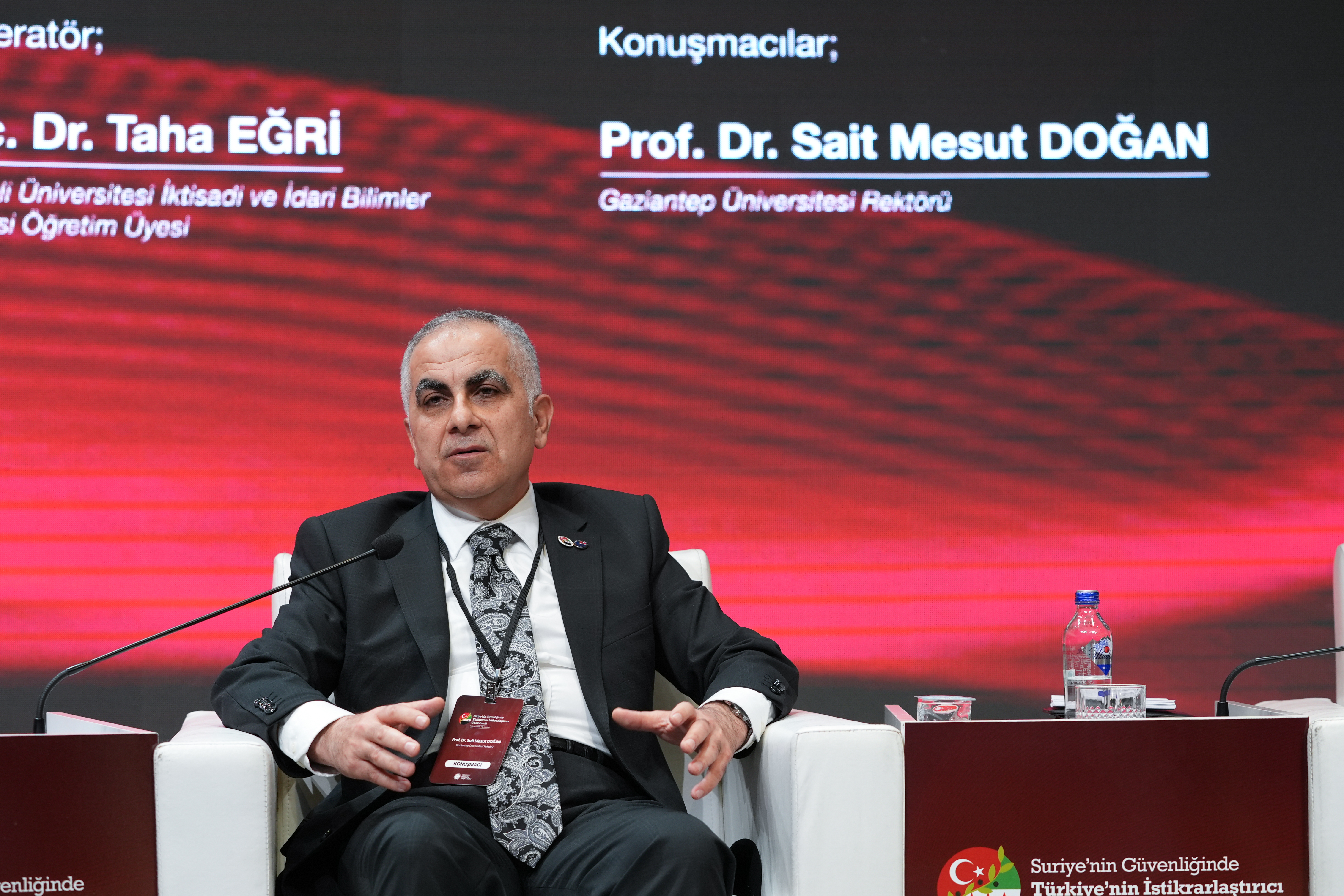
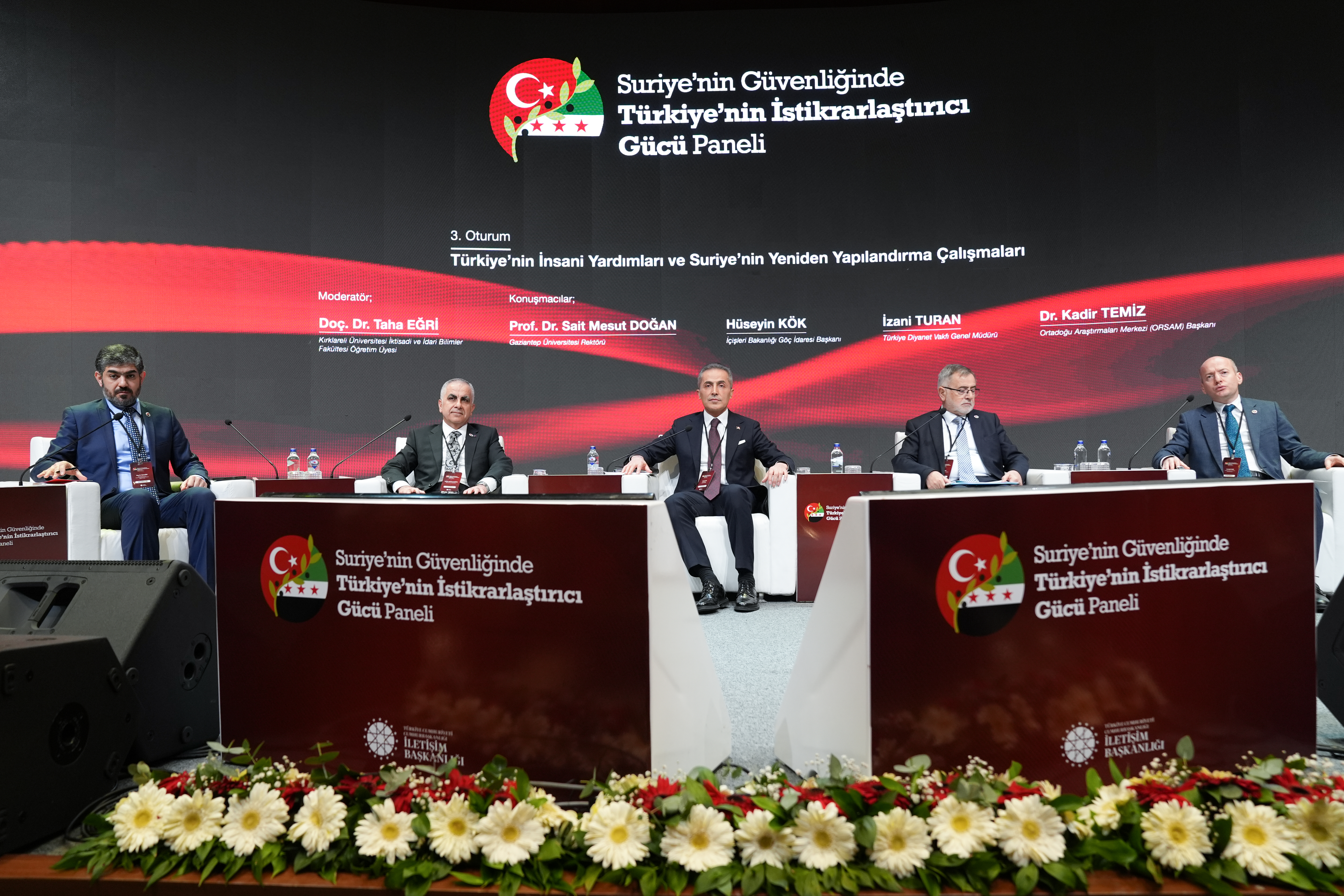
The panel on "Türkiye's Stabilising Power in Syria's Security," organised by the Presidency's Directorate of Communications, concluded.
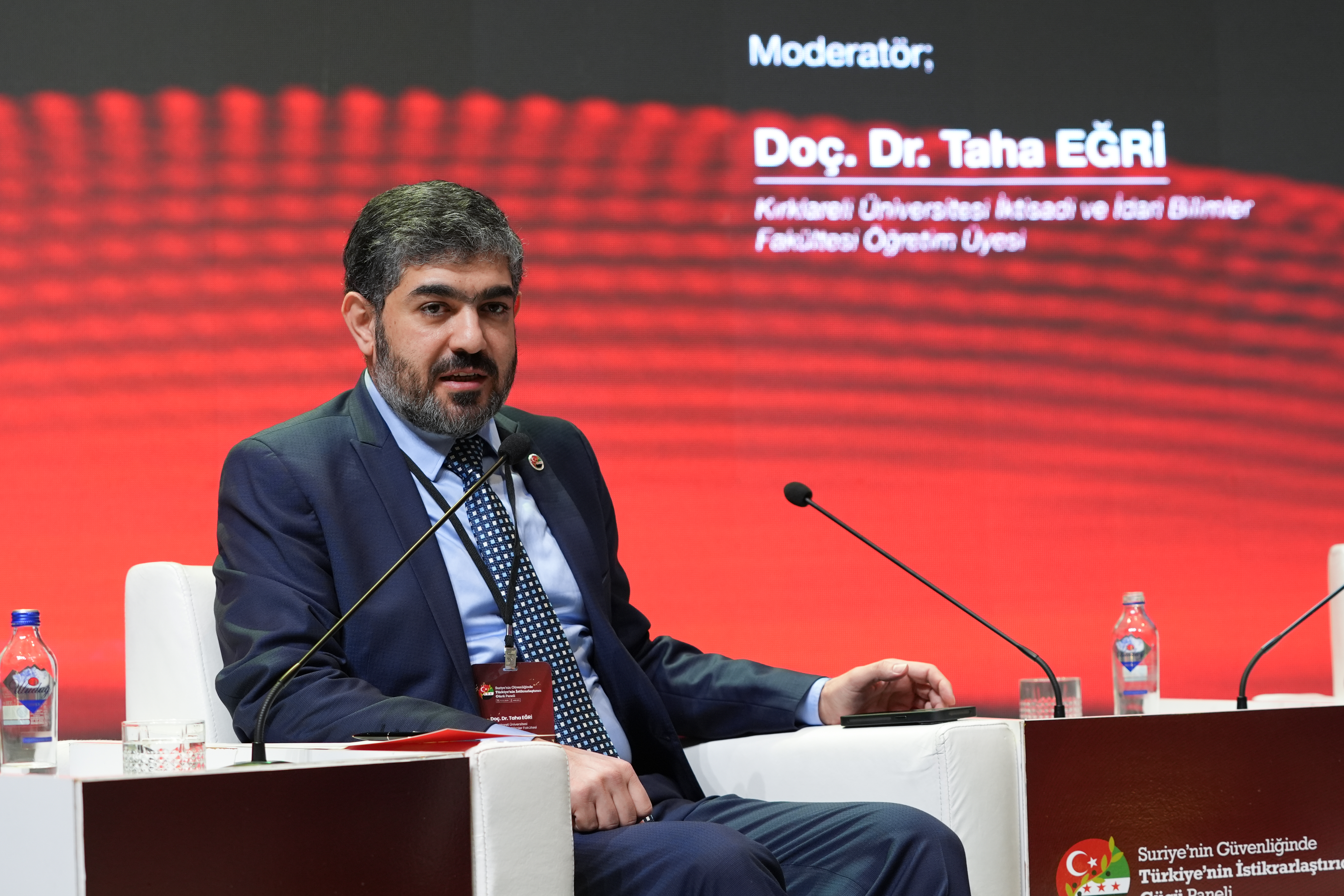
The third and final session, titled "Türkiye's Humanitarian Aid and Reconstruction Efforts in Syria," was held in the Conference Hall of the Directorate, moderated by Assoc. Prof. Taha Eğri, Faculty Member at the Faculty of Economics and Administrative Sciences of Kırklareli University.
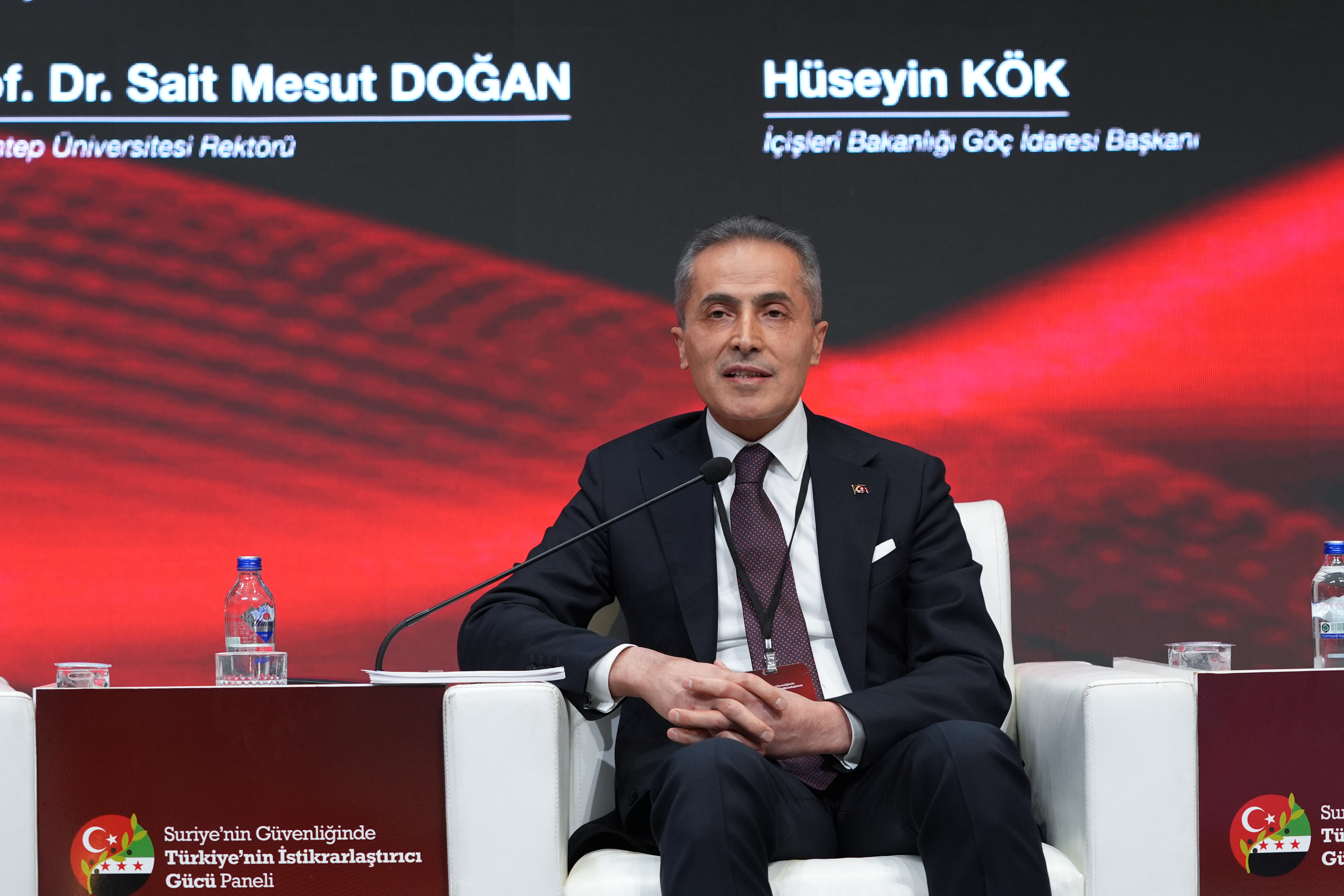
Speaking at the session, Head of Migration Management of the Ministry of Interior Hüseyin Kök addressed the process of Syrians' return to their country.
Stating that they have enhanced the border's capacity since December 2024 and that those who want to return to Syria should first schedule an appointment online, Kök stated, "The following day, our provincial directorates of migration management respond to the application and invite them to our provincial directorate. A 15-day migration permit is issued. Syrians who want to return to Syria safely are welcomed after receiving a travel permit and are provided with the requisite support by our officials. They sign a return form stating that they have returned to Syria safely and voluntarily."
"We conduct our activities there with 134 personnel"
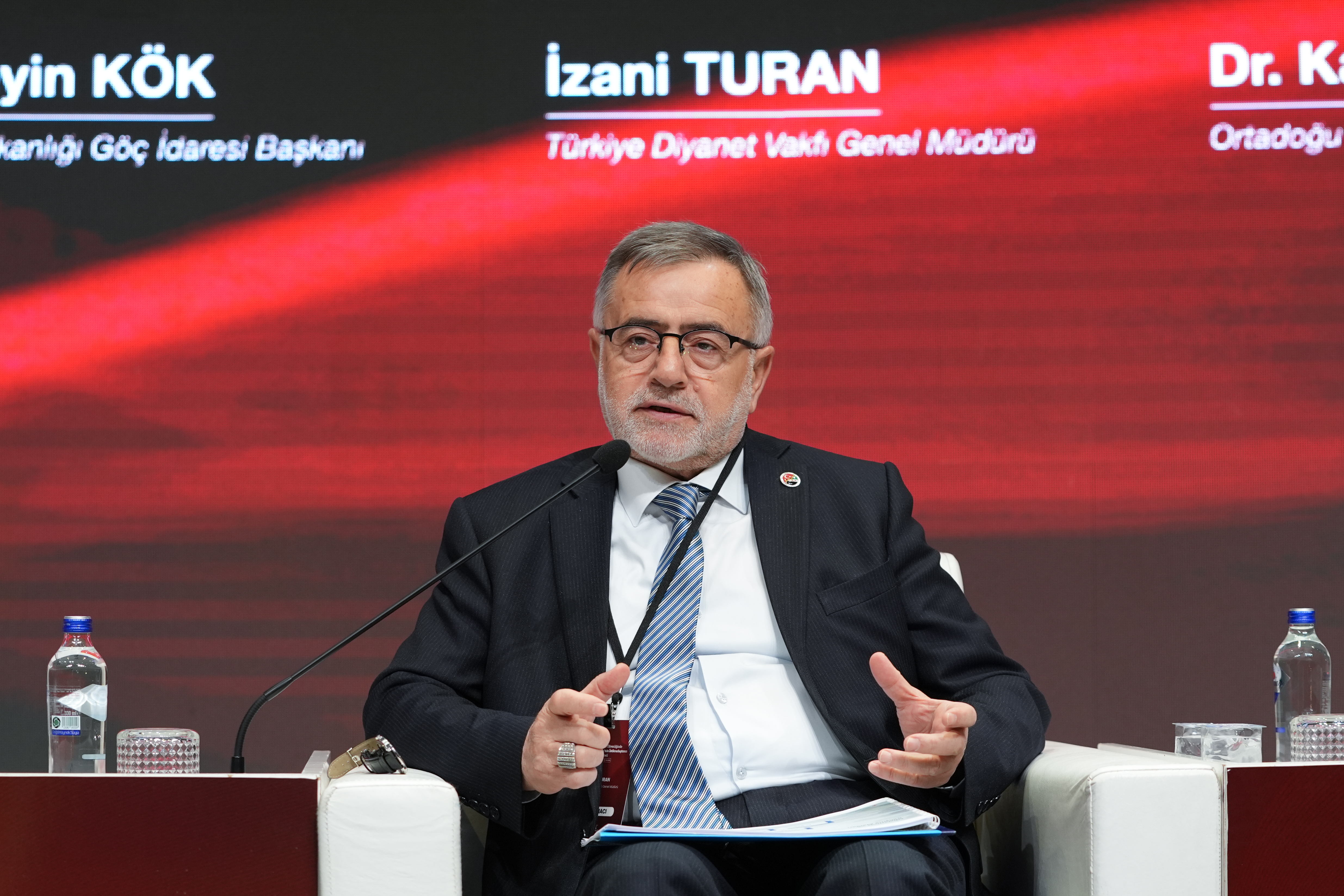
General Manager of the Türkiye Diyanet Foundation İzani Turan pointed out that they have been in Syria since 2011 and explained the humanitarian aid activities they have carried out in the region.
Turan briefed on the aid efforts in Syria, "We have two Turkish employees in our coordination office in Syria. We conduct our activities there with 134 personnel, the remainder of whom are entirely local. Our fields of activity include emergency humanitarian aid, Ramadan and Eid al-Adha activities, education, cultural activities, health, food, and shelter.''
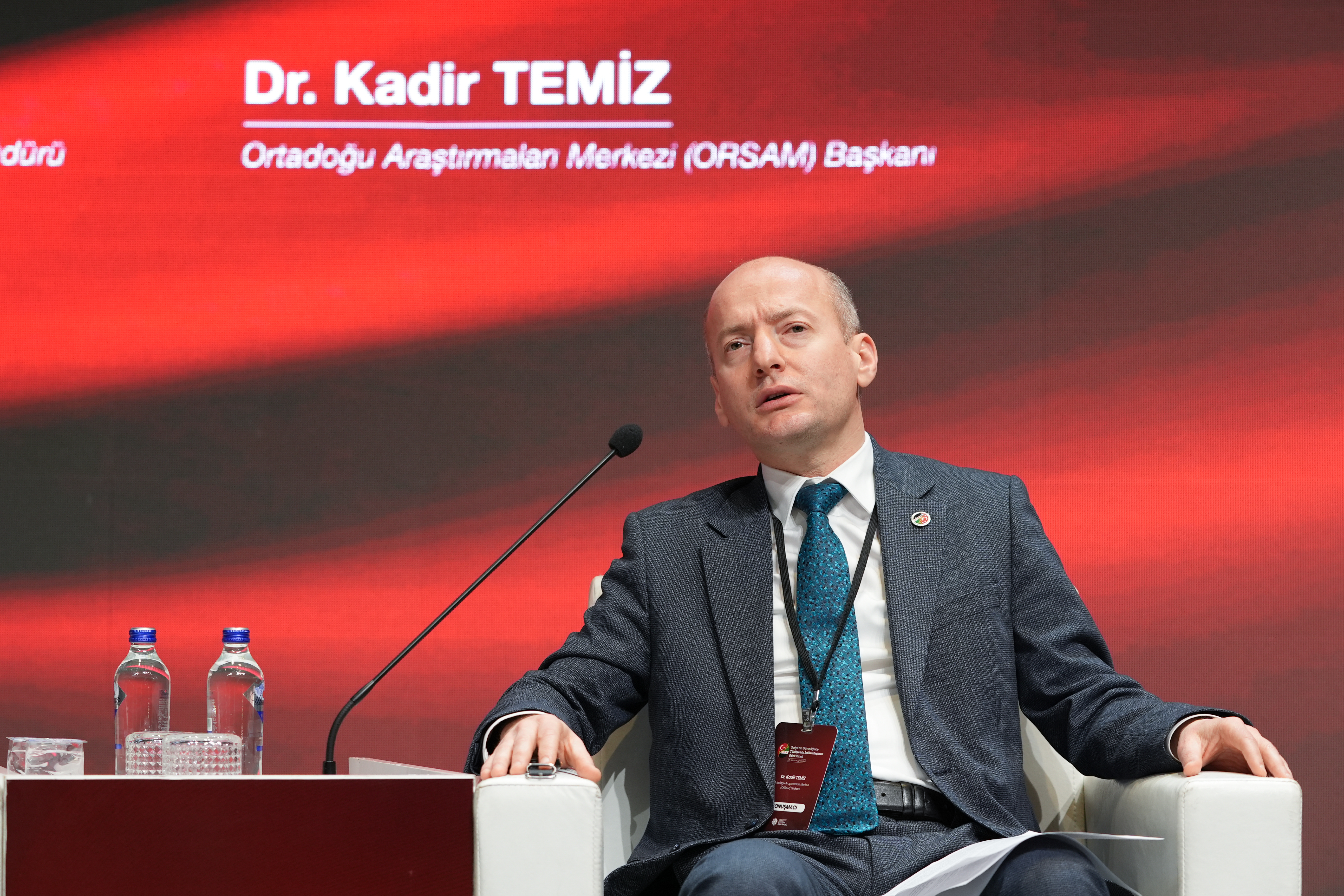
In his remarks, President of the Centre for Middle Eastern Studies (ORSAM) Asst. Prof. Kadir Temiz highlighted Türkiye's support in the reconstruction of Syria and provided details on the steps taken.
Temiz emphasised that two distinct policies are followed in Syria, "before the revolution and after the revolution," saying, "We are working not only in terms of humanitarian aid but also in the process of Syria's rebuilding, especially on security, economic development, and potential effects of this development on the new Syrian administration."
During the panel, Gaziantep University Rector Prof. Sait Mesut Doğan mentioned that their vocational school in Jarabulus has produced nearly a thousand graduates.
"Three faculties were established by Presidential Decree in 2019, namely the Faculty of Economics and Administrative Sciences in Al-Bab, the Faculty of Islamic Sciences in Azaz, and the Faculty of Education in Afrin, as well as a vocational school in Jarabulus," Doğan said, giving details about the departments that were opened in Syria.