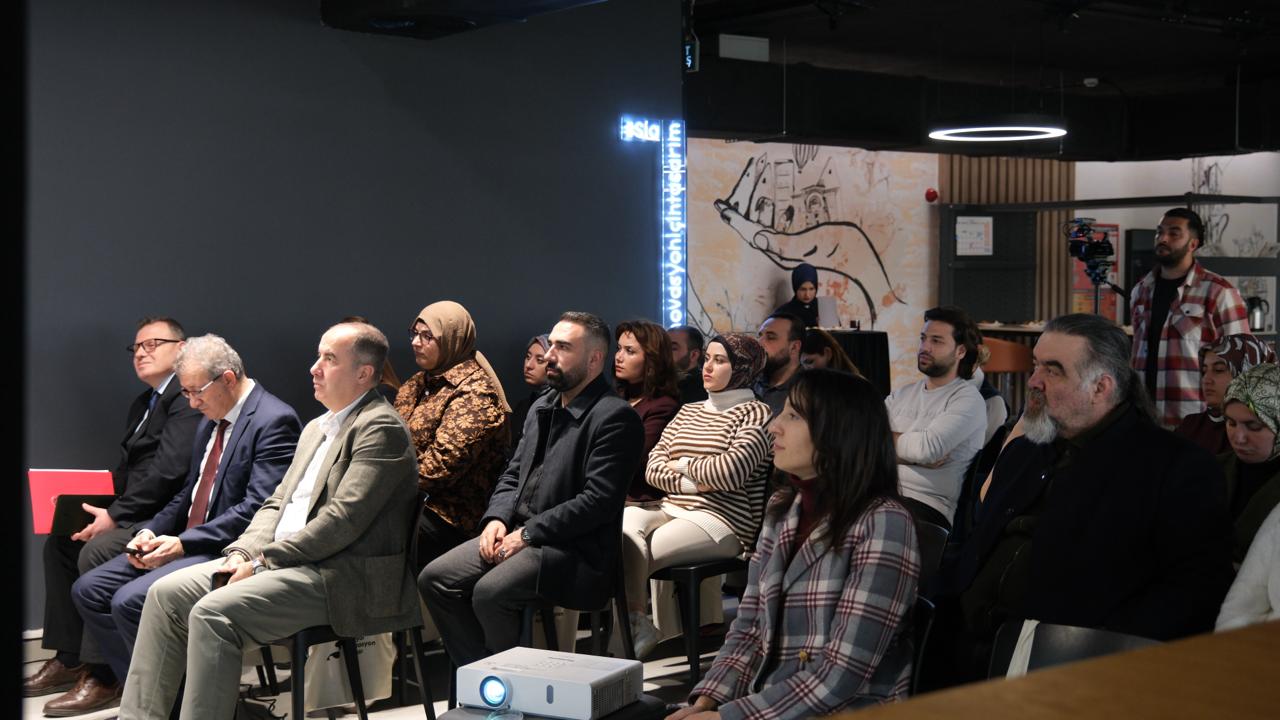
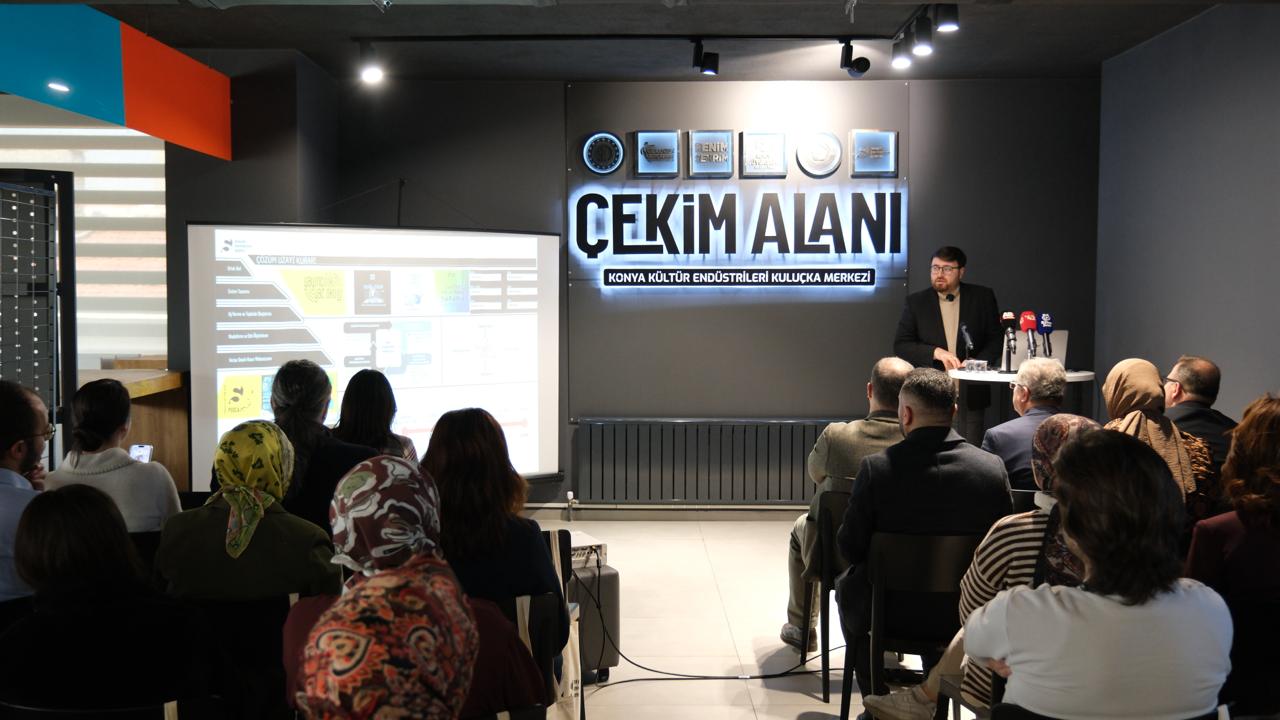
The briefing session for the “Disaster Journalism” project—successfully completed under the coordination of Selçuk University, with the Presidency's Directorate of Communication as a stakeholder, and in partnership with Radio and Television Supreme Council (RTÜK), Konya Metropolitan Municipality, University of Primorska (Slovenia), Kiev University (Ukraine), and University of Vigo (Spain)—was held at the Konya Metropolitan Municipality Social Innovation Agency.
The importance of accurate information in times of crisis emphasised
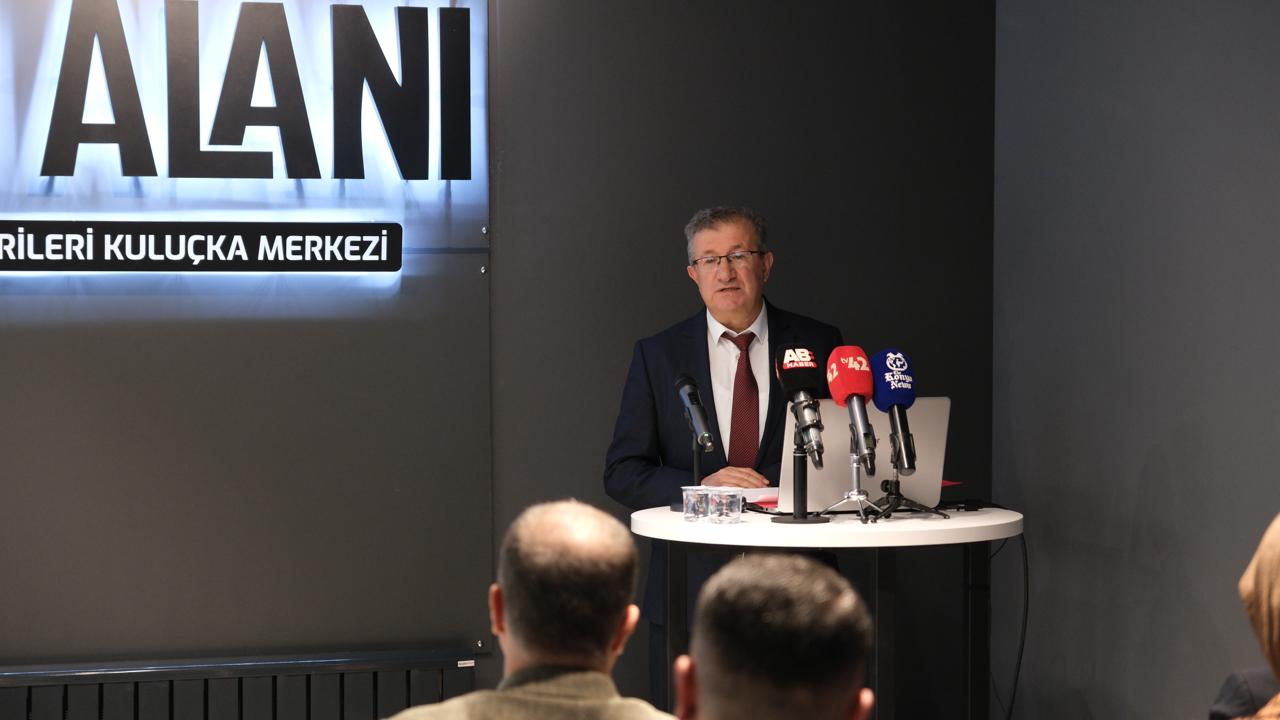
The programme kicked off with an opening speech by Tuncay Karabulut, Konya Regional Director of the Directorate of Communication. Karabulut underlined that the effective management of information flow during disaster periods is of vital importance, noting that the responsibility of the media increases significantly in times of crisis. He stated that misinformation and disinformation can cause panic within society and highlighted the importance of ethical and verified journalism.
The project outcomes shared
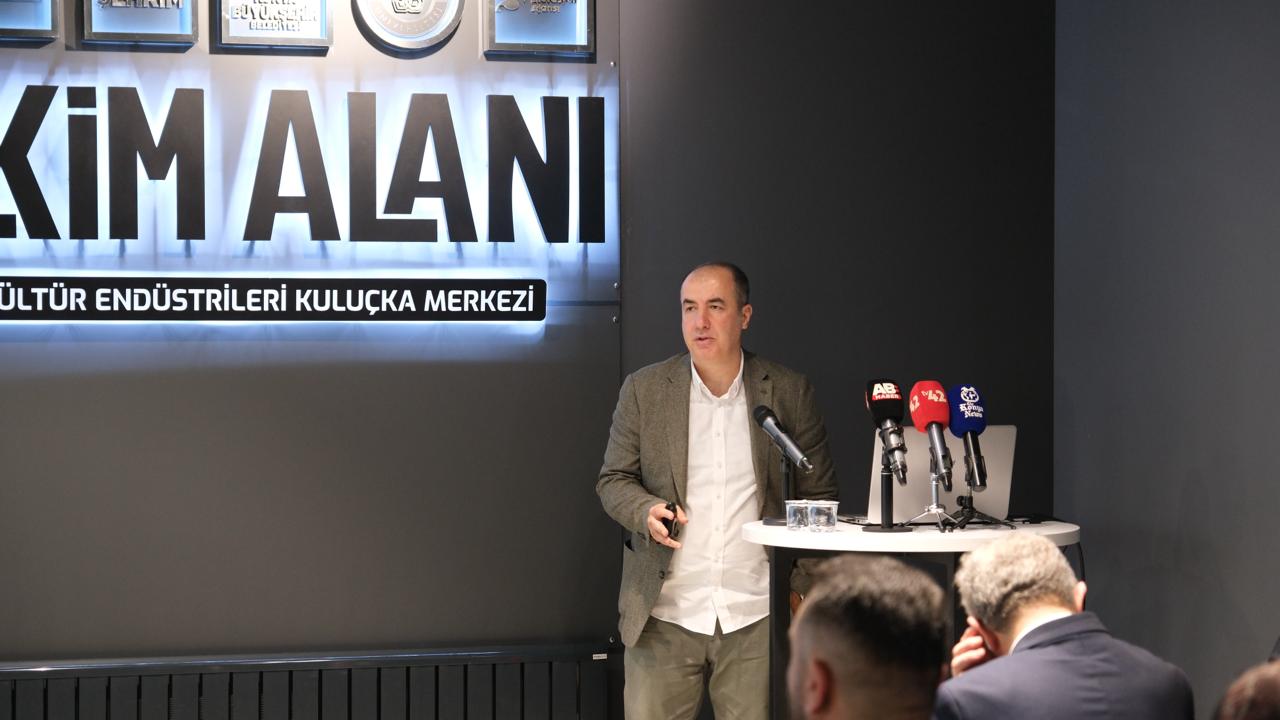
During the programme, Project Coordinator Prof. Abdulkadir Gölcü briefed participants on the core objectives of the project and its key outcomes. Noting that significant advances have been achieved within the framework of European Union projects aimed at establishing standards for disaster journalism, Prof. Gölcü stated that concrete outputs were produced regarding the proper management of information during crisis periods.
The project was carried out with the aim of designing standards for qualified and responsible journalism during times of disaster and crisis in order to prevent misinformation and disinformation. In this context, an open-access “Disaster Journalism Training Curriculum” was developed and published to promote accurate, timely, reliable, and ethical public awareness—particularly targeting students of the Faculties of Communication and professionals working in journalism.
Implemented through an international partnership
Through the project titled “Disaster Journalism: Preventing the News from Turning into a Disaster”, supported under the European Union Erasmus+ Programme; conducted with the Presidency's Directorate of Communications as a stakeholder; coordinated by Selçuk University Faculty of Communication; and implemented in cooperation with the Radio and Television Supreme Council (RTÜK), Konya Metropolitan Municipality Social Innovation Agency, University of Primorska (Slovenia), Kyiv University (Ukraine), and University of Vigo (Spain), the fundamental principles that journalists should consider when reporting on disasters were comprehensively outlined. Good practice examples and common standards for disaster journalism were developed.
An open-access curriculum for disaster journalism
As part of the project, which aims to prevent misinformation and disinformation during disasters and crises, a framework defining the standards of qualified and responsible journalism in times of crisis was established. Accordingly, an open-access “Disaster Journalism Training Curriculum” was developed and shared, particularly for students of Faculties of Communication and journalists.