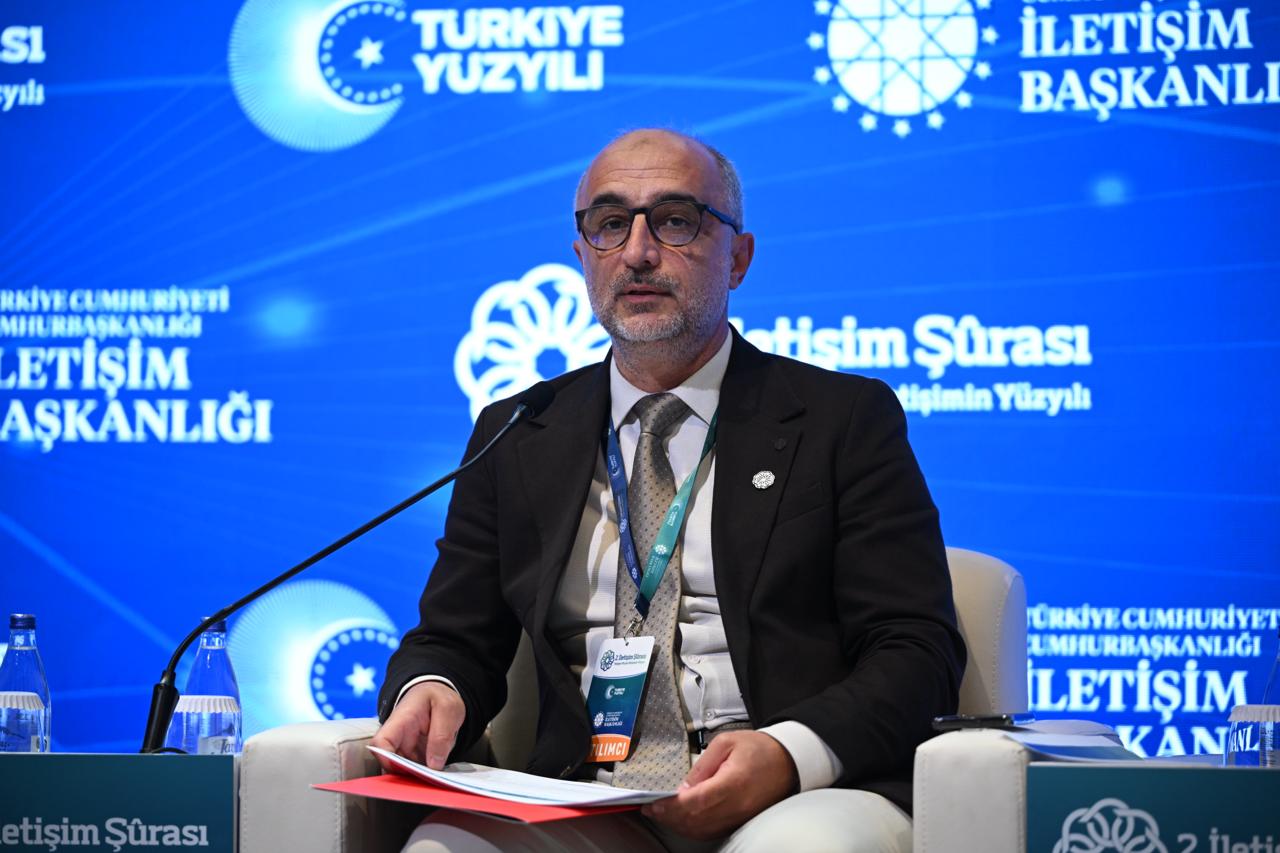
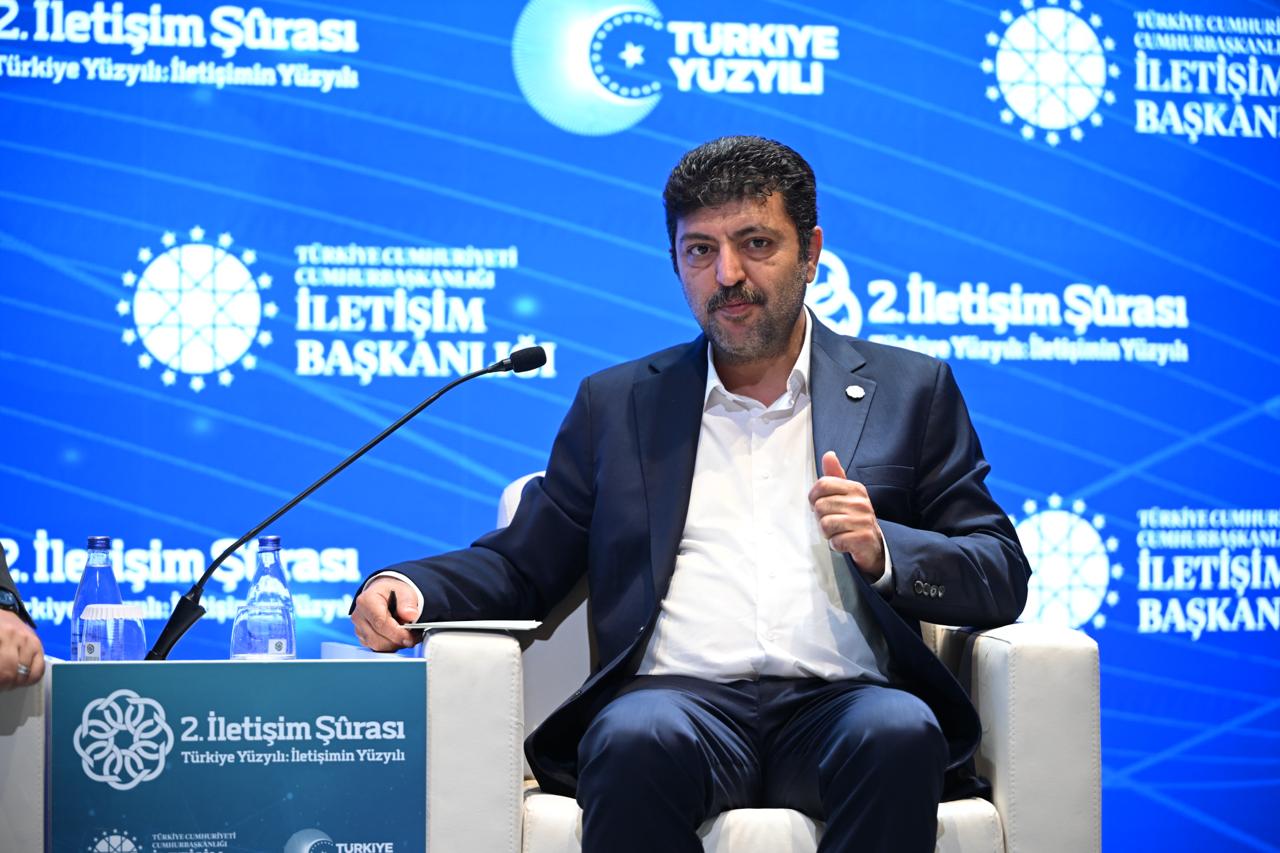
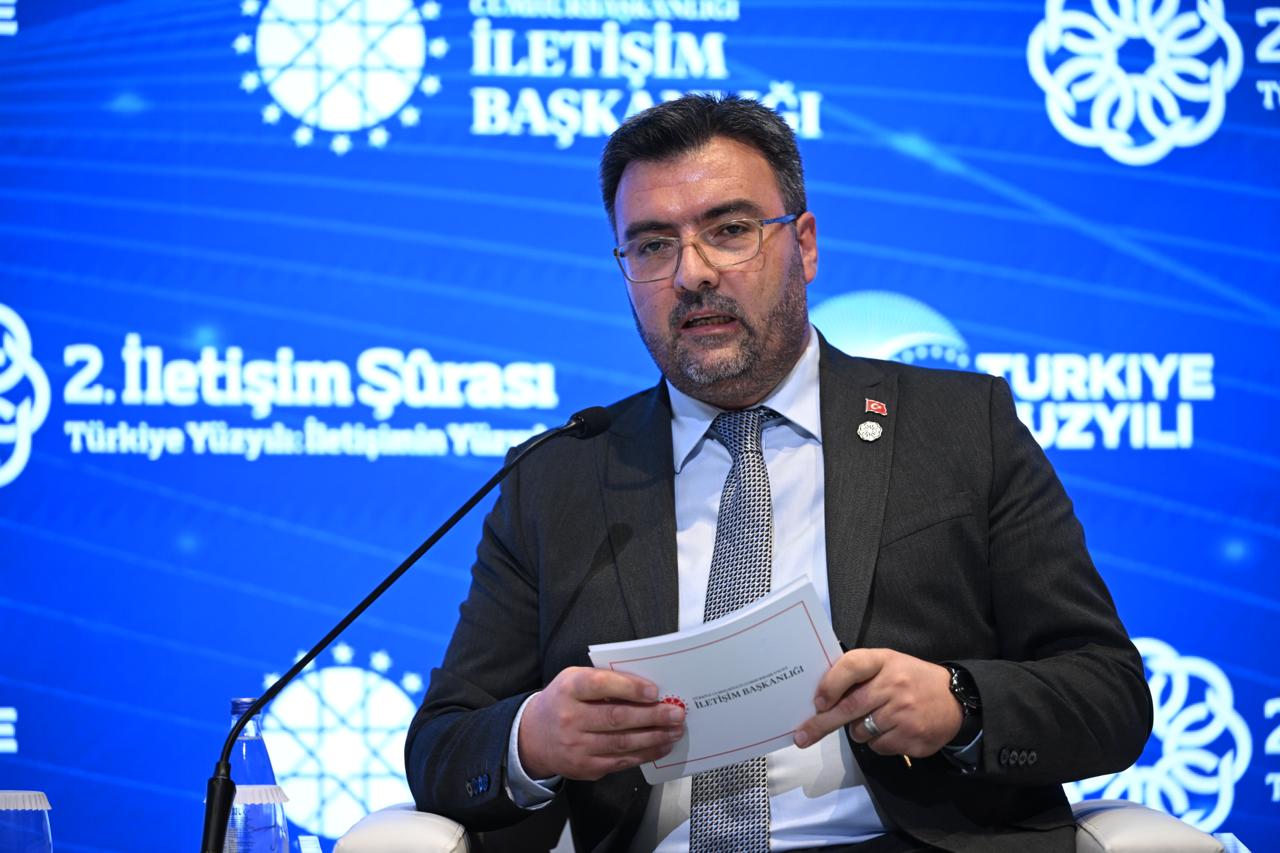
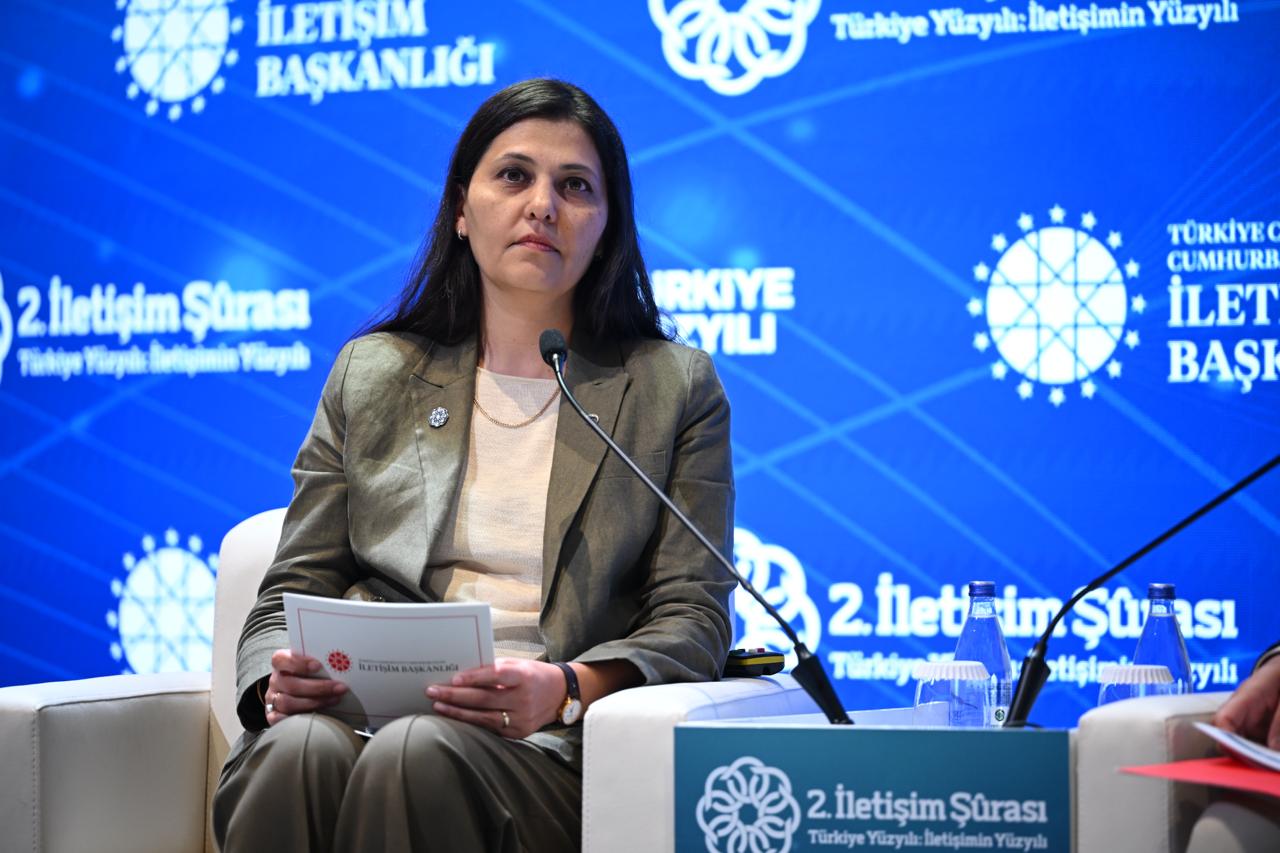
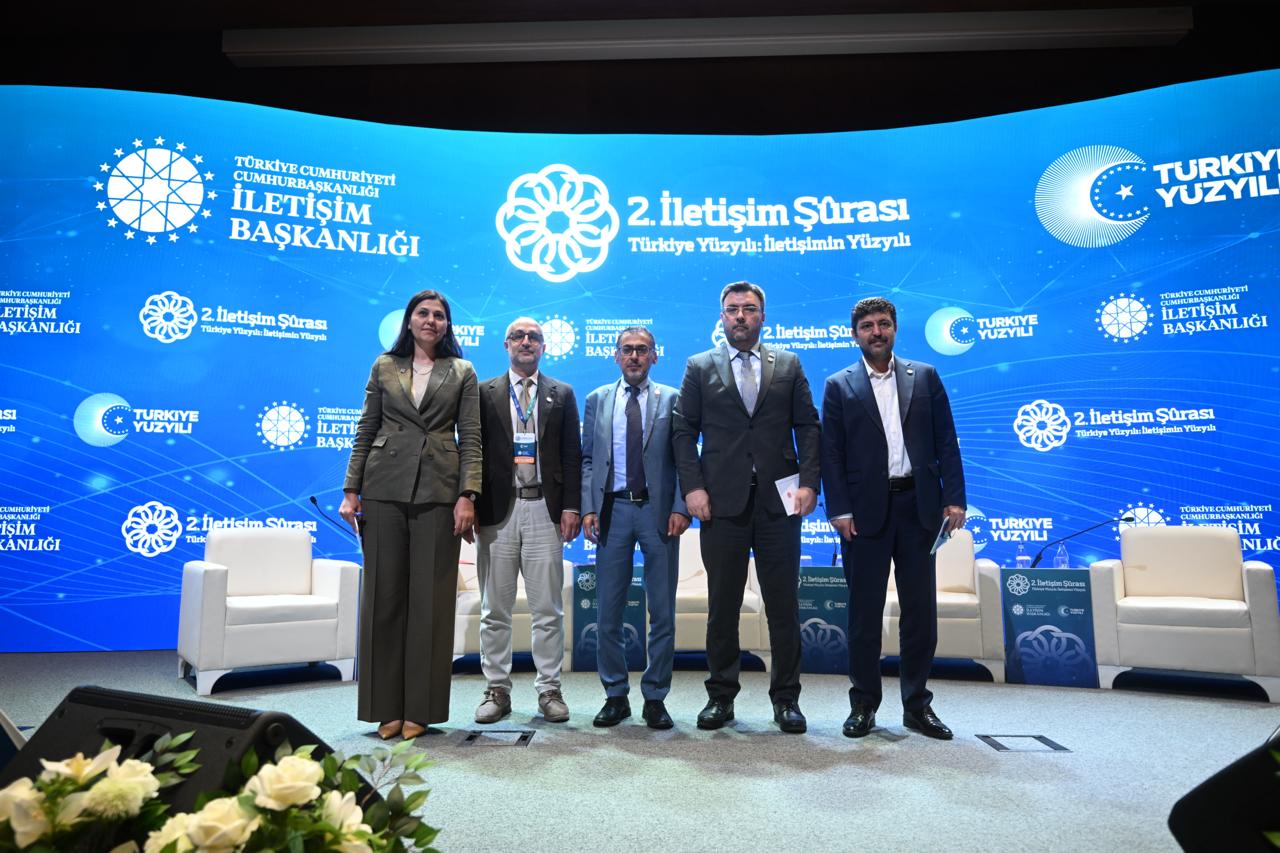
Reports and policy recommendations prepared following the working group meetings held as part of the Second Communications Council, organised by the Presidency's Directorate of Communications, were discussed during the final session of the day under the theme “Digitalisation, Society and Cultural Production.”
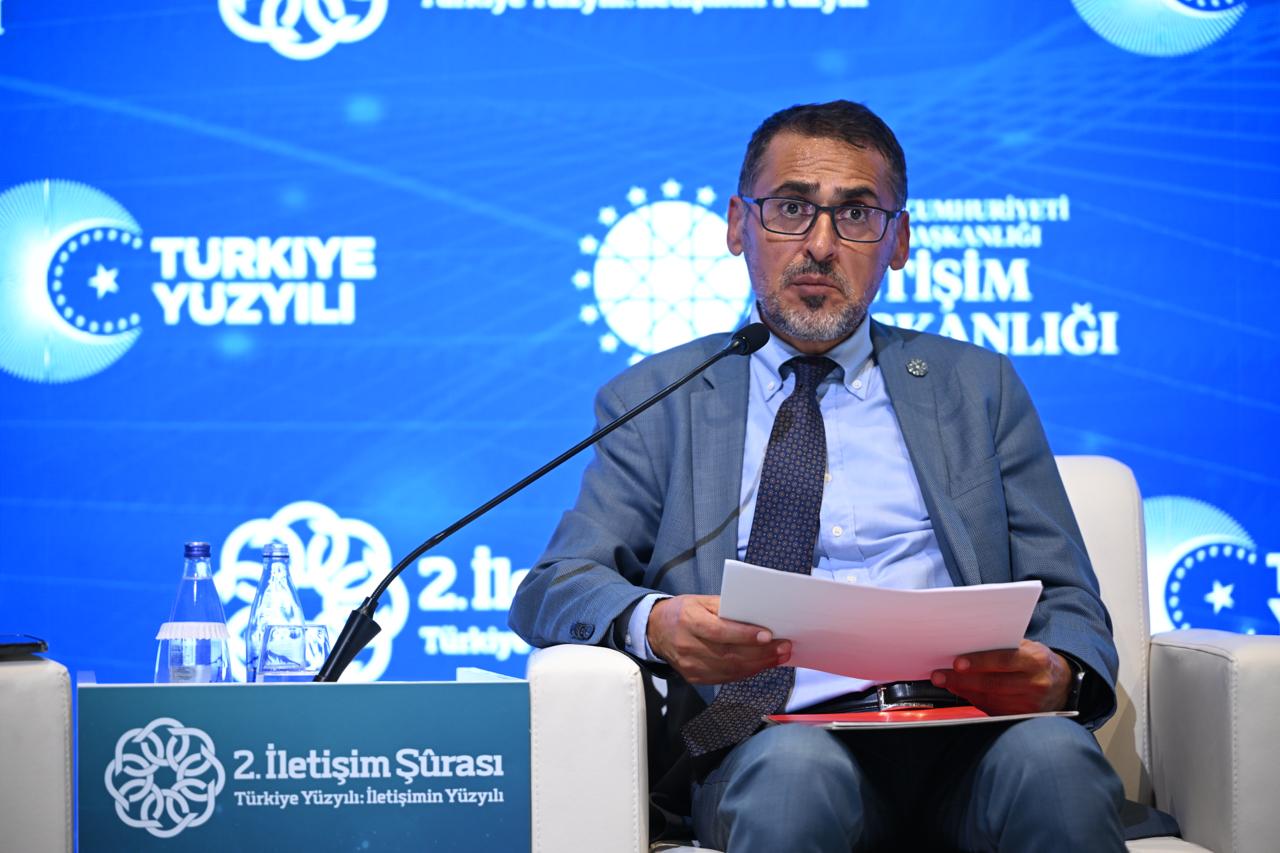
In the final session, moderated by Olga Şanlı Gerger, Head of the Department of Translation at the Presidency’s Directorate of Communications, reports and policy recommendations prepared by different working groups were shared with the public, while Prof. Mehmet Emin Babacan, Dean of Marmara University’s Faculty of Communication; Prof. Enderhan Karakoç, Dean of Ankara Yıldırım Beyazıt University’s Faculty of Communication; Kasım İleri, Head of the Department of Strategic Communication and Crisis Management at the Presidency’s Directorate of Communications; and Aslan Değirmenci, Digital Media Coordinator at the Presidency’s Directorate of Communications, delivered presentations on the working groups’ outputs.
Prof. Mehmet Emin Babacan, Dean of Marmara University’s Faculty of Communication, stated the following in his presentation on behalf of the “Individual and Society in the Digital Age” Working Group:
“Artificial intelligence and digitalisation should be considered not as areas separate from social life, but as integral components of existing social life.”
Presenting on behalf of the ''Film and Cinema Studies'' Working Group, Prof. Enderhan Karakoç, Dean of the Faculty of Communication at Ankara Yıldırım Beyazıt University, stated that strengthening Turkish cinema would only be possible through a holistic and sustainable support policy encompassing the entire process, from production and distribution to screening and archiving, adding:
''Authentic and original productions that reflect cultural heritage, family values, and collective memory should be encouraged.''
Speaking on behalf of the ''Disaster and Crisis Communication'' Working Group, Kasım İleri, Head of the Strategic Communication and Crisis Management Department at the Presidency's Directorate of Communications, stated that disinformation during disasters and crises originates predominantly not from conventional media but from digital media platforms, stressing the following:
''Every institution should establish its own communications team, and institutional representatives should know one another before disasters occur.''
Delivering a presentation on behalf of the ''Digital Platforms, Social Media and Artificial Intelligence'' Working Group, Aslan Değirmenci, Digital Media Coordinator at the Presidency's Directorate of Communications, stated that the Communications Council should be transformed into a permanent strategic mechanism that continuously monitors developments in the digital and social media ecosystem, follows AI-driven transformations in communication, and helps shape national communication policies. He went on to make the following remarks on digital communication:
''A comprehensive national communication strategy should be developed to ensure that digital communication, social media, and artificial intelligence policies are implemented in line with common objectives.''
During the final session, working group recommendations on the social impacts of digital transformation, cultural production, disaster and crisis communication, digital platforms, and artificial intelligence were presented to participants, while strategic proposals aimed at strengthening communication policies in line with the needs of the digital age and mindful of societal values were also shared.