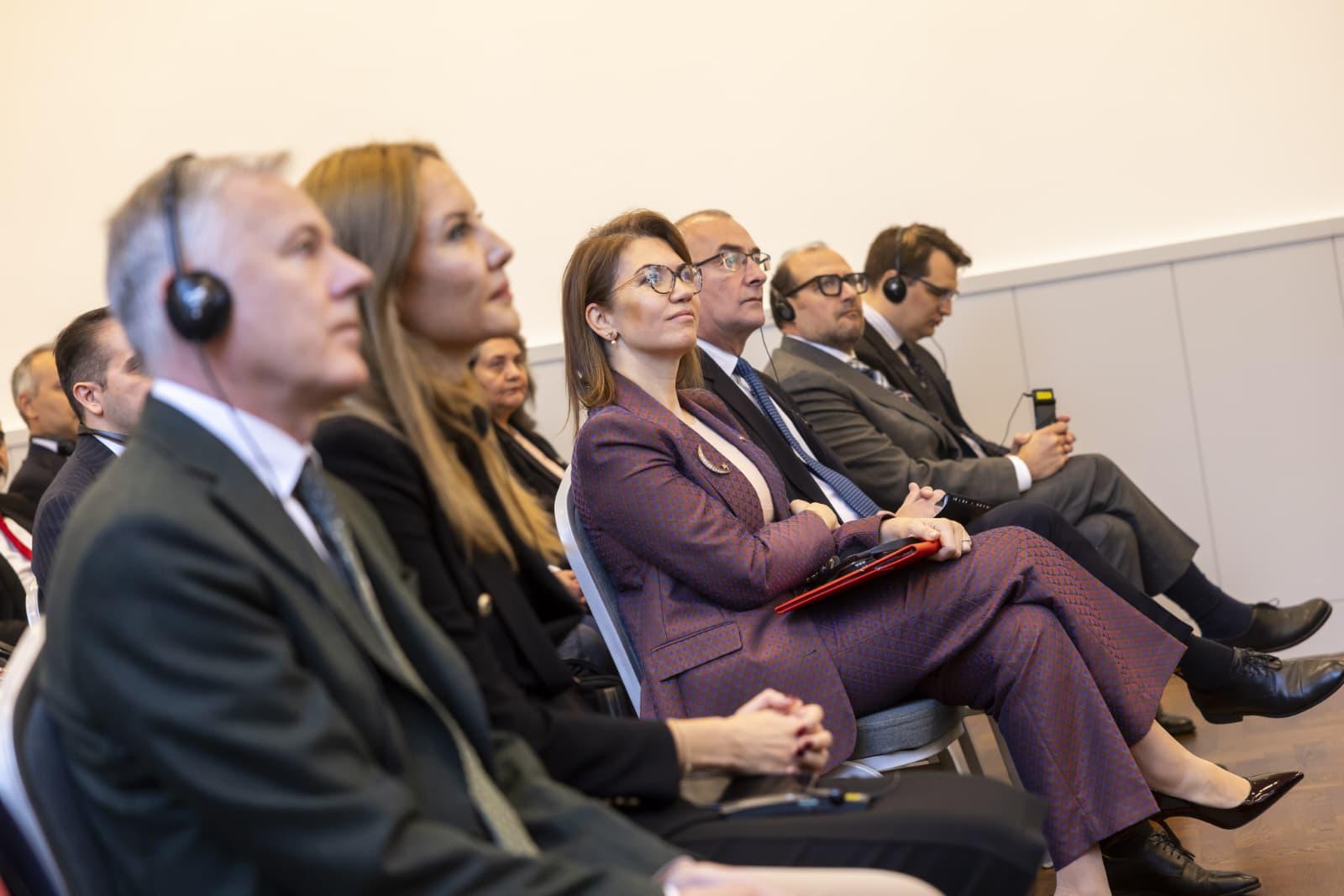
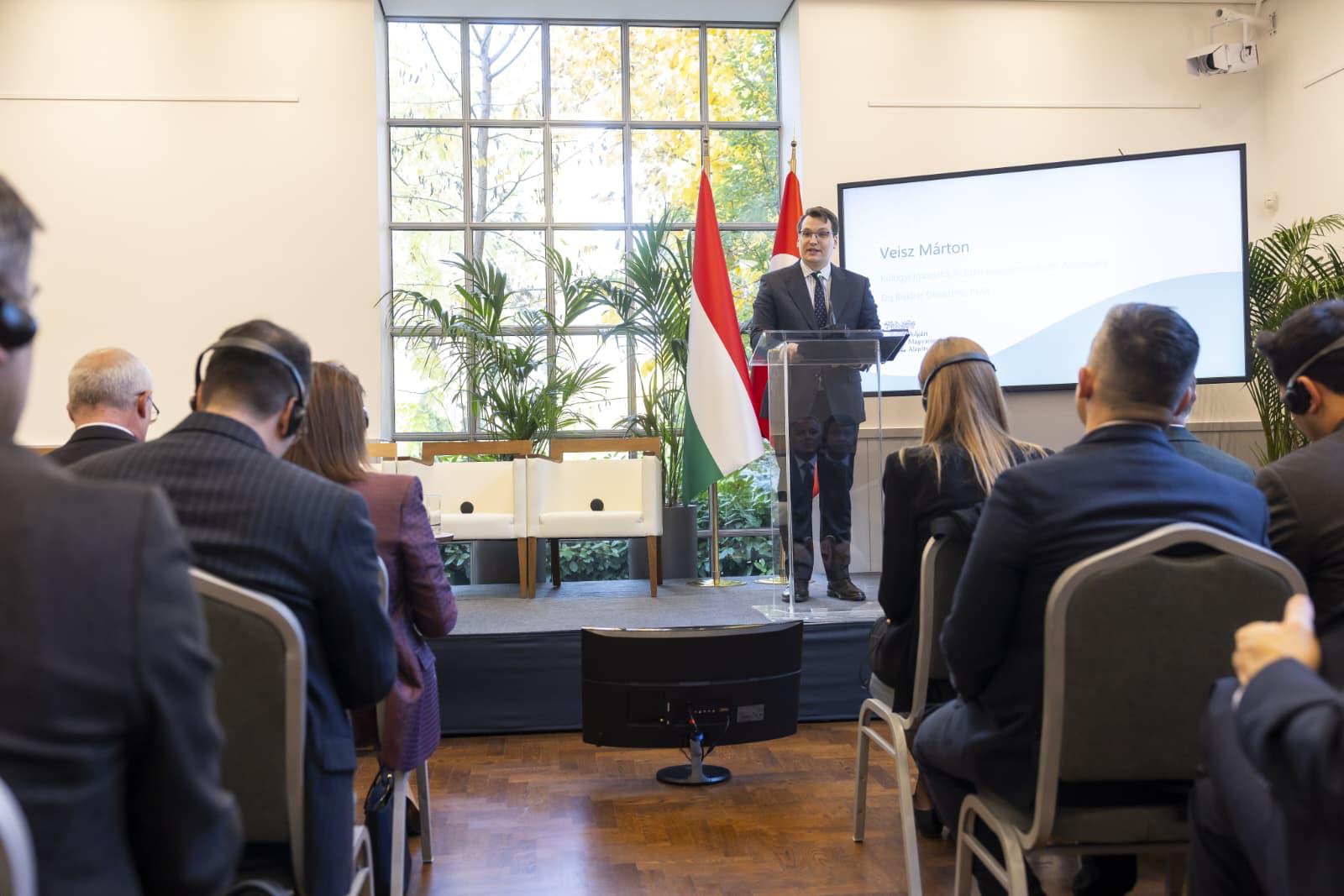
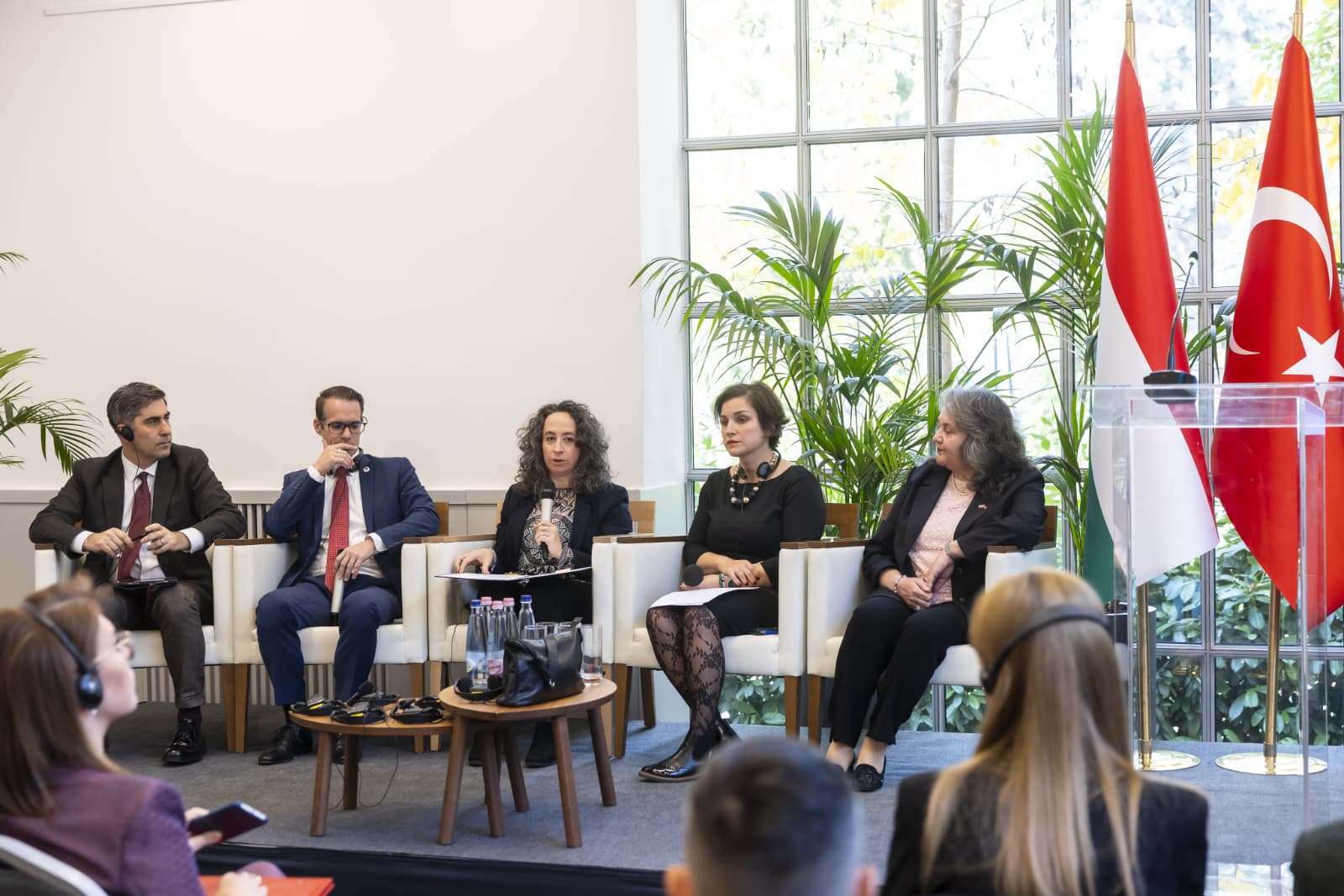
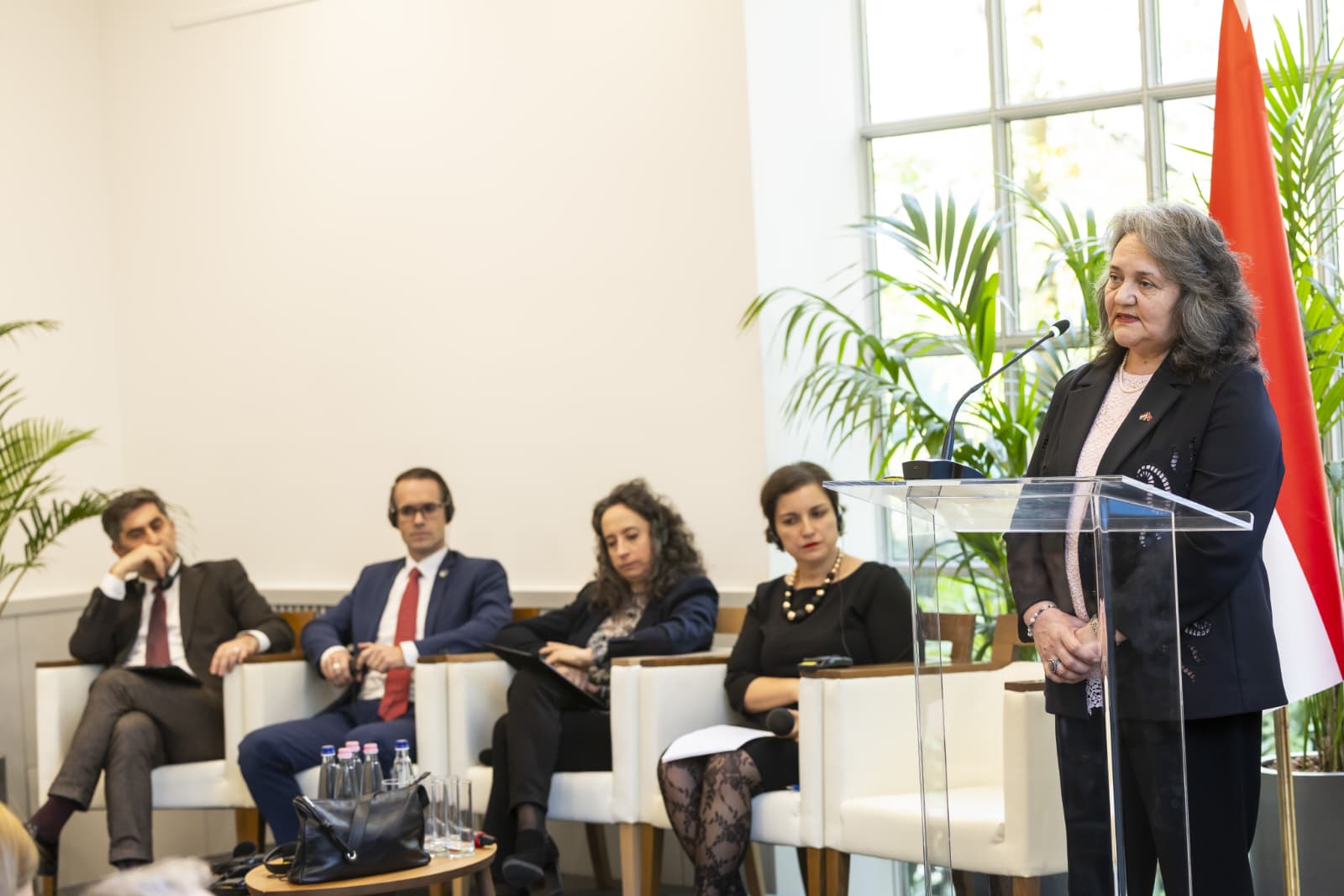
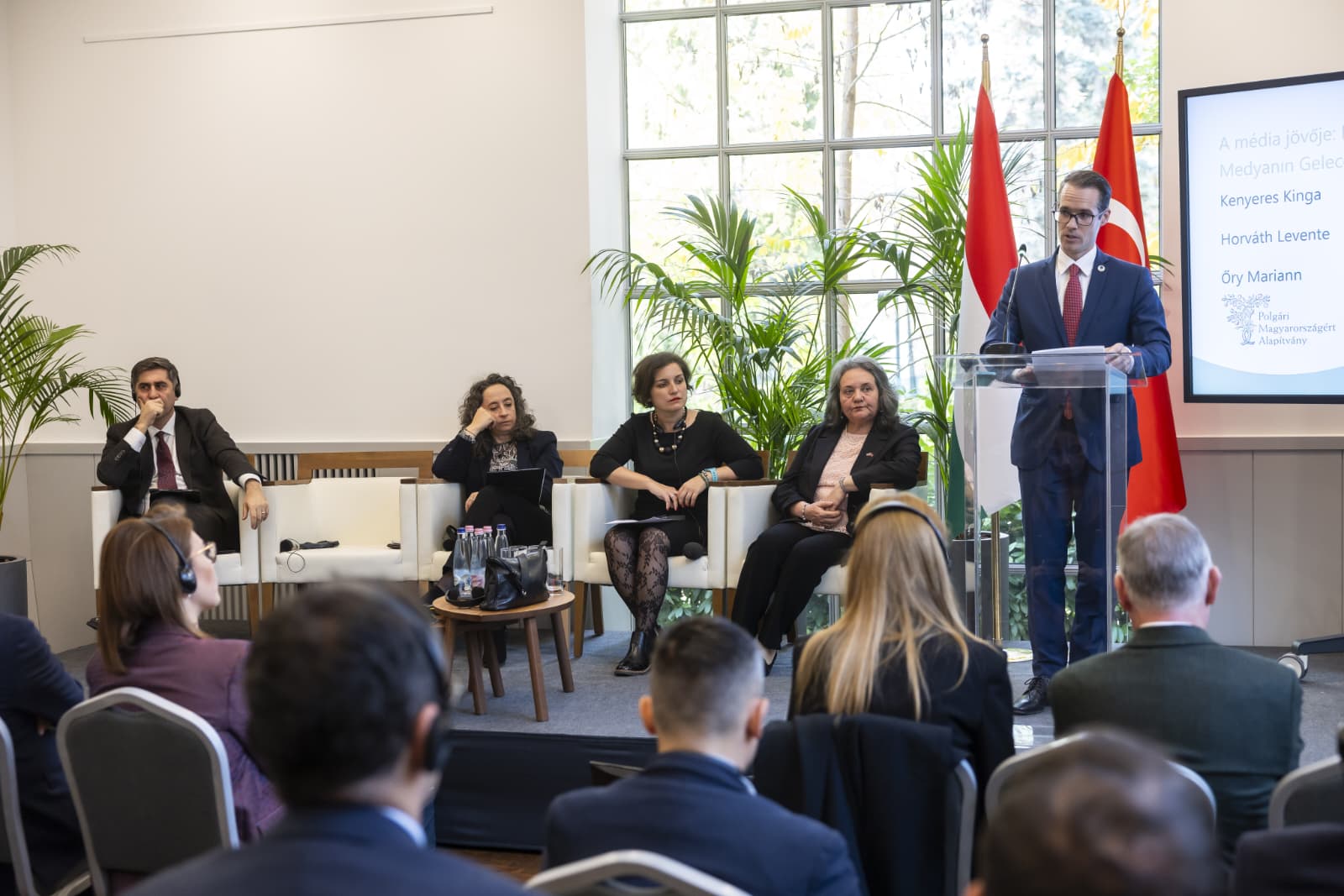
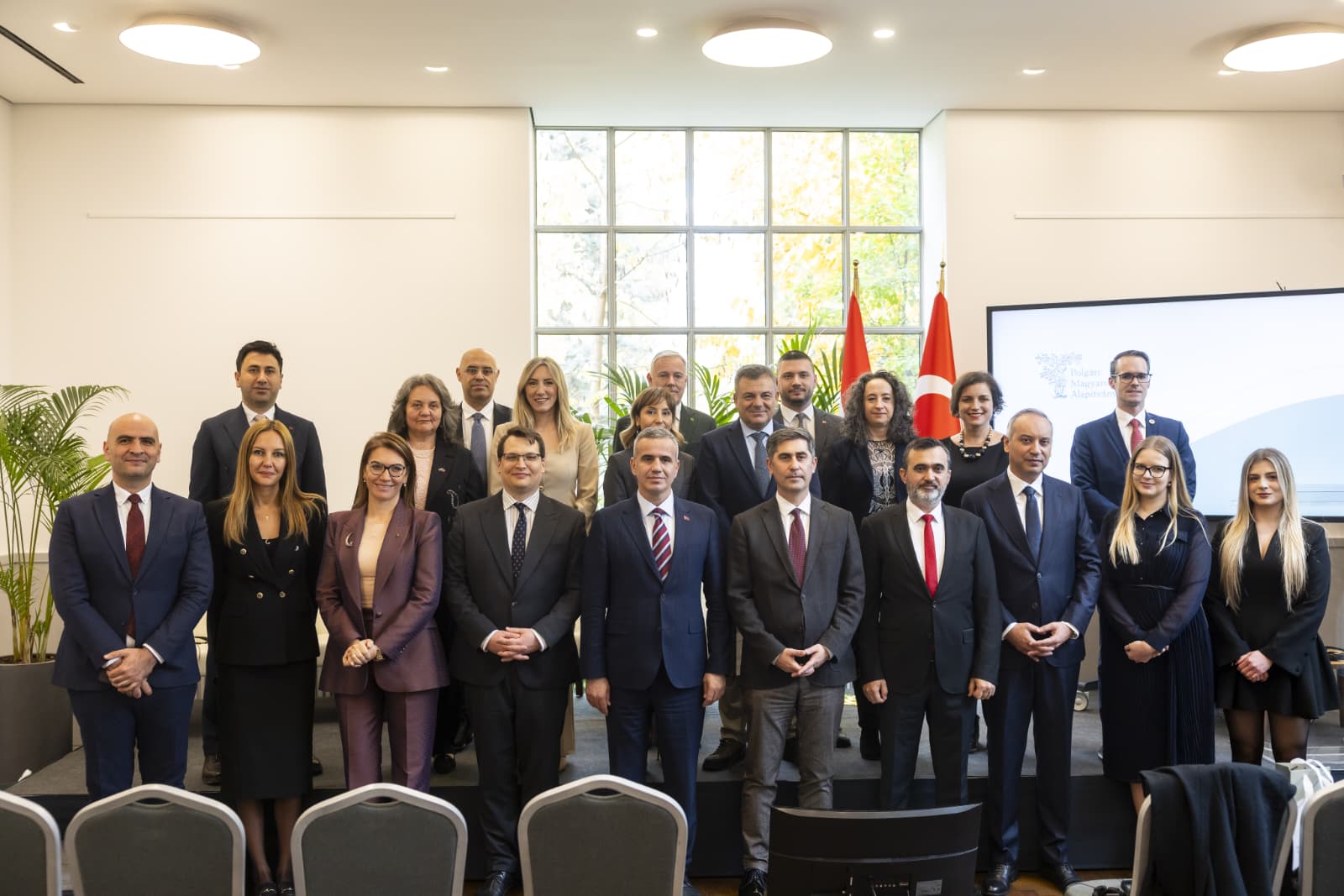
The second phase of the “Türkiye–Hungary Media Bridges” project — conducted jointly by the Directorate of Communications and the Foundation for a Civic Hungary (PMA), following the completion of its first phase in Istanbul in June — was held in Budapest and featured two panels: “The Future of Media – Trust, Truth, Technology” and “Strategic Partnership in a Fragmented World.”
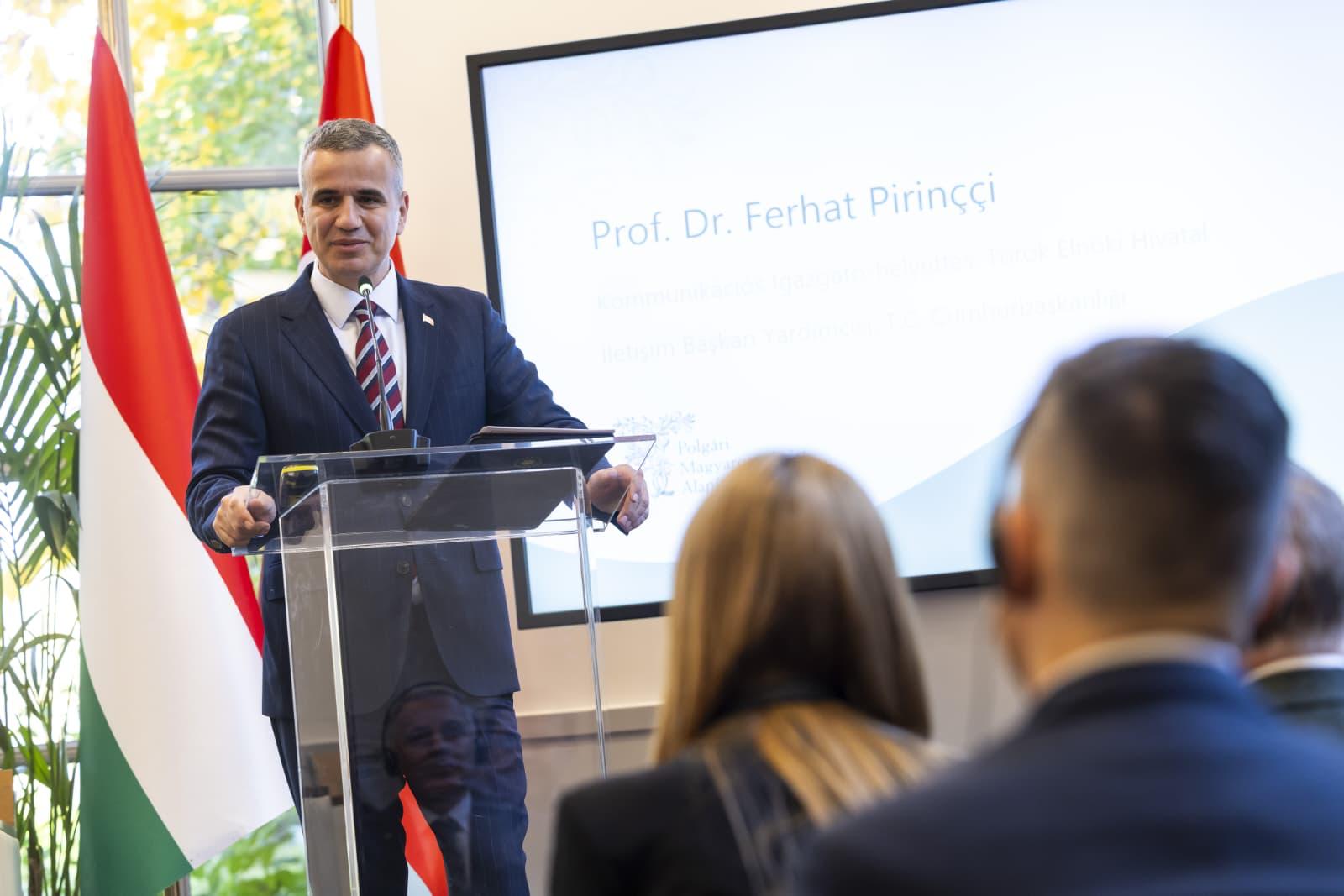
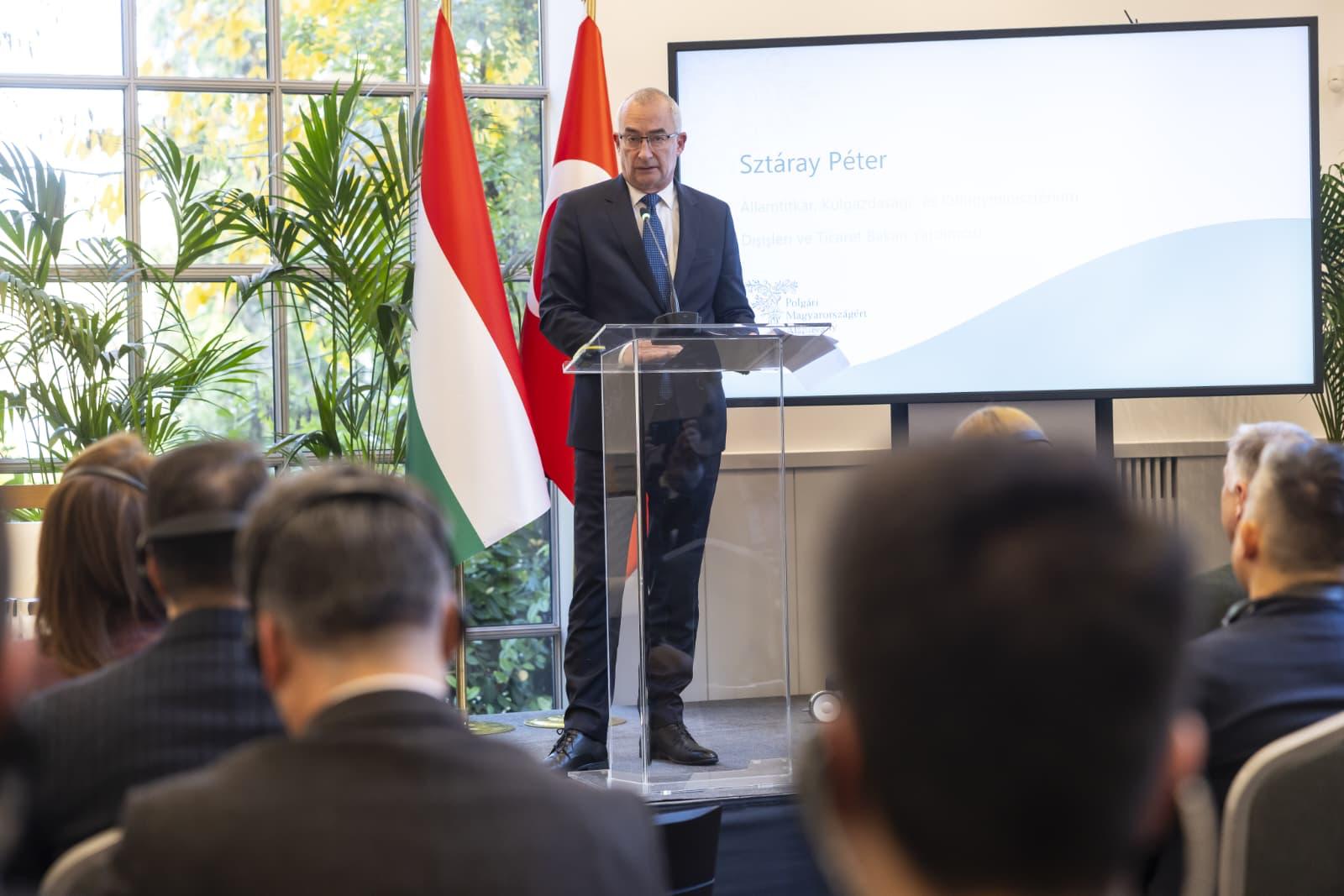
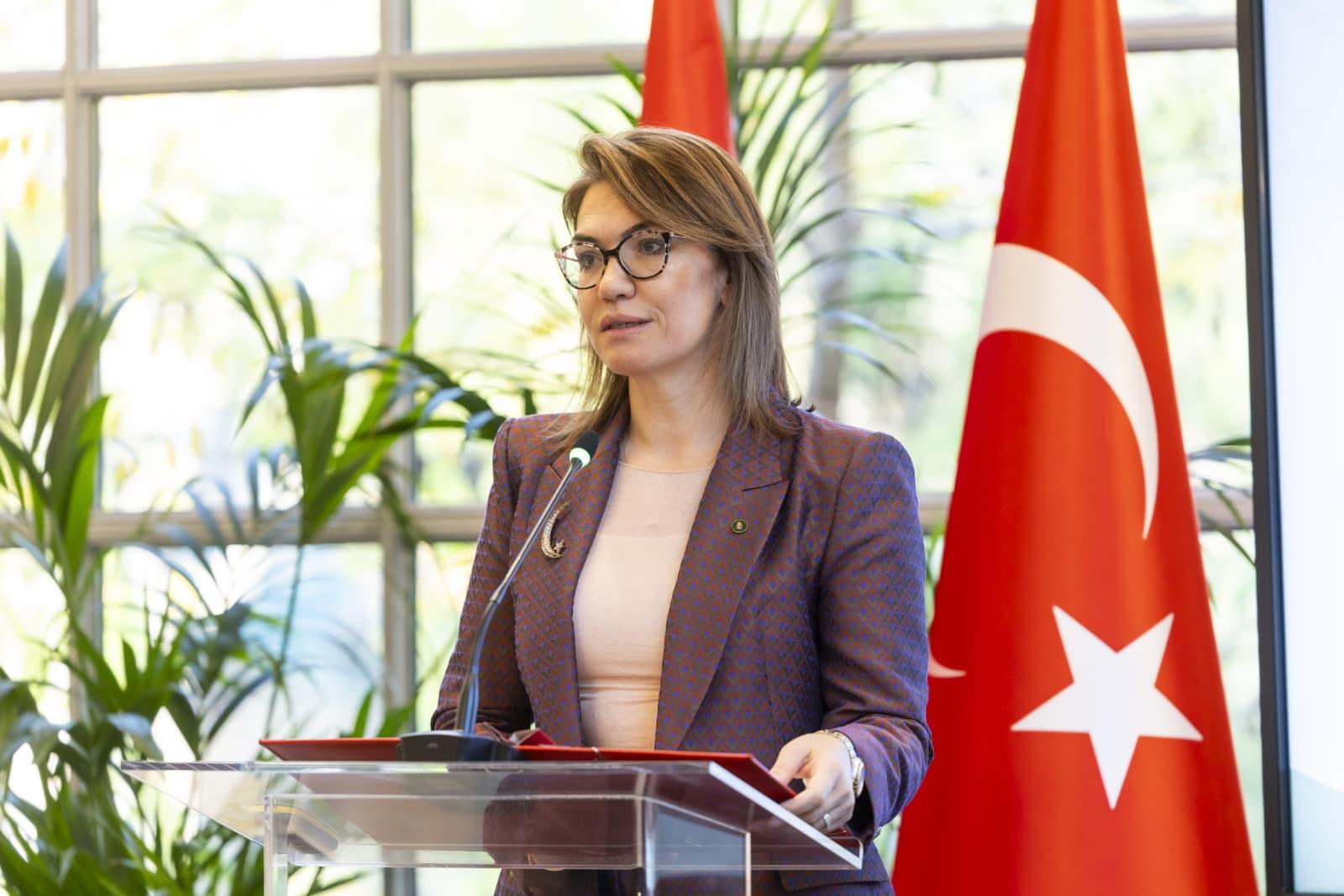
The event began with welcoming remarks by Türkiye’s Ambassador to Budapest, Gülşen Karanis Ekşioğlu, and PMA’s Director of Foreign Affairs, Veisz Marton. The opening speeches were delivered by Prof. Ferhat Pirinççi, Deputy Head of Communications, and Peter Sztaray, State Secretary for Security Policy at the Ministry of Foreign Affairs and Trade of Hungary.
"Safeguarding the truth is a shared responsibility for all of us”
During his speech, Deputy Head of Communications Pirinççi stated that relations between Türkiye and Hungary carry not only bilateral aspects but also regional and global dimensions.
Pirinççi emphasised that the friendship between the two countries is based not only on “deep inter-state diplomacy” but also on profound cultural ties between their peoples, adding that this centuries-old shared past has now evolved into a strong foundation that makes the two countries strategic partners.
Highlighting that Türkiye strives to build a communication order based on truth and trust together with friendly nations, Deputy Head of Communications Pirinççi underlined that international cooperation in the field of media is regarded not only as information sharing but also as the construction of a communication culture grounded in peace, trust and mutual respect.
Pirinççi stated that recent global developments have further increased the media’s responsibility, noting: “Today, information spreads rapidly; however, accuracy unfortunately does not advance at the same pace. Disinformation has become a threat to societies, inter-state relations, and even regional stability. Therefore, every step taken in the field of media ultimately serves to safeguard democracy, peace, and human dignity.”
Emphasising that Türkiye is making significant strides in this area and that the Directorate of Communications has established an institutional framework for the fight against disinformation, Pirinççi continued:
"We are striving to prevent not only misinformation but also deliberate manipulation. Yet we know that this struggle cannot be won through the efforts of a single country alone. Safeguarding the truth is a shared responsibility for all of us. In this regard, the cooperation between friendly countries such as Türkiye and Hungary can serve as an example at the international level.”
Pirinççi underlined that, in a period marked by crises, the two countries’ relations—built on mutual respect—provide a foundation for stability, and added: "Undoubtedly, the leader-to-leader diplomacy pursued by Prime Minister Viktor Orbán of Hungary and our President Recep Tayyip Erdoğan has greatly contributed to the emergence of this environment of stability. I believe that following the direction set by the two leaders, we—as bureaucrats, media professionals, and academics—will work diligently to further enhance Türkiye–Hungary relations.”
Highlighting the profound historical and cultural ties between Türkiye and Hungary, Pirinççi said: "The shared cultural heritage that extends from Gül Baba to Béla Bartók, and from Yunus Emre to Franz Liszt, is the most vivid reflection of the two nations’ desire to understand one another. Today, we are reinterpreting this heritage in the language of the era, through the media."
"The distant kin bound to us by ancestral ties extending to Central Asia"
Ambassador Karanis Ekşioğlu shared the view that the aim of the Türkiye-Hungary Media Bridges project is not only to bring together the media employees of the two countries but also to create a permanent ground for dialogue in the new media ecosystem shaped around trust, truthfulness, and technology.
Stating that Turkish and Hungarian institutions have forged productive collaborations in the field of media diplomacy, said, "As an example, we can show the joint efforts carried out by Anadolu Agency and MTI, and by TRT and MTVA. Thanks to these mechanisms, a synergy around the principles of ethics, truthfulness, and trust is being formed along with news sharing ."
Drawing attention to the fact that digital transformation is redefining the boundaries of media and that the nature of information production is changing with artificial intelligence, big data, and algorithmic content selections, Karanis Ekşioğlu emphasised that trust-based partnerships developed between the media institutions of the two countries are of critical importance.
Highlighting that Türkiye and Hungary, which approach media cooperation in a broad framework, set an example, Karanis Ekşioğlu noted the following:
"As I have expressed on different platforms before, we define Hungary as our distant kin bound to us by ancestral ties extending to Central Asia, our close neighbor in the context of issues on our agenda even though we do not share a common border, and our traditional partner. At the core of this cooperation lies mutual respect and the care shown for values such as independence and sovereignty, which both countries have cherished throughout history. This similarity in the approaches of the Turkish and Hungarian peoples not only contributes greatly to our bilateral relations but also to the establishment of peace, stability, and mutual understanding on the Europe-Asia axis."
Ambassador Karanis Ekşioğlu noted that there is a significant interest in Turkish television productions in Hungary, saying, "I see this not just as a media success, but as a natural result of establishing mutual empathy and sharing common values."
"I believe that we have built an invisible but strong bridge between the two peoples through our stories, characters, and music," she commented.
Karanis Ekşioğlu, who stated that media professionals, academics, and think tank representatives are the architects of the communication cooperation bridge between the two countries, went on to say "Our common goal is to build a communication order where dialogue, not disinformation, and mutual understanding, not polarisation, gain strength."
"Our common origins form the basis of our cooperation"
Hungarian State Secretary Sztaray emphasised that Türkiye holds a very important place for Hungary, saying, "The common origins and kinship relations of the two countries form the basis of today's cooperation."
Alluding to the target of 6 billion dollar trade volume between Türkiye and Hungary set within the framework of the High-Level Strategic Cooperation Council (HLSCC), Sztaray stated that the figure has now reached 4.5 billion dollars.
Sztaray emphasised that the momentum in mutual economic relations and investments have been reflected on the advancement of trade, and also highlighted that the two countries have a strong alliance in NATO in addition to their cultural and commercial ties.
“The Future of Media – Trust, Truth, Technology” Panel
Following the opening remarks, a panel titled “The Future of Media – Trust, Truth, Technology”, moderated by AA Europe News Director Nazlı Yüzbaşıoğlu, featured Dr. Gözdenur Kirişçioğlu, International Media Coordinator at the Directorate of Communications; Kalnoky Boris, Head of the Mathias Corvinus Collegium (MCC) School of Media; Serkan Demirtaş, Ankara Bureau Chief of Hürriyet Daily News; and Tallai Gabor, Chief Adviser at the Foundation for Civic Hungary, as speakers.
The panel addressed the future of media, focusing on the speed at which information spreads, the importance of verification mechanisms in presenting truth to the public, the impact of artificial intelligence on disinformation, the current challenges facing the media in the digital age, and proposals for ensuring public access to accurate information.
“Strategic Partnership in a Fragmented World” Panel
The second panel, held under the title “Strategic Partnership in a Fragmented World” and moderated by Mariann Ory, Deputy Editor-in-Chief at Eurasia Magazine, brought together Prof. Murat Yeşiltaş, Member of the Presidential Security and Foreign Policies Council and Director of Security and Foreign Policy Research at the Foundation for Political, Economic and Social Research (SETA); Prof. Melek Çolak, Director of the Center for Turkish-Hungarian Academic and Scientific Cooperation; Levente Horváth, Director of the Eurasia Centre; and Kinga Kenyeres, CEO of the Századvég Research Institute.
In his remarks, Prof. Yeşiltaş underlined that the fragmented global order has made it even more urgent to strengthen the strategic partnership between Türkiye and Hungary. He stated that the two countries share common interests in building a new and stable security architecture, noting that defence industry cooperation, including joint production, holds significant potential for bilateral relations.
Prof. Çolak highlighted that cooperation between the two countries rests on a long historical background, from shared cultural roots and medieval correspondence to Atatürk’s establishment of the Department of Hungarology in Ankara. Emphasising the importance of enhancing bilateral research mechanisms and expanding the teaching of Turkish and Hungarian, Çolak also noted the role of media, which produces content such as television series, in strengthening ties between the two peoples.
Hungarian participants of the panel stressed the importance of the rapidly growing bilateral trade volume, the expansion of exchange programmes in the field of education, and the increasing cooperation in green technology and innovation. The panel also highlighted cooperation between the two countries on international platforms.
As part of the Türkiye–Hungary Media Bridges project, participants also visited the Hungarian National Assembly, the MCC School of Media, TV2, and the Hungarian public broadcaster MTVA, where they discussed areas of professional cooperation.