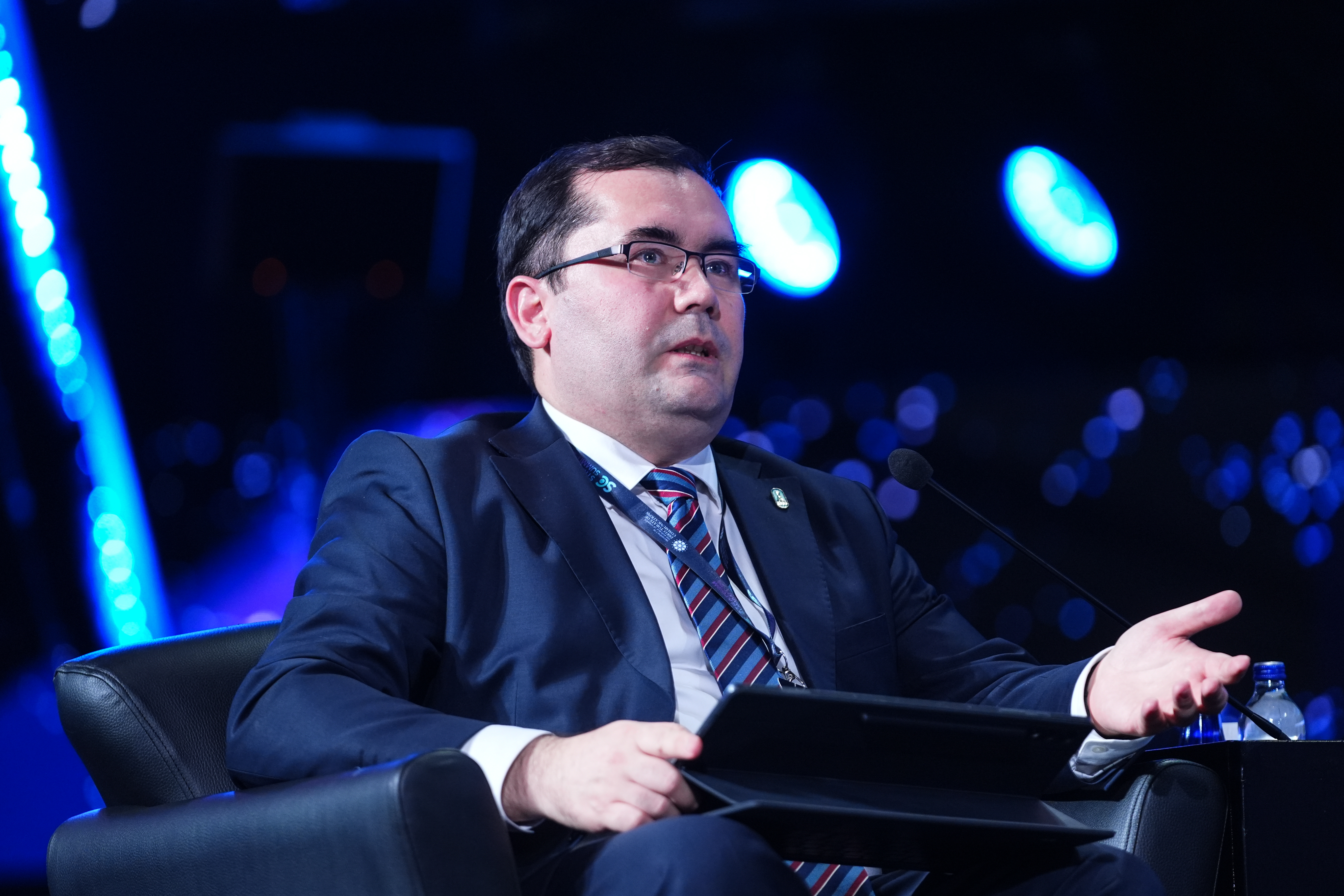
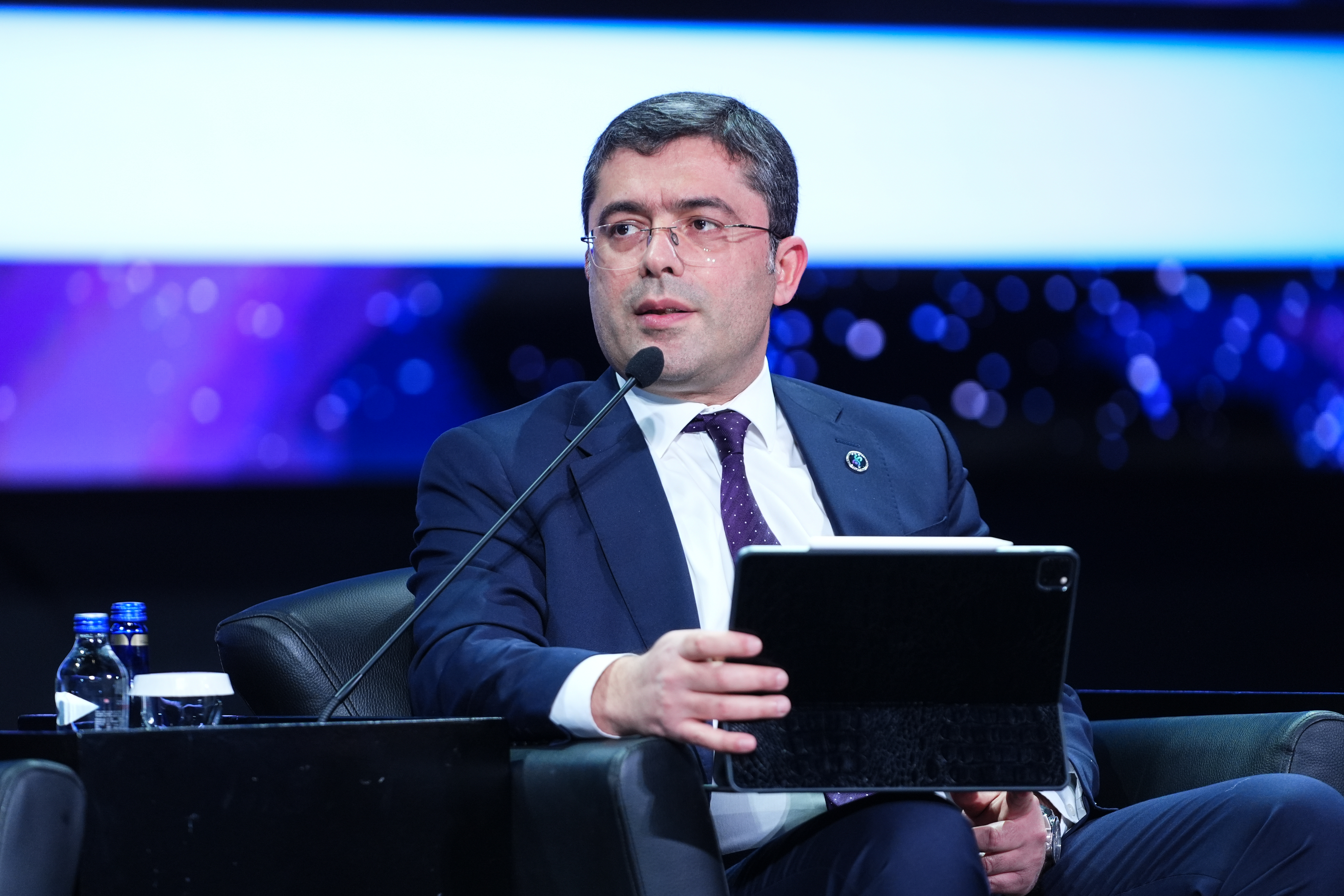
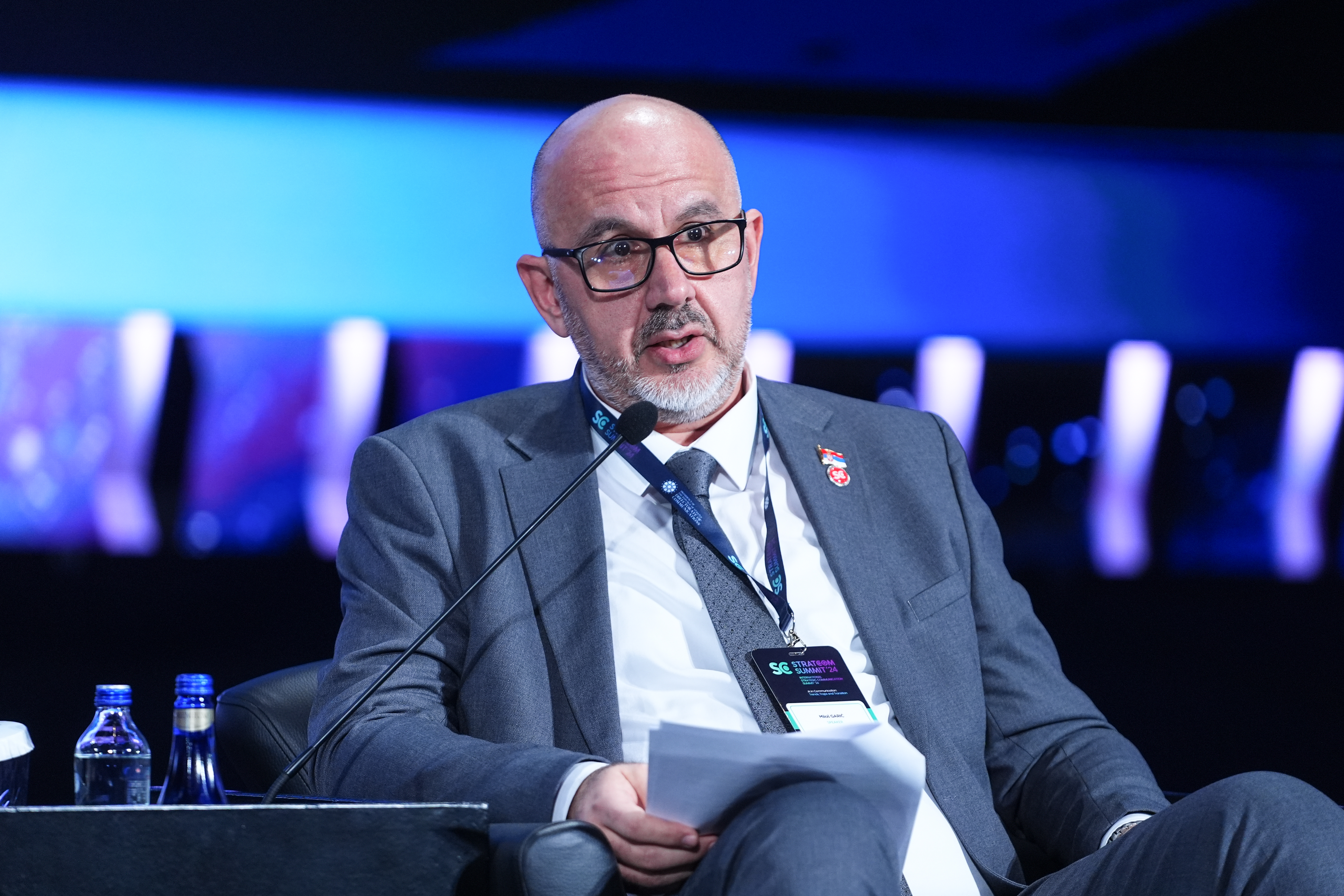
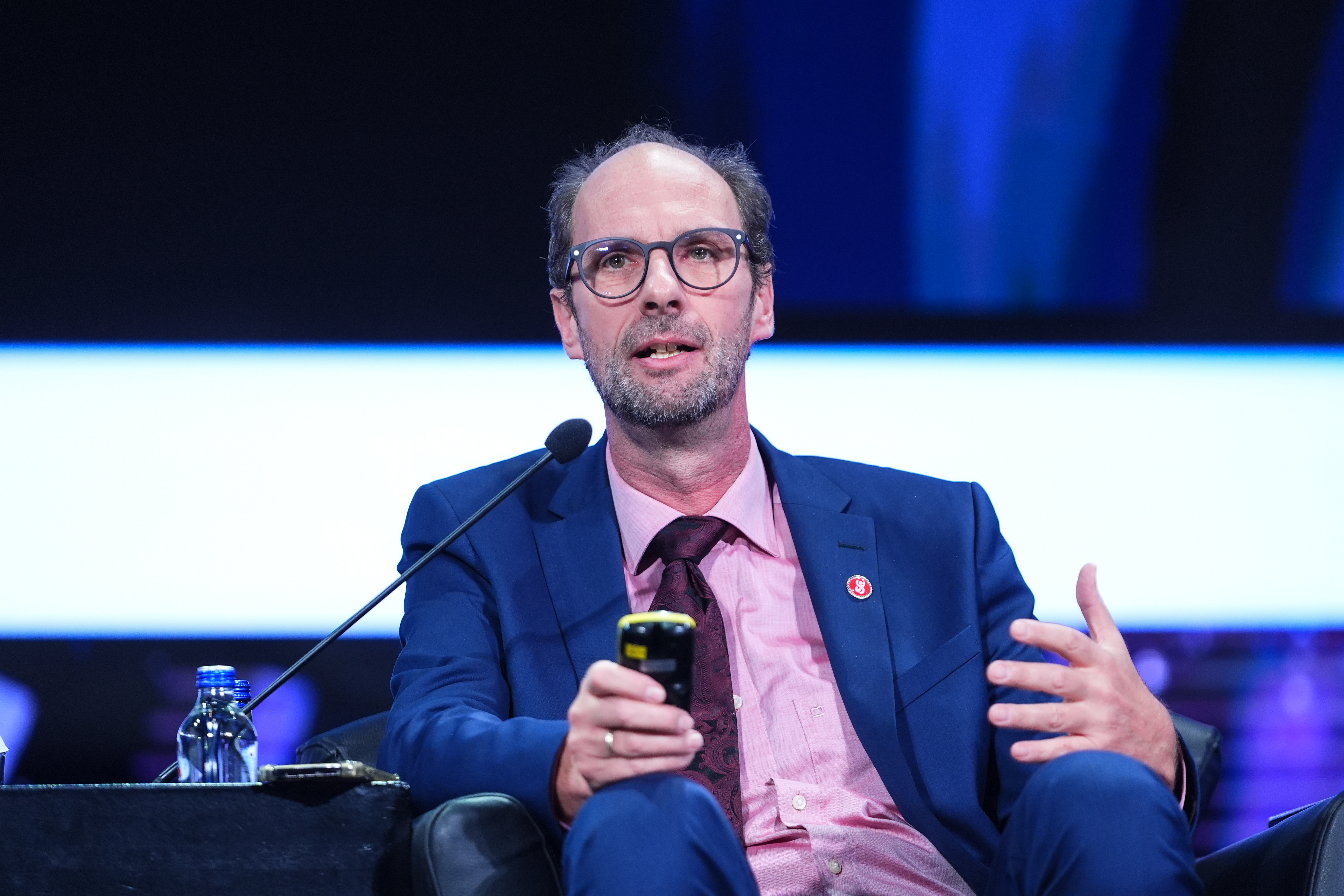
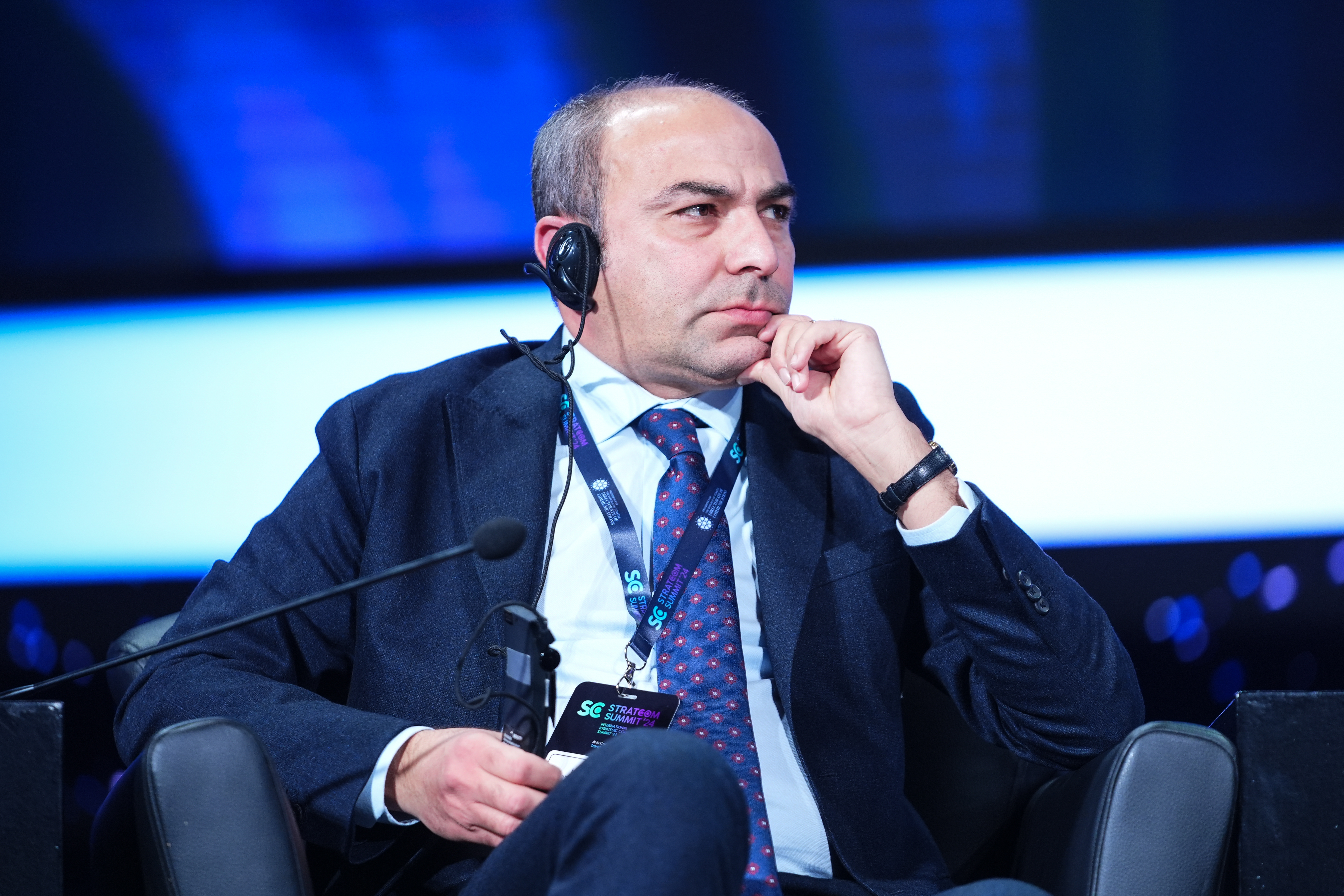
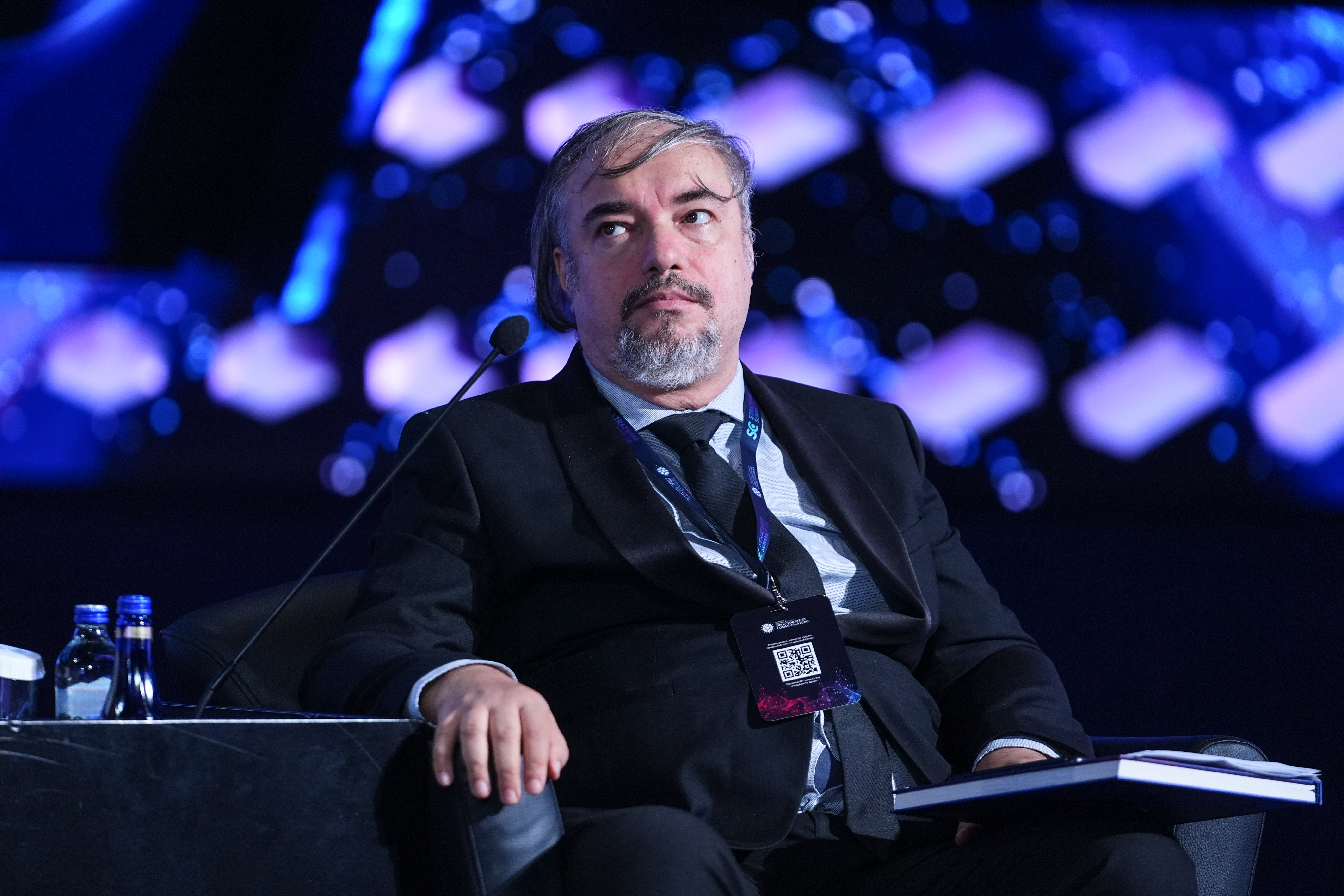
At the fourth International Strategic Communication Summit (Stratcom Summit'24) organised by our Presidency's Directorate of Communications under the theme "AI in Communication: Trends, Traps and Transition," a panel titled "Combatting Disinformation with AI: Tools and Strategies for Public Institutions" was held.
In the session moderated by Executive Director of the Development Strategy Centre of Uzbekistan Eldor Tulyakov, Coordinator of the Centre for Combating Disinformation of the Presidency's Directorate of Communications İdris Kardaş, Executive Director of Azerbaijan Media Development Agency Ahmad Ismayilov, Director of the UN Information Centre in Jakarta Miklos Gaspar, State Secretary of the Ministry of Information and Telecommunications of Serbia Miloš Garić, and Managing Editor of European Union and Italian Political Affairs at the international news outlet NE Global Federico Grandesso participated as speakers.
“We have all become consumers of information,” Ismayılov said, adding that media literacy should be increased in order to combat disinformation.
Stating that various disinformation and manipulation campaigns are being conducted against Azerbaijan, Ismayilov noted that disinformation could hinder the international growth of countries.
Referring to the 29th session of the Conference of the Parties (COP29) on Climate Change held in Baku, Ismayilov said that during this process, attempts to portray Azerbaijan negatively were made and that such disinformation damaged the country's reputation.
Stating that they are working to increase media literacy in Azerbaijan, Ismayilov stressed that they organised the Media Literacy Week in this context.
"We can no longer distinguish fact from fiction"
Garić expressed his pleasure to be present at Stratcom and expressed his gratitude for the event.
At the beginning of his speech, Garić referred to the saying, “A lie will fly around the whole world while the truth is getting its boots on,” and noted that although this saying was uttered many years ago, it is now even more difficult to distinguish fact from fiction.
Garić stated that conventional media has been gradually forgotten and that artificial intelligence, which was previously only depicted in horror films, is now an integral component of daily life.
Pointing out that the content, sound and images produced by artificial intelligence can provide false information, Garić said, “We can no longer distinguish fact from fiction.”
He further underscored the need for legal certainty in preventing the spread of misinformation, as well as legal regulation to ensure that people's fundamental and usage rights are not violated.
Hate speech against Rohingya Muslims
Noting that the United Nations (UN) established a legal framework for information integrity and accuracy in June, Gaspar said that these principles clarify how governments and the private sector could approach this issue.
Gaspar explained that the stages of this approach are research, risk assessment, and action planning.
He further pointed out that the numerous posts on social media that contain hate speech against Rohingya Muslims who are refugees fleeing the persecution of the Myanmar army are actually part of an artificial intelligence-supported campaign to create negative perceptions against Rohingya Muslims.
Gaspar underlined that there are many alternative ways of saying things and that some terms and phrases are repeated in these posts created by artificial intelligence.
Noting that they collaborate with the UN and governments to combat disinformation targeting Rohingya Muslims, Gaspar stated that they share posts that elicit emotions and reveal the truth.
Combating disinformation in Türkiye
Kardaş also remarked that artificial intelligence and disinformation are among the most often discussed topics recently.
Citing the fact that Türkiye is embroiled in numerous incidents because of the happenings in its neighbouring region, Kardaş added that Türkiye benefits from technology and artificial intelligence in combating disinformation.
He further noted that Türkiye has taken significant steps toward becoming a model for other countries in combating disinformation.
Artificial intelligence and training
Grandesso stated that many civil servants in Italy do not know how to use artificial intelligence properly and that they should be trained to do so.
He advised contacting unions and reaching an agreement to dedicate a certain amount of working hours to training.
Grandesso further proposed establishing an agency in Italy to monitor the media and identify the source of the problems, as well as the necessity for young people to be trained to distinguish between legitimate information and fake news.