Organised by the Directorate of Communications with the aim of enhancing the visibility of the cultural heritage of Turkish cuisine at both national and international levels, strengthening Türkiye’s capacity for gastrodiplomacy and developing cooperation in the field of public diplomacy, the second event in the series entitled "Türkiye's Gastrodiplomacy Model: The Heritage Table" was held in Hatay.
Organised on the basis of the understanding that Turkish cuisine is not merely a collection of dishes, but also a repository of historical memory, cultural interaction, the tradition of sharing and civilisational heritage, the programme featured panels, workshops, cooking sessions, tasting events and cultural excursions.
The events were attended by representatives of the relevant public institutions and organisations, academics, local government officials, industry representatives, members of the press and social media content creators.
Hatay’s culinary heritage was reviewed from an international perspective
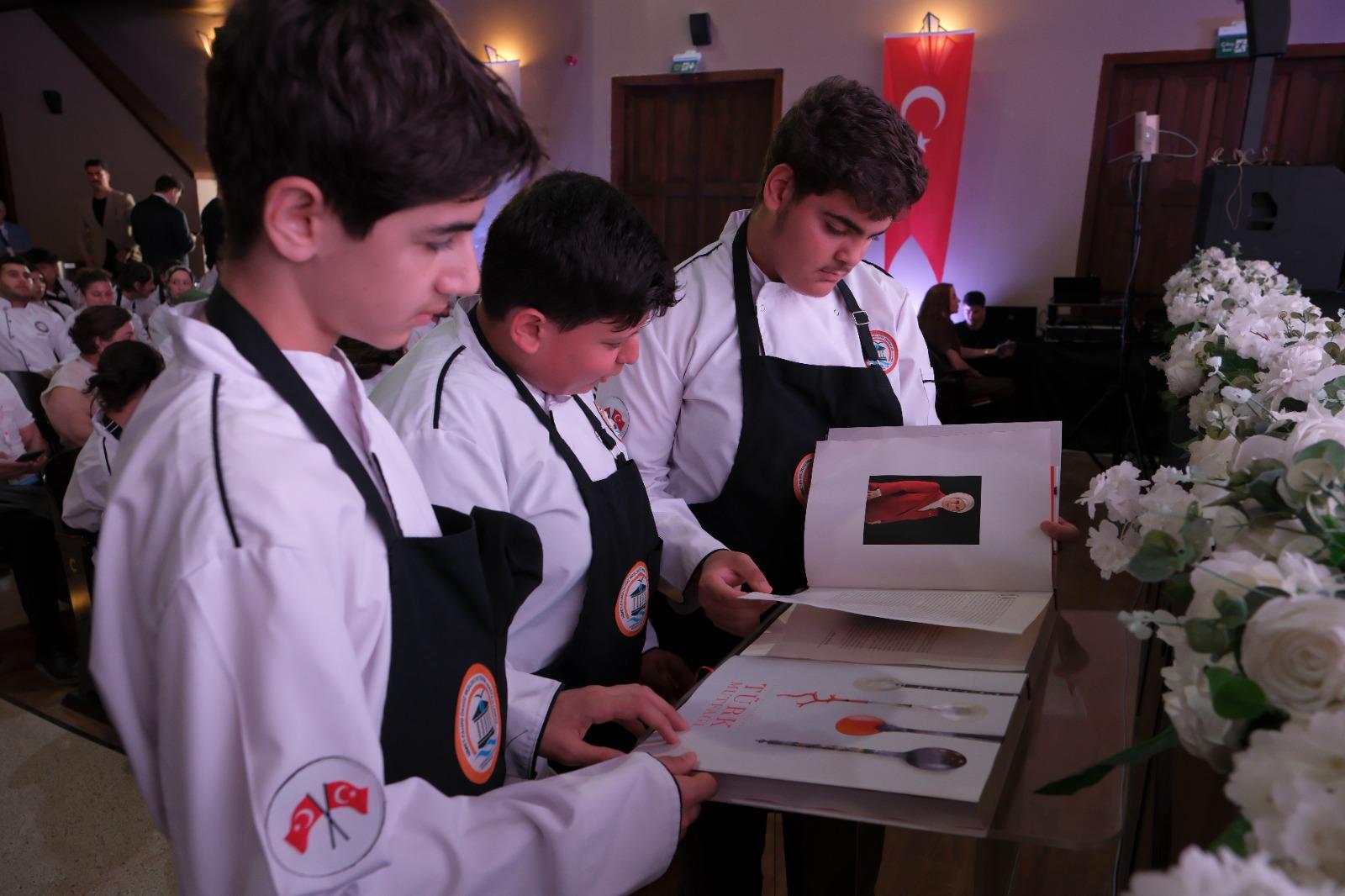
The programme, held at the Historic Assembly Building in Hatay, which is listed in the UNESCO Creative Cities Network in the gastronomy category, began with a moment of silence and the singing of the National Anthem, after which the Governor of Hatay, Mustafa Masatlı, and the Mayor of Hatay Metropolitan Municipality, Mehmet Öntürk, addressed the participants.
In her video message, First Lady Emine Erdoğan emphasised the unifying power of Turkish cuisine and stated: “Turkish cuisine is one of history’s oldest archives, a vast ocean of culture and memory of a civilisation. This great heritage, originating in Turkestan, took root in Anatolia and spread across every corner of the Ottoman Empire over the centuries. Throughout this historical journey, different cultures have come into contact with one another, nourished one another, and evolved into a unique gastronomic heritage that has deepened layer by layer. Simmering pots have produced not only food, but also a language of civilisation that strengthens intercultural dialogue. People of different faiths, languages and identities have become neighbours in the peaceful landscape of Anatolia; their tables have become places of affection, respect and reverence."
The Presidency's Head of Communications Prof Burhanettin Duran, for his part, stated in a message he sent: “We are delighted to hold this programme in Hatay, our ancient city, which stands at the crossroads of civilisations. Its rich cultural heritage is reflected in its culinary culture as much as in the city’s history and social fabric. Hatay cuisine, a mosaic of Turkish, Mediterranean and Middle Eastern culinary traditions, is one of our country’s most valuable gastronomic destinations, thanks to its products with geographical indications, distinctive flavours and dishes that reflect its cultural diversity. This rich culinary heritage, ranging from tepsi kebab to hummus and from künefe to kaytaz börek, is complemented by olive oil, zahter, and other certified products. Hatay is a city that attracts visitors from all corners of the world thanks to these qualities.”
The panel titled ''Gastrodiplomacy in Hatay: The Heritage Table'' explored Turkish cuisine and Hatay’s rich gastronomic heritage from the perspectives of cultural diplomacy, nation branding, and public diplomacy.
The session addressed the reflections of Hatay’s multicultural structure on its culinary culture, the international visibility of products with geographical indications, the development of gastronomic tourism, and strategic approaches to promoting Turkish cuisine on a global scale.
Türkiye’s unique gastrodiplomacy model was discussed
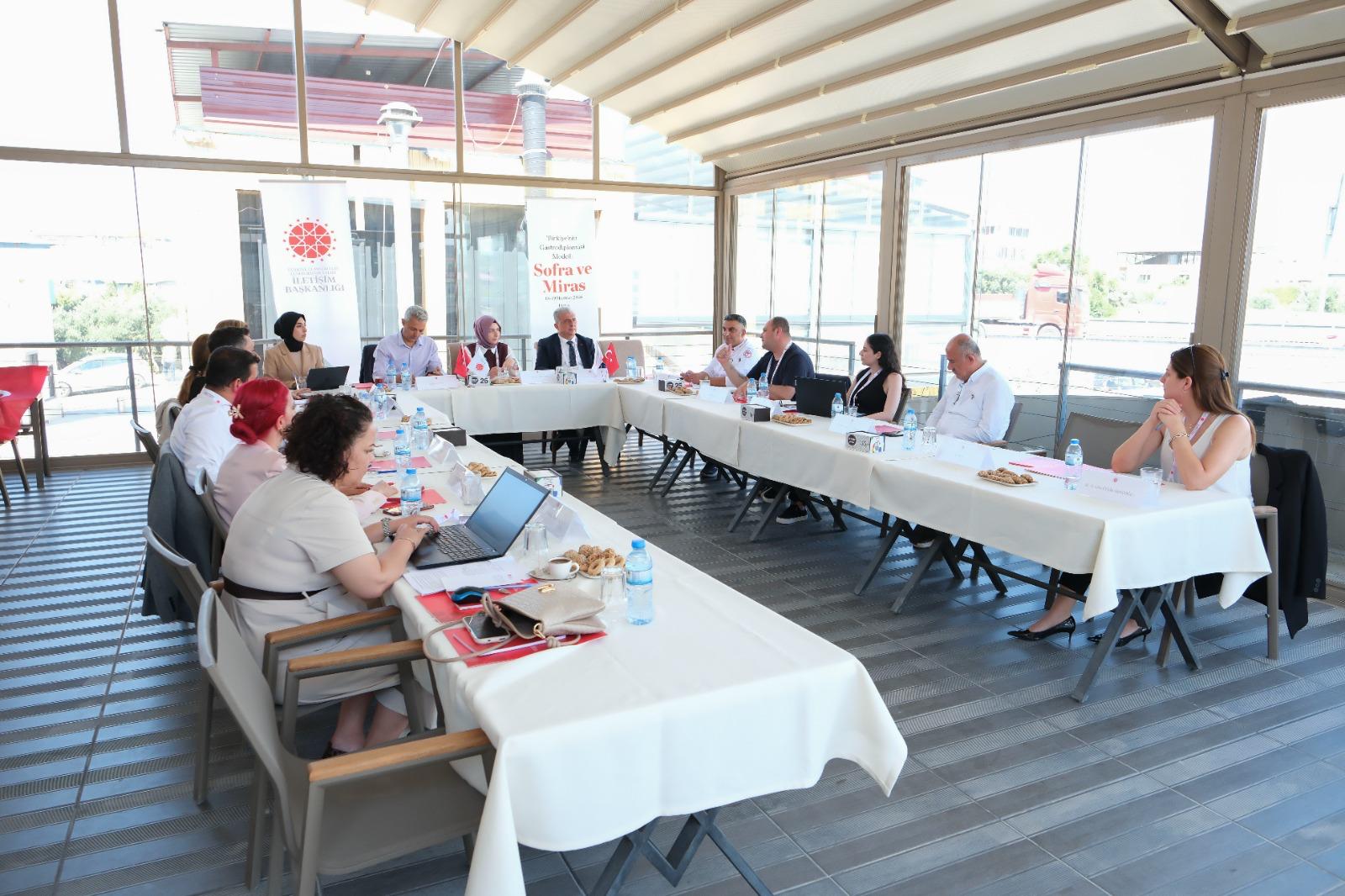
At the workshop titled ''Gastrodiplomacy Model and Cooperation Mechanisms for Hatay,'' held following the panel, representatives from public institutions, local governments, academia, the private sector, and the media came together to assess the institutional framework of a sustainable gastrodiplomacy model unique to Türkiye.
Within the scope of the workshop, policy recommendations were developed to strengthen institutional coordination, establish a common communication language and thematic framework, increase the international visibility of products with geographical indications, integrate gastronomic tourism with creative industries, and enhance the Türkiye brand.
Local and foreign members of the press explored Hatay’s culinary hotspots
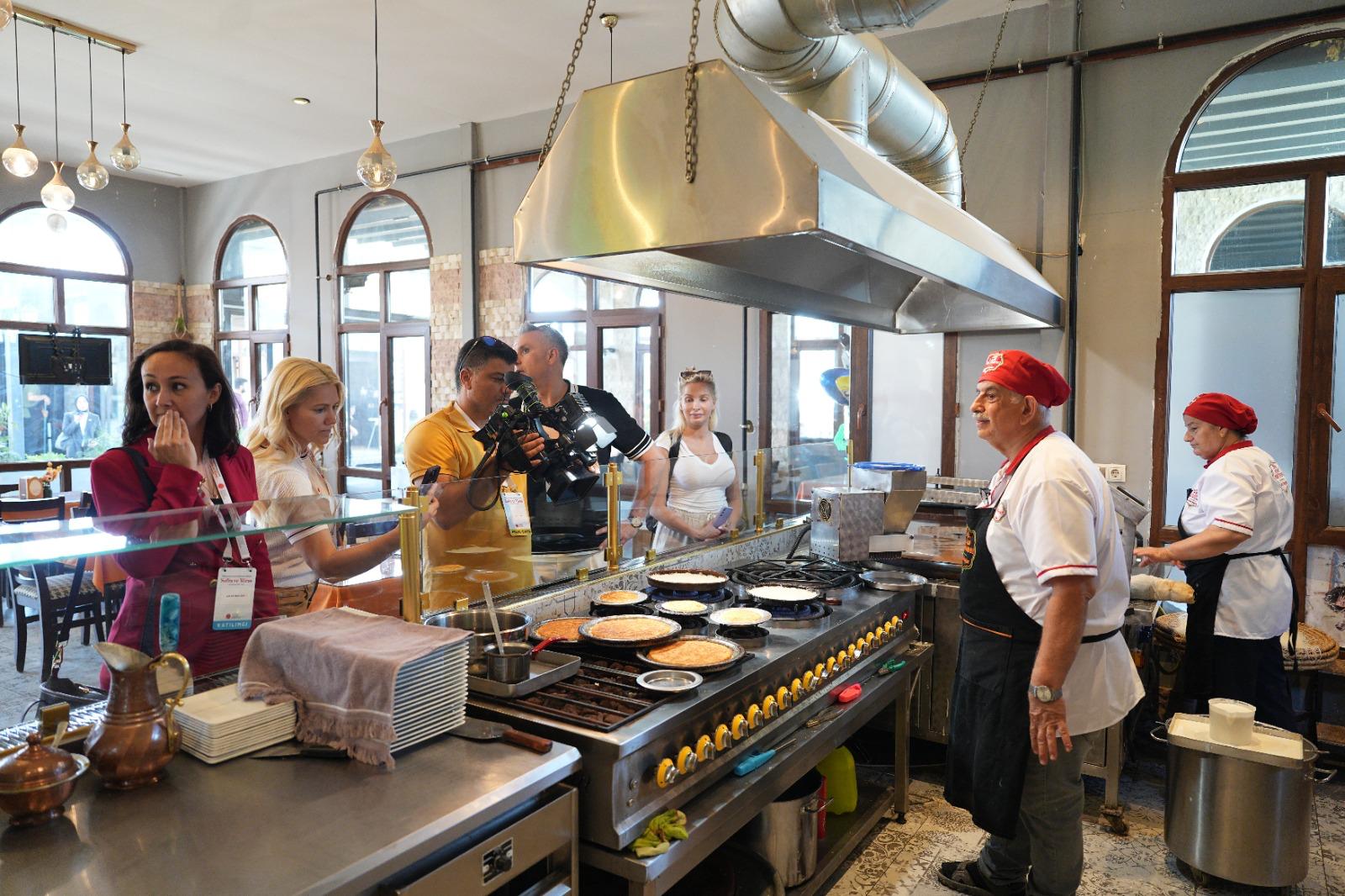
As part of the programme, two-day culinary workshops, tasting events, and cultural tours were organised with the participation of local and international journalists and social media content creators.
On the first day, participants visited Antakya Kemalpaşa Street and the Habib-i Nejjar Mosque, gaining the opportunity to closely experience Hatay’s historical fabric. Subsequently, at culinary workshops held in the Antakya Gastronomy Bazaar, traditional production techniques of Hatay cuisine and products with geographical indications were presented through hands-on demonstrations.
Continuing with a visit to the Harbiye Waterfalls, the evening programme featured a dinner held at the UNESCO Gastronomy House–Antakya EXPO, where the distinctive flavours of Hatay cuisine were presented to the participants. A musical performance by the Antakya Civilisations Choir enriched the cultural dimension of the programme.
Hatay’s cultural and gastronomic values were promoted
On the second day of the programme, participants visited the Necmi Asfuroğlu Museum and St. Pierre Church as part of a cultural tour. At a lunch programme held at the Hatay Culture and Arts Bazaar, the region’s gastronomic heritage was presented.
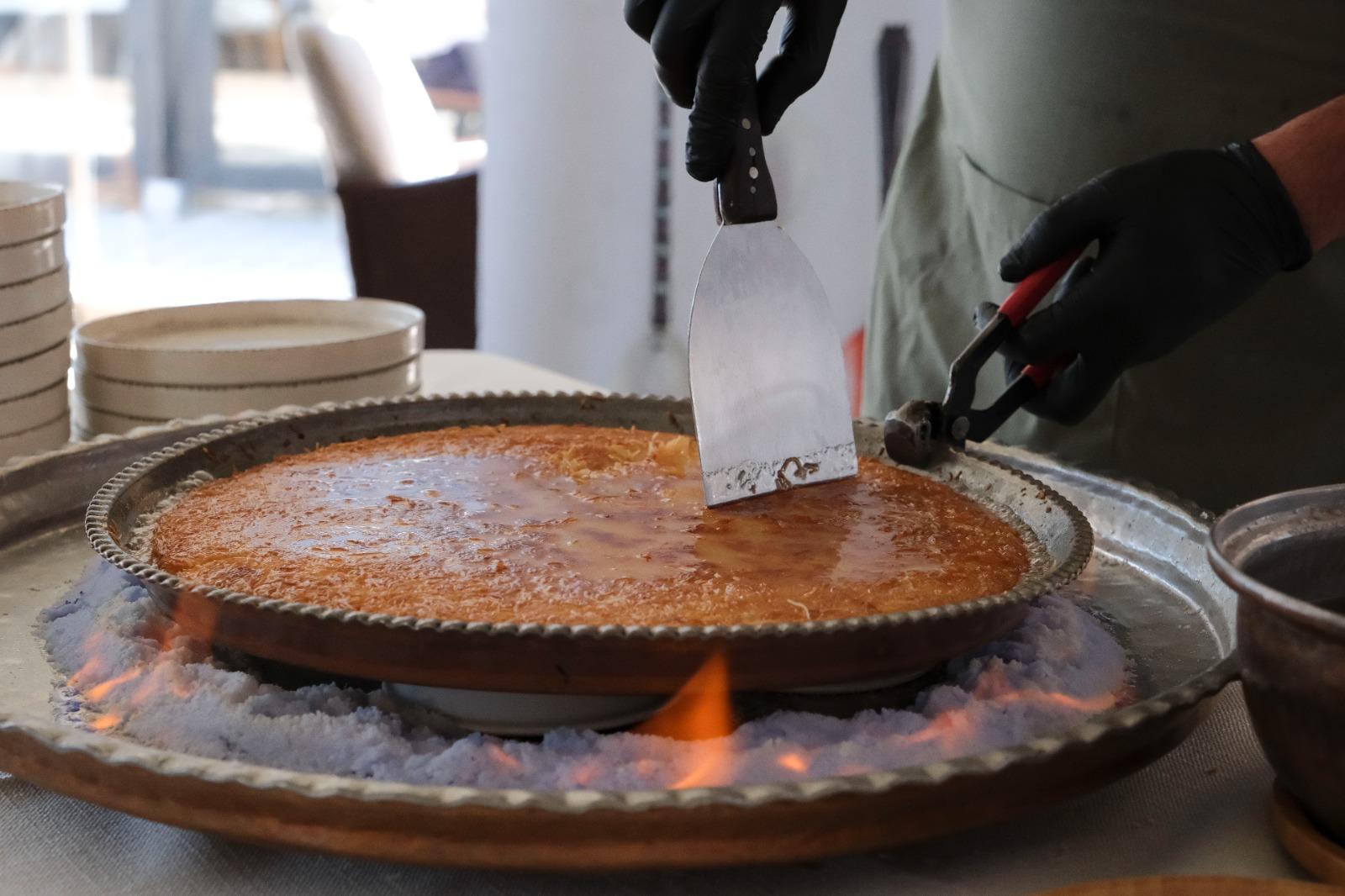
Within the scope of the tasting events, the preparation stages of Antakya Künefe were demonstrated step by step, and participants had the opportunity to experience this distinctive delicacy with geographical indication.
Turkish cuisine stands out as an instrument of cultural diplomacy
Through these events, the historical depth, cultural diversity, and civilisational heritage of Turkish cuisine were conveyed to both national and international audiences, while also contributing to the recognition of gastronomy as a strategic communication instrument integrated with cultural diplomacy, public diplomacy, and sustainable development goals.
The programme held in Hatay is expected to strengthen Türkiye’s institutional capacity in gastrodiplomacy, increase the international visibility of Turkish cuisine, and further enhance the Türkiye brand on a global scale.