Held under the theme “Disruption in the International System: Crises, Narratives and the Search for Order”, International Strategic Communication Summit (STRATCOM 2026) featured a panel titled "Rethinking Soft Power in an Age of Fragmentation: Influence and Limits".
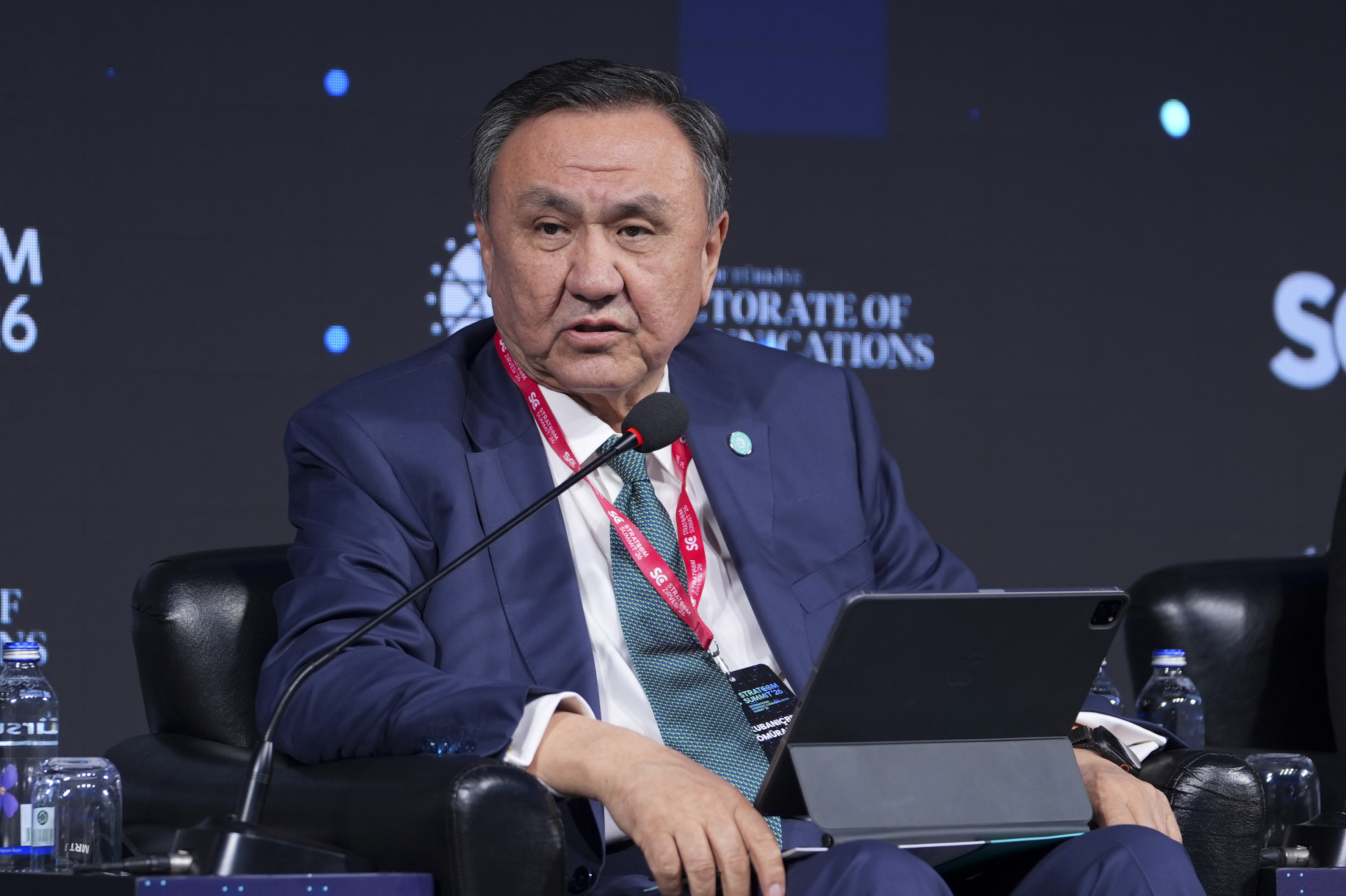
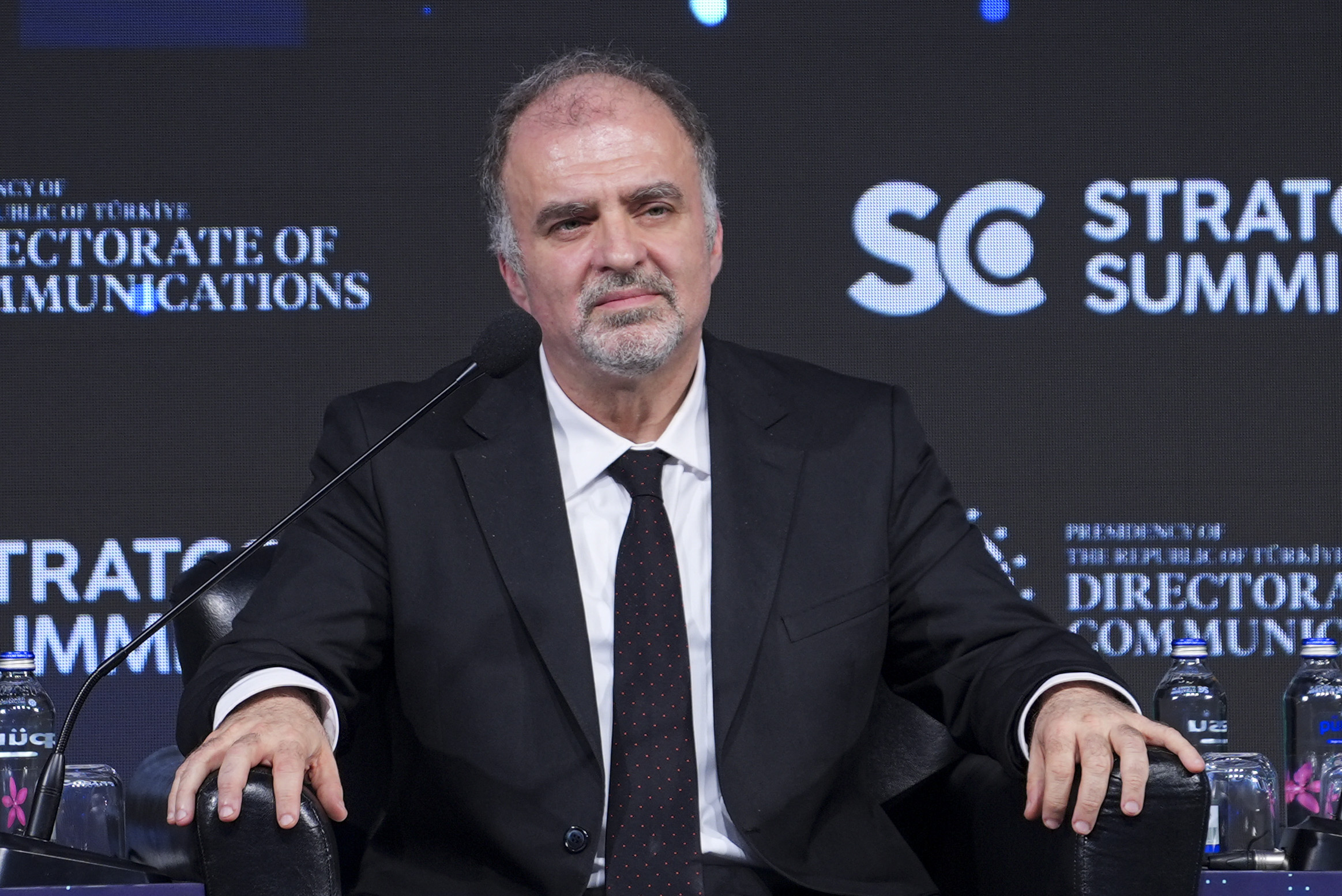
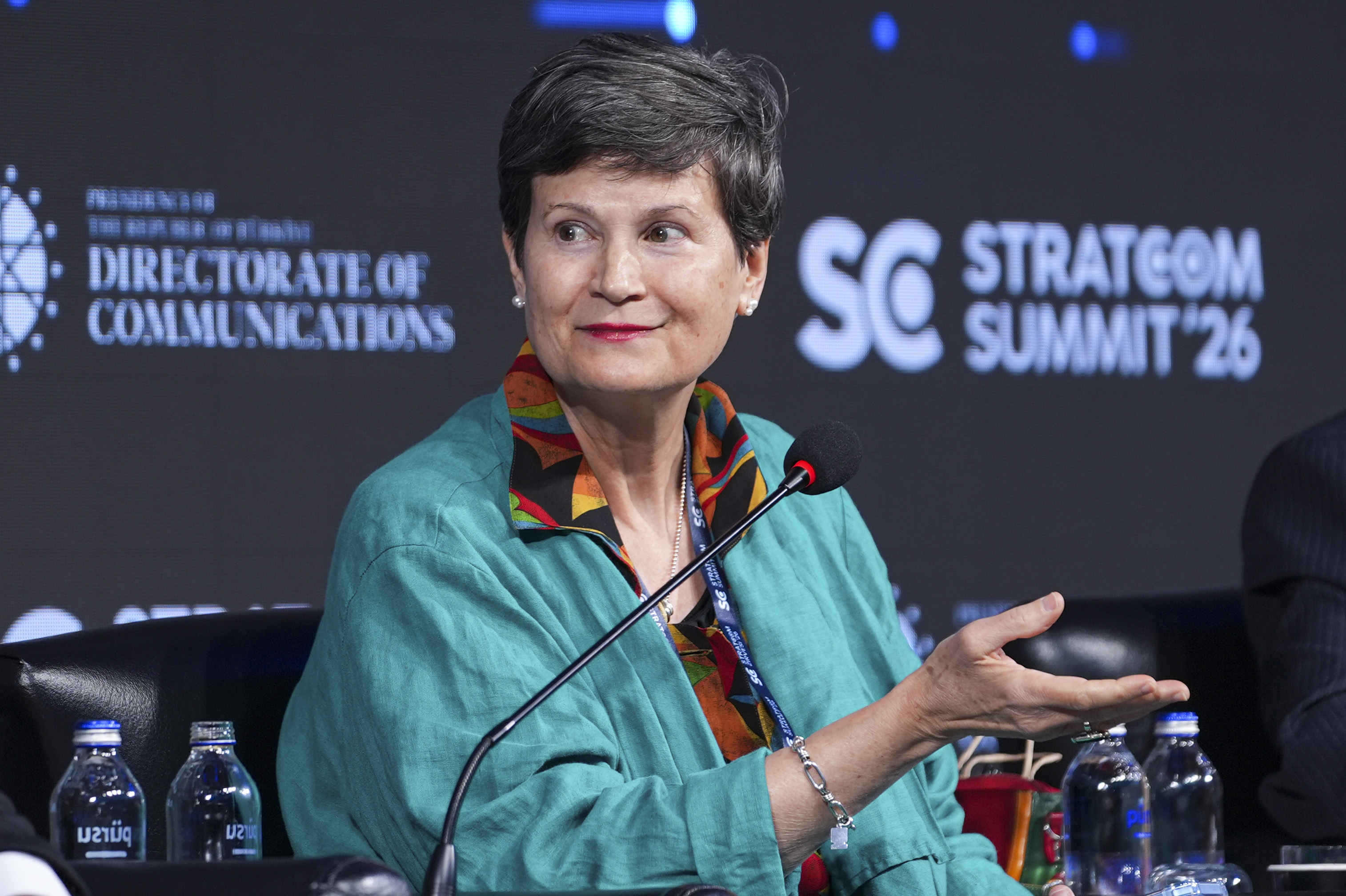
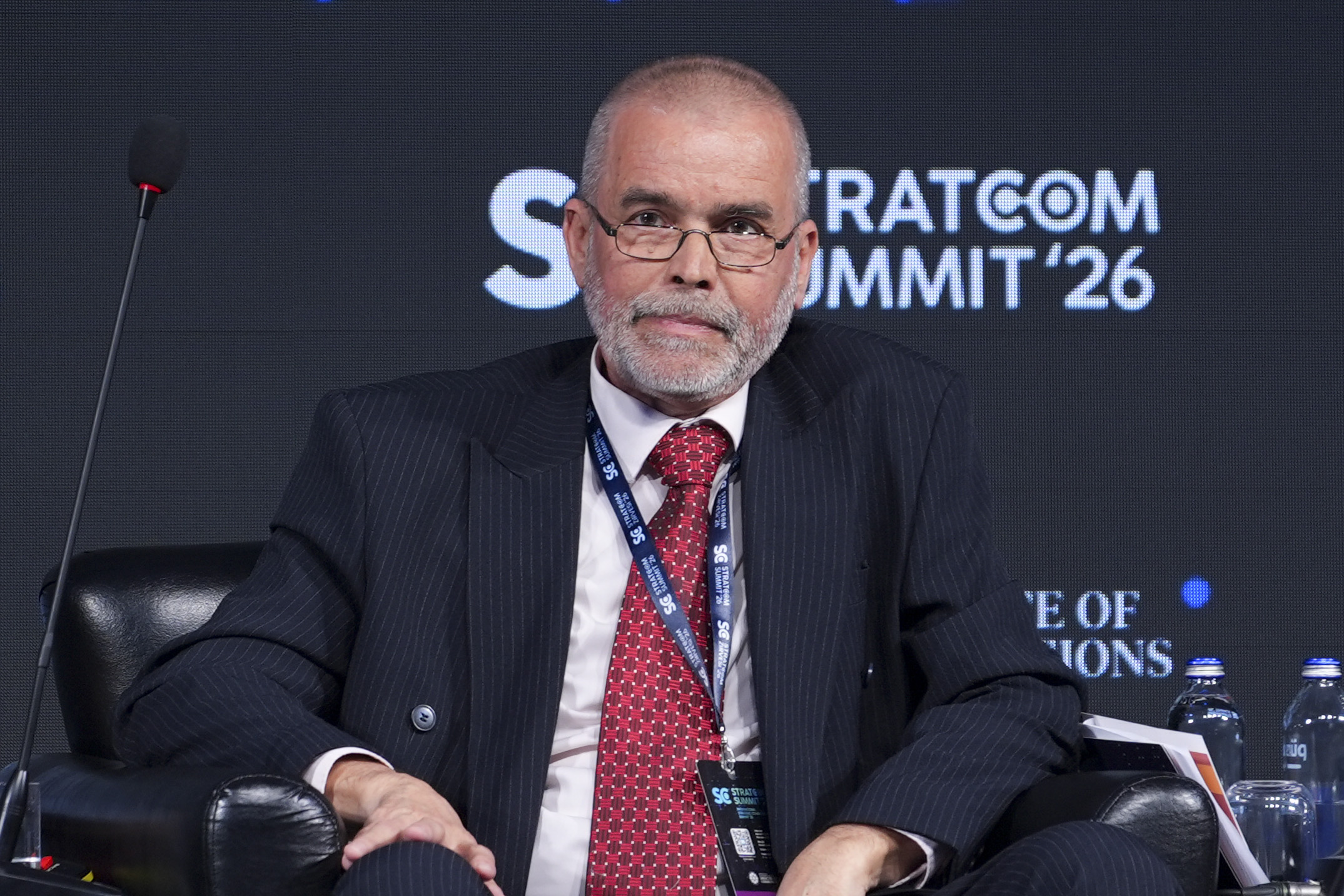
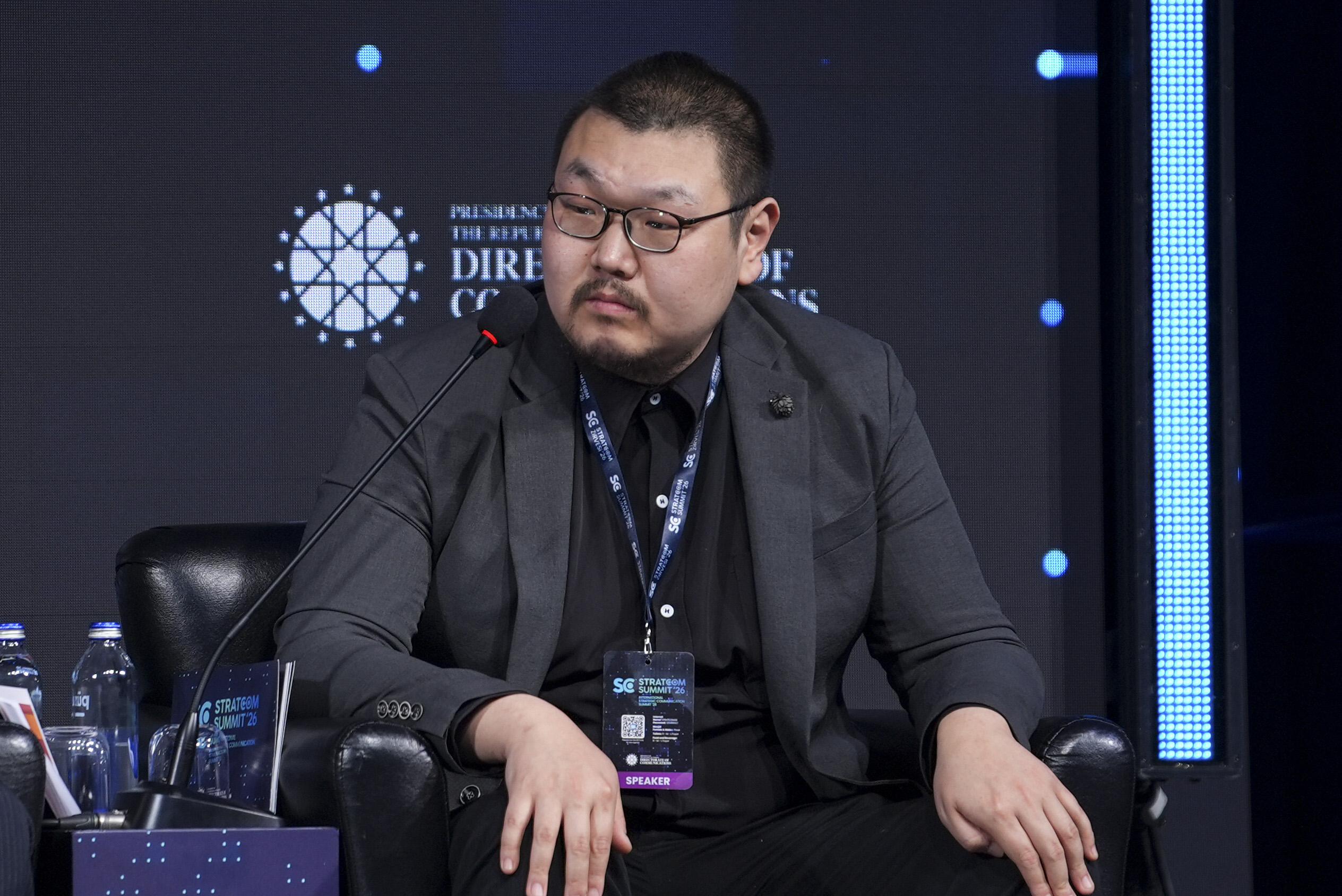
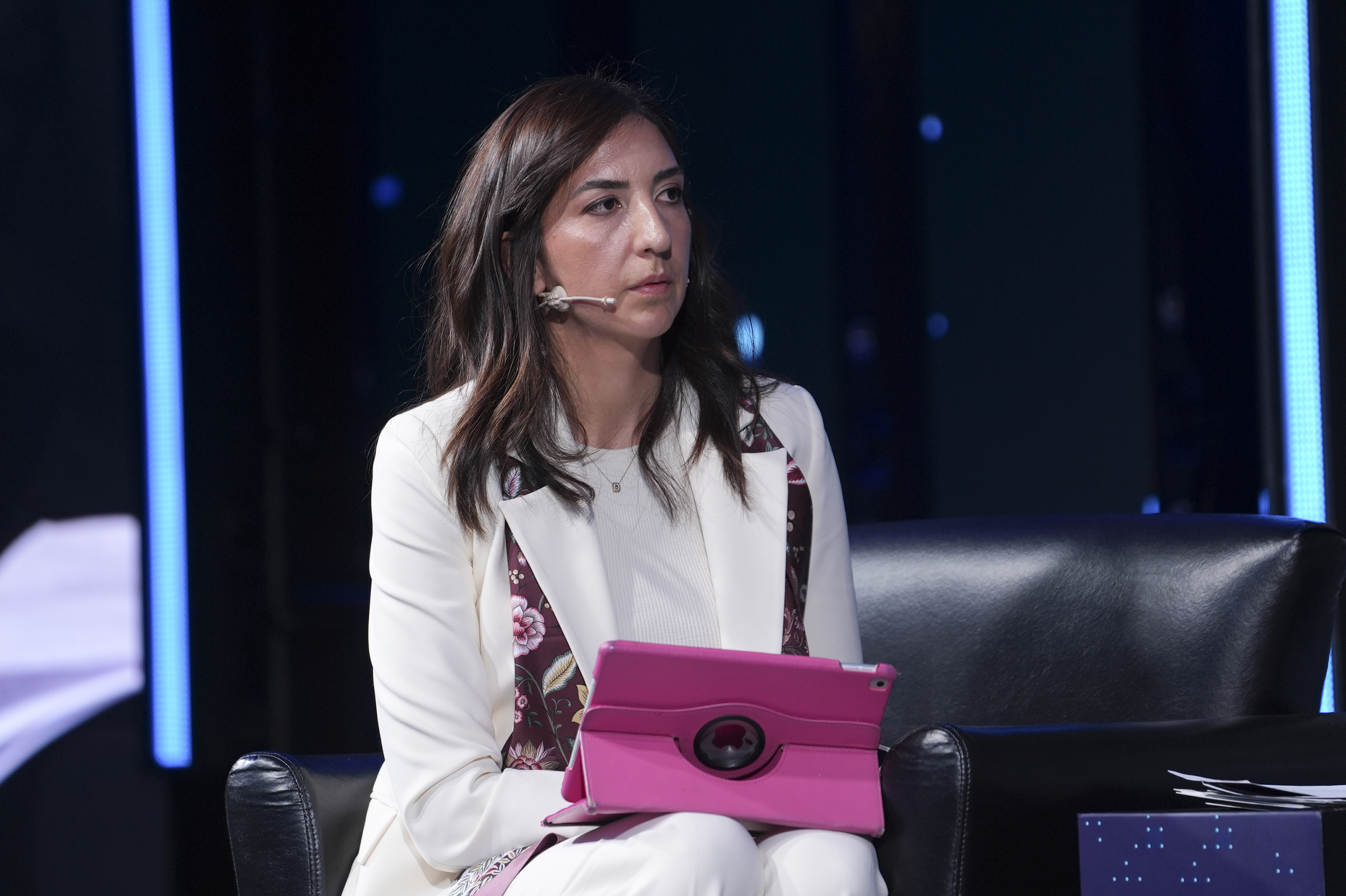
Moderated by İpek TEKDEMİR, Strategic Communication and Policy Advisor of Belgium, the panel featured Kubanychbek OMURALIYEV, Ambassador, Secretary General of the Organisation of Turkic States (OTS), Nayden TODOROV, Minister of Culture of the Republic of Bulgaria, Klaus JURGENS, Director at Economyfirst Limited London, Dr. Nancy SNOW, TÜBİTAK Visiting Distinguished Professor of Science Diplomacy and Mediation, Başkent University, and Myeongmook LIM, Author from South Korea, as speakers.
Emphasising the significance of soft power, Omuraliyev stated, “From the perspective of the OTS, we share a civilizational heritage enriched by historical values and traditions.” He noted that this is not an artificial form of diplomacy, but rather a form of soft power embedded in identity itself, recalling that alongside TÜRKSOY, institutions such as the Turkic Academy and the Turkic Culture and Heritage Foundation have been established over the past decade.
Emphasising the strengthening of institutional cooperation within the OTS, Omuraliyev underlined the importance of advancing soft power, noting that through the organisation of joint cultural weeks, exhibitions, and numerous programmes, the richness of the Turkic world is brought to the attention of the public. He further stated that soft power can only be effective when it is both “credible” and “authentic.”
“Culture helps us leave conflicts behind as a tool of communication”
Addressing how cultural diplomacy can remain effective, Todorov remarked, “I do not believe culture can solve problems; however, it can prevent them.”
Underscoring the importance of strategic communication and culture, Todorov stated that culture stands in contrast to fragmentation and serves to bring people together.
Noting that culture builds bridges, he added that people fear the unknown and that aggression often stems from fear and deprivation, concluding: “Culture, as a tool of communication, helps us leave conflicts behind.”
Todorov emphasized that even in the most dangerous crises, the strongest bridge between people is culture, and it must not be destroyed. He also questioned whether the prevalence of conflicts worldwide may be linked to the weakening of cultural communication between nations.
“The term ‘escalation’ should be used in the service of peace”
Snow pointed out that the term “escalation” is predominantly associated with war and argued that it should instead be employed in the service of peace. “We live in a world where some seek to provoke war,” she said, adding that those striving to establish peace constitute the majority. She also noted the increasing prevalence of terms such as “disruption of stability” and “polarisation” in today’s discourse.
Comparing the situation to a disease, Snow warned that diminishing mutual understanding among people could lead to greater problems. Emphasising that soft power is not an abstract concept, she stated: “Soft power is education; it is dialogue.”
South Korean author Myeongmook Lim noted that hard power always requires soft power, highlighting a clear distinction between the two.
He stated that soft power can often enable the projection of hard power and observed that the United States’ soft power has declined in the current global context.
Referring to the growing presence of Korean culture in Türkiye, Lim stated that both countries possess transnational outreach capacity.
He also emphasised that while patterns of cultural consumption have evolved over time, there are intersecting areas between societies.
Jurgens expressed his appreciation to the Presidency’s Directorate of Communications for organising the summit, noting that STRATCOM has become a recognised global brand. He also delivered a presentation, referencing a book that examines the instruments of success in world politics.