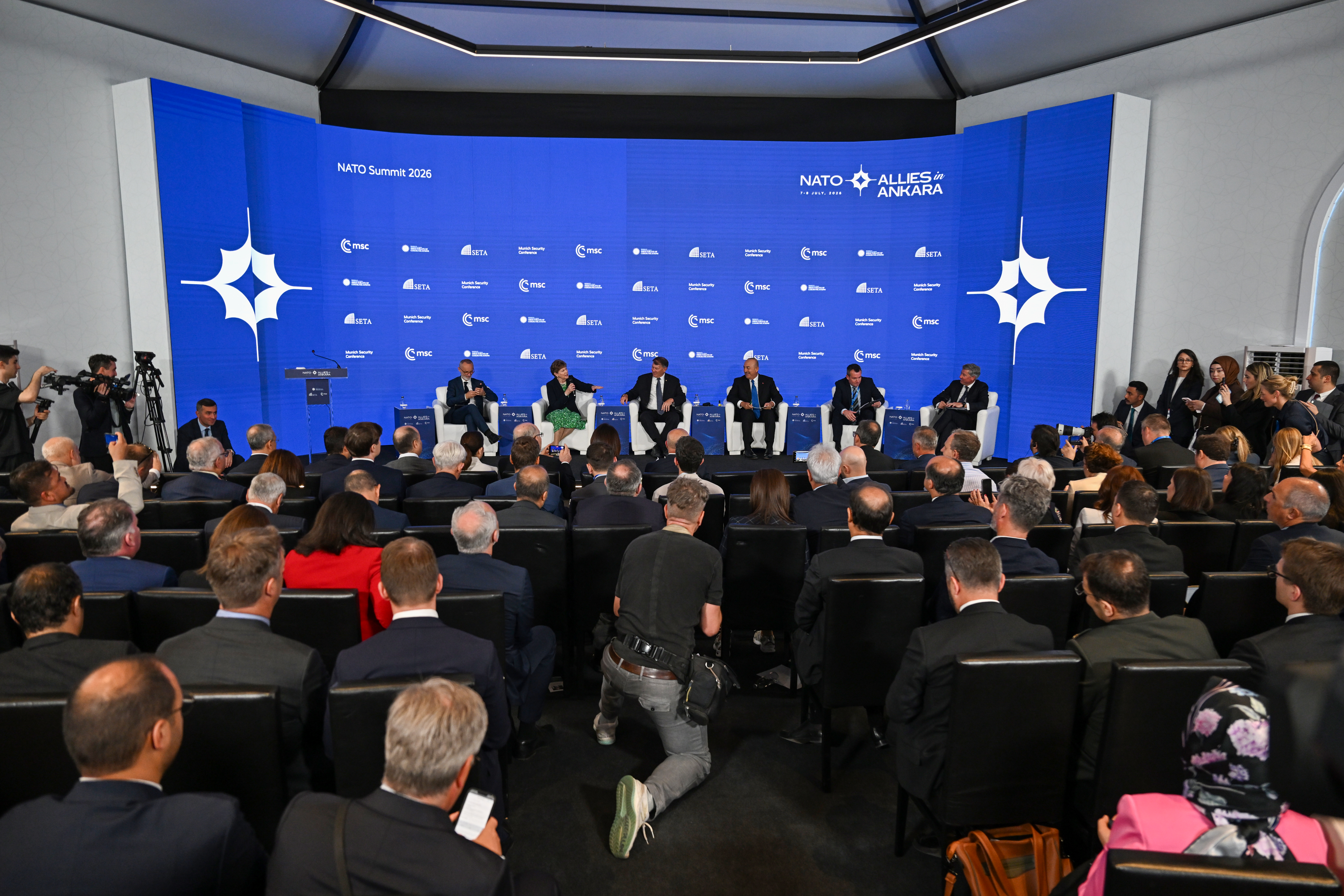
On the margins of the 36th NATO Heads of State and Government Summit, the panel titled "Looking Ahead to the Ankara Summit" was held as part of the "Allies in Ankara" programme, co-organised by the Presidency's Directorate of Communications, the Munich Security Conference (MSC), and the Foundation for Political, Economic and Social Research (SETA).
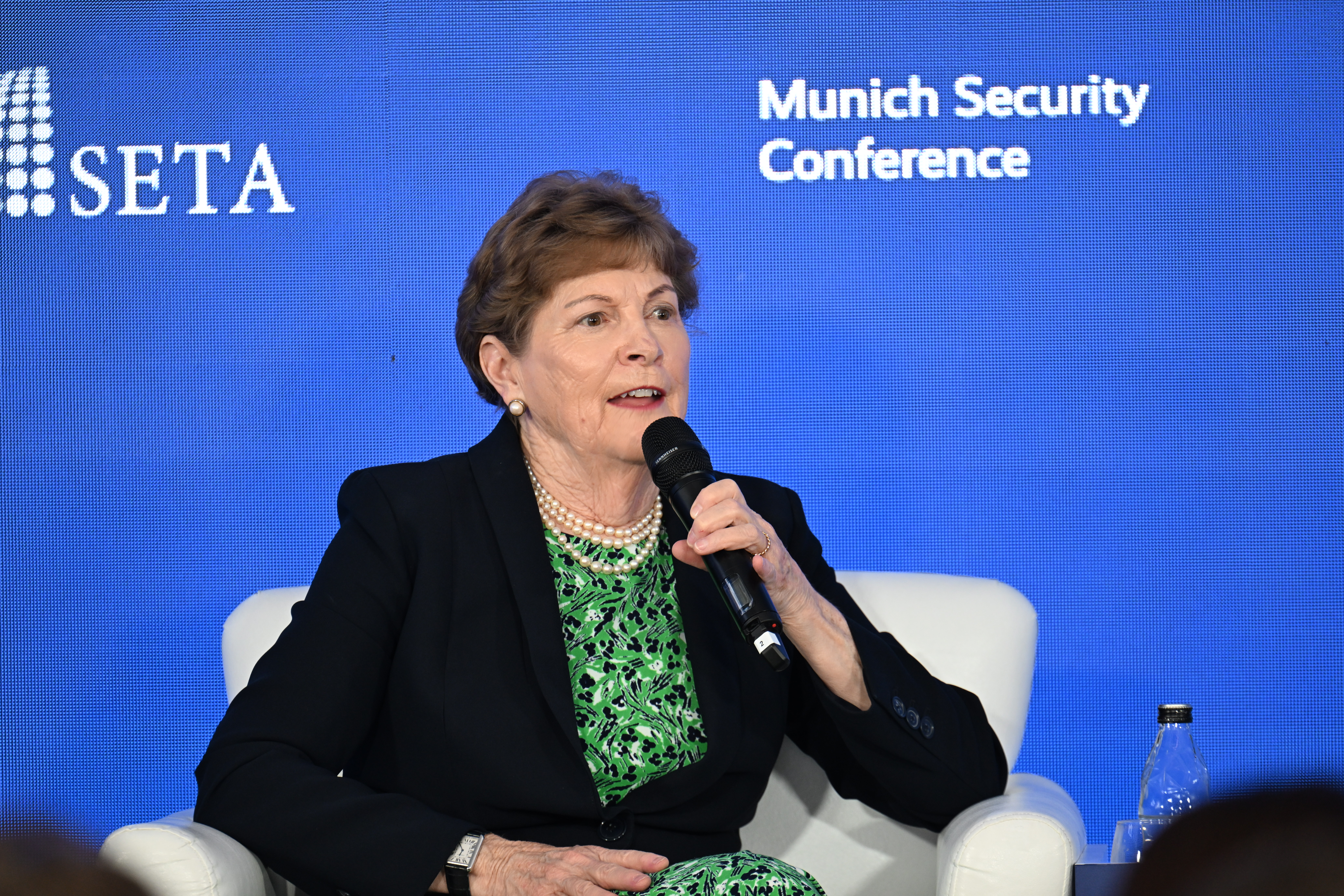
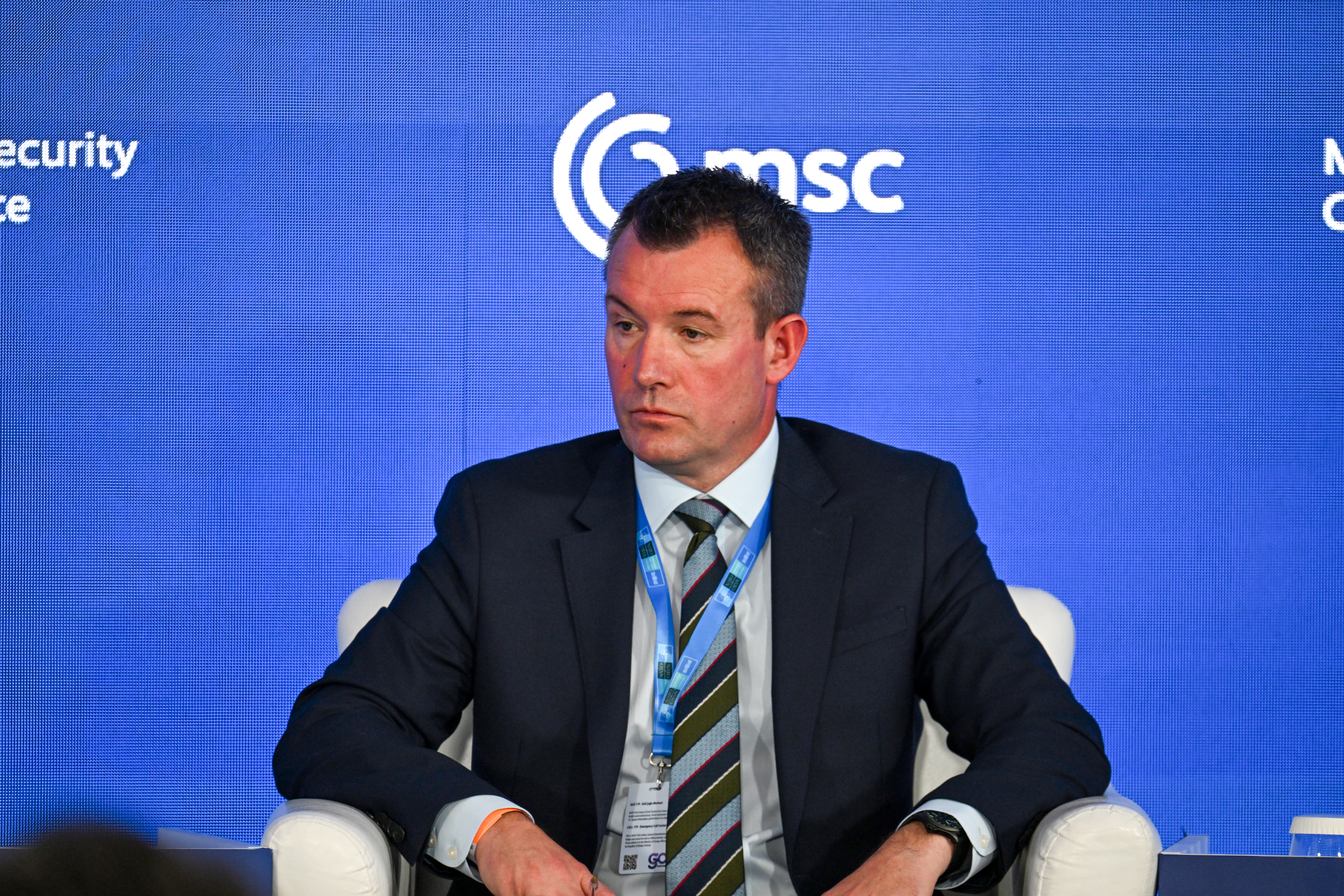
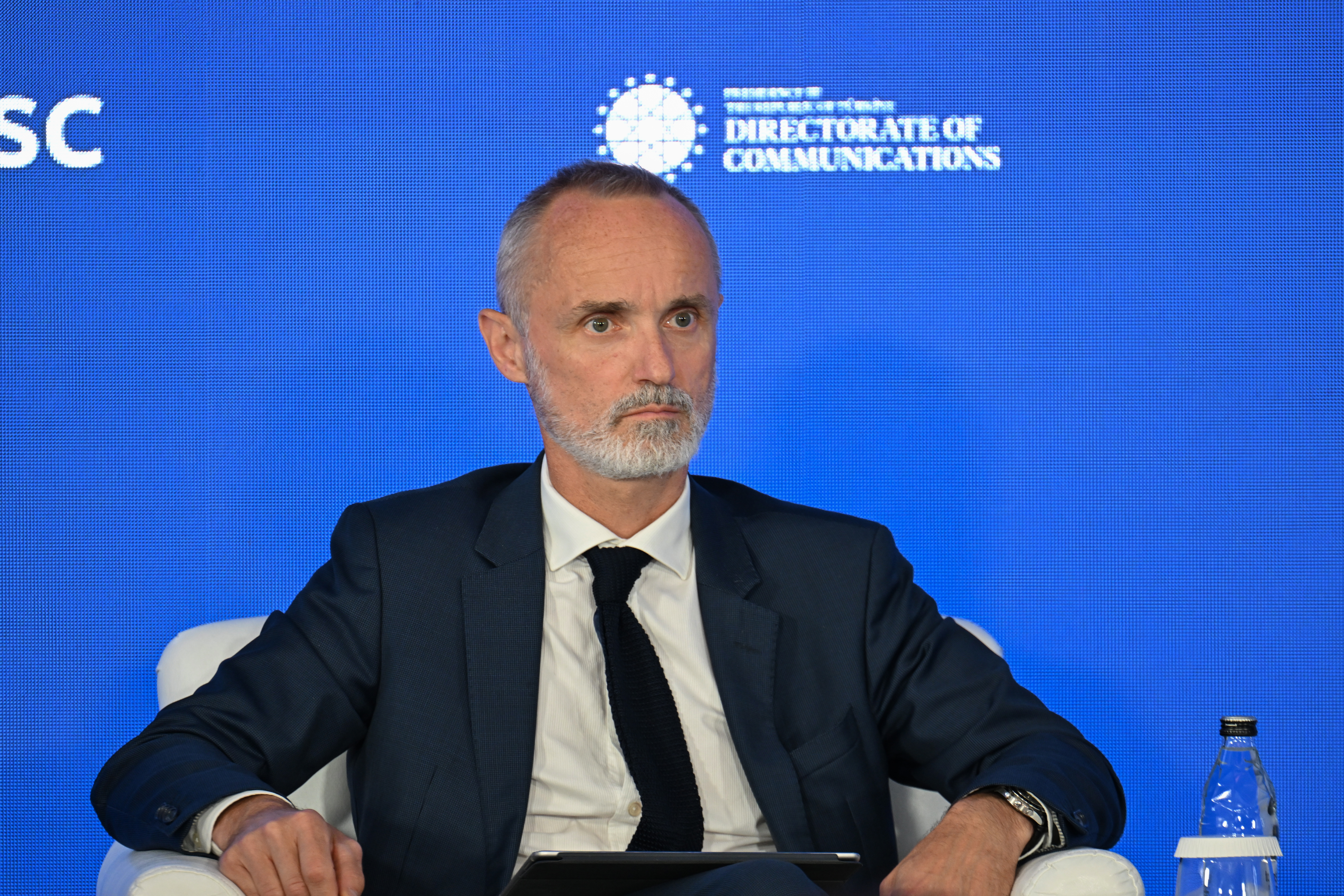
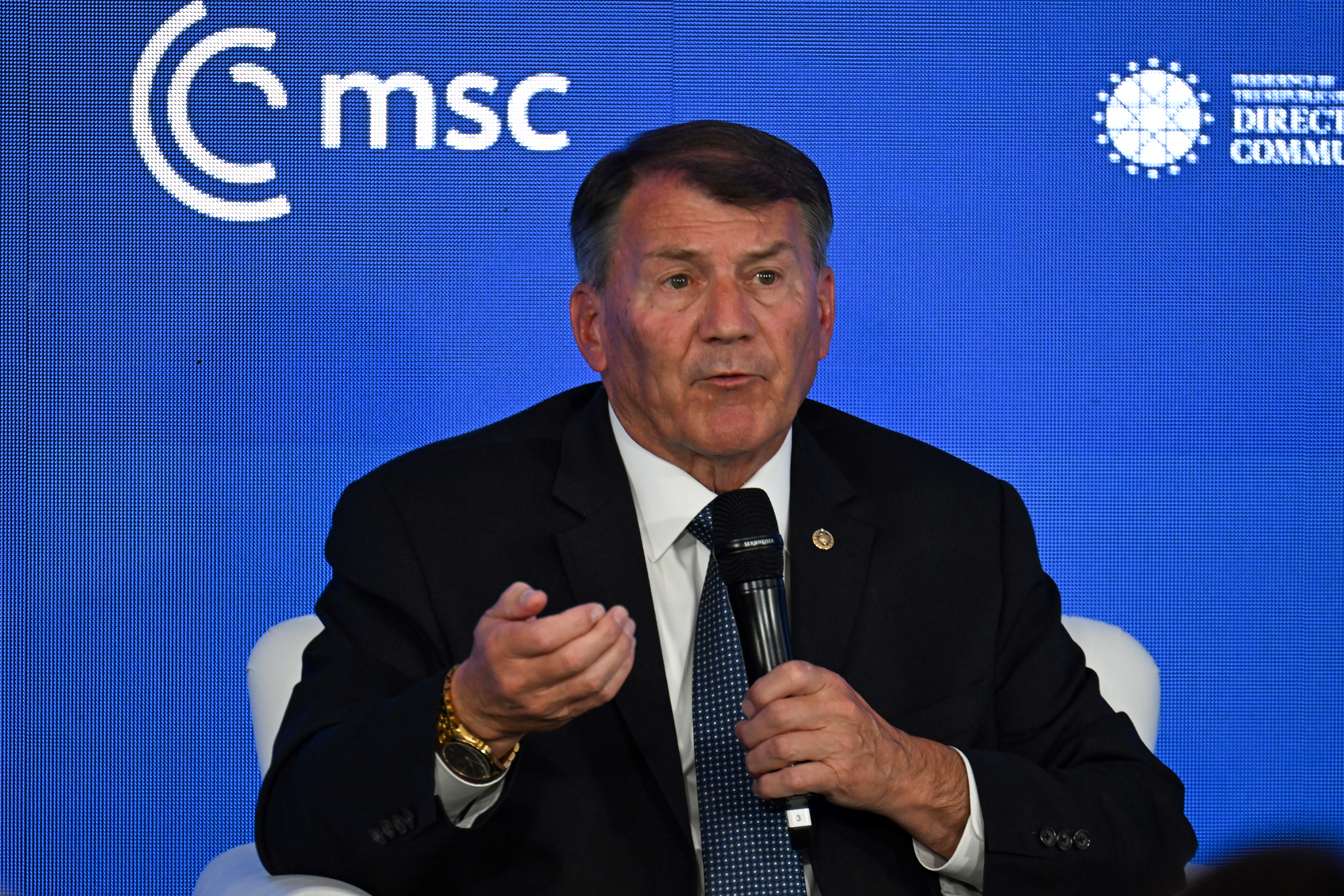
The panel discussion titled "Looking Ahead to the Ankara Summit" at Ankara Palas was attended by Mevlüt Çavuşoğlu, the Chair of the Turkish Delegation of the Grand National Assembly of Türkiye (GNAT) to the NATO Parliamentary Assembly (PA) and AK Party Antalya MP; Stuart Anderson, an MP of the United Kingdom; Mike Rounds, a Senator of the US; Jeanne Shaheen, the Co-Chair of the NATO Observer Group of the US Senate and Ranking Member of the Senate Foreign Relations Committee; and Tomáš Valášek, an MP of Slovakia.
In his speech, Çavuşoğlu highlighted that, in addition to serving as the host of the NATO Summit, Türkiye would also maintain its role as the mediator.
Touching upon Türkiye’s differences of opinion with the US and its European allies, Çavuşoğlu stated that Türkiye expects greater solidarity among allies and, when necessary, expects Articles 4 and 5 of the North Atlantic Treaty, NATO’s founding treaty, to be invoked.
Çavuşoğlu said that political unity and cohesion will be at the forefront of the summit, adding that the Russia-Ukraine war, strengthening defence industry collaboration, and burden-sharing would also be on the agenda.
Shaheen said that the US' support for NATO is at a peak, noting that the 32 allies’ defence spending had reached 2 per cent of gross domestic product (GDP) and that they are moving toward the 5 per cent target. Stating that the allies ensure the security of Europe, the US and much of the world, Shaheen noted that NATO remains relevant and is stronger than ever.
Recalling that US President Donald Trump has underlined that NATO needs to increase its defence capacity, Rounds said that the future always carries threats of war.
Valasek recalled the commitment made by Allies at the 2025 NATO Summit in The Hague to invest 5 per cent of GDP annually in defence by 2035, and voiced criticism of the process.
Anderson noted that the Russia-Ukraine war has taught a critical lesson for NATO members, suggesting that allies will significantly increase defence expenditures.