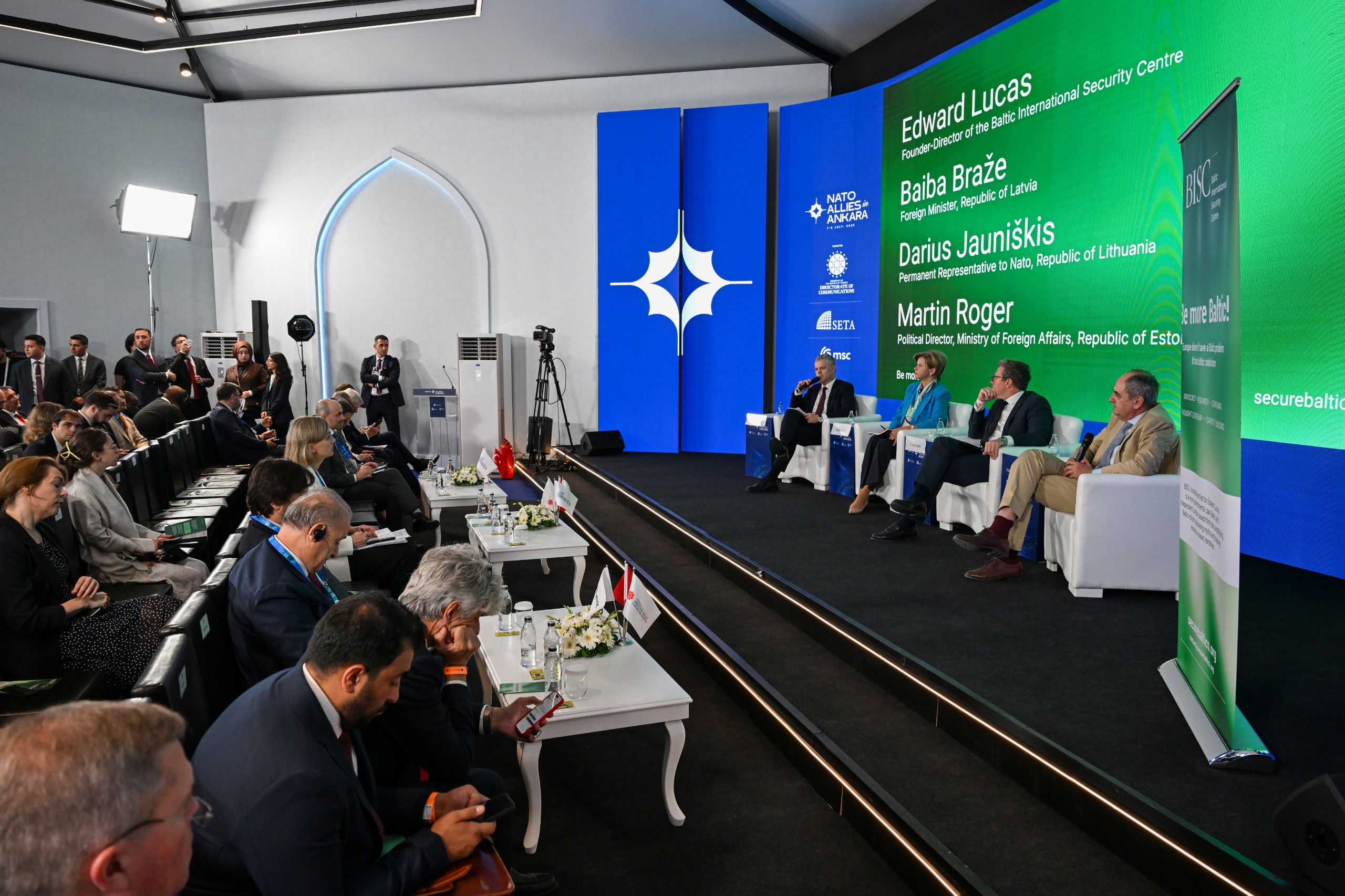
As part of the 36th NATO Heads of State and Government Summit, the panel titled "Why Narva Is Not Next: Rethinking Assumptions About the Baltic States’ Vulnerability" was held during the "Allies in Ankara" programme, organised by the Presidency's Directorate of Communications in cooperation with the Munich Security Conference (MSC) and the Foundation for Political, Economic and Social Research (SETA).
The panel, moderated by the Baltic International Security Centre and held at Ankara Palas, featured Minister of Foreign Affairs Baiba Braže of Latvia, Permanent Representative of Lithuania to NATO Darius Jauniškis, and Martin Roger, Political Director at the Ministry of Foreign Affairs of Estonia, as speakers.
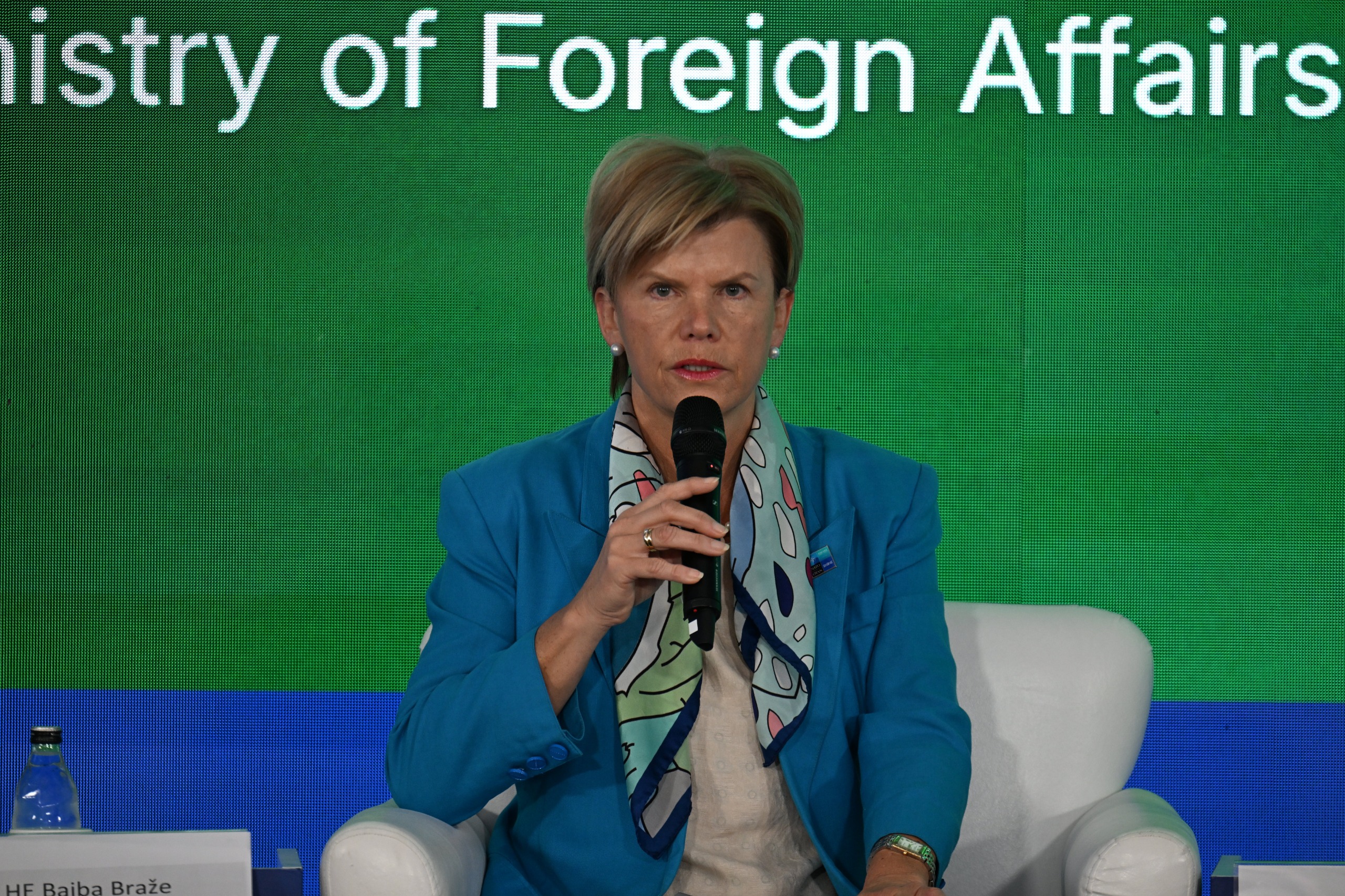
Minister Braže stated that Russia is not prepared to challenge NATO directly but remains willing to create what she described as "false dilemmas". She stressed that Allies must not lose their sense of urgency when it comes to security and defence.
Emphasising that NATO plays a vital role in ensuring coordinated action, planning, preparedness, and effective defence planning among Allies, Braže said: "We must ensure that we continue investing in our internal security, border protection, and intelligence cooperation. At the same time, we must remain confident in NATO and in the effectiveness of deterrence."
Minister Braže said that they were subject to external interference and disinformation operations aiming to weaken support for Ukrainians.
Minister Braže opined that the people in her country want to remain part of the Latvian state regardless of their origin and stated that even if their ethnic backgrounds differ, people want to protect their country.
Criticism of Russia
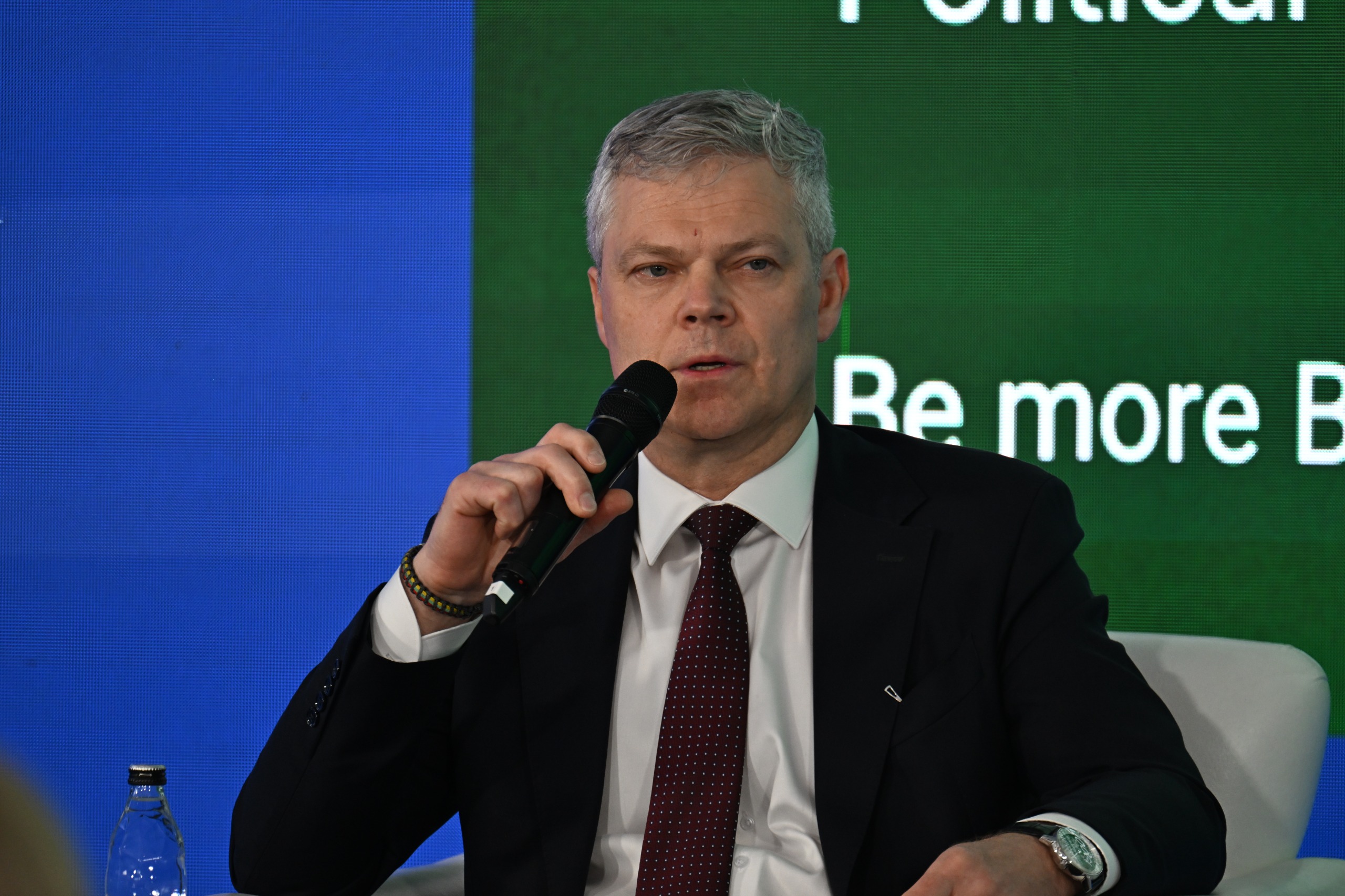
Permanent Representative of Lithuania to NATO, Jauniskis, also said that they did not view Belarus as separate from Russia, arguing that Minsk is completely dependent on Russia's energy, money, and support.
Referring to the issue of weather balloons entering his country from Belarus and carrying contraband cigarettes, Jauniskis emphasised that these posed serious security problems.
Jauniskis pointed out that Russia and Belarus were spreading propaganda with false historical claims regarding his country's history.
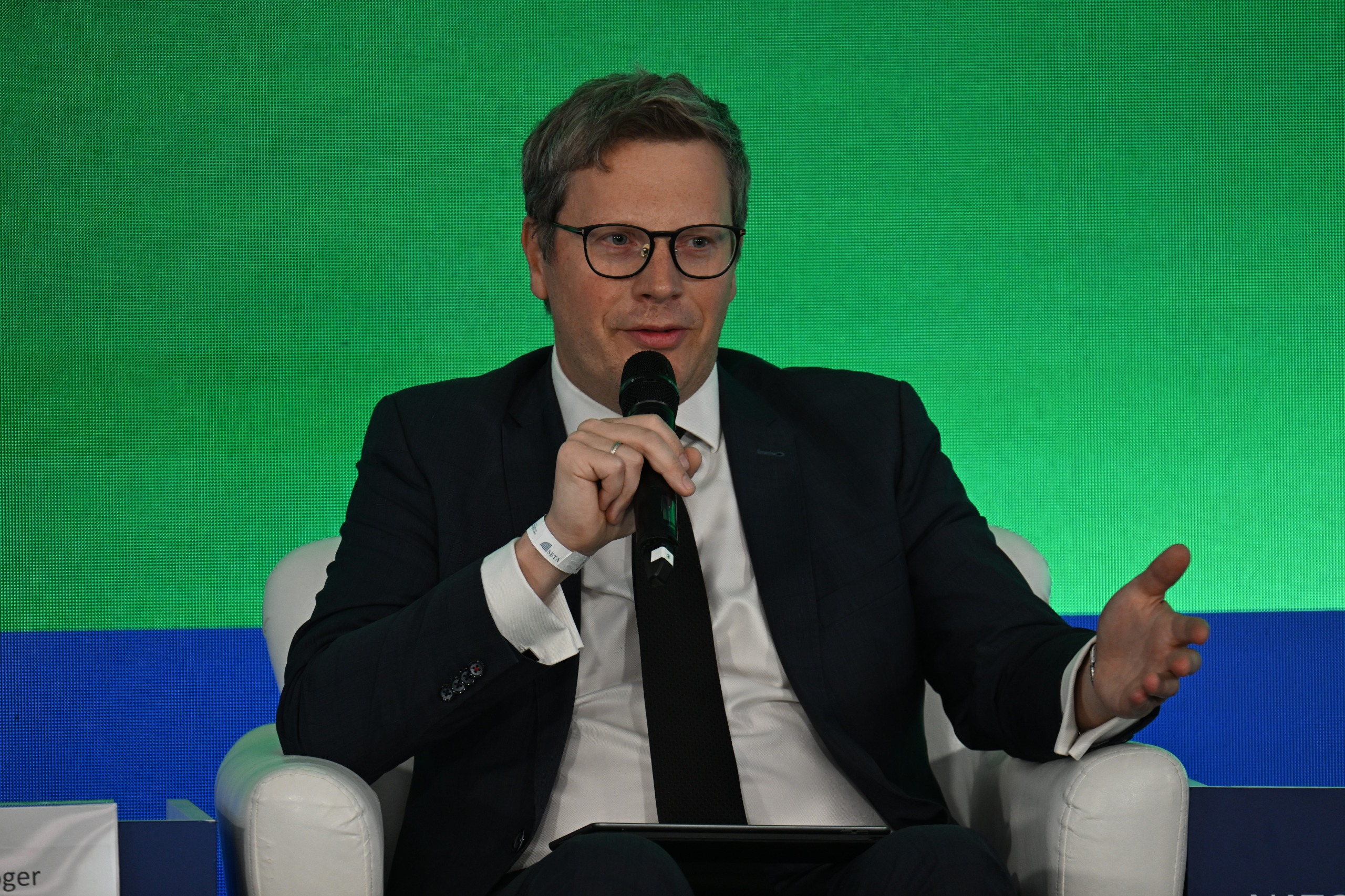
Estonian state official Martin Roger drew attention to the issue of cyber security, noting that government bodies were tackling it and that this was ultimately increasing public resilience.
Roger stated that the city of Narva, on Estonia’s border with Russia, was not the Moscow administration’s next target, saying, "I believe that the deterrence we have built up in Estonia—both at the national level and in collaboration with our allies—has reached a point where the Russians simply cannot afford to take such a step in Estonia."
Emphasising that they had made significant investments in border security, Roger noted that 81 per cent of Estonians were in favour of resisting in the event of an attack on the country.