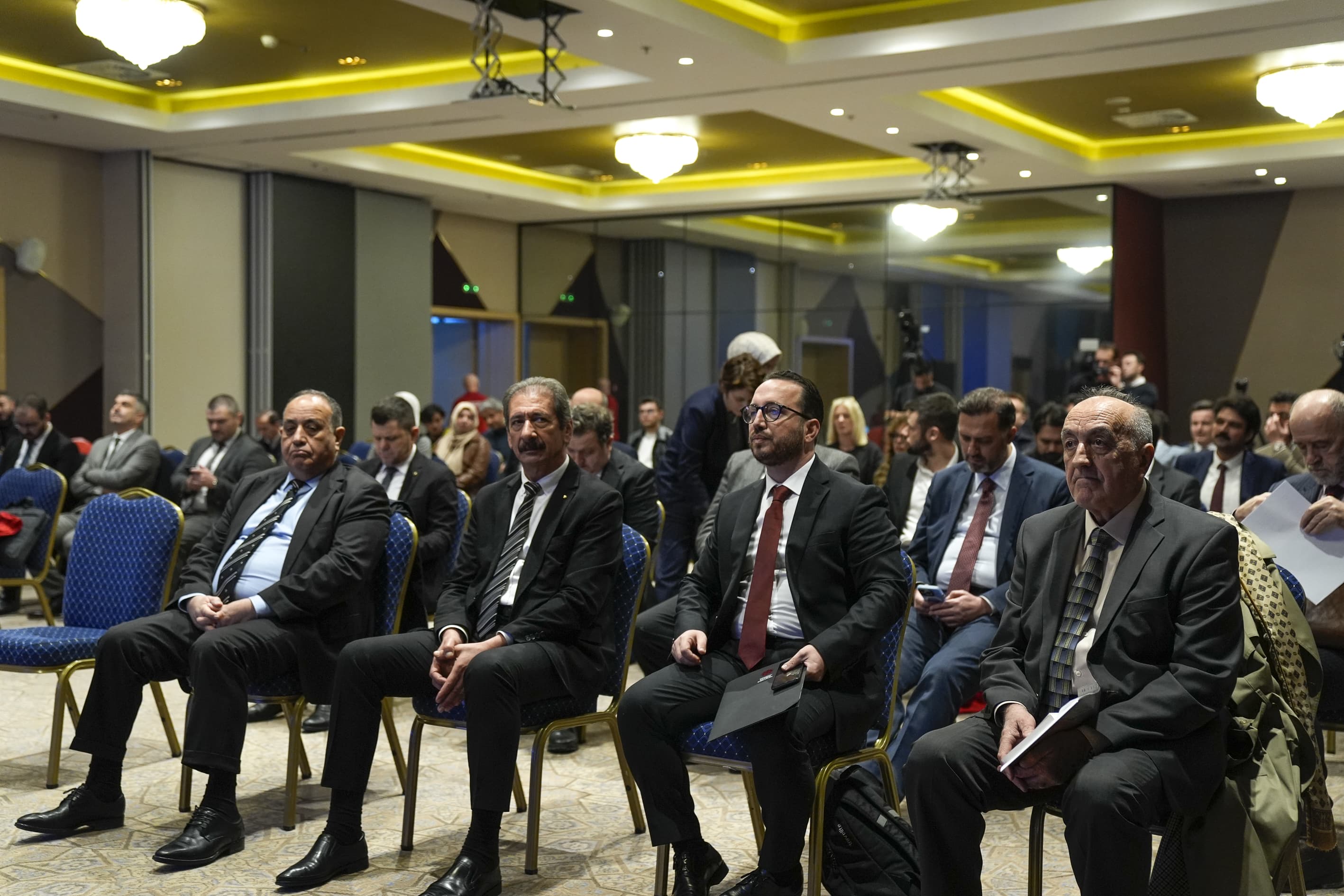
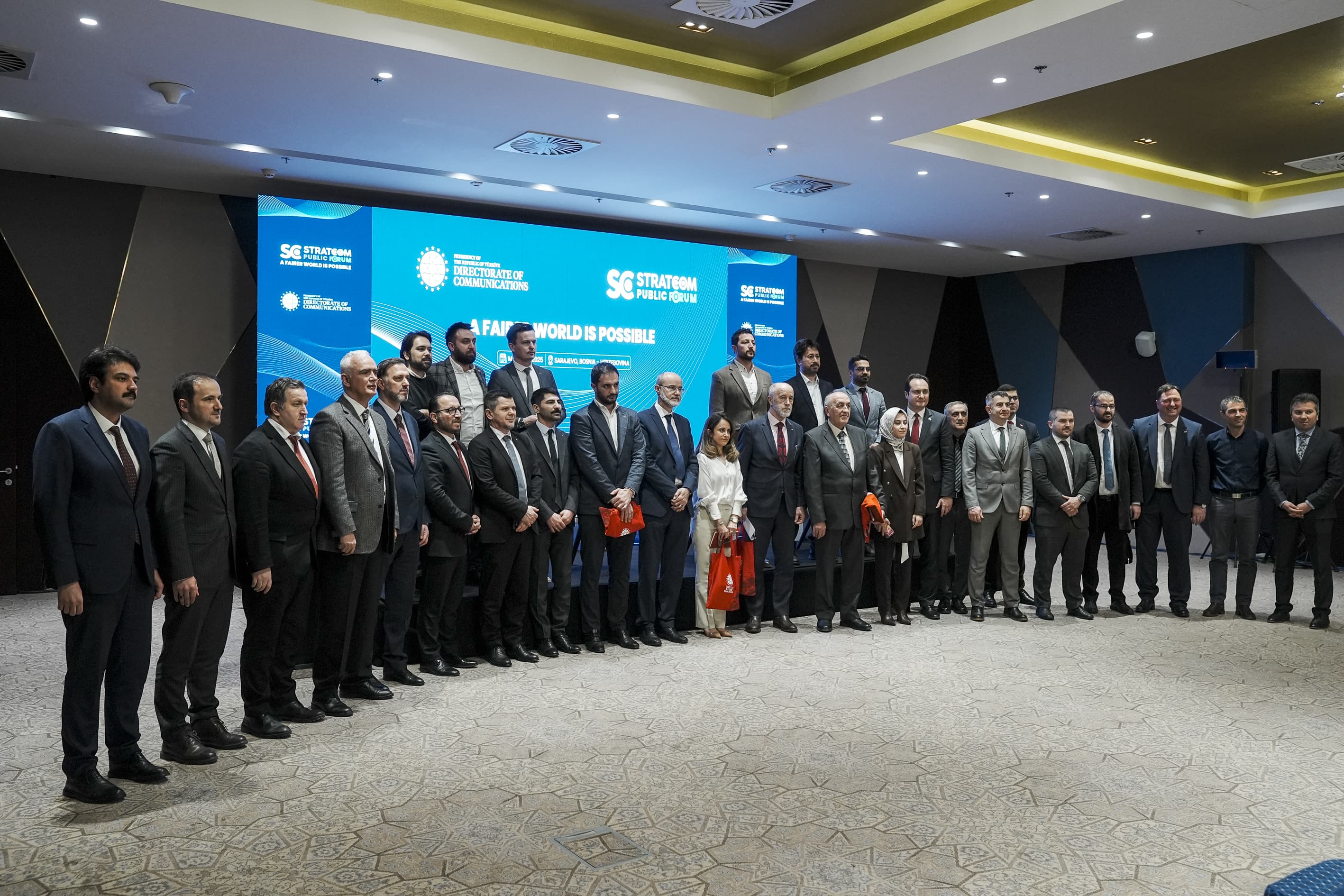
Our Directorate held a panel titled "A Fairer World is Possible" in Sarajevo, the capital of Bosnia and Herzegovina.
The panel was attended by representatives of Turkish institutions and organisations, academics, human rights advocates, journalists, international officials, representatives of non-governmental organisations, and numerous distinguished guests.
The panel opened with a video message from the Presidency's Head of Communications, Fahrettin Altun.
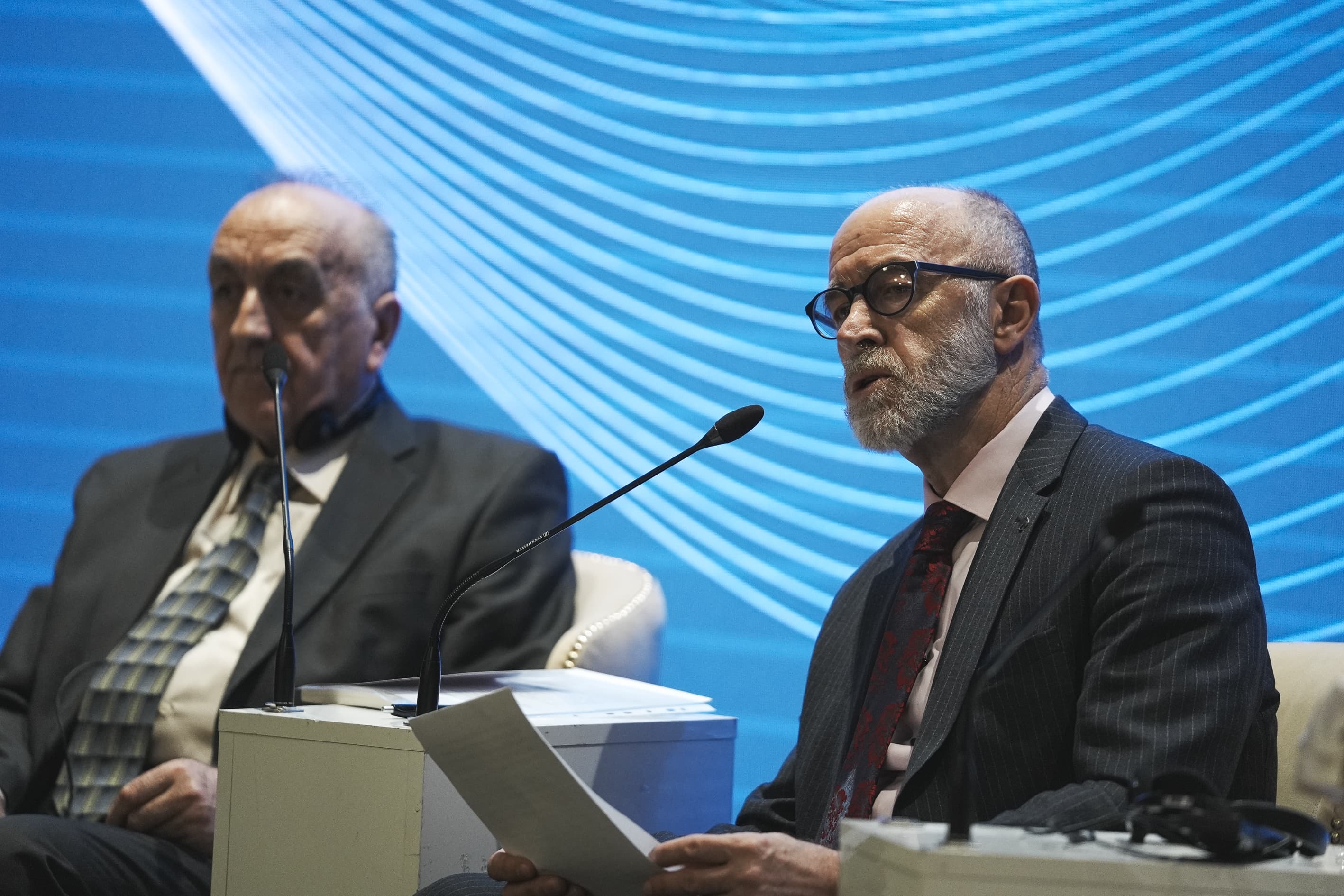
Professor Bengü Çelenk, Faculty Member of Ahi Evran University, moderated the panel titled "A Fairer World is Possible."
Speaking at the panel, Professor Sacir Filandra, Faculty of Political Sciences, University of Sarajevo, stated that the economic welfare of any society could not be separated from the democratic qualities of state administration.
Filandra noted that long-term growth depended on the existence of inclusive political and economic institutions that ensure broad participation of individuals, uphold the rule of law, and limit the power of elites.
Emphasising that these principles are "the cornerstone of sustainable economic growth," Filandra said, "Throughout history, countries that have developed and protected such institutions have achieved social prosperity, while totalitarian and authoritarian societies, where rent-seeking elites prevent all kinds of development, growth, innovation, and change, have stagnated or collapsed over time. Historical experience shows that economic prosperity, democracy, and the political power of the state are inextricably linked and mutually dependent on each other. The Republic of Türkiye, from my perspective as an outside observer, is an example that confirms this view."
Filandra stated that President Recep Tayyip Erdoğan's reform model proposal to the United Nations (UN) indeed makes a "fairer world" possible and remarked, "Today, in an era replete with attempts to transform the world into an estate market, such discussions initiated by President Erdoğan are increasingly gaining legitimacy and relevance. The UN Security Council is under the hegemony of five permanent members. President Erdoğan points out that 'the world is bigger than five,' and his call for a comprehensive reform of the UN Security Council is aimed at eradicating the monopoly of this global institution along with its Western and Eurocentric structure."
Filandra noted that the model proposed by President Erdoğan to the UN is not a political showdown but a demonstration of an ethical stance, candidly voicing that inadequate representation of the Islamic world, with a population of 1.5 billion, in the UN structures is unacceptable.
"President Erdoğan's criticism of the UN demonstrates a leadership perspective that reflects the political views of the Islamic world"
Former Ambassador Prof. Enver Halilović mentioned in his remarks at the panel that adverse and politically hostile attitudes towards Islam and Muslims stem from Medieval Europe.
Halilović expressed that the hostile attitude towards Islam, especially against Turks, is also directed towards Bosniak Muslims in the Balkans.
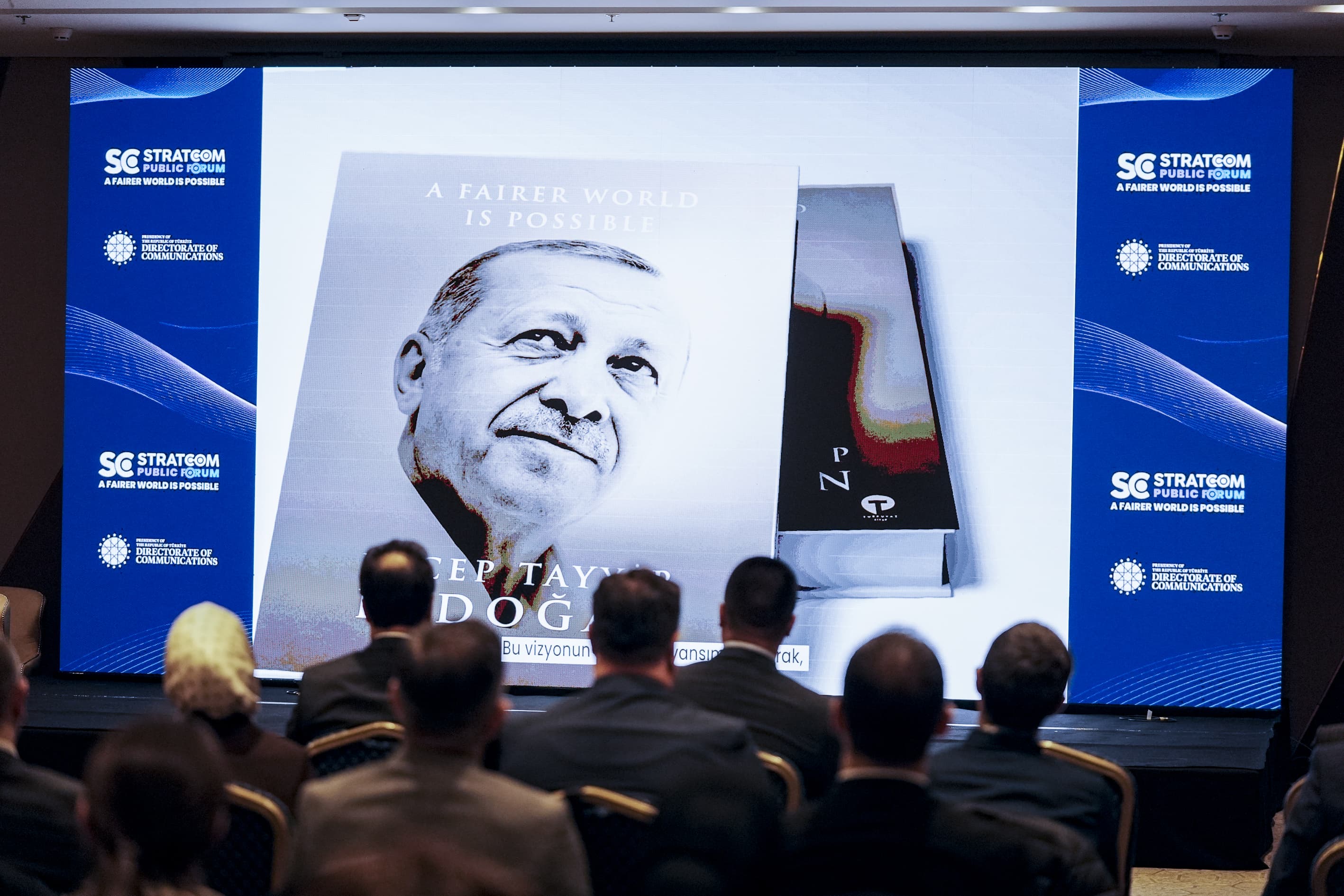
Underlining the importance of President Erdoğan's book "A Fairer World is Possible" to Europe and the Balkans, Halilović continued, "From Europe's ideological perspective, Muslims' understanding of the state solely points at an Islamic-theocratic system. However, Erdoğan's vision of the secular state in his book 'A Fairer World is Possible' is based on a classical Western, republican, and liberal democratic perspective of the state. Erdoğan's book is a work that criticises the current international order, with a particular emphasis on the UN system."
Halilović pointed out that the United Nations had failed to fulfill its founding objectives and forfeited its raison d'être and said:
"Erdoğan's book 'A Fairer World is Possible' is a comprehensive and in-depth critique of Islamophobia. The book classifies Islamophobia into four categories of terrorism: Islamophobic terrorism against Muslims in the West, discrimination against the Muslim diaspora, policies aimed at displacing Muslims from their ancestral homelands, and the Islamophobia industry. President Erdoğan's criticism of the UN, his vision of reform, and his evaluations of Islamophobic terrorism demonstrate a leadership perspective that reflects the political views not only of Türkiye but also of the Islamic world."
"President Erdoğan believes the UN has been ineffective in preventing conflicts"
Prof. Ahmet Alibasic from the Faculty of Islamic Sciences at the University of Sarajevo remarked that President Erdoğan, in his book "A Fairer World is Possible," addressed the issue of the West's inconsistent approach to human rights, democracy, and freedoms, and noted that these principles are upheld when they align with Western interests, yet overlooked at other times, citing the Srebrenica Genocide as a pertinent example.
Acknowledging that President Erdoğan noted in his book that the victorious nations dominated the UN following World War II, Alibasic said:
"President Erdoğan believes the UN has been ineffective in preventing conflicts. The organization failed to end the genocide in Bosnia, inadequately addressed the Palestinian issue, and did not respond sufficiently to humanitarian crises worldwide. Moreover, the UN Security Council postponed its response, permitting NATO to engage in Kosovo solely after an extended duration. The UN had been completely ineffective in Syria, taking no action in the face of the mass murders of half a million people. Erdoğan had pointed out the West's double standards in the combat against terrorism. He stated that the US and the EU have been supporting certain groups in Syria and Iraq, disregarding the terrorist threat in Muslim countries."
Faculty member of the International University of Sarajevo Assoc. Prof. Mustafa Krupalija stated that they have observed new developments in sociology, where each and every sociologist is conducting various research on the changing world order.
Noting that politicians are late to notice the ever-changing world, Krupalija made the following assessment:
"Most politicians think like bureaucrats. Many sociologists consider bureaucracy as the greatest disease of the modern era. They were taken aback by the re-election of US President Donald Trump due to their bureaucratic mindset. Trump's power stems from the strength of the country he leads. The United States stands as the pole in what is often referred to as a 'unipolar world.' Hypocrisy has peaked in recent times. I would like to use Trump as an example to unmask this hypocrisy. The authority that identifies illegal migration as Europe's foremost security concern, while simultaneously implementing stringent measures to curb it, suggests that the mass displacement of individuals could serve as a definitive resolution to the security challenges in the Middle East.
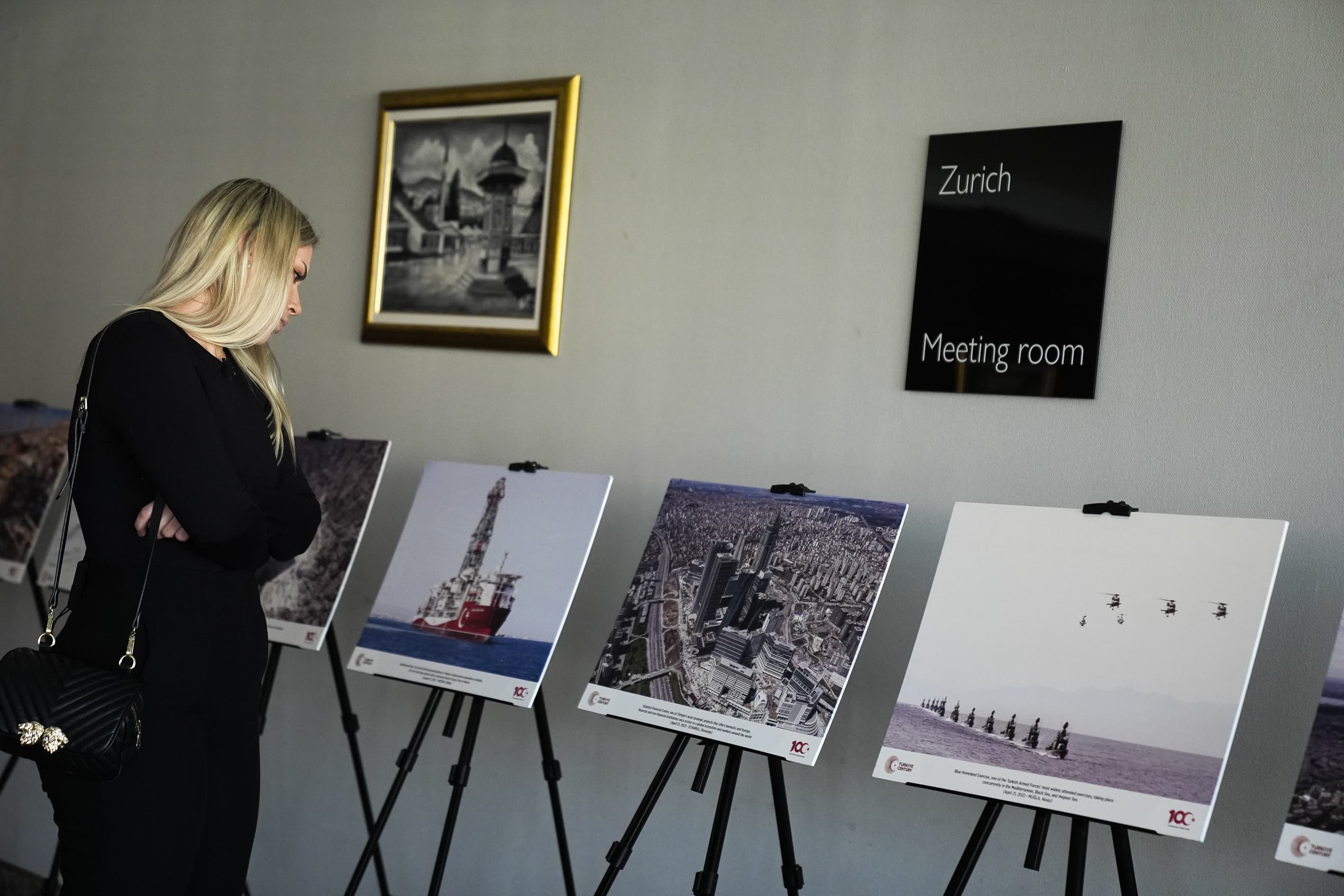
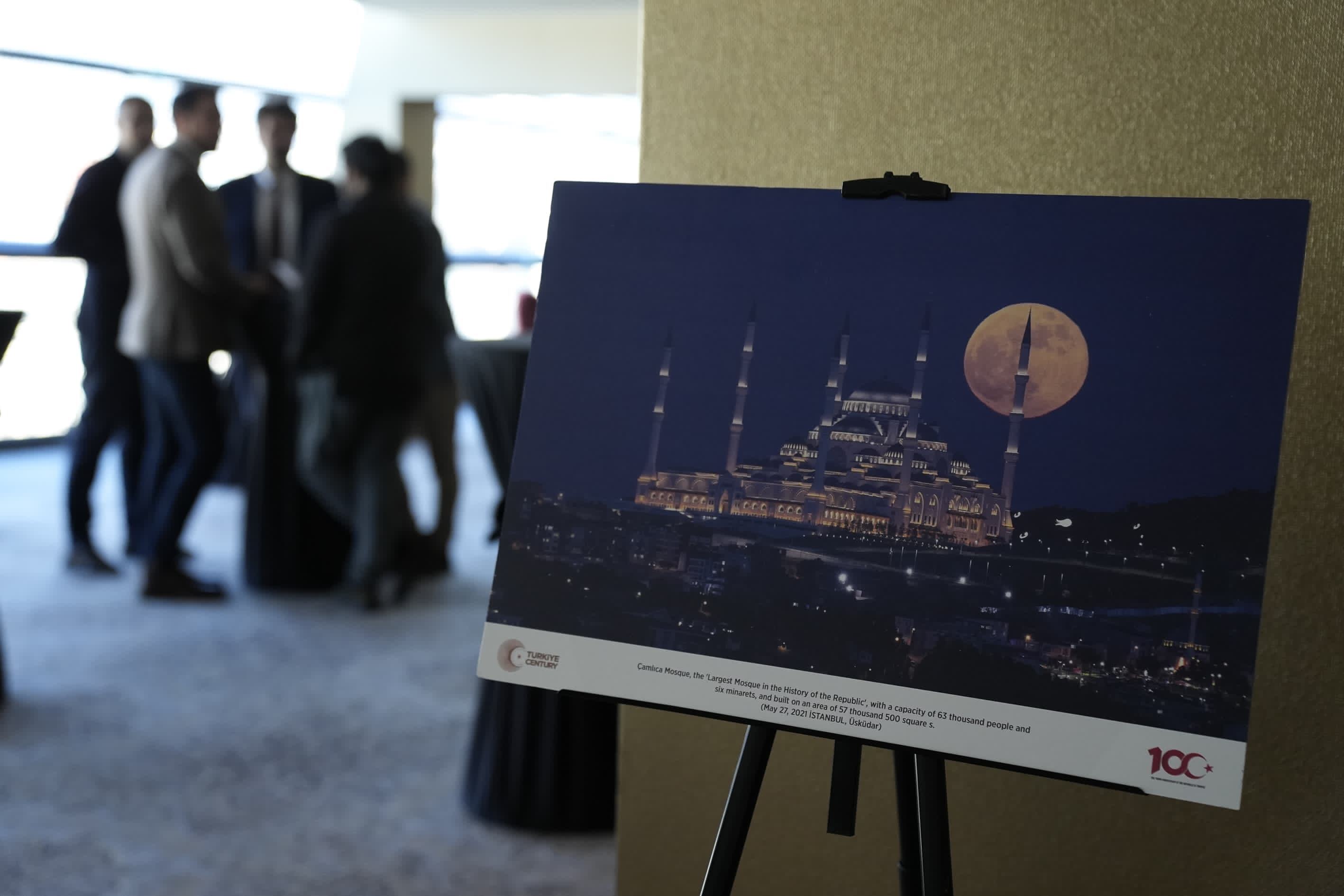
The panel included a roundtable meeting, a photo exhibition with the theme "Century of Türkiye," and the screening of the painter Devrim Erbil's "Devrim" documentary.
The Bosnian translation of President Erdoğan's book "A Fairer World is Possible" was also showcased in the event hall.