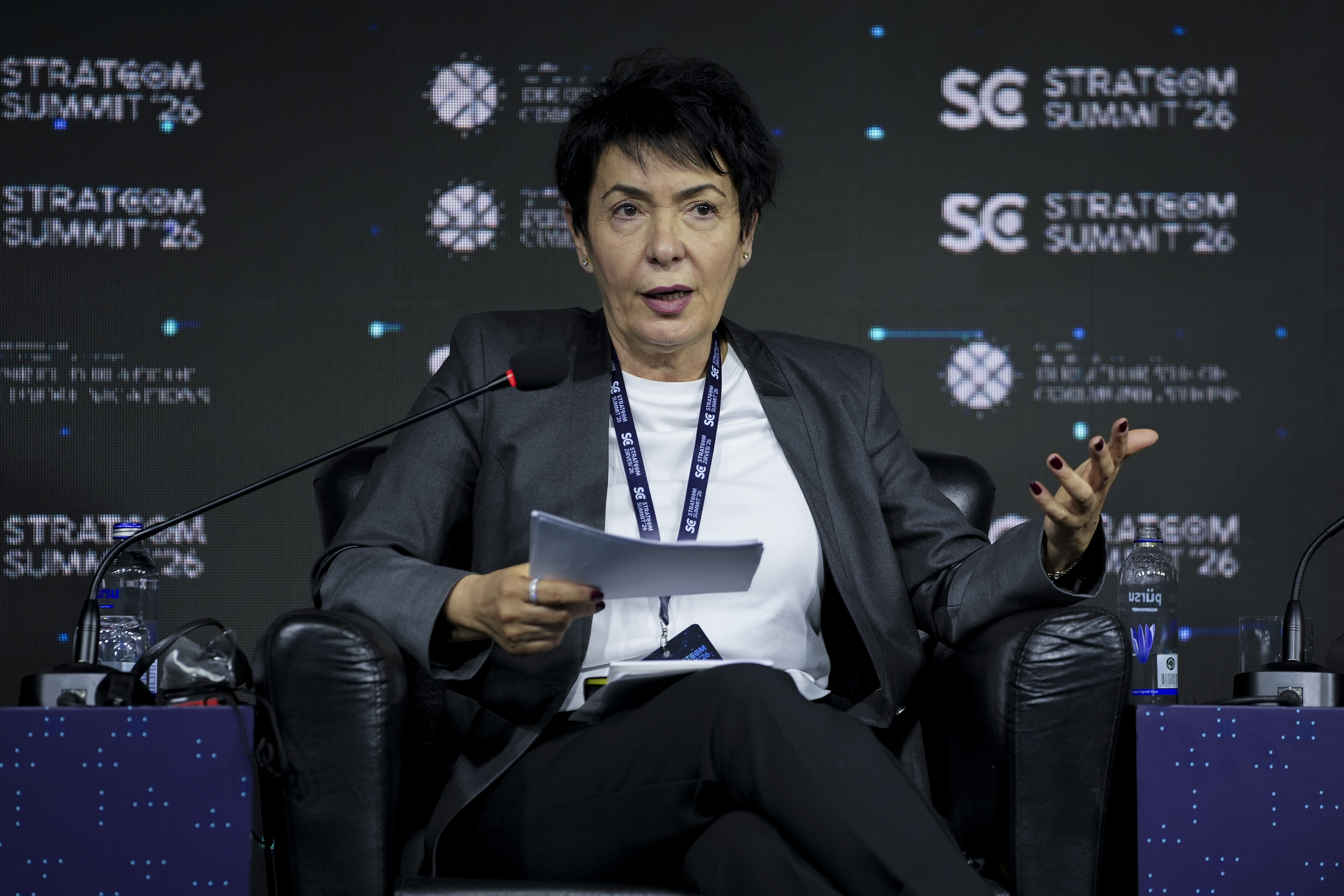
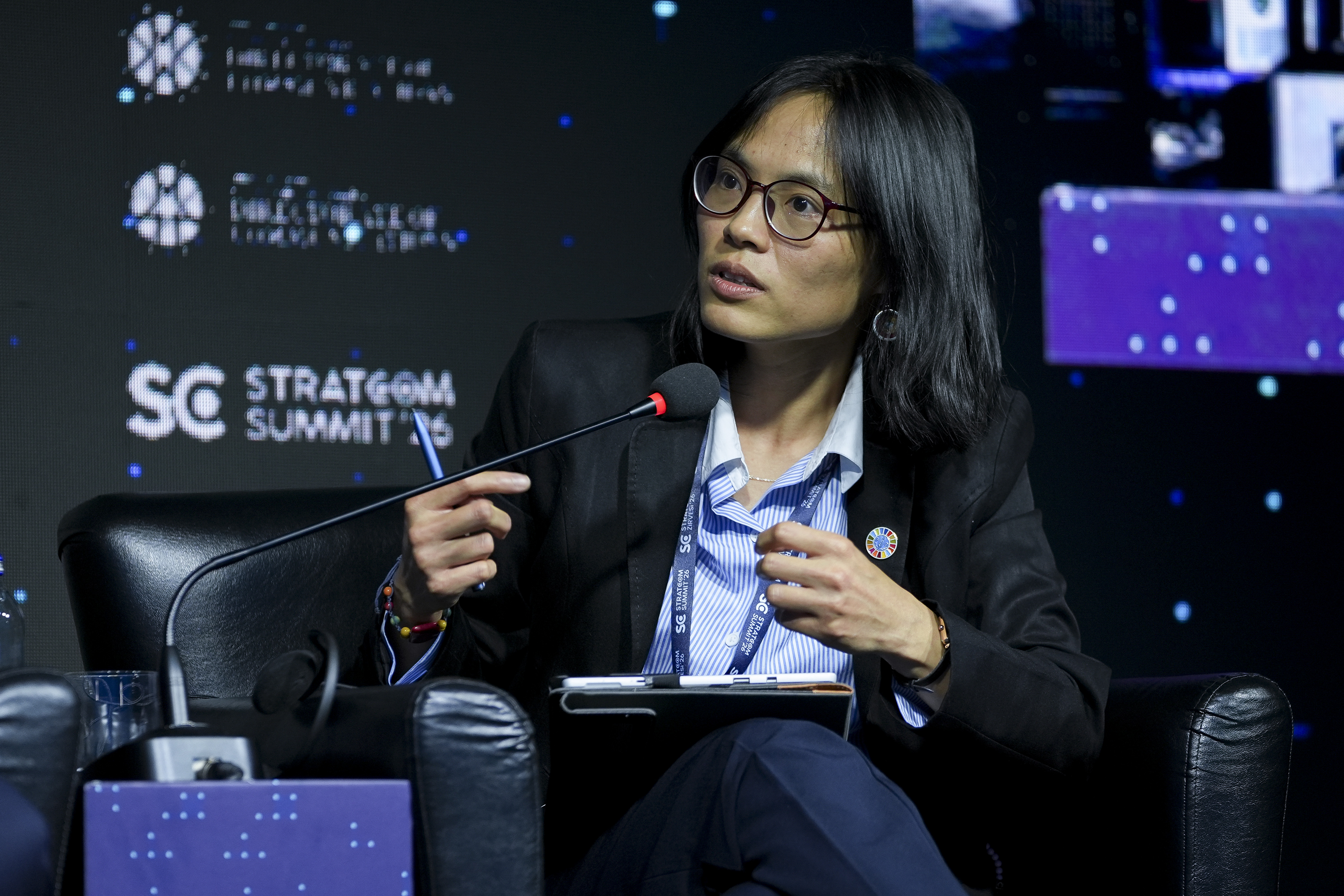
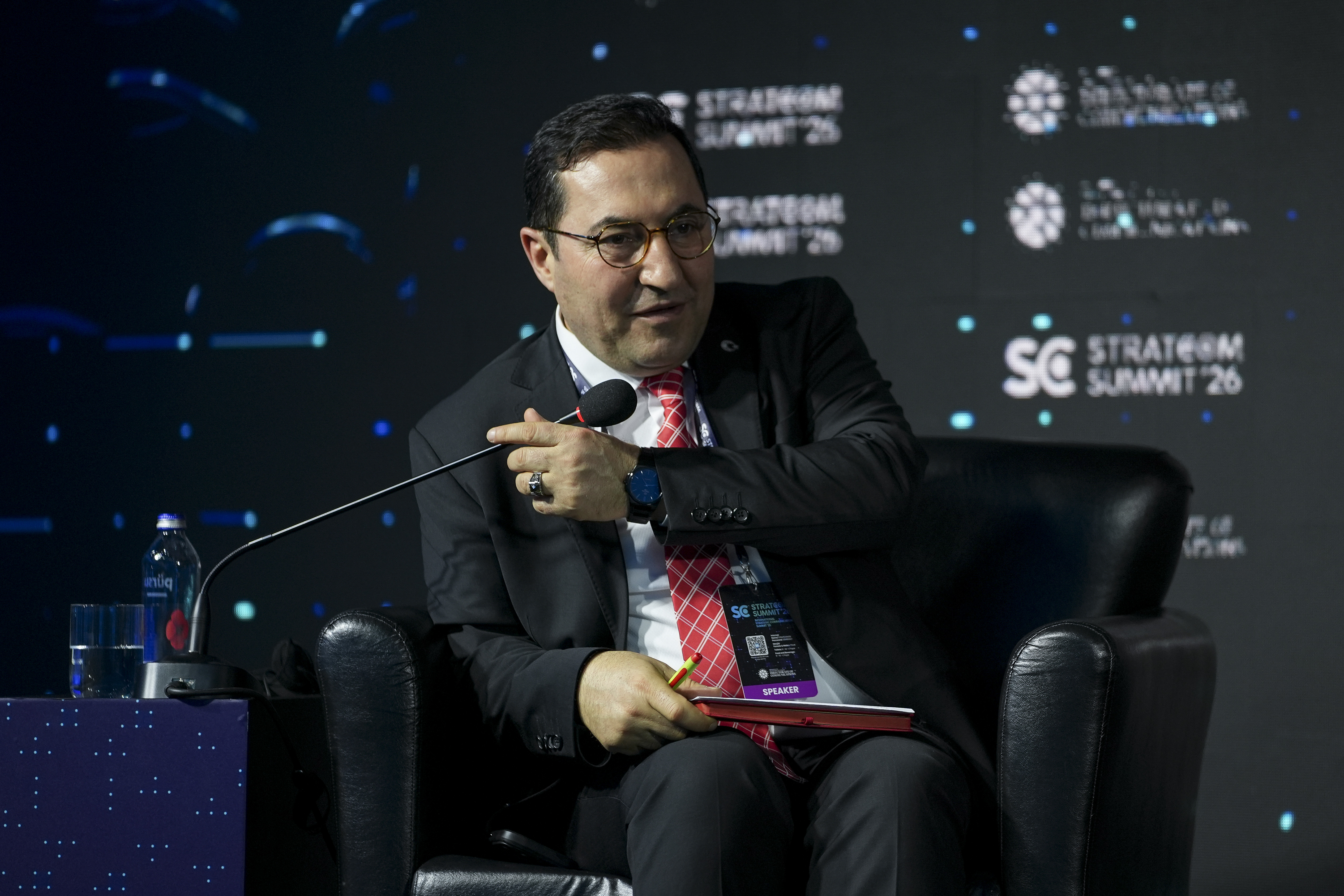
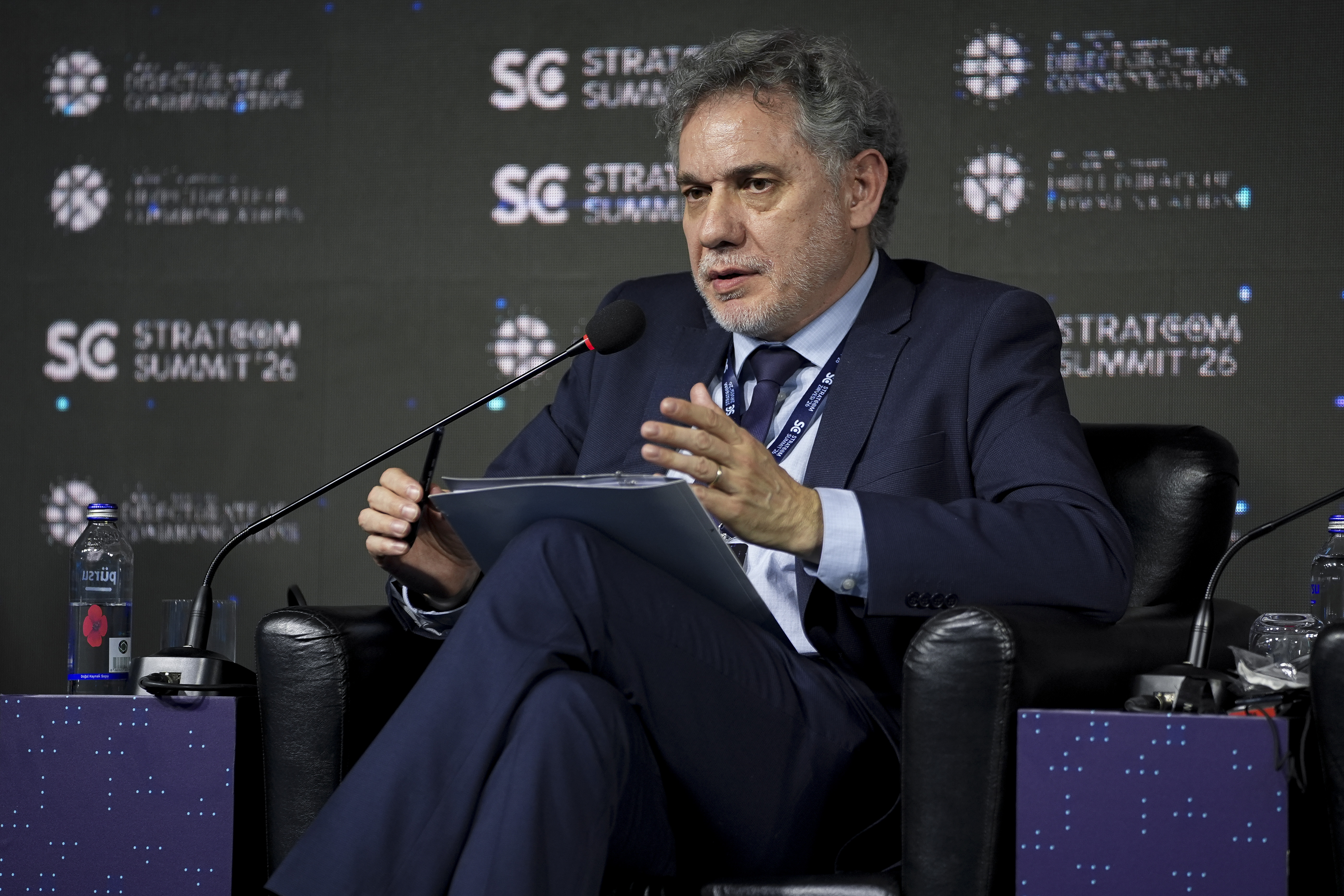
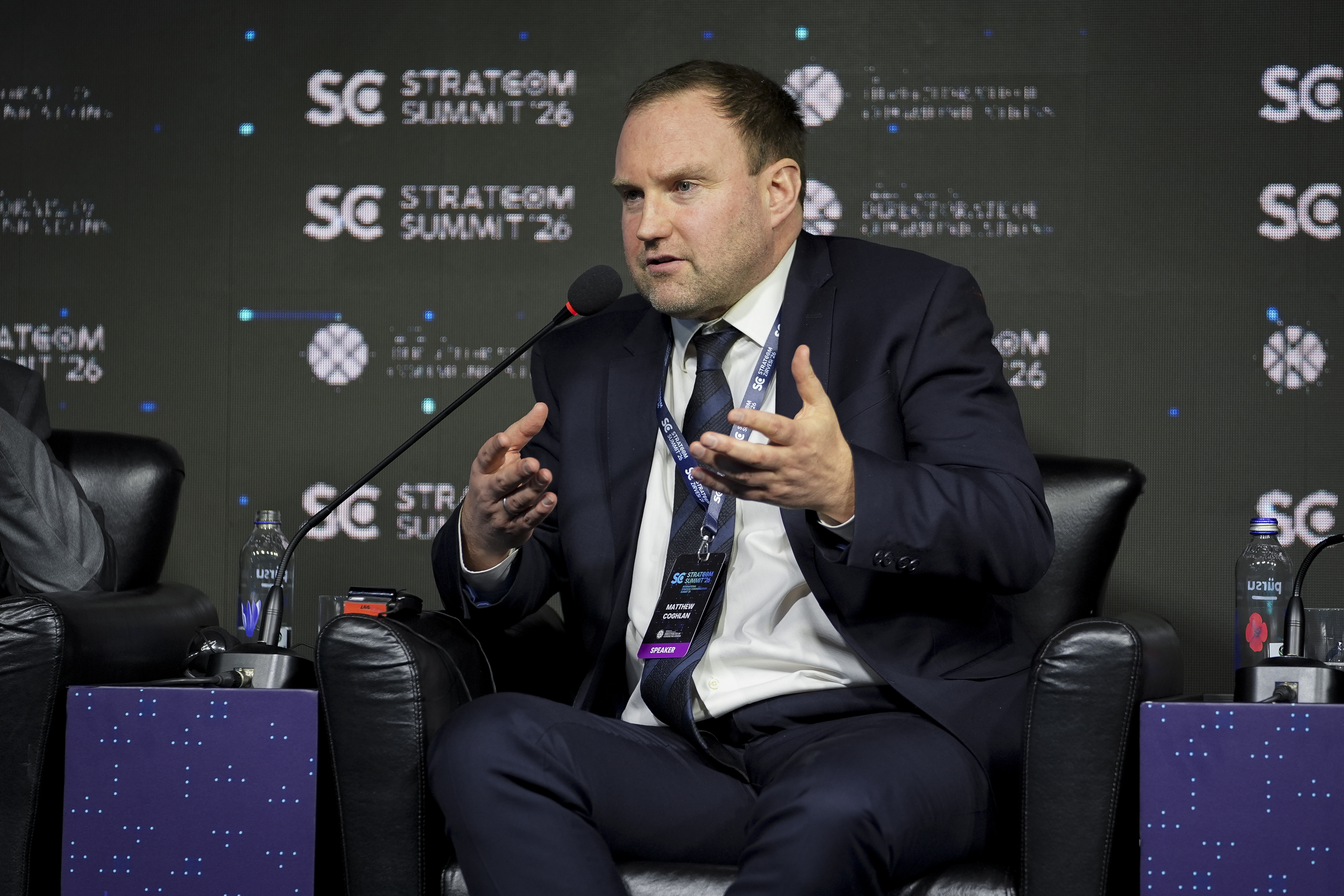
As part of the "International Strategic Communication Summit (STRATCOM) 2026," the panel titled "New Priorities in Climate Diplomacy" was held.
A panel titled "New Priorities in Climate Diplomacy" was held as part of the summit, organised by the Directorate of Communications, with the theme "Disruption in the International System: Crises, Narratives, and Search for Order" at a hotel.
The panel, moderated by Prof. Abdulmenaf Turan, advisor to the official office of the 31st Conference of the Parties (COP31) to the United Nations Framework Convention on Climate Change (UNFCCC), featured speakers including Prof. Ramon Salaverria from the University of Navarra; Prof. Nuran Yıldız from the Faculty of Communication of Ankara University; Matthew Coghlan, Communications Manager at the UNFCCC; and Van Nguyen, Programme Officer at the Office of Climate Change, Biodiversity and Environment of the Food and Agriculture Organisation of the United Nations (FAO).
Salaverria of the University of Navarra stated that climate change is not only an environmental issue but also a communication issue.
Salaverria said that climate change deniers previously promoted narratives claiming that global warming was not occurring, that human activities were not responsible, that climate change would not have serious impacts, and that it did not pose an existential threat. He added that more recently, this discourse has shifted towards questioning the feasibility of proposed solutions to the issue.
"Damage ranking reversed"
Prof. Yıldız stated that, if managed correctly, communication can lead to the right outcomes and stressed the need to approach this issue from a different perspective.
Yıldız recalled that activist Greta Thunberg began her first climate strike in 2018 and noted that, years later, Thunberg joined the Sumud flotilla for Gaza.
Yıldız stated, “We cannot look at the climate issue without understanding Greta’s transformation from 2018 to 2025,” emphasising that communication is a form of governance for diplomacy.
Yıldız, stating that priorities in climate diplomacy should focus on managing emotions, drew attention to the fact that climate concerns have turned into security concerns.
Yıldız said that in the past, conventional warfare followed a hierarchy of damage, in which targets were prioritised as military forces, civilians, and then indirect targets such as the environment and climate.
Emphasising that this ranking has now been reversed, Yıldız said, “Civilians now occupy the first place, climate and environment the second, and military targets the third.”
Yıldız said that in analysing media coverage of the U.S.–Israel attacks on Iran, the discourse has focused on an energy-centred war, while overlooking the human and climate dimensions.
''Multilateralism is currently under considerable pressure''
In his speech, the UN Framework Convention on Climate Change (UNFCCC) Communications Manager Coghlan underlined that trust is the most critical factor in climate diplomacy, stating, “We all know that multilateralism is currently under serious pressure, not only in relation to climate but also more broadly for many reasons. One of the areas we focus on in our strategic communication efforts is being truly honest not only about the challenges faced by climate diplomacy and multilateralism, but also about the progress achieved so far.
Pointing to the importance of the Paris Agreement, Coghlan said, “Without the climate cooperation under the Paris Agreement, and especially the efforts of national governments, global warming would have entered a trajectory of reaching 4 degrees, even up to 5 degrees. This is a level that almost no economy and very few people could cope with. However, thanks to multilateralism and the Paris Agreement, this trajectory has been almost halved.''
Nguyen, Programme Officer at the Office of Climate Change, Biodiversity and Environment of FAO, drew attention to the food crisis triggered by the climate crisis.
Pointing out that in recent years there has been significant crop loss due to the climate crisis, Nguyen said, “When heatwaves strike a society, or when prolonged droughts hit agricultural communities in particular, the situation very quickly turns into a much larger problem that goes far beyond food. For this reason, food security and climate security are interconnected. Indeed, in the past few years, we have clearly observed how rapidly this process has advanced and the trend in this direction.''