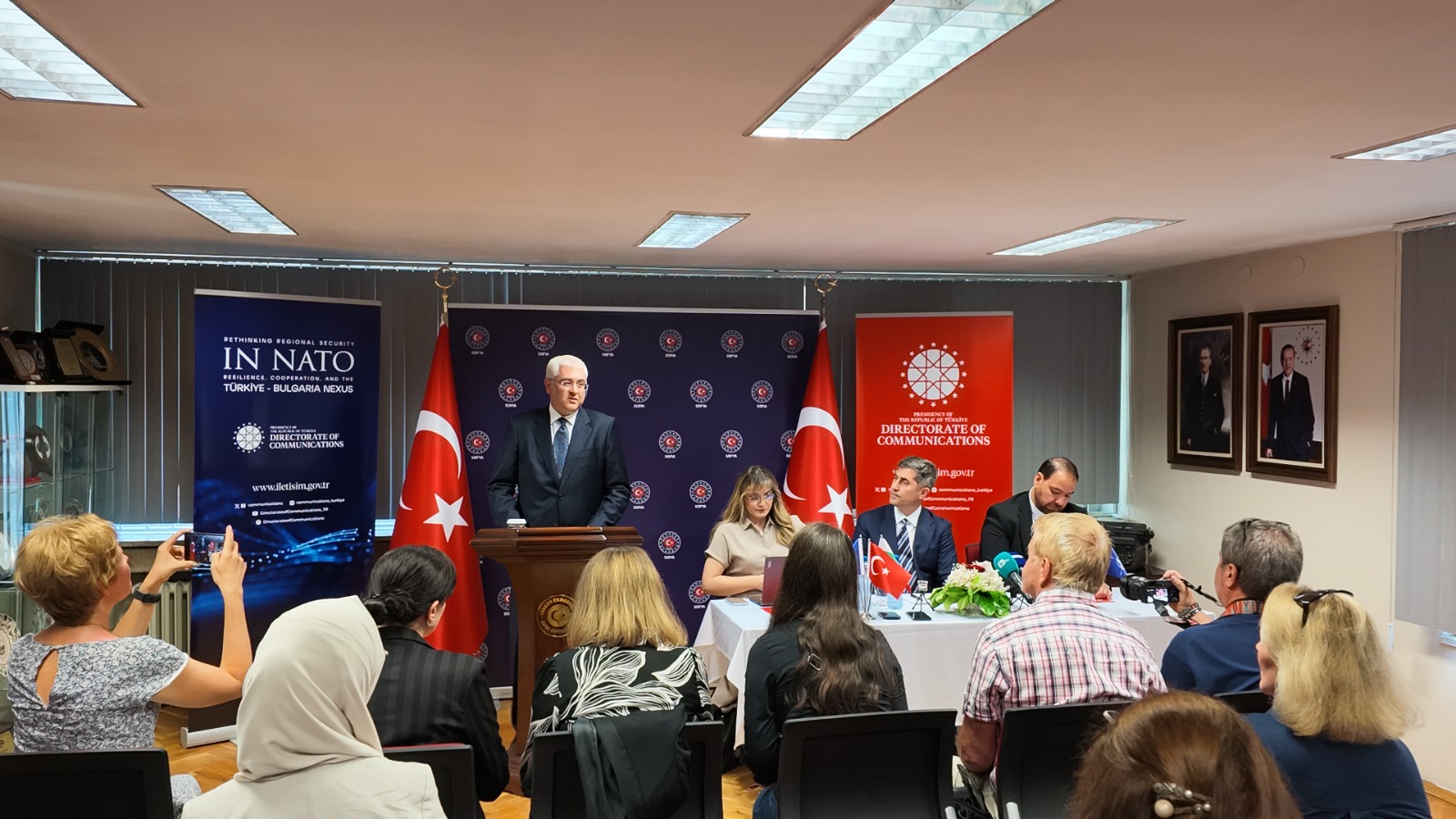
The Directorate of Communications organised a roundtable meeting entitled “Rethinking Regional Security in NATO: Resilience, Cooperation and the Türkiye–Bulgaria Nexus” in Sofia, the capital of Bulgaria, in collaboration with the think tank Centre for the Study of Democracy (CSD).
Ahead of the NATO Heads of State and Government Summit, which is due to take place in Ankara on 7–8 July 2026, the eleventh event in a series of programmes organised by the Directorate of Communications in the capitals of NATO member states, in collaboration with think tanks in the respective countries, was held on 25 June 2026 in Sofia, the capital of Bulgaria.
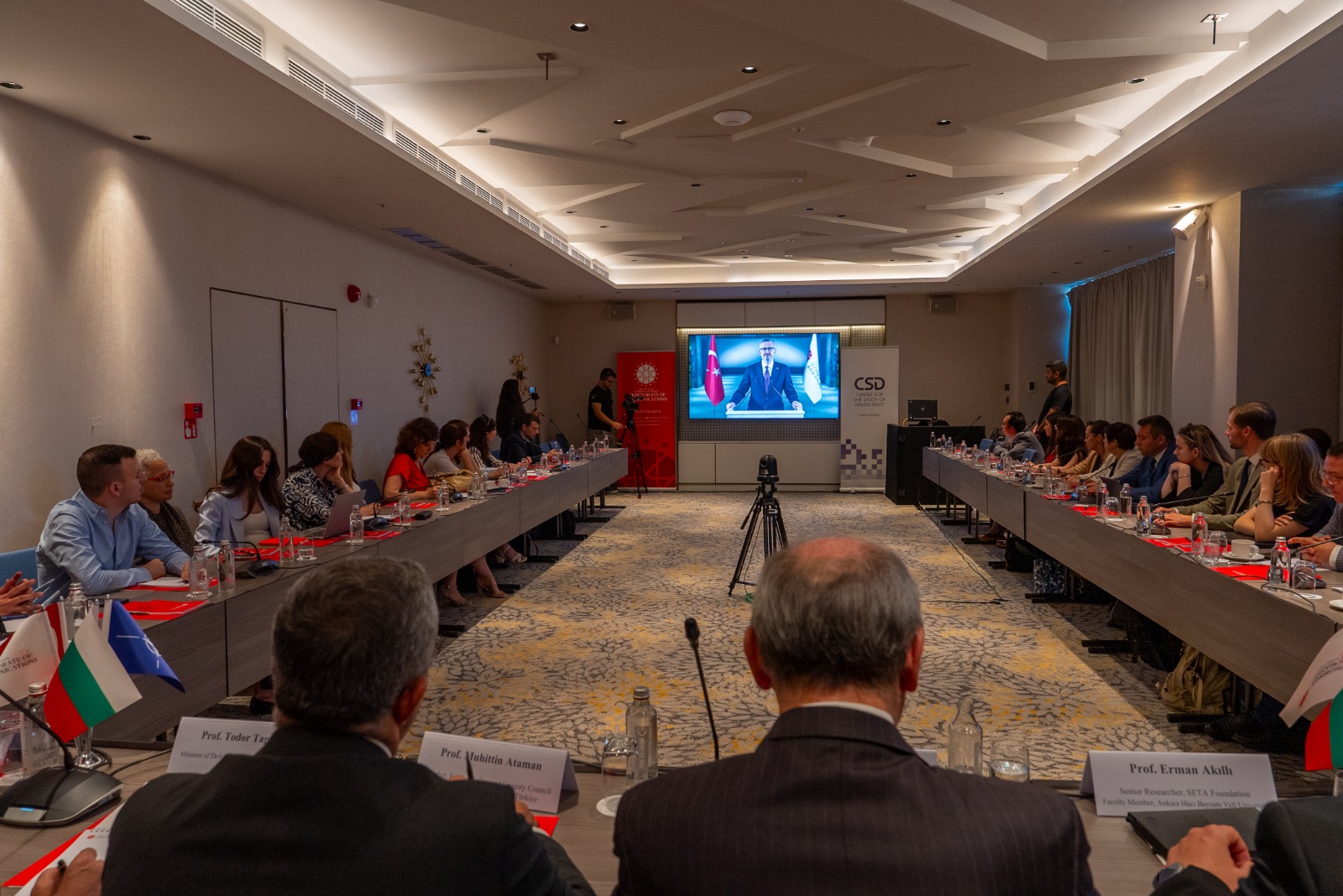
As part of the event, a roundtable meeting was held, entitled "Rethinking Regional Security in NATO: Resilience, Cooperation and the Türkiye–Bulgaria Nexus". The opening address of the programme was delivered by the Director of the Geoeconomics Programme at the Centre for the Study of Democracy, and the Presidency's Head of Communications, Prof Burhanettin Duran, addressed the participants via a video message. The roundtable meeting brought together a distinguished group of participants comprising diplomatic representatives from NATO member states, security and foreign policy experts, academics, representatives of think tanks and members of the press.
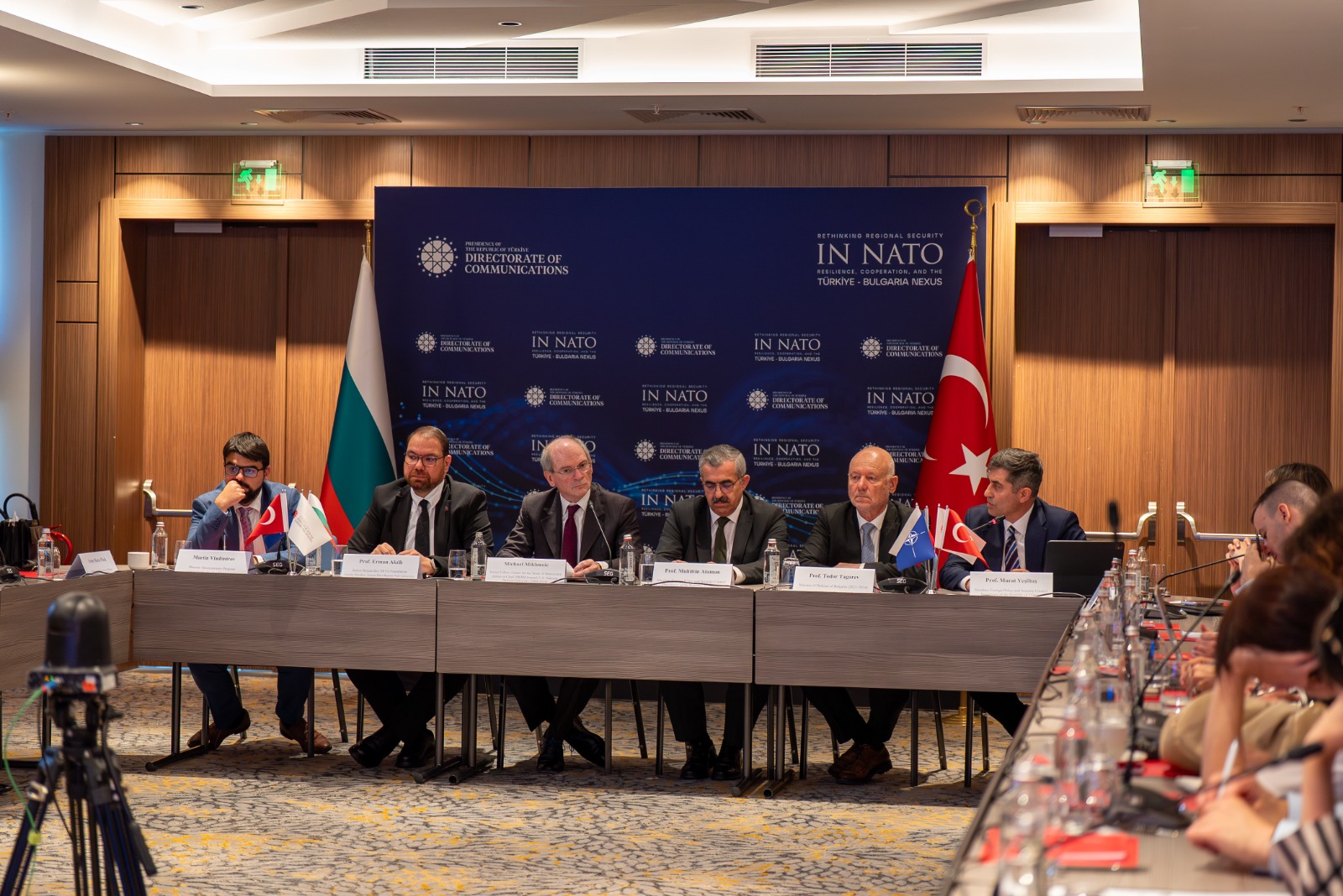
Moderated by CSD Senior Research Fellow Michael Miklaucic, the meeting featured Prof. Muhittin Ataman, Member of the Presidential Security and Foreign Policy Council and Head of the Department of International Relations at Ankara Social Sciences University; Prof. Todor Tagarev, former Minister of Defence of Bulgaria; Prof. Murat Yeşiltaş, Member of the Presidential Security and Foreign Policy Council and Faculty Member at the Department of International Relations at Social Sciences University of Ankara; Prof. Erman Akıllı, Senior Researcher at the SETA Foundation and Faculty Member at the Department of International Relations at Ankara Hacı Bayram Veli University; and Martin Vladimirov, Director of the CSD Geoeconomics Programme, as speakers.
The meeting, held in two sessions, addressed expectations for the Ankara Summit, the implications of the war in Ukraine for Black Sea security, Türkiye’s strategic role within NATO, and efforts to enhance the Alliance’s defence and deterrence capabilities.
The speakers underscored the importance of Türkiye’s contributions to preserving stability in the Black Sea, the implementation of the Montreux Convention, its defence industry capabilities, and its diplomatic role within NATO.
The meeting also examined regional security cooperation mechanisms, notably the Mine Countermeasures Black Sea (MCM Black Sea) Task Group established among Türkiye, Bulgaria, and Romania. The need to further enhance Türkiye–Bulgaria cooperation in the areas of energy supply security, the protection of critical infrastructure, and defence technologies was emphasised. In this context, the strategic importance of the Black Sea region for the Euro-Atlantic security architecture was underscored.
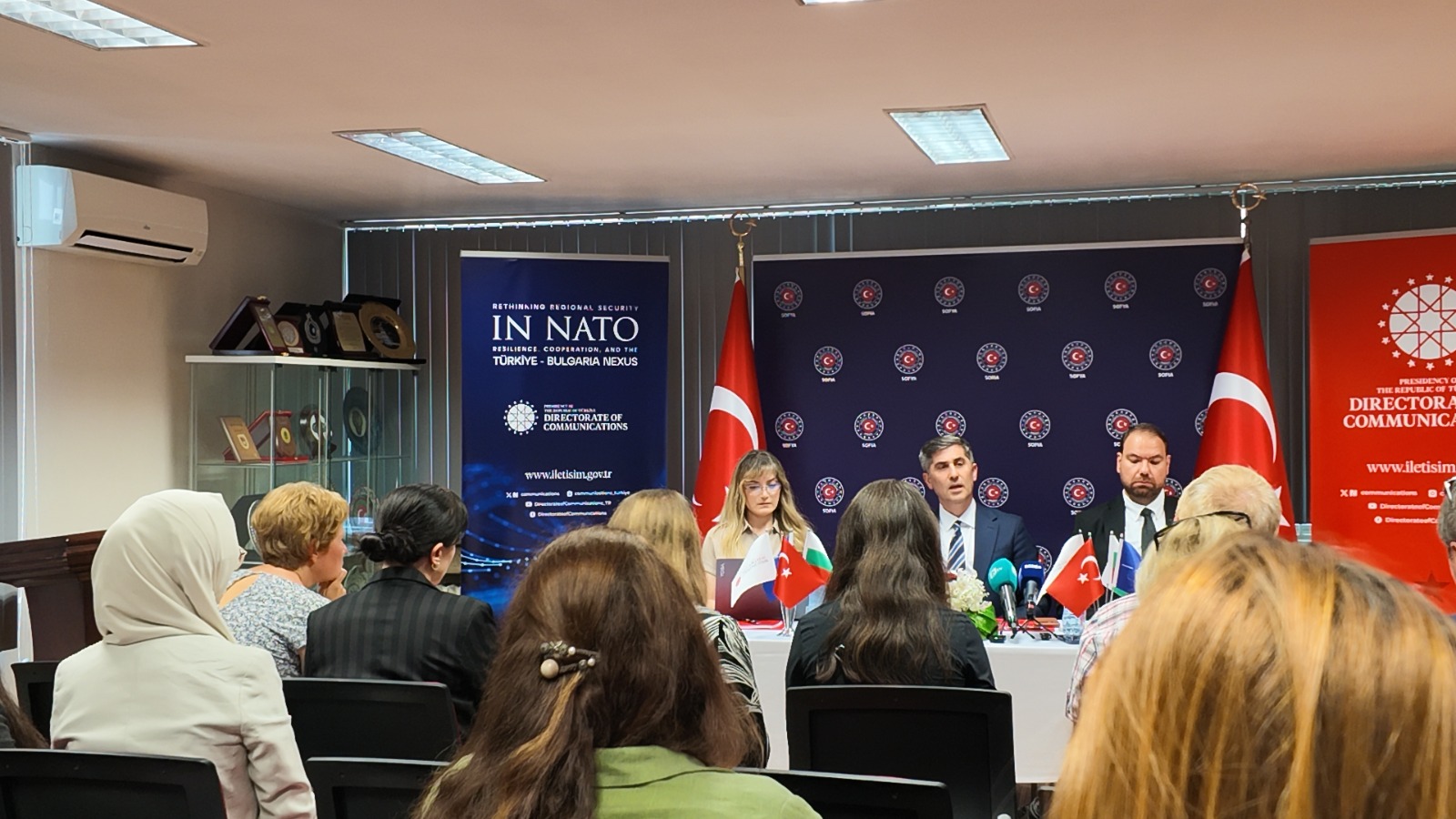
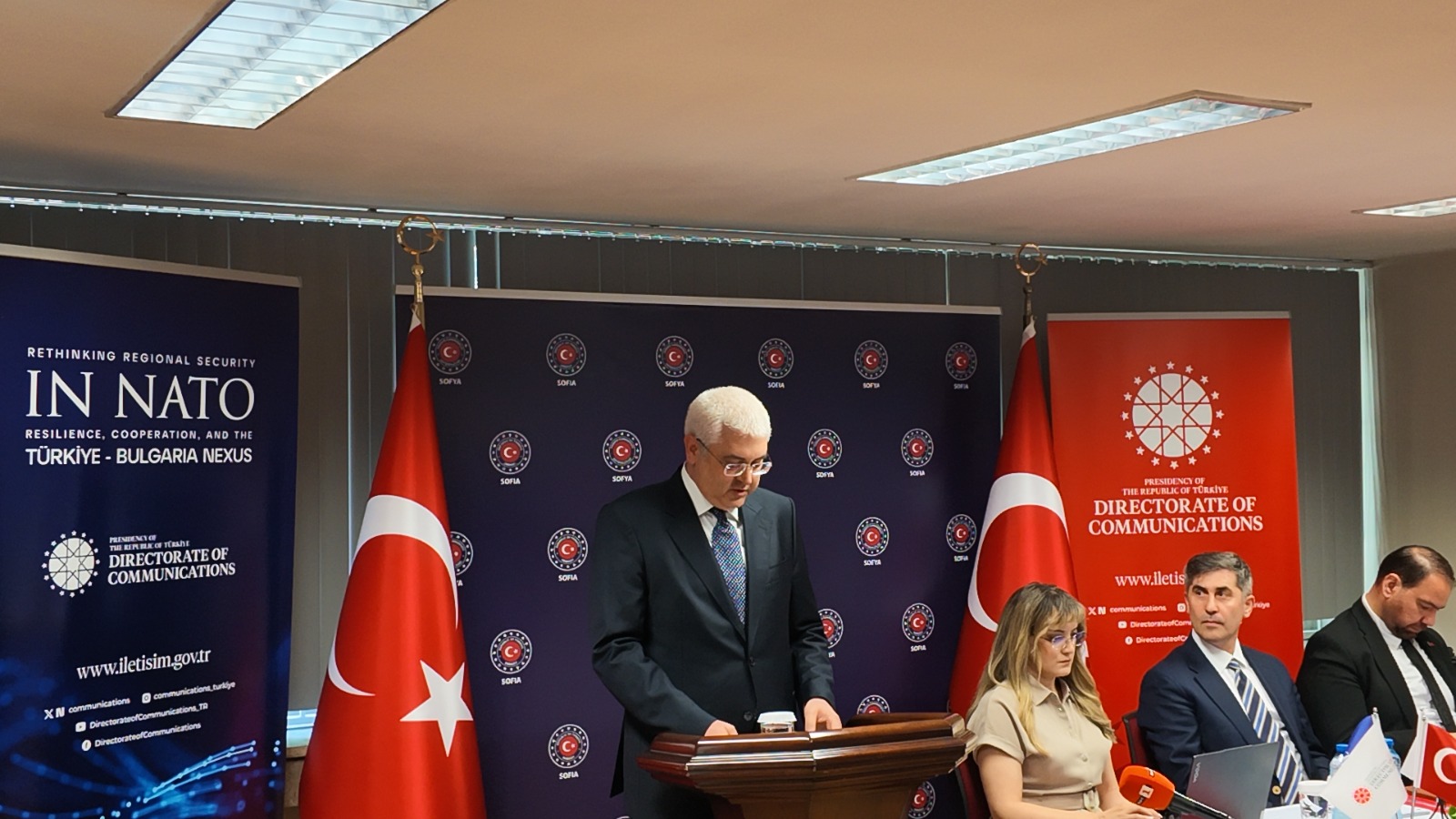
The second session of the event featured a press meeting at the Embassy premises, hosted by Mehmet Sait Uyanık, Ambassador of the Republic of Türkiye to Sofia. At the meeting, attended by members of the national and international press based in Sofia, Prof Murat Yeşiltaş, Member of the Presidential Security and Foreign Policy Council and faculty member at Social Sciences University of Ankara, and Prof Erman Akıllı, Senior Researcher at the SETA Foundation and faculty member at Ankara Hacı Bayram Veli University, offered assessments regarding the upcoming NATO Summit in Ankara, Türkiye’s role within the Alliance, its defence industry capabilities, and NATO’s adaptation to the evolving security environment. The meeting also covered the war in Ukraine, transatlantic relations, the importance of the southern flank, and the need for an international regulatory framework for the responsible use of artificial intelligence and autonomous systems.