As part of Turkish Cuisine Week, organised for the fifth time this year by the Directorate of Communications under the auspices of First Lady Emine Erdoğan with the theme “The Heritage Table,” a comprehensive series of events highlighting Türkiye’s gastronomic heritage and cultural richness was held.
As part of events organised on both national and international scales, the deep-rooted history of Turkish cuisine, its sustainable character, and its role in cultural diplomacy were discussed through workshops, panels, culinary ateliers, tasting events, and cultural tours. Throughout the events, participants from different cultures came together, while flavours reflecting Anatolia’s ancient culinary tradition and our country’s gastronomic heritage attracted considerable interest. The event series, which began in Gaziantep, Girne (Kyrenia), and Paris, will continue in London. In addition, the events are planned to continue in Hatay and Afyonkarahisar, our other gastronomy cities, included in the UNESCO Creative Cities Network.
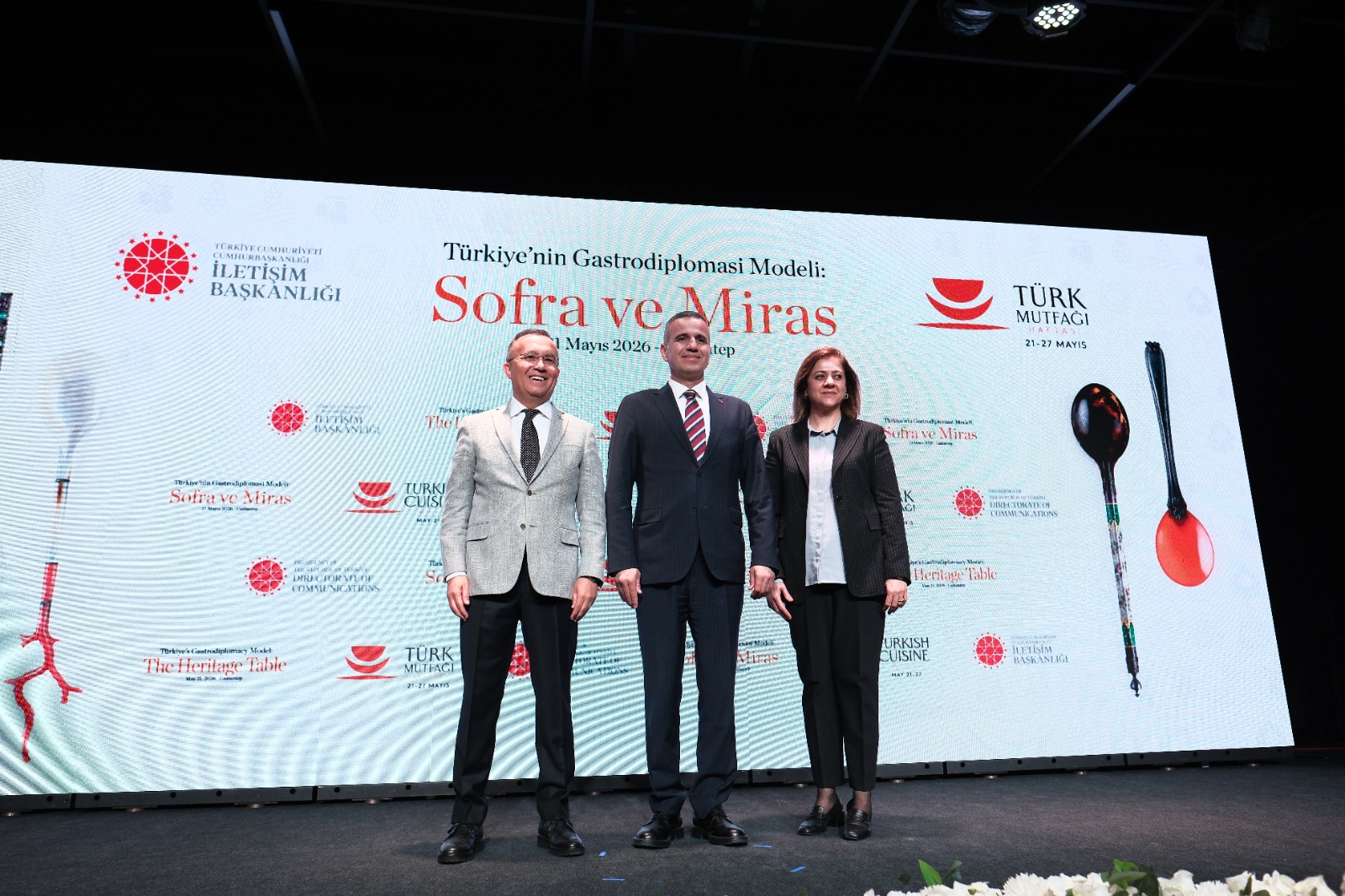
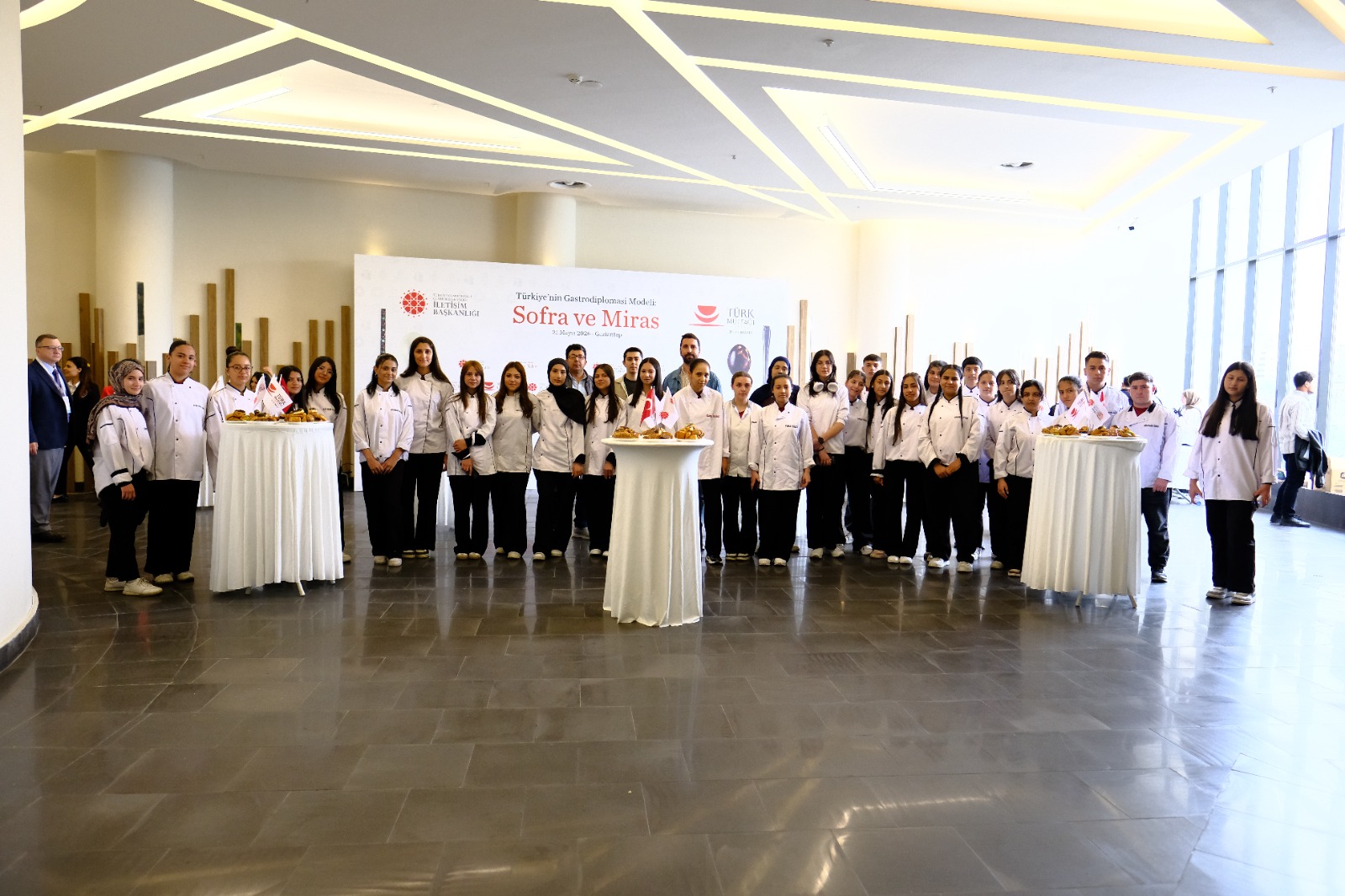
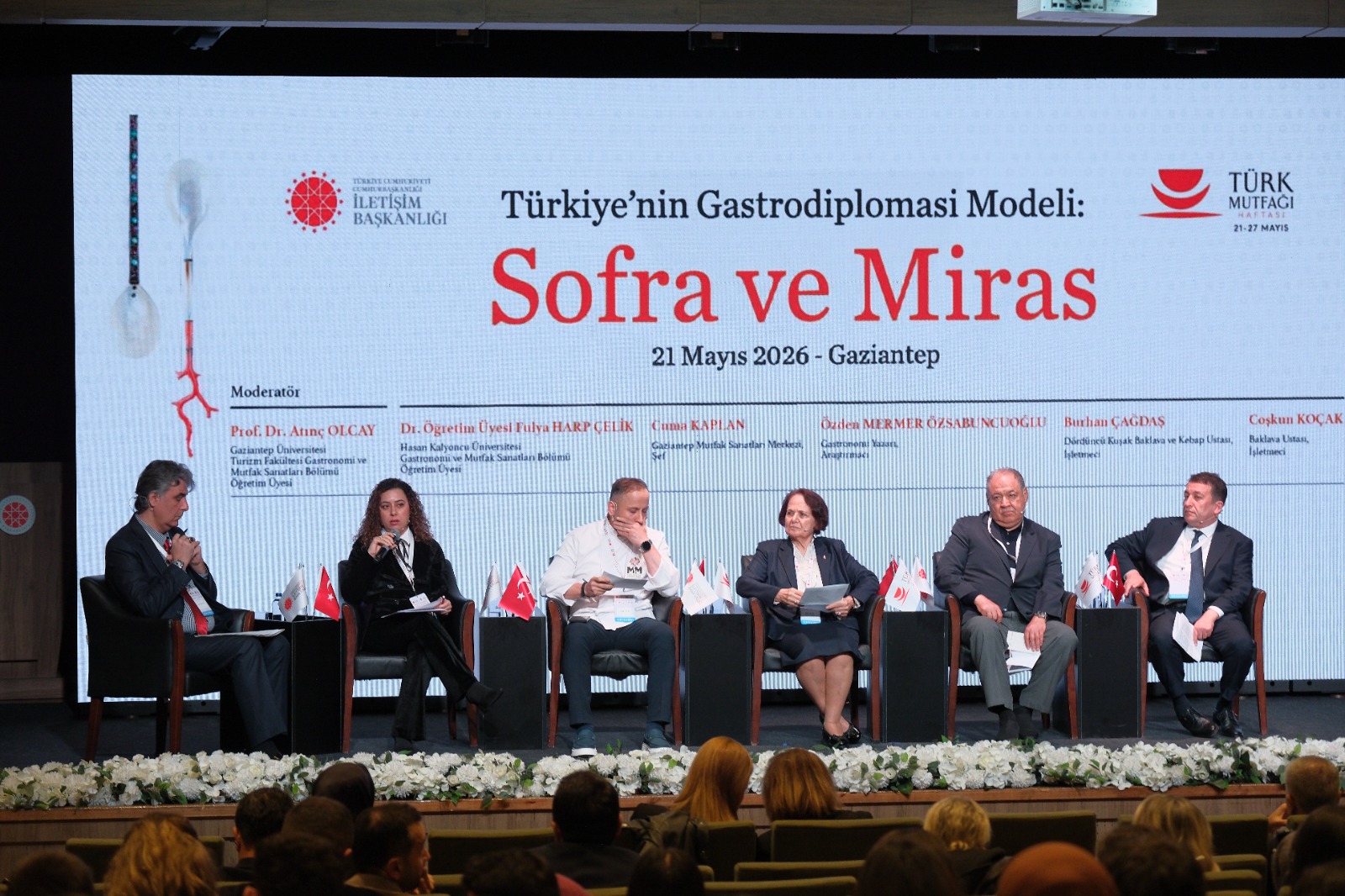
The opening of the event series was hosted by our city of Gaziantep, designated in the field of gastronomy within the UNESCO Creative Cities Network. The panel titled “Gastrodiplomacy in Gaziantep: The Heritage Table” explored the historical roots of Turkish cuisine and table culture from the perspectives of cultural diplomacy and nation branding. Gaziantep’s identity as a UNESCO Gastronomy City, its local culinary memory, and its traditional production culture were evaluated within the framework of Türkiye’s gastrodiplomacy vision. The workshop titled “Gastrodiplomacy Model and Cooperation Mechanisms for Gaziantep” addressed policy recommendations on how Türkiye-specific multi-stakeholder cooperation mechanisms can be transformed into a sustainable and institutionalised gastrodiplomacy model. As part of the event, culinary workshops, tasting programmes, and cultural city tours were also organised for representatives of relevant public institutions and organisations active in the field of gastrodiplomacy, academics, local government stakeholders, members of the domestic and foreign press, and social media content creators.
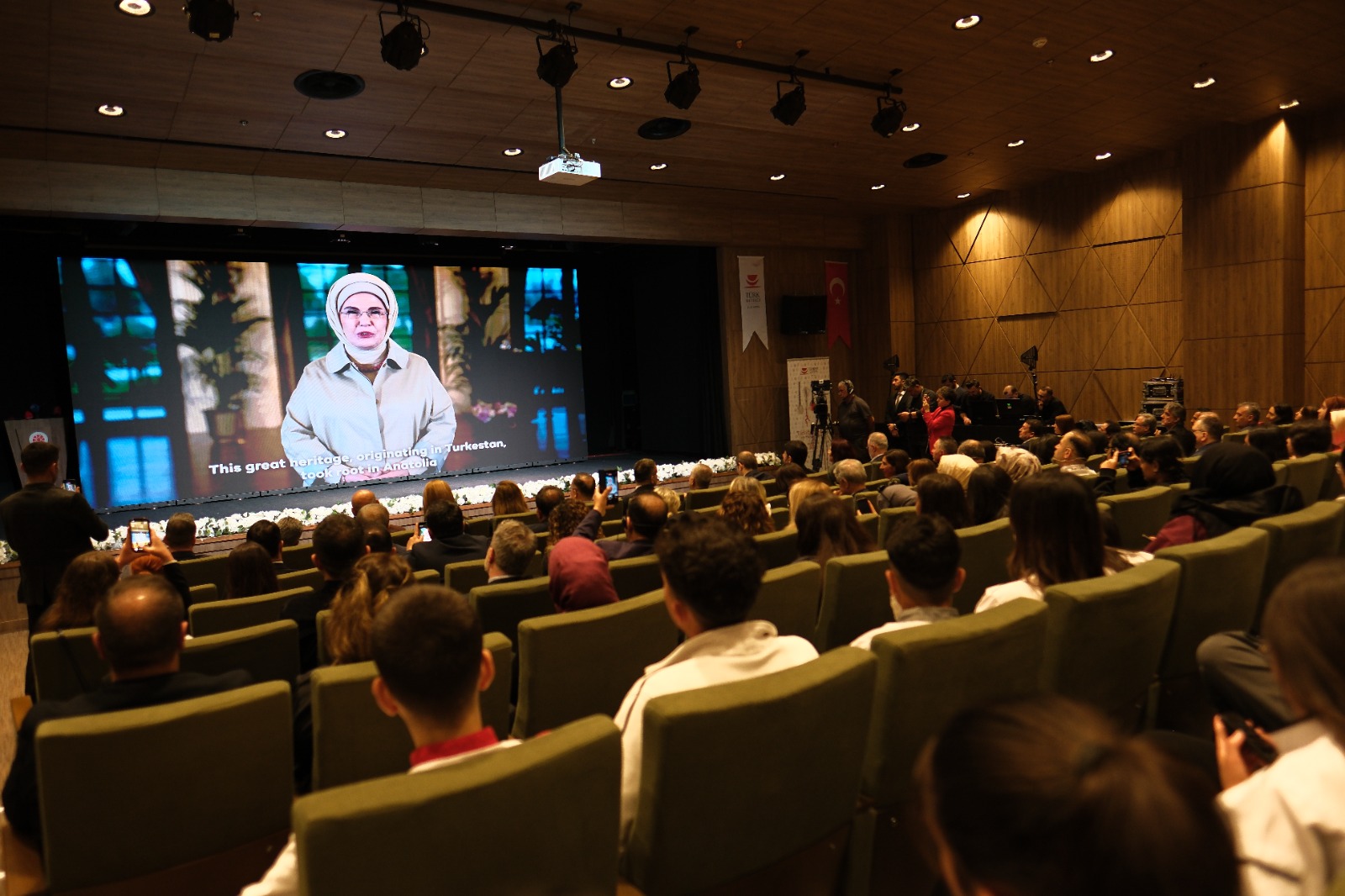
In her video message, First Lady Emine Erdoğan emphasised the unifying power of Turkish cuisine and stated: “Turkish cuisine is one of history’s oldest archives, a vast ocean of culture and memory of a civilisation. This great heritage, originating in Turkestan, took root in Anatolia and spread across every corner of the Ottoman Empire over the centuries. Throughout this historical journey, different cultures have come into contact with one another, nourished one another, and evolved into a unique gastronomic heritage that has deepened layer by layer. Simmering pots have produced not only food, but also a language of civilisation that strengthens intercultural dialogue. People of different faiths, languages and identities have become neighbours in the peaceful landscape of Anatolia; their tables have become places of affection, respect and reverence. Thus, the spirit of brotherhood has been experienced in Anatolia as if it were a fifth season. In these ancient lands where the first bread was baked, olives were processed, and grapes were turned into molasses, a human-centred vision of civilisation has been brought to the table for centuries. In this respect, Turkish cuisine is a school of civilisation. Turkish Cuisine transcends merely offering delicacies but cultivates meaning, culture, belonging, and value."
In his video message, Head of Communications Duran said, "Turkish cuisine, flourishing in the fertile lands of Anatolia, is a unique heritage that carries into the present not only centuries-old recipes, but also the lives, memories, and cultural legacy passed down from generation to generation. Within every recipe lies a memory; within every flavour, a labour of love; and around every table, a story and a lived experience. This richness has been shaped by the convergence of diverse geographies, climates, and ways of life, earning Turkish cuisine a distinguished place in the world through its remarkable diversity.”
International Students Experienced Turkish Flavours
The event, organised within the framework of Turkish Cuisine Week, through the cooperation of the Communications Counsellor's Office of the Republic of Türkiye in Lefkoşa, the Education Counsellor’s Office, the Turkish Cooperation and Coordination Agency (TIKA) Lefkoşa Programme Office, and the Yunus Emre Institute (YEE), was held at the Girne Teachers’ House. The event brought together international students with the deep-rooted history, cultural heritage, tradition of sharing, and rich flavours of Turkish cuisine passed down through generations. The programme, organised under the theme ‘The Heritage Table,’ highlighted that tables are not merely dining spaces but gathering places where friendship, cultural interaction, and shared human values converge. With the support of the Higher Education and Foreign Relations Department of the Ministry of National Education of the TRNC, nearly 100 international students enrolled in gastronomy and tourism programmes at 16 universities across the TRNC had the opportunity to experience distinguished examples of Turkish cuisine. As part of the programme, Kemal Ferit, Coordinator of the Gastronomy Department at Final International University, and Chef Selim Yeşilpınar, a faculty member of the university, held an engaging discussion on Turkish cuisine. Following the discussion, the ‘Heritage Table’ menu was offered to the participants. The menu featured pöç soup (oxtail soup), olive börek (pastry), lahmacun, baba ganoush, damat dolması (stuffed dried aubergine), Ali Nazik, and baklava. The event provided students from different countries with the opportunity to gather around a single table and experience a spirit of cultural exchange and solidarity.
The Turkish Cuisine: A Living Heritage Between Tradition and Modernity''
In Paris, the capital of France, an event titled ‘Turkish Cuisine: A Living Heritage Between Tradition and Modernity’ was organised by the Communications Counsellor’s Office on the occasion of Turkish Cuisine Week. The event was organised at Ferrandi, the gastronomy and hospitality school in Paris. The event, which began with a roundtable discussion on Turkish cuisine, continued with a workshop demonstrating the preparation of helva, soğanlı dolma (stuffed onions) and içli köfte (stuffed meatballs). As part of the workshop, the guests were served delicacies from Turkish cuisine. During the panel titled “Turkish Cuisine: A Living Heritage from Tradition to the Future”, gastronomy historian and writer Patrick Rambourg, presenter Pierre Raffard, chef Sinem Özler, and entrepreneur Esin Fakılı shared their assessments on the history of gastronomy, Anatolia’s culinary heritage, the use of gastronomy by states as a soft power instrument, and the distinctive characteristics of Turkish cuisine.
Special Content Dedicated to Turkish Cuisine Displayed
As part of Turkish Cuisine Week, the Presidency’s Directorate of Communications also carried out a comprehensive communication campaign across digital platforms. As part of these efforts, digital materials, including visuals and videos, emphasising the deep-rooted history, cultural richness, and gastronomic heritage of Turkish cuisine, were prepared and made available to the public. The content prepared for social media platforms was shared under the hashtag #TurkishCuisineWeek. In addition, the heritage of Turkish cuisine, stretching from tradition to the future, was shared with the public through content published on the Directorate’s institutional social media accounts. Furthermore, video content specifically prepared for Turkish Cuisine Week was showcased on the 3D digital screens at the Directorate of Communications building. Through these communication activities, Anatolia’s ancient culinary culture was promoted, the visibility of traditional flavours among national and international audiences was enhanced, and the value of Turkish cuisine as an instrument of cultural diplomacy was highlighted.