William Gumede: "The UN should have an inclusive structure in which all countries participate equally."
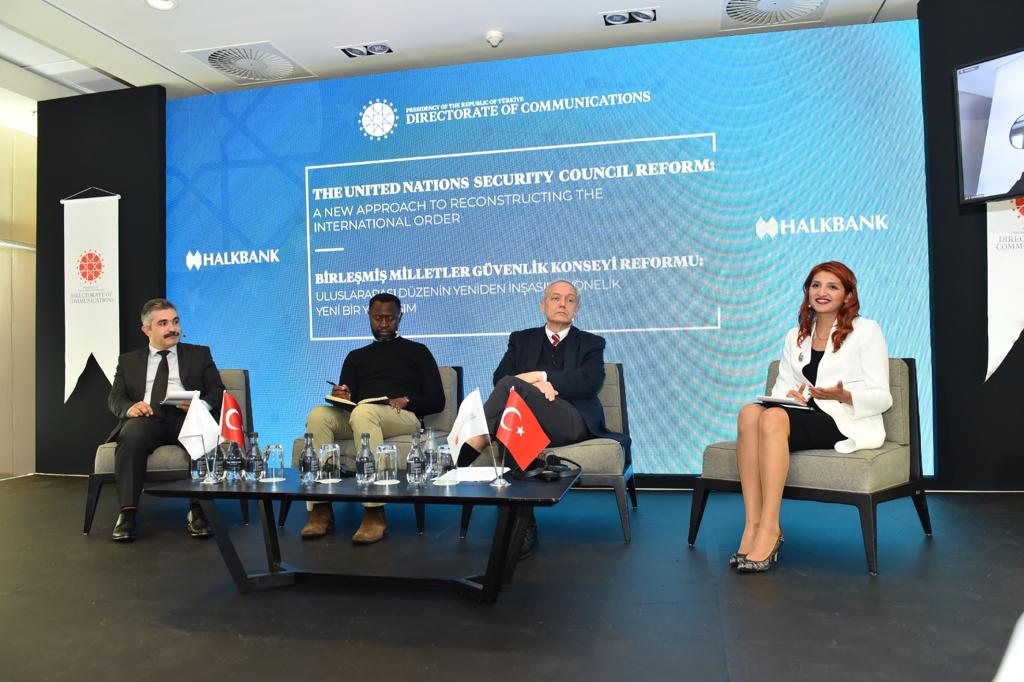
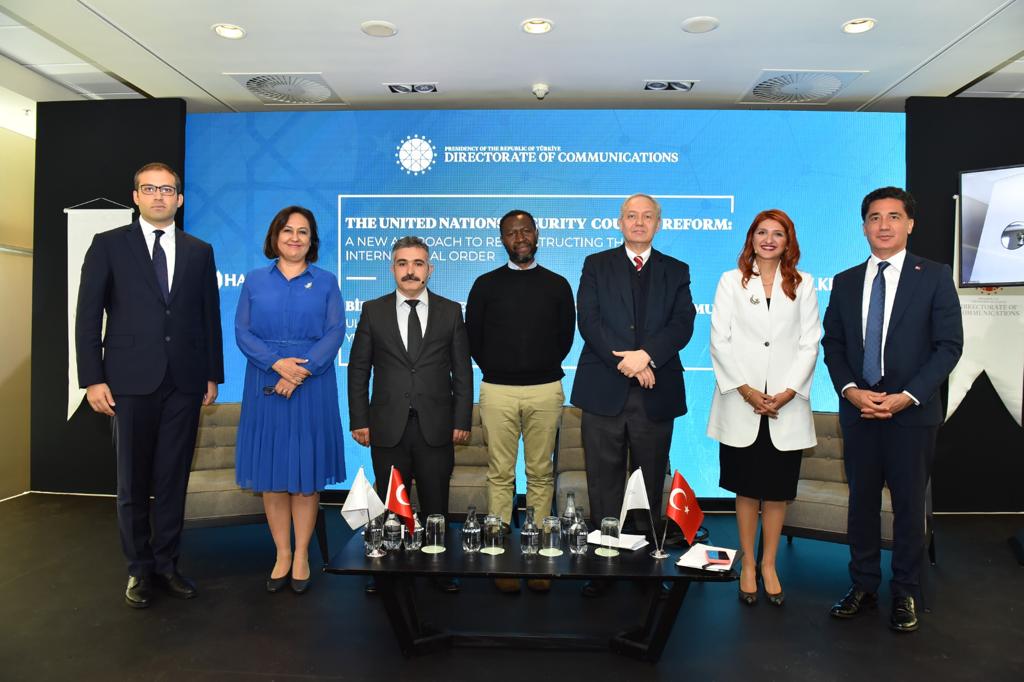
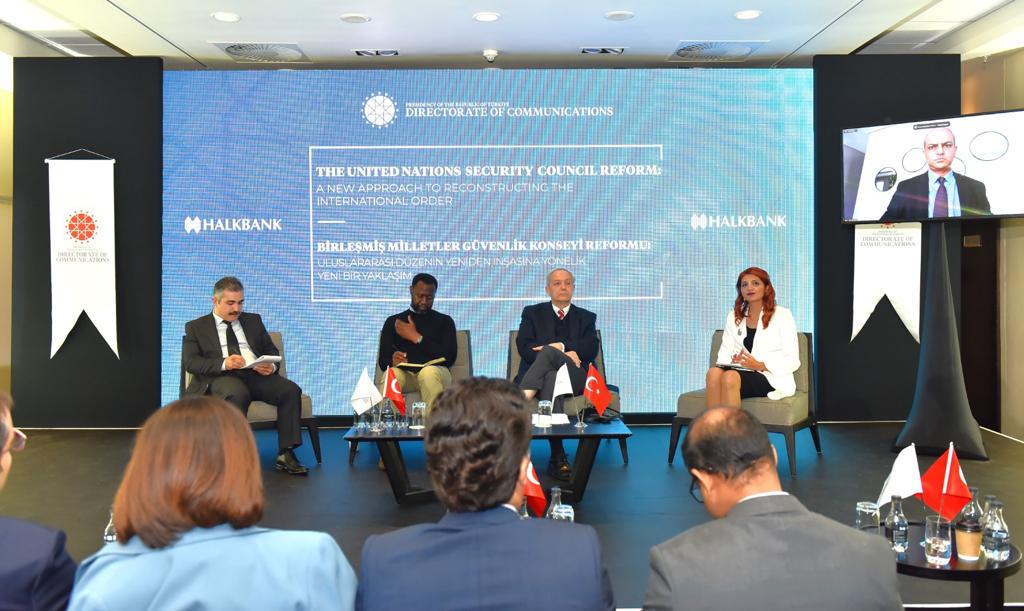
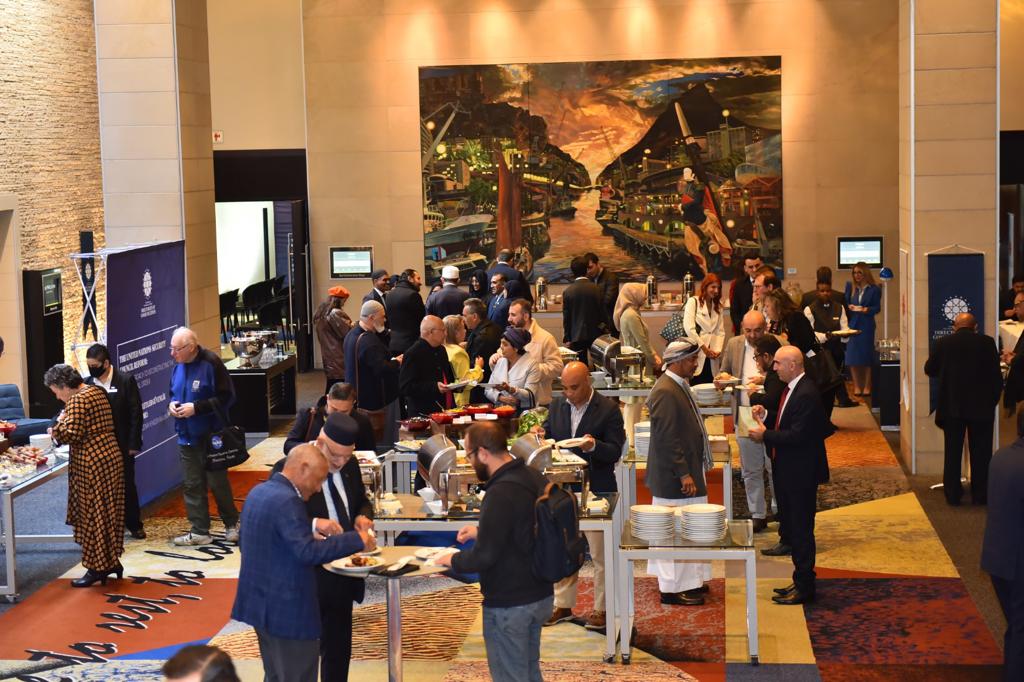
The Presidency's Directorate of Communications held the panel titled "United Nations (UN) Security Council Reform: A New Approach to Reconstructing the International Order" in Cape Town, the legislative capital of the Republic of South Africa.
Faculty Member William Gumede from the University of the Witwatersrand, Wits School of Governance, Chief Executive Officer (CEO) Daryl Swanepoel at the Inclusive Society Institute and Assoc Prof Şuay Nilhan Açıkalın from Ankara Hacı Bayram Veli University, Faculty of Economics and Administrative Sciences, participated in the panel, which was moderated by Assoc Prof Mürsel Bayram from the Social Sciences University of Ankara, Institute for Eastern and African Studies.
Zaheer Laher, Acting Chief Director in the United Nations, Peace and Security at South Africa’s Department of International Relations and Cooperation (DIRCO), also attended the panel via video conference.
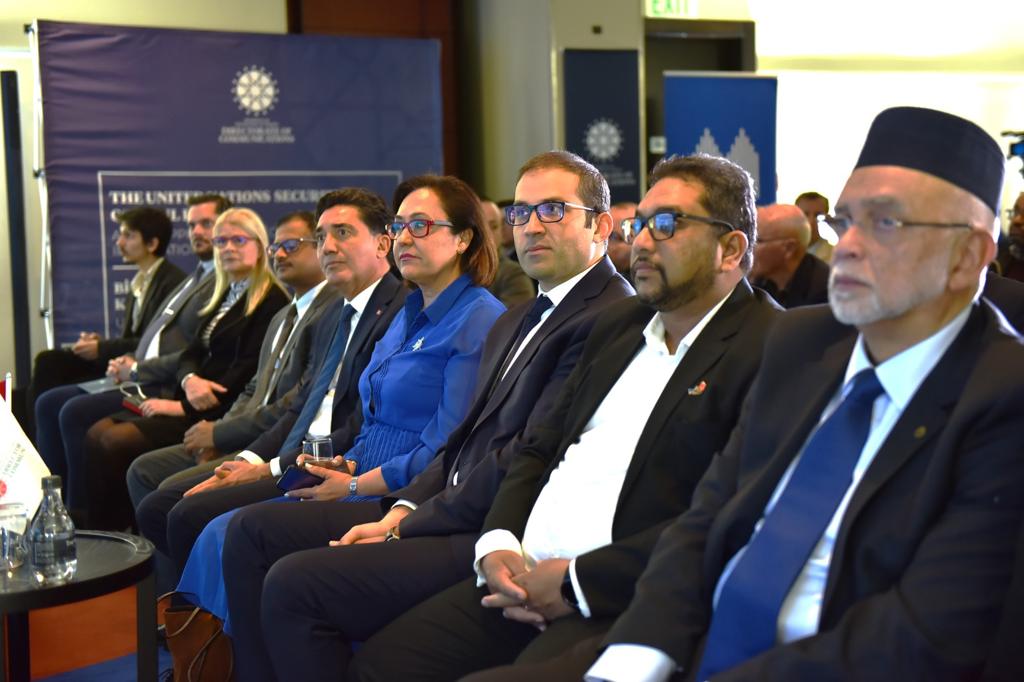
In addition to Türkiye's Ambassador to Pretoria Ayşegül Kandaş, Türkiye's Consul General in Cape Town Sinan Yeşildağ, many guests, including South African journalists, diplomats and academics, were present at the panel.
The panel began with a video message from the Presidency’s Director of Communications Fahrettin Altun.
Director of Communications Altun stated in his message that the UN was founded in 1945 by 51 countries, including Türkiye, with the aim of "maintaining and preserving international peace and security" and added that there are currently 193 UN members.
Emphasising that since its founding, the UN has significantly contributed to promoting peace and security in different parts of the world, Director of Communications Altun said that the UN's current organisational structure must be reformed since the organisation had proven incapable of responding to human tragedies and wars in the recent past and today, failing to live up to expectations set by the international community.
"We need a change in the global system"
Drawing attention to the inequality of the current global system dominated by the rules of industrialised countries, Faculty Member William Gumede from the University of the Witwatersrand, Wits School of Governance said, "We can say that in this system some countries are more equal in the rule of law."
Noting that wars, epidemics and financial crises are deteriorating the current system, Gumede said, "At this time of great uncertainty in the changing world, we need a change in the global system.”
Pointing out that the reform to be carried out in the UN should include regulations such as the status of permanent members and the abolition of the veto right, Gumede stated that the UN should have an inclusive structure in which all countries participate equally.
"Türkiye and South Africa share a similar perspective on the UN reform"
"As South Africa, we attach great importance to the development of peace and security, human rights, democracy, justice, and the rule of international law on the international stage," said Laher, noting that Türkiye and South Africa share a similar perspective on the UN reform.
Laher stated that the UN Security Council was ineffective at maintaining international peace because it acted in the interests of its permanent members and that the crisis in Ukraine was a prime example of the UN's ineffectiveness in addressing such conflicts.
"Africa and Latin America should have permanent representation on the UN Security Council," said Laher, noting that despite the fact that a significant portion of the agendas discussed by the UN Security Council concern African conflicts, the continent is only represented by a non-permanent member.
"The UN is paralysed by the interests of competing members"
Swanepoel emphasised that it was impossible for the UN to remain unaffected by the geopolitical and economic transformations experienced over the past 77 years, arguing that if the UN wishes to be inclusive, it must adapt not only in terms of geographical membership but also in terms of geopolitical orientation and cultural impact.
Swanepoel, noting that the UN must reform immediately in order to return to its "glory days," stated, "There is a global perception that this organisation has not exerted sufficient efforts to suppress and resolve conflicts. In fact, the UN is paralysed by the interests of competing members."
Swanepoel indicated that when the UN was founded in 1945, the vast majority of African countries were not independent, but that the situation had changed and that African countries now had the ability to influence decisions, adding that Africa should now be represented by at least five permanent members on an expanded UN Security Council.
"We are all looking for a new world"
Assoc. Prof Şuay Nilhan Açıkalın from Ankara Hacı Bayram Veli University, Faculty of Economics and Administrative Sciences, emphasised that the world was in a multi-actor crisis and that, compared to fifty years ago, the world's parameters were significantly different.
Highlighting that the UN Security Council was unable to meet the expectations of the international system in this chaotic environment, Açıkalın stated, "Today, we must find solutions with systems that encompass the entire world and the international community and function effectively."
Recalling that Türkiye and President Recep Tayyip Erdoğan presented a new model based on fair representation equality within the UN at every opportunity, Açıkalın said, "We are all looking for a new world that brings us together in a different, fairer, more equal and more peaceful way."
The panel's moderator, Bayram, announced that this series of panels, which had previously been held in Argentina, France, the United Kingdom, Norway, Sweden, and the Netherlands, would be held in Germany, South Korea, Japan, Spain, Russia, and the United States next month.
Bayram said, "Today's panel is important for the position of the African continent in general and the Republic of South Africa in particular regarding the UN reform, as well as for Türkiye to address its contribution to that position and discuss how Türkiye and South Africa can reach a common perspective on that reform."