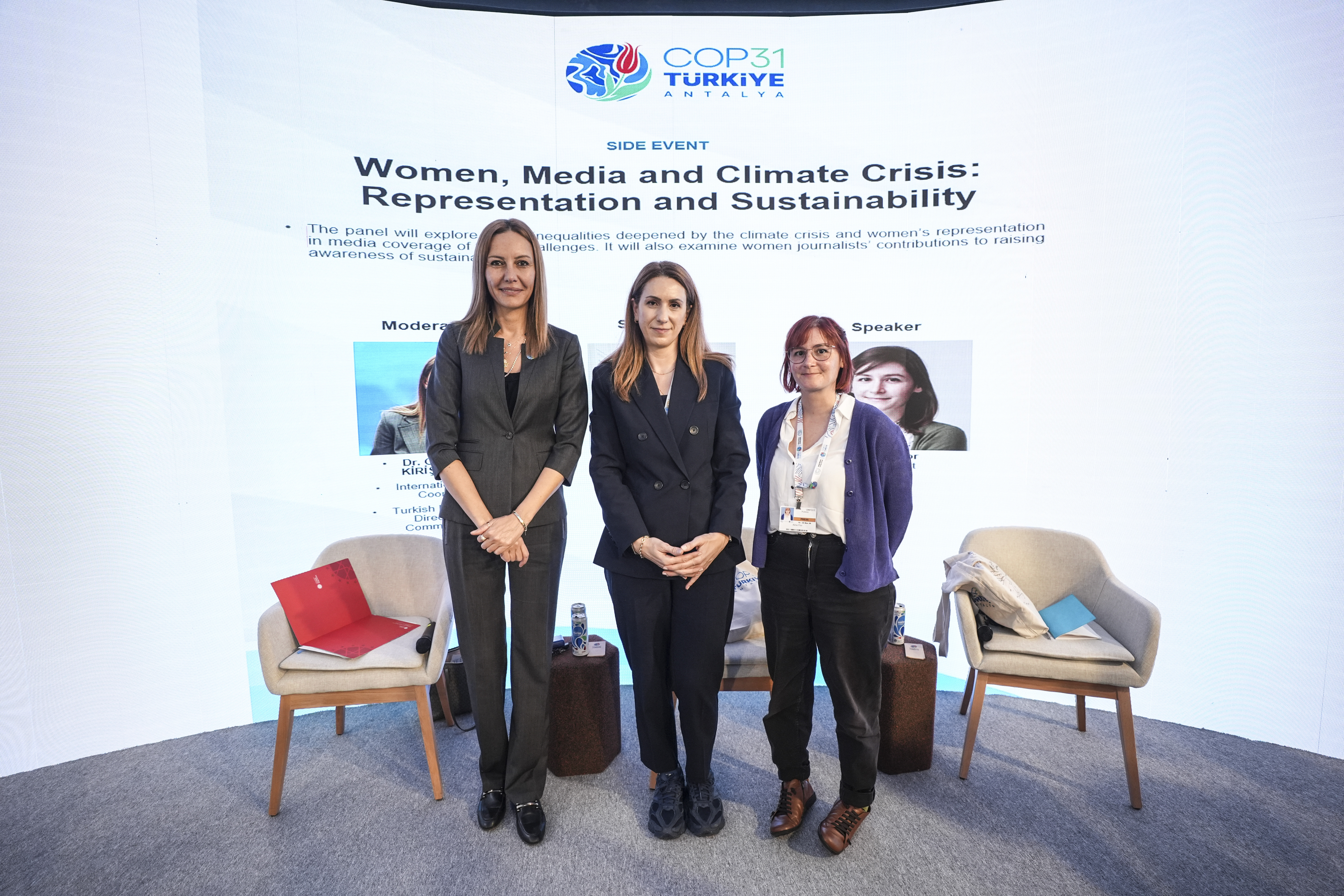
The panel entitled “Women, Media and the Climate Crisis: Representation and Sustainability”, organised by the Directorate of Communications as part of COP31, explored the relationship between women’s representation in the media and the reporting of the social dimensions of the climate crisis.
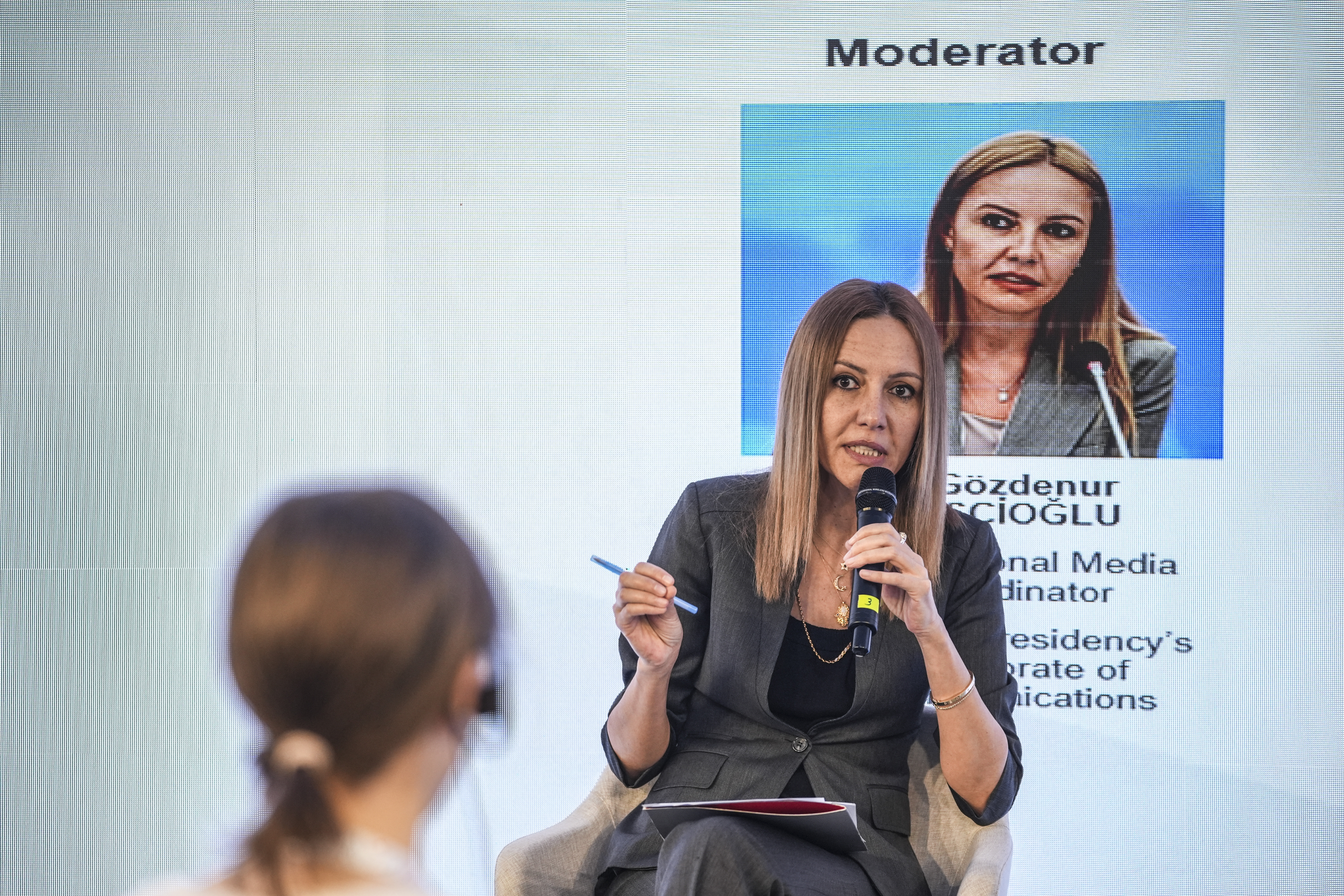
Moderated by Gözdenur Kirişçişoğlu, International Media Coordinator at the Presidency’s Directorate of Communications, the panel brought together NTV Senior Correspondent Deniz Tüysüz and journalist Aline Flor to address the question: “Whose voices are heard when we report on the climate crisis and the future?”
The panel focused on how global inequalities shape the impacts of the climate crisis and how the economic and social challenges exacerbated by the crisis affect women’s lives. Particular attention was given to the extent to which the experiences of women living in rural areas, working in agricultural production and facing difficulties in accessing water, food or sources of livelihood are reflected in media coverage.
Another key focus of the session was the professional experiences of female journalists, the distribution of responsibilities in newsrooms and their participation in editorial decision-making processes. Discussions also addressed how women’s visibility in the media is reflected in their decision-making power and how the perspectives of different groups of women could be more widely represented among news sources.
“We must also tell the story of the climate crisis through the experiences of those developing solutions”
Moderator Gözde Kirişçioğlu emphasised the importance of women not only being visible in the media but also having a say in deciding which stories are told and whose voices are heard, and said, “We must tell the story of the climate crisis not only through the disasters it causes but also through the experiences of those developing solutions. We cannot discuss a sustainable future in all its dimensions without including women’s experiences, knowledge and proposed solutions.”
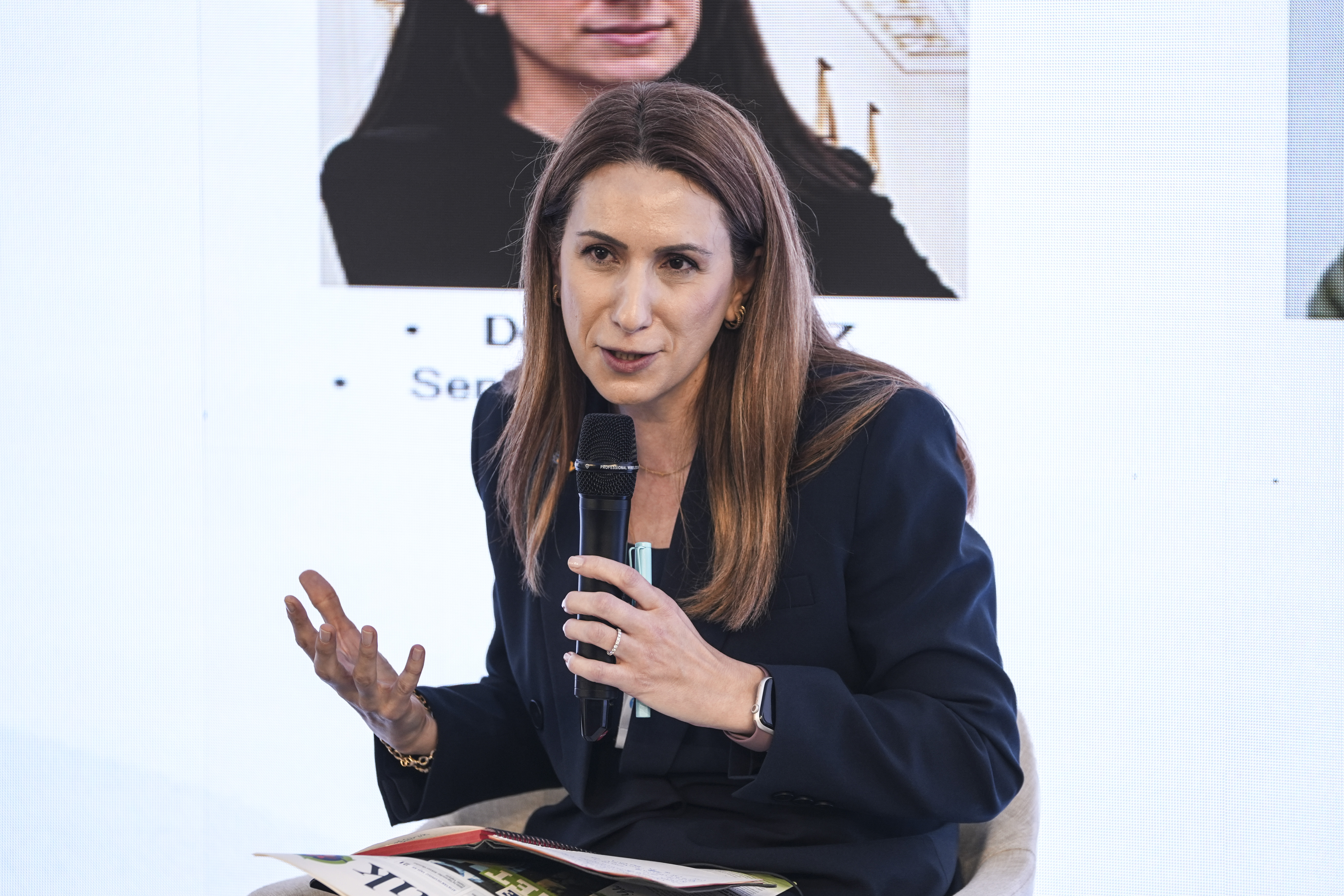
NTV Senior Correspondent Deniz Tüysüz underlined the need for hopeful, solution-oriented reporting from a female perspective when covering the climate crisis. Tüysüz stated that such reporting could both set an example for society and help translate the zero-waste approach into everyday practice. She also highlighted the importance of public communication professionals and journalists maintaining prompt and close contact on issues of direct concern to society, such as the climate crisis.
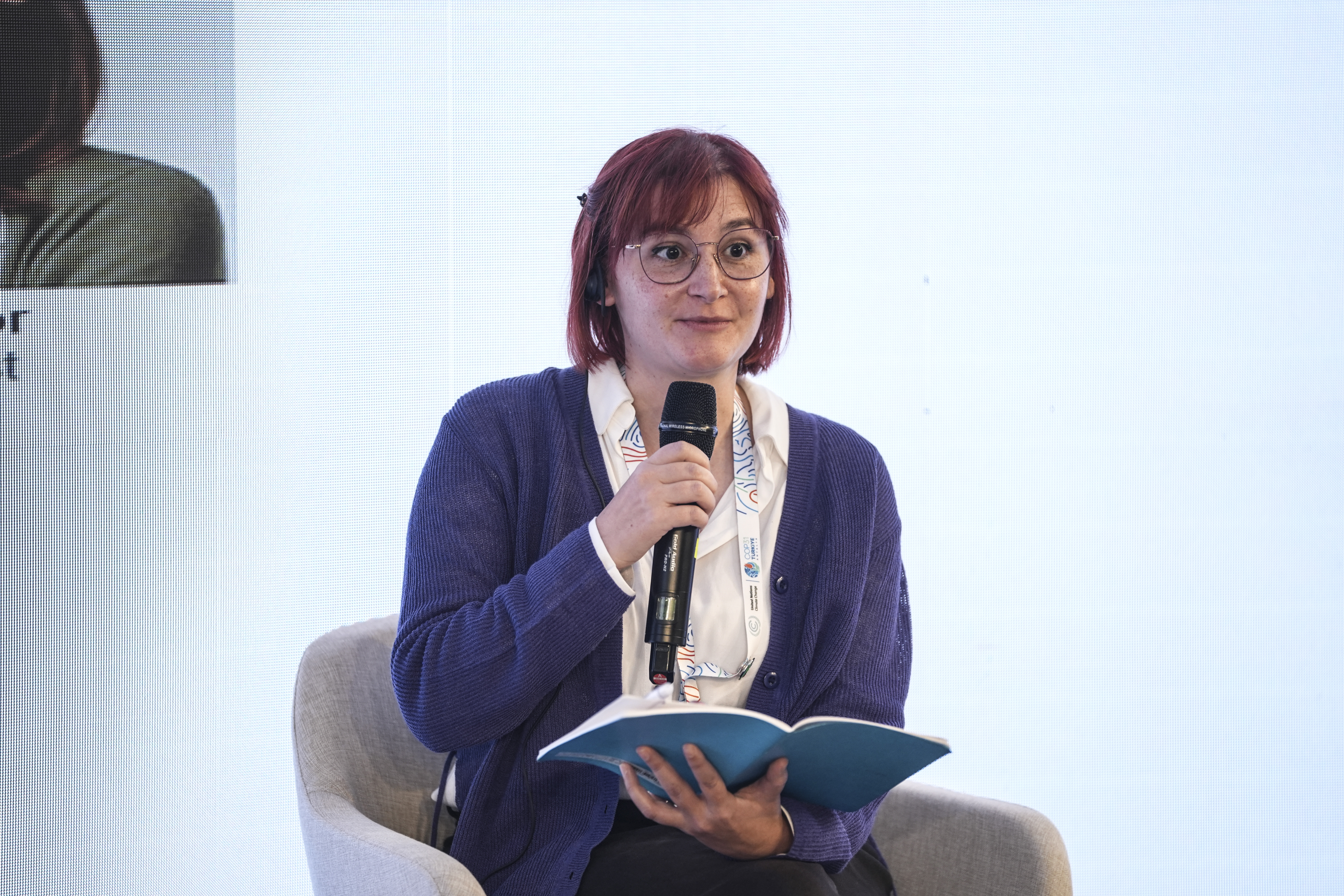
Journalist Aline Flor stated, “Looking at the climate crisis through women’s eyes enriches news coverage with different experiences and perspectives, making it more meaningful and valuable.” In her remarks, she emphasised that the climate crisis should be addressed not only in terms of its environmental impacts but also in terms of its social dimensions.