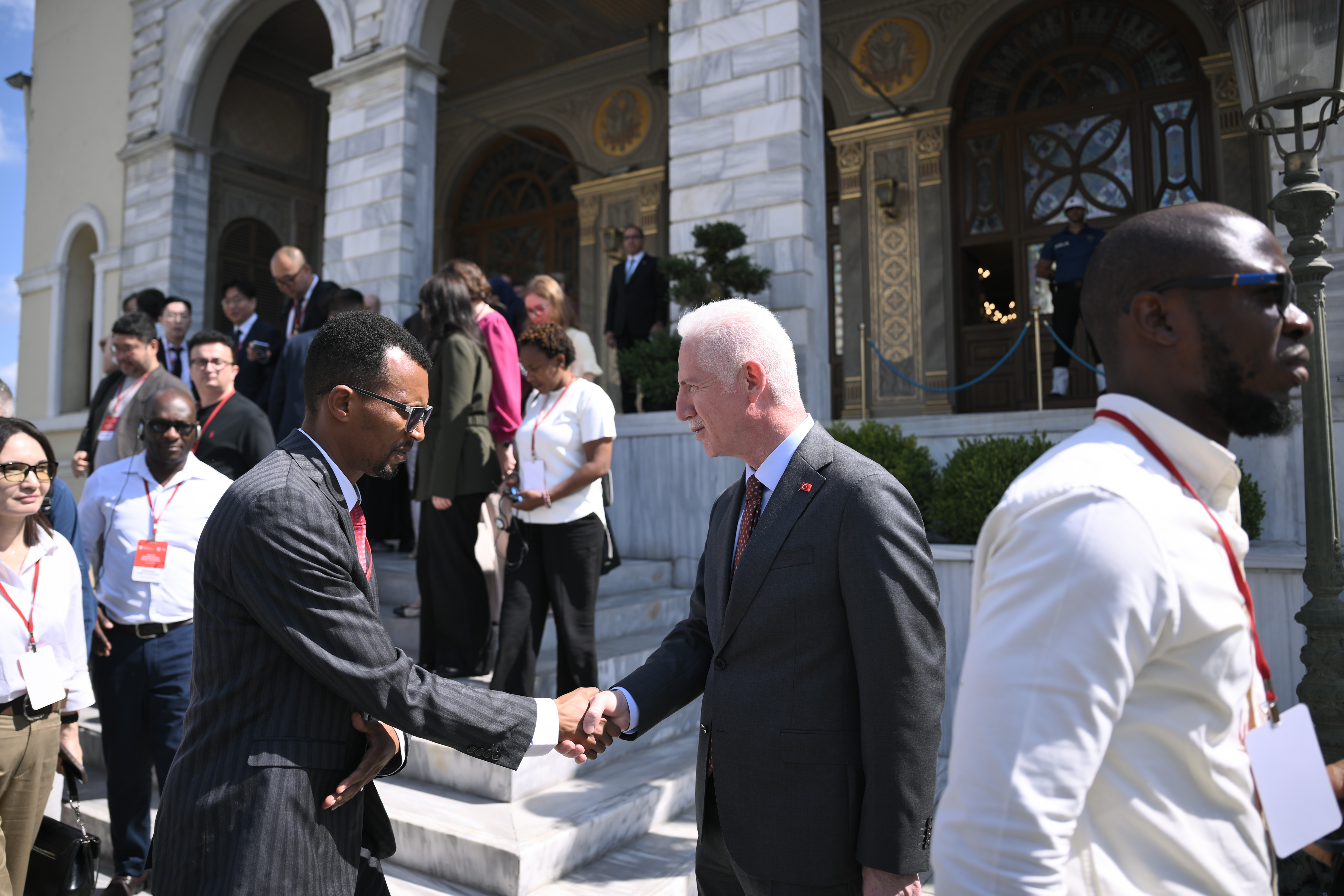
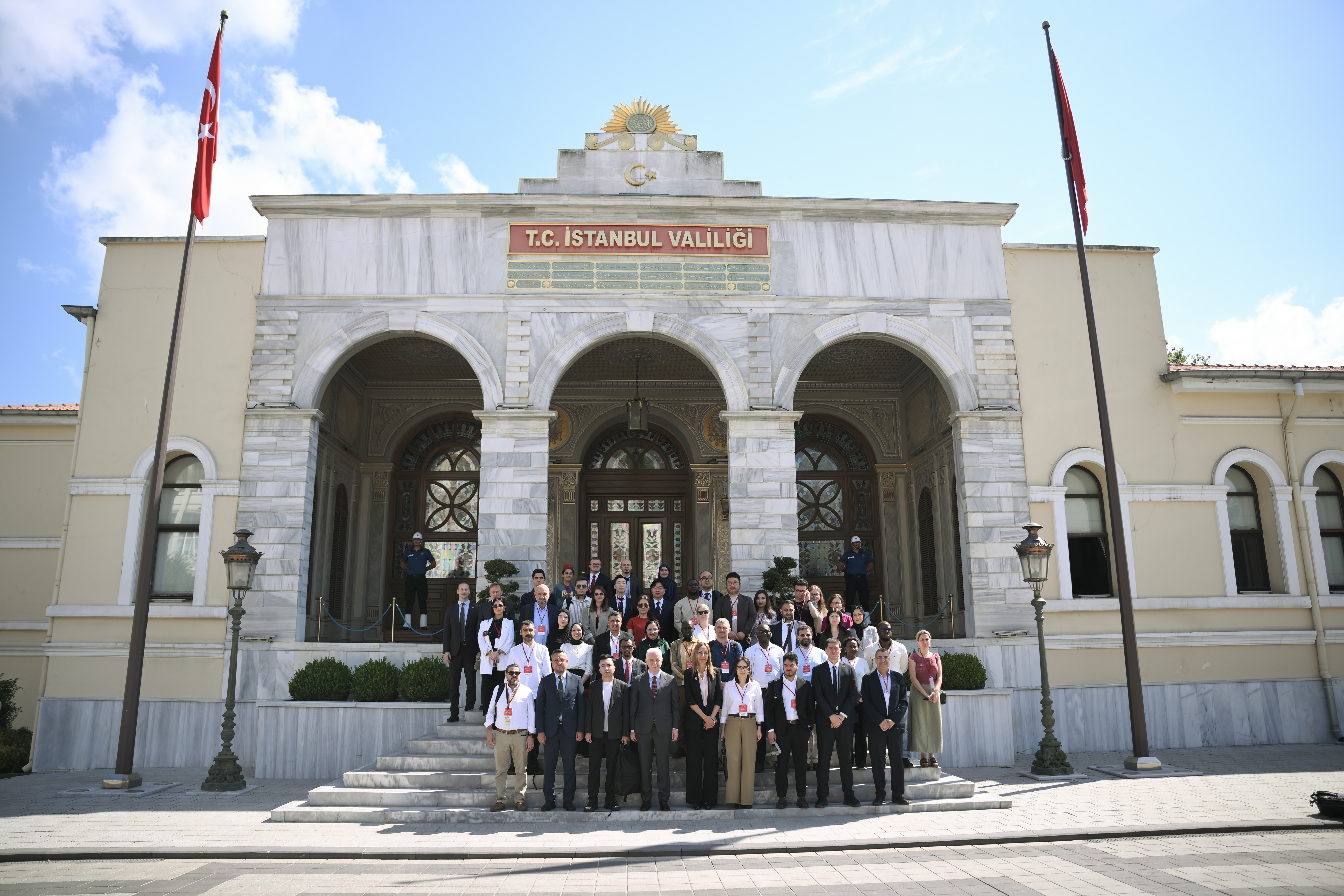
An "15 July International Media Programme" was held at the İstanbul Governor's Office with the participation of international media representatives, supported by the Presidency's Directorate of Communications, to mark the tenth anniversary of the Fetullah Gülen Terrorist Organisation's (FETO) coup attempt of 15 July 2016.
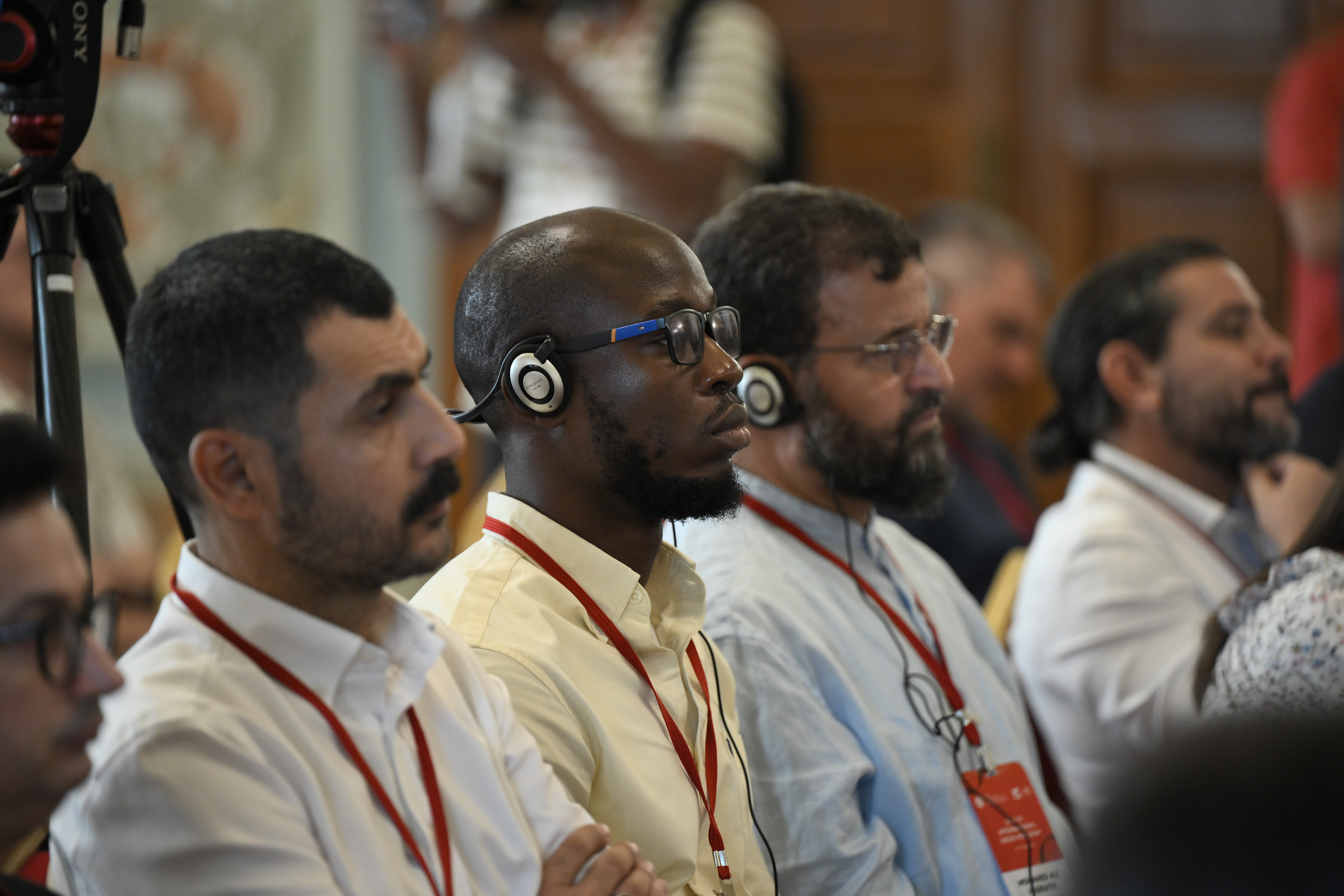
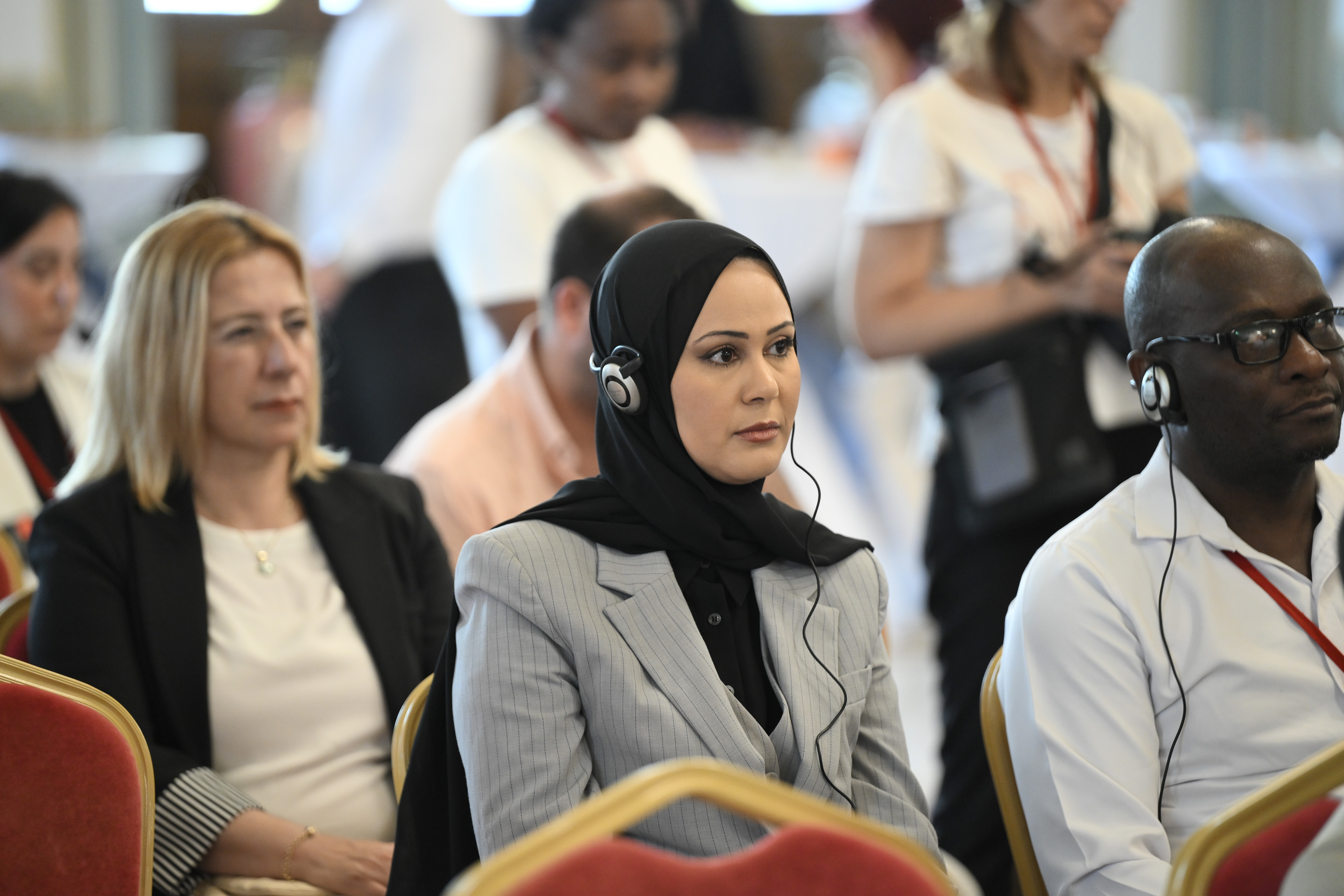
As part of the programme commemorating the tenth anniversary of 15 July Democracy and National Unity Day, 41 international media representatives from 21 countries—including the United States, the United Kingdom, France, Italy, Spain, Albania, Bosnia and Herzegovina, South Korea, Morocco, Ethiopia, Poland, South Africa, Kazakhstan, Qatar, Nigeria, Montenegro, Uzbekistan, Mozambique, Senegal, Tanzania, and the Turkish Republic of Northern Cyprus (TRNC)—came together in İstanbul.
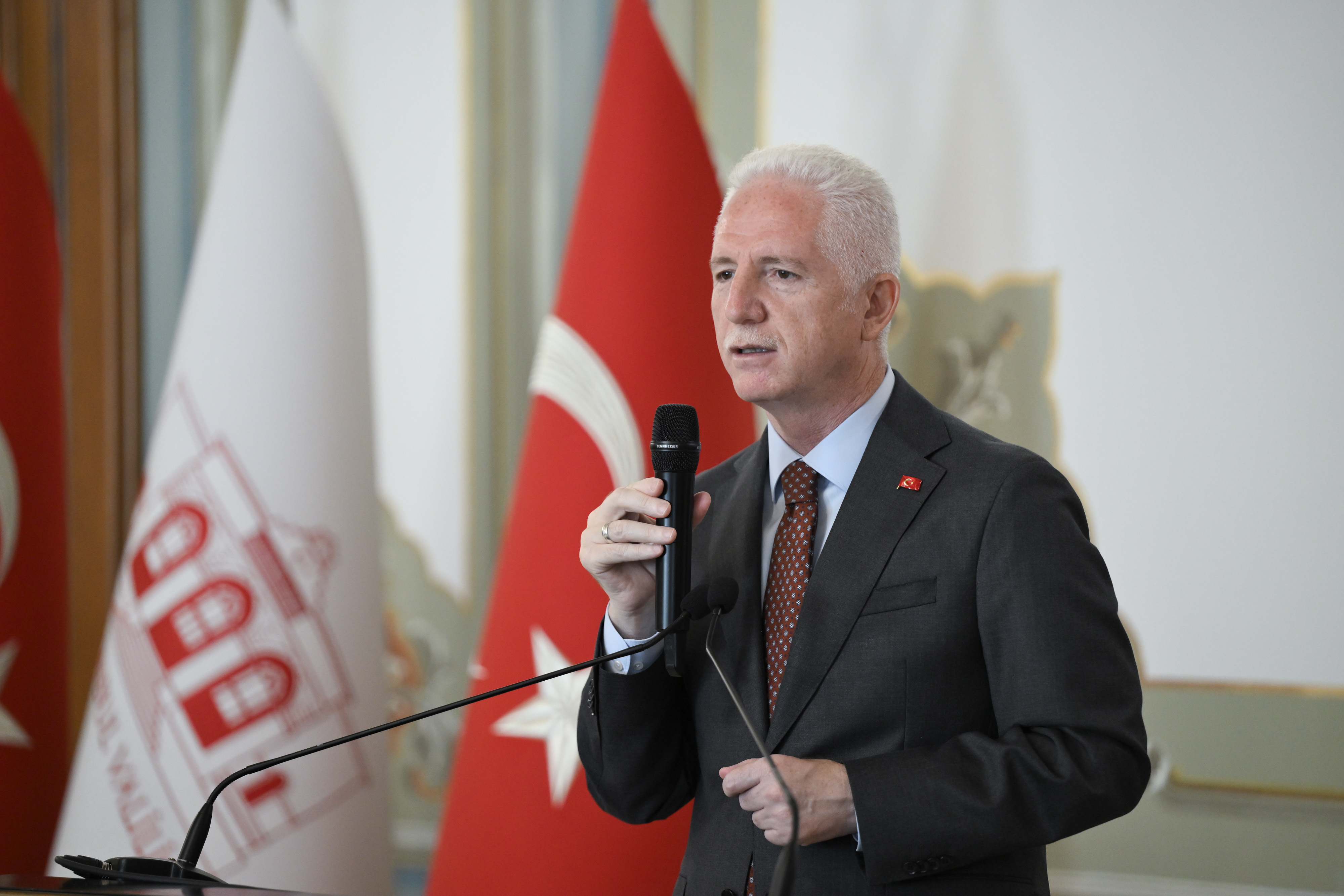
Governor Davut Gül stated in his address that thousands of events had been organised across the city to commemorate 15 July.
Emphasising that İstanbul stands as a symbol of resistance against the coup attempt, Gül said that the traces of that resistance can still be clearly seen throughout the city and the wider region.
Pointing to Türkiye's deeply rooted state tradition, Gül said: "Even if its name has changed over the centuries, you can still see the continuity of the state on these lands. Our citizens have a very strong bond with the state. This is not a state that emerged overnight or was established because 'a handful of people came together and decided to found one.'"
Noting that those who commit crimes or act outside the law are tried by the courts in accordance with the rule of law, Gül said: "The Fetullah Gülen Terrorist Organisation (FETO), however, followed a different path. It infiltrated state institutions with the aim of seizing control of the state. Over a period of 40 to 50 years, with the precision of a jeweller's scale and remarkable patience, it sought to penetrate public institutions step by step and generation after generation. FETO members sought to expand their influence by accommodating students from economically disadvantaged backgrounds in their houses and dormitories. They also exploited religion. Using religious references, they secured financial resources while simultaneously exploiting universal values."
Governor Gül explained that FETO enabled its members to succeed by stealing examination questions and later used appointments, promotions and fabricated cases to eliminate rivals within the public sector.
He further noted that it was eventually revealed that the heads of intelligence units in the police departments of all 81 provinces were FETO members. Once the state uncovered this infiltration, legal proceedings were initiated. As the process of removing FETO members from the armed forces, the police, the judiciary and other critical state institutions began, the organisation launched the 15 July coup attempt, he said.
"All Terrorist Organisations Pose a Primary Threat to Humanity"
Governor Gül stressed that the 15 July coup attempt was thwarted thanks to the courage and steadfast leadership of President Recep Tayyip Erdoğan, and the wisdom and determination of the Turkish nation.
Gül stated that honourable members of the Turkish Armed Forces who had not surrendered their conscience or independent judgment to any organisation stood against the coup attempt. He added that honourable police officers within the police force also stood alongside the public in resisting the putschists.
Recalling that, under the leadership of President Erdoğan, people took to the streets on 15 July and held democracy watches for 26 days, Governor Gül said: "As a result, this occupation attempt disguised as a coup failed. Afterwards, our institutions brought those involved in criminal wrongdoing before justice, while those who were innocent were acquitted. As a result, that process unfolded through the state's and the nation's own legal and institutional mechanisms, allowing us to overcome the threat."
Describing FETO ideology as an incurable affliction, Gül said:
"Once a person becomes involved with FETO, there is no prospect of rehabilitation, repentance or recovery. Within the FETO terrorist organisation, religion, nationality and personal identity are of no importance. Their way of life is built on secrecy and slander. They may conceal themselves for forty years and emerge in the forty-first. There is no such thing as a 'good' terrorist. The notion that 'your terrorist is good while mine is bad' is fundamentally wrong. A terrorist is a terrorist. It does not matter where a terrorist organisation is based or which country it primarily targets. Ultimately, any organisation that resorts to terrorism as a legitimate means of achieving its objectives constitutes a primary threat to every country in the world and to all of humanity, regardless of its name.
The Republic of Türkiye is among the countries that have adopted the most principled approach in the fight against terrorism, whether it is DAESH, FETO or any other terrorist organisation. The most important legacy we will leave to future generations is this principled stance and our position in the face of injustice. We stand with the oppressed against the oppressor. We call right what is right and wrong what is wrong."
Among those attending the meeting were Murat Arslan, Regional Director of the Presidency's Directorate of Communications in İstanbul, Gözde Kirişçioğlu, International Media Coordinator of the Directorate of Communications, and members of the foreign press.
The programme concluded with a commemorative group photograph taken in front of the İstanbul Governor's Office.