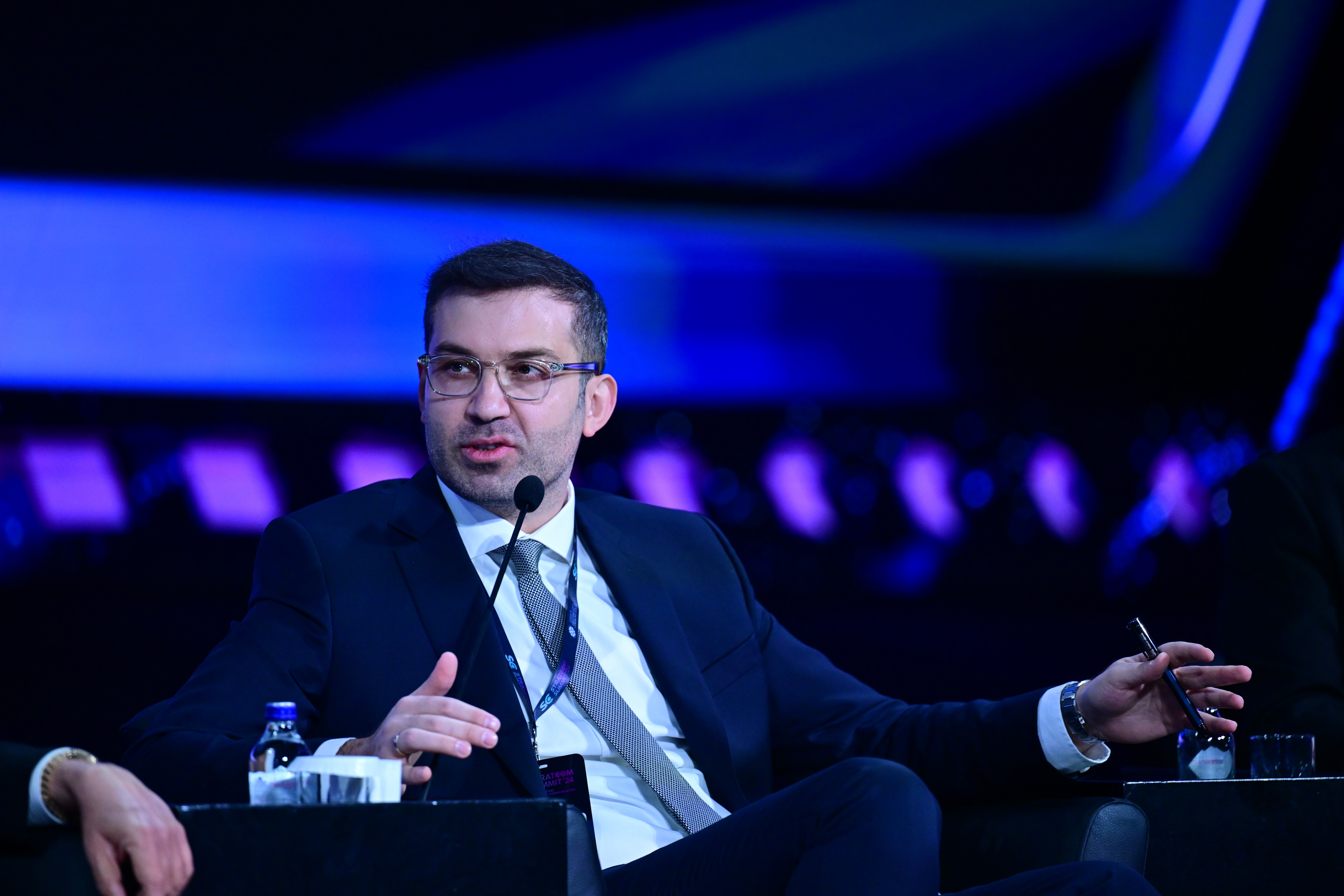
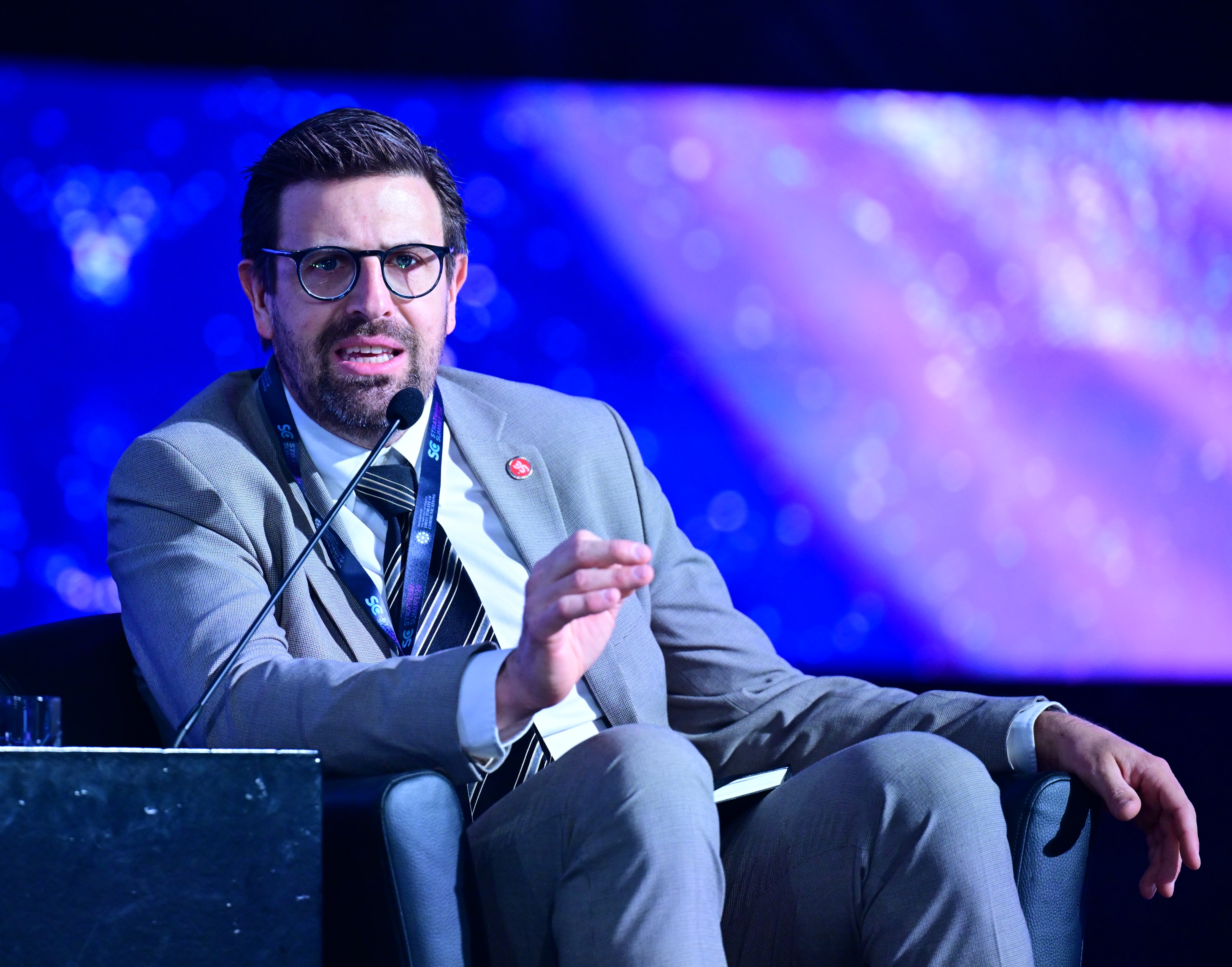
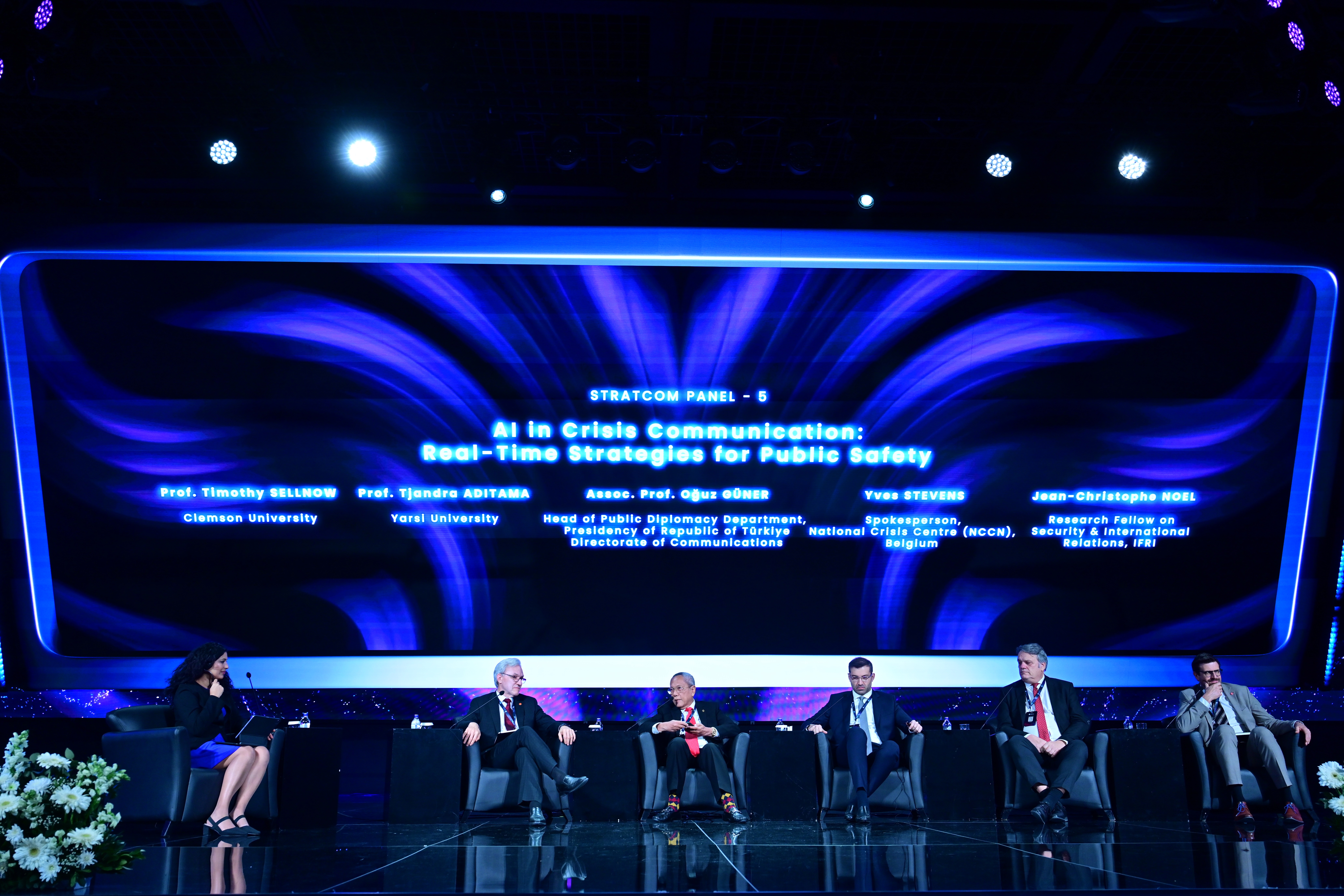
At the fourth International Strategic Communication Summit (Stratcom Summit'24) organised by our Presidency's Directorate of Communications under the theme "AI in Communication: Trends, Traps and Transition," a panel titled "AI in Crisis Communication: Real-Time Strategies for Public Safety" was held.
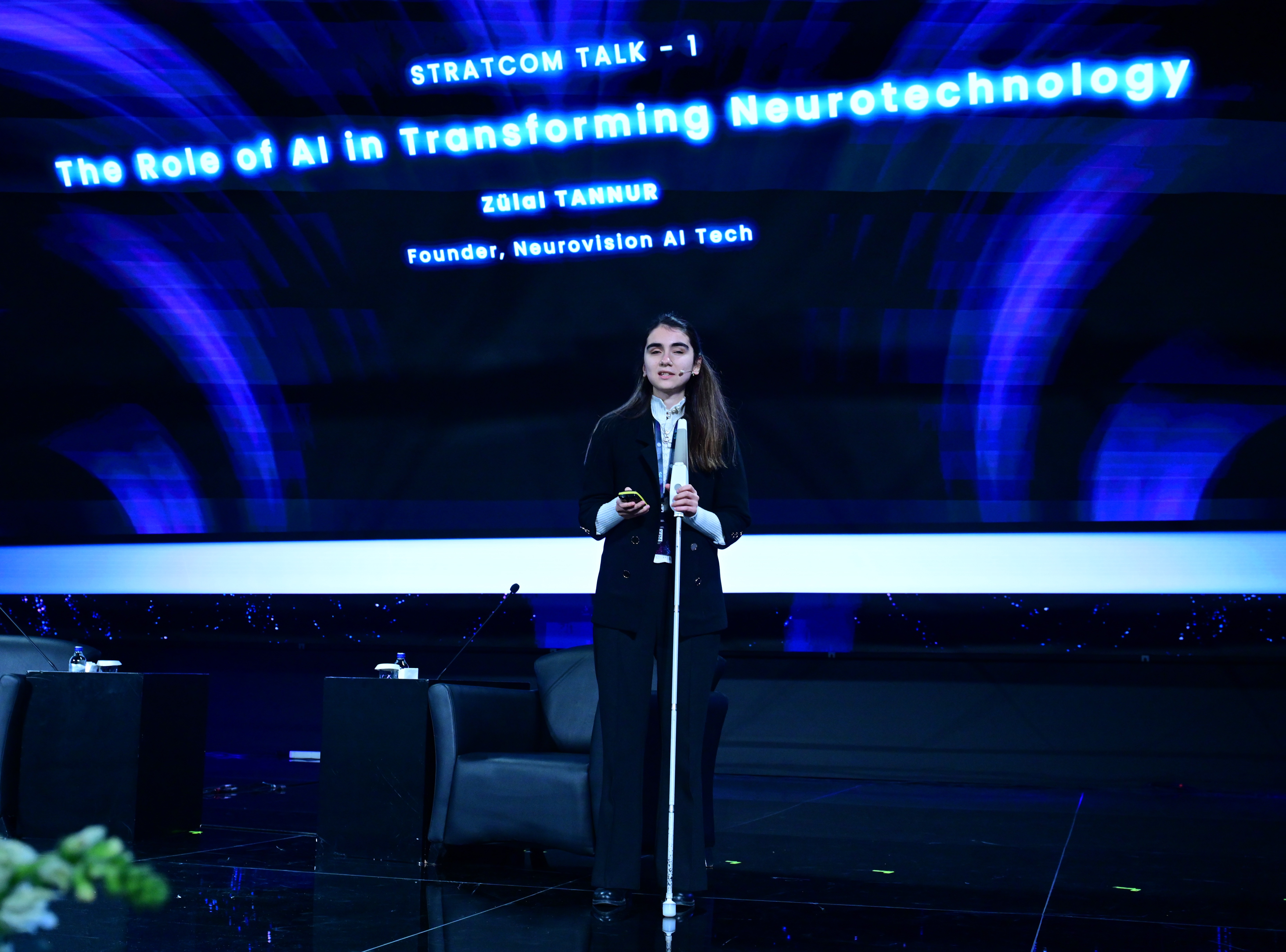
Prior to the panel, Founder of Neurovision AI Tech Zülal Tannur delivered a speech on the role of artificial intelligence in transforming neurotechnology.
Tannur highlighted that the accuracy rate of the system they developed based on the difficulties they experienced exceeded 98 per cent and that this was the first of its kind in the world.
Tannur stated that their image processing speed is only 4 milliseconds, which is two times faster than that of their competitors in the sector.
Pointing out that the system they developed is capable of distinguishing more than 865 colours, Tannur stated that they aim to use their software in many fields, including civil aviation, defence and medical technologies.
Noting that the field of neurotechnology should be addressed from a multidisciplinary perspective, Tannur stated that it is necessary to be inclusive, accessible and visionary for the future of artificial intelligence and neurotechnology.
"AI in Crisis Communication: Real-Time Strategies for Public Safety"
At the panel moderated by Anchor and Journalist Nadira Tudor, Head of the Public Diplomacy Department of the Presidency's Directorate of Communications Assoc Prof Oğuz Güner, Spokesperson of the Belgian National Crisis Centre Yves Stevens, Prof Timothy Sellnow from Clemson University in the US, Prof Tjandra Aditama from Yarsi University in Indonesia, and Research Fellow on Security and International Relations Jean-Christophe Noel from IFRI, a France-based think tank, participated as speakers.
Emphasising that Türkiye is one of the countries most affected by disinformation, Güner stated that Türkiye is the country most exposed to disinformation among European countries.
Stating that fake or false news spreads rapidly on social media, Güner added that they use artificial intelligence to combat information pollution and disinformation.
Güner noted that there is a lot of disinformation during times of crisis, such as natural disasters, and suggested that artificial intelligence can be used as a tool for evaluating and filtering data.
Güner further referred to the earthquake that struck on February 6, 2023, as the "disaster of the century" and said that false and fake news disseminated at the time provoked panic among the public.
Güner stressed the need for media literacy training to enhance awareness.
Artificial intelligence in times of crisis
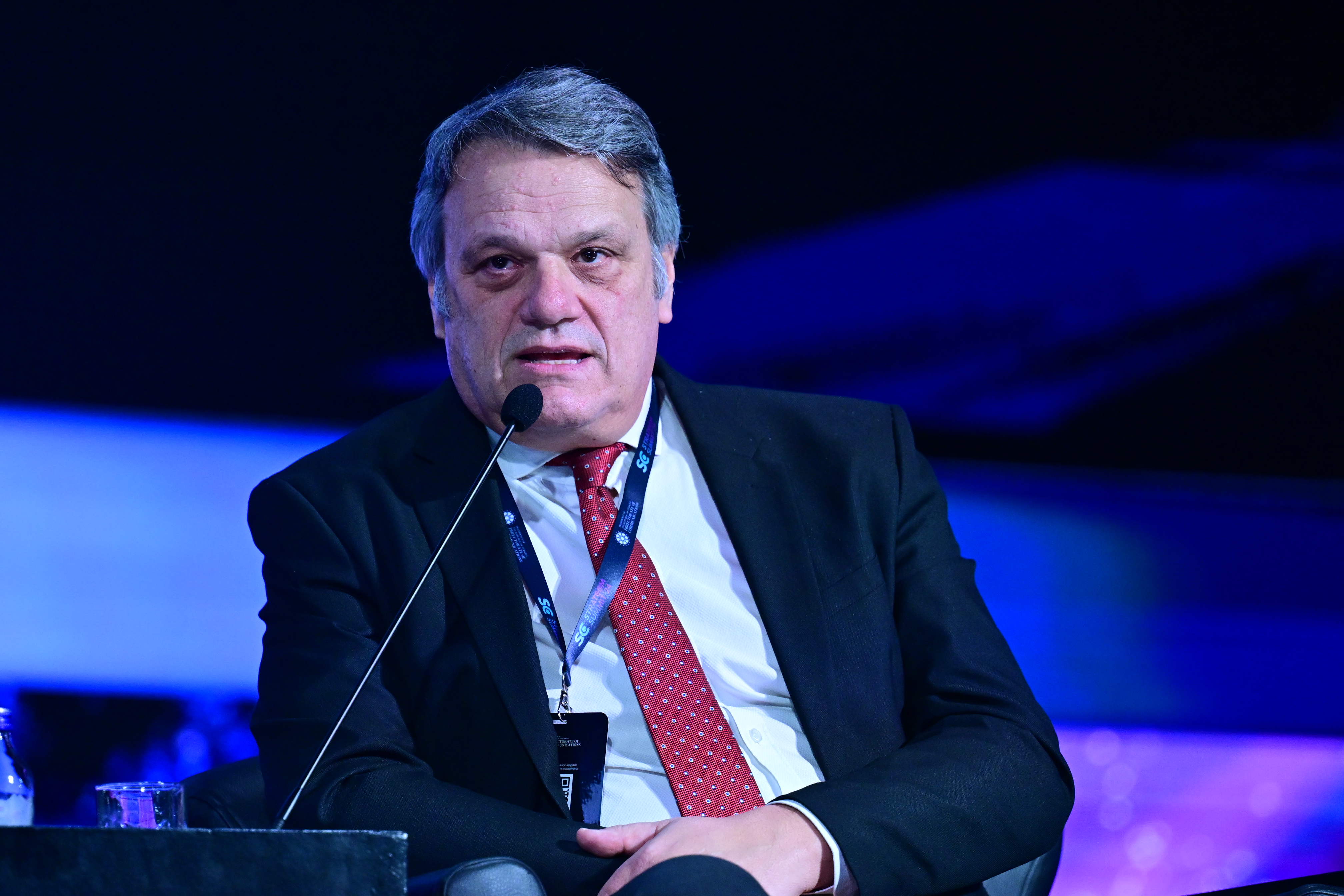
Spokesperson of the Belgian National Crisis Centre Yves Stevens underscored that the National Crisis Centre in Belgium is responsible for both crisis management and coordination, and that in this regard, they have developed a methodology for establishing proper communication in case of an emergency.
Stevens stated that the first and most important step in this methodology is to analyse public perception, pointing out that there are many sources of information on social media that take a long time to analyse, and that they currently benefit from artificial intelligence.
Stevens went on to say that since Belgium has three official languages, they use artificial intelligence to ensure that all citizens have access to information in times of crisis in a race against the clock. Emphasising that people can be thirsty for information in times of crisis and that institutions must establish an environment of trust to facilitate this, Stevens further stated, "People must see you as the most reliable source of information."
Stevens underlined that responding to people's enquiries and feelings is crucial during emergencies, and effective communication with those impacted by the incident cannot be created without emotion or empathy.
Information pollution on social media
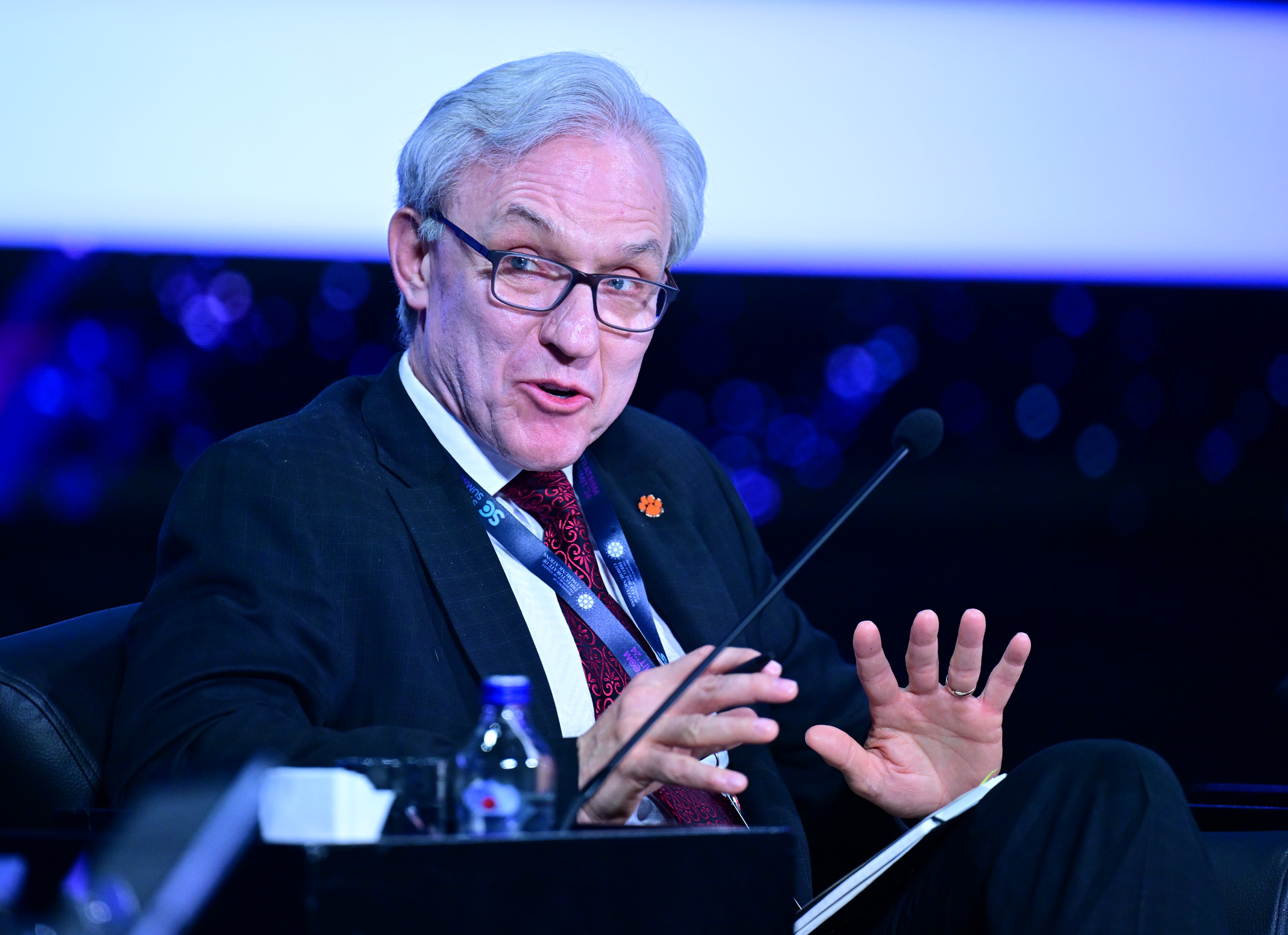
Prof Timothy Sellnow also highlighted that people are exposed to unverified information on social media and that a lot of misinformation regarding illnesses is shared online.
Citing the example of locating and speaking with individuals who have contracted the disease, Sellnow stated that while combating disinformation, people who have established credibility and deliver essential facts have to be promoted.
Emphasising the significance of providing emotional support and consolation to individuals during times of distress, Sellnow stated that artificial intelligence cannot take the place of humans in this regard.
Artificial intelligence and translation
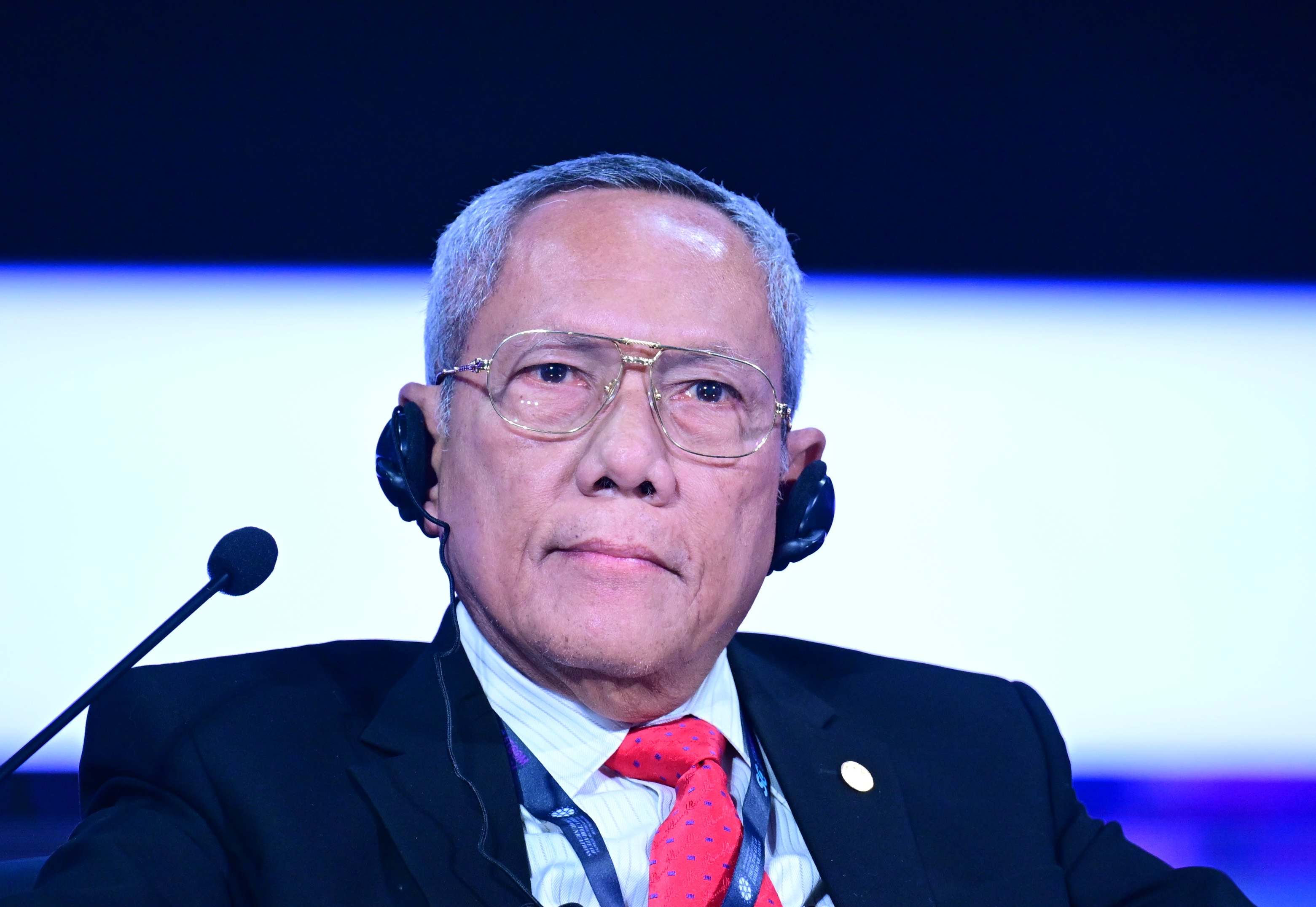
Prof Tjandra Aditama underlined that there are more than 7,000 regional languages spoken across Indonesia, which has more than 17,000 islands, and that translating between languages can be challenging due to social and cultural factors.
Aditama stated that artificial intelligence is important for advancing translation research without creating social or cultural issues.
Stating that academics are as reliable as official information, Aditama said that people who have a lot of followers on social media today are trusted more than the academics.
Additionally, noting that social media is currently the most commonly used source of news, Noel underscored how quickly information can spread on these platforms.
Underlining the need to respond swiftly to prevent the spread of misleading or inaccurate information, Noel noted that this is feasible with artificial intelligence.