The Turkish Embassy in Paris hosted a roundtable meeting on Türkiye-NATO relations.
At the meeting, attended by nearly 30 French and Turkish journalists, the latest developments in Türkiye–NATO relations, as well as in the Middle East and the Russia–Ukraine War, were discussed.
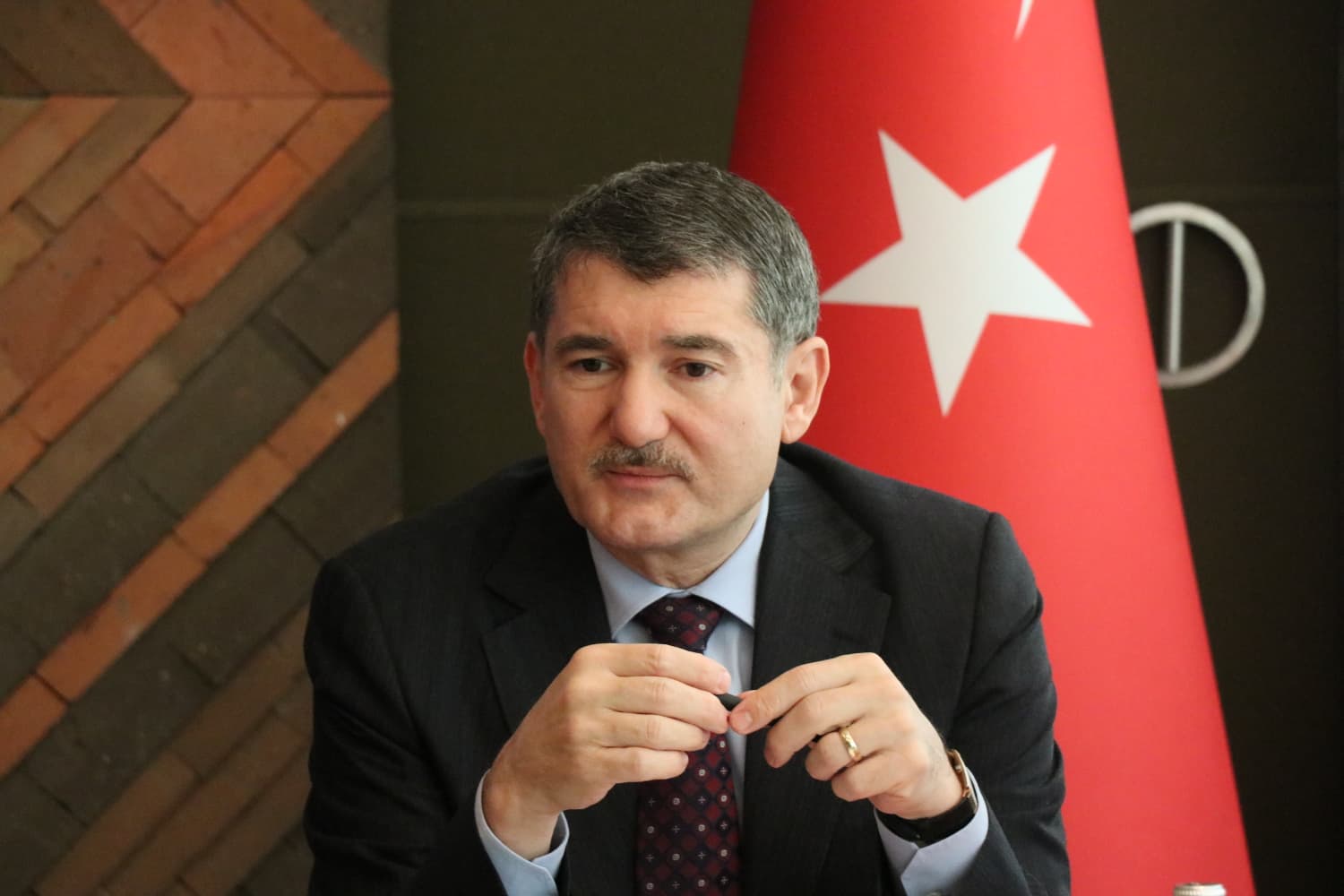
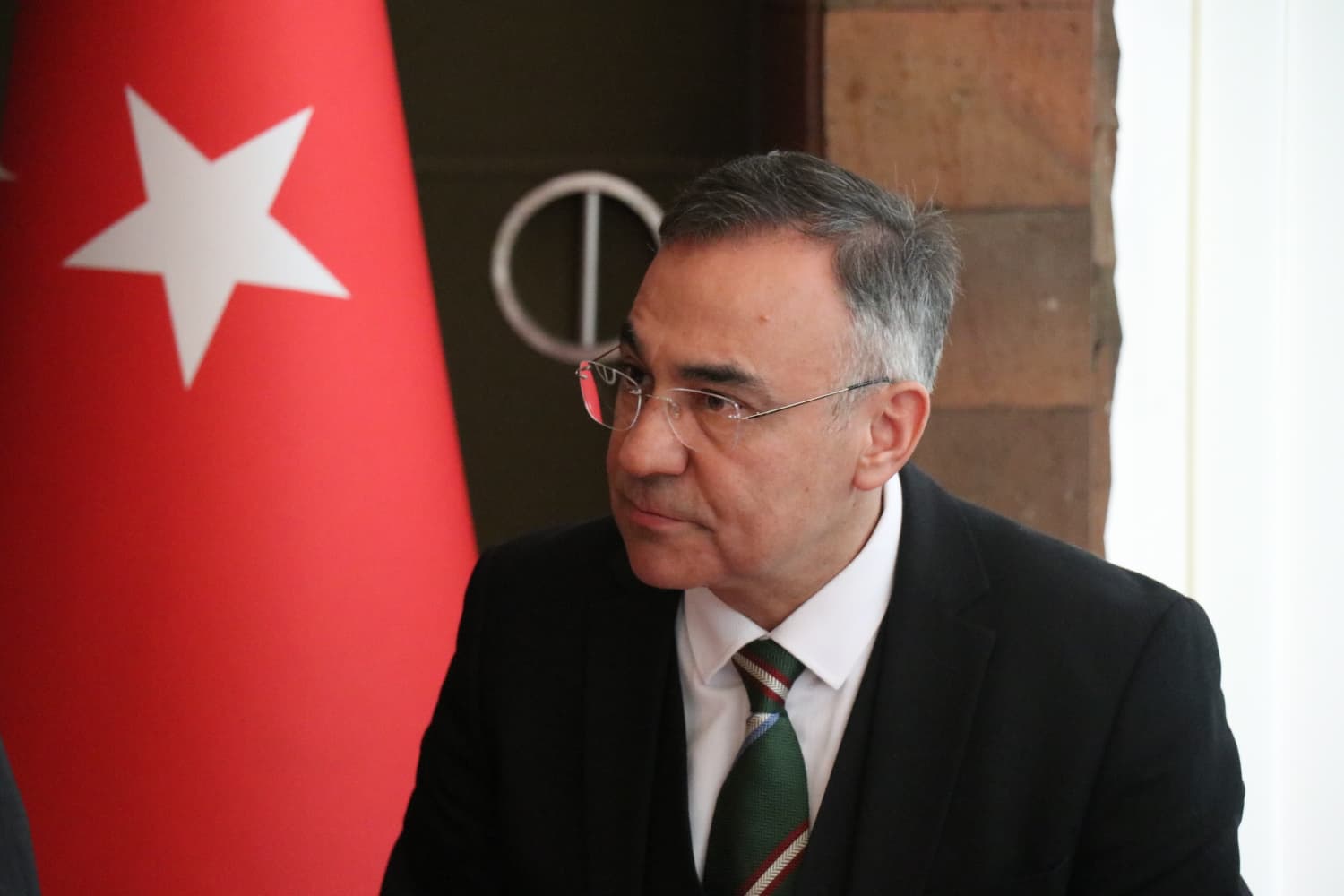
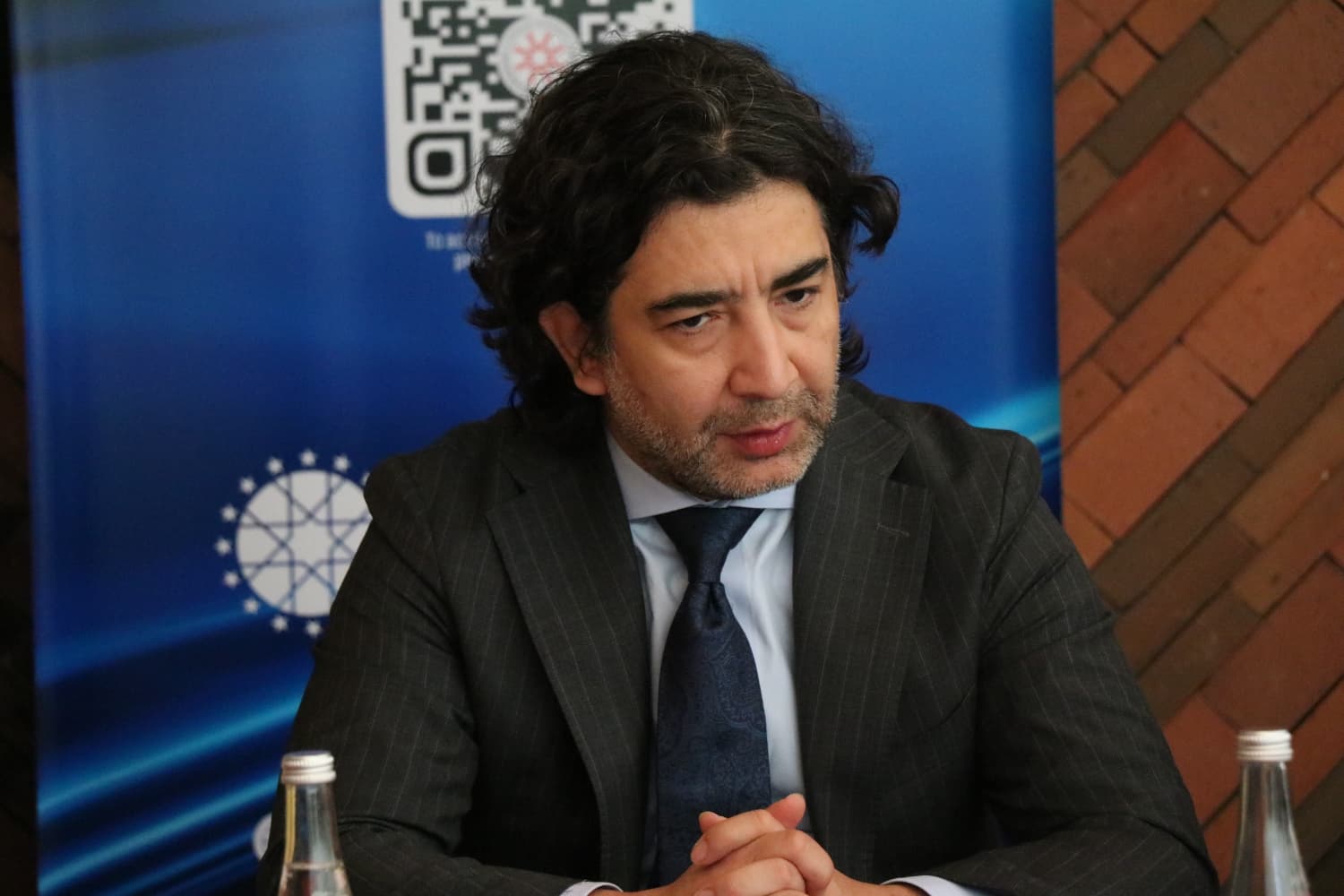
Chief Advisor to the President and Vice Chair of the Presidential Security and Foreign Policy Council, Ambassador Prof. Çağrı Erhan; Research Director at the Foundation for Political, Economic and Social Research in Washington, DC (SETA DC), Kılıç Buğra Kanat; and Faculty Member at Hasan Kalyoncu University and Senior Researcher at SETA, Assoc. Prof. Murat Aslan answered journalists’ questions at the meeting.
Prof. Erhan pointed out that the world has shifted since the COVID-19 pandemic, saying, ''The rules-based international order, established after the Second World War on the foundation of the United Nations (UN), is now in decline.''
Highlighting that the world is undergoing an unprecedented period, Prof. Erhan noted that global security risks have diversified, the economy has become increasingly fragile, and protectionism is on the rise. Indicating that the rules-based international order is under attack from all sides, Prof. Erhan continued:
''At the moment, no one is talking about international law. Everything on the table is based solely on national interests. No one mentions cooperation. We do not know what kind of new international order will emerge.'' Prof. Erhan highlighted that the Russia–Ukraine War stands as a significant source of concern in the present context, remarking, ''The ongoing war between the USA, Israel and Iran has the potential to escalate and lead to further adverse consequences.''
Prof. Erhan noted that the collapse of the international trade system and the disruption of critical supply chains are also sources of concern, reminding us that Türkiye will host this year’s NATO Summit. Prof. Erhan said that the summit to be held in Ankara will bring together leaders from NATO member states alongside global leaders, adding, “(At the summit) we will discuss enhancing NATO's defence against these emerging security and defence risks.”
"What happens in the Middle East does not remain confined to the Middle East"
SETA DC Research Director Kanat explained that although Türkiye has experience in dealing with civil wars on its borders, there is concern about a potential civil war and increasing instability in the region amid the current hostilities in the Middle East. Kanat pointed out that even if the attacks in the region were to cease for now, defence expenditures among Middle Eastern countries would rise and said, “If the conflict continues and any form of civil war were to emerge in Iran, the repercussions would be significant."
Kanat emphasised the importance, from Türkiye’s perspective, of avoiding conflict in the region and said, “People here have grown weary of conflicts. The people of the region have suffered immensely.” Kanat drew attention to the fact that the effects of these attacks have already begun to be reflected in global energy prices in a short period, noting that their social, political, and security risk aspects will also become evident, and said, “What happens in the Middle East does not remain confined to the Middle East. We have seen this in various conflicts, including those in Syria and Iraq.
Kanat stated that Türkiye is pursuing a balanced foreign policy, noting that in the countries he has visited, he has observed a growing willingness to cooperate with Türkiye.
"This war carries the risk of spreading further"
Regarding the US-Israel attacks on Iran, Assoc. Prof. Aslan said, “This war carries the risk of spreading further,” noting that the conflict could extend towards the Gulf region. Assessing that Türkiye's and NATO's interests would be affected in some way if tensions in the region escalated, Assoc. Prof. Aslan said, “NATO's support for Türkiye in this war is crucial not only to support Türkiye but also to test how prepared the Alliance is.”
Assoc. Prof. Aslan emphasised that wars today are not fought only between states but that conflicts also occur between states and non-state actors, and that a “hybrid response” is required to address such situations.