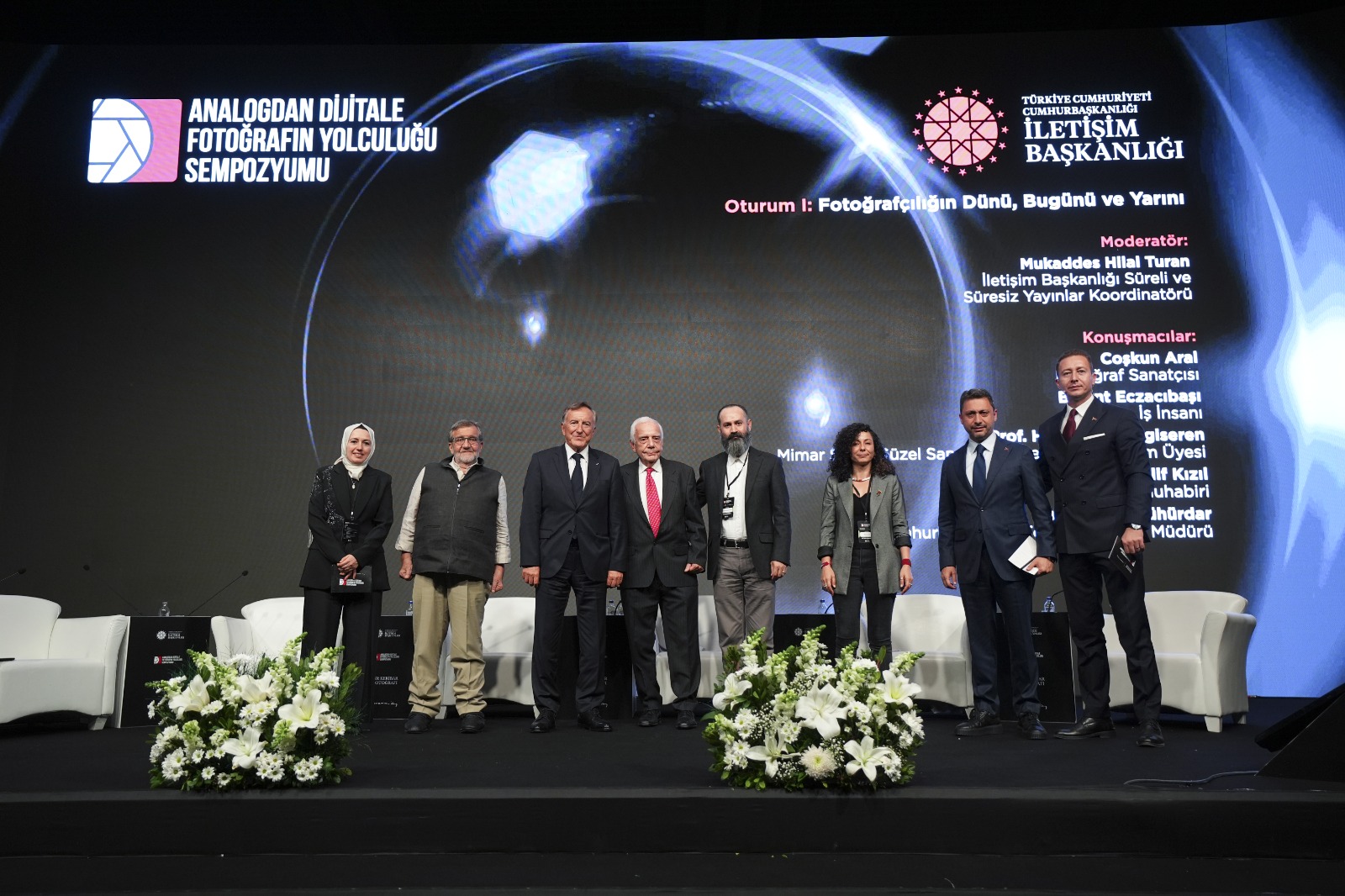
The Presidency's Directorate of Communications organised the "Photography's Journey from Analogue to Digital" symposium.
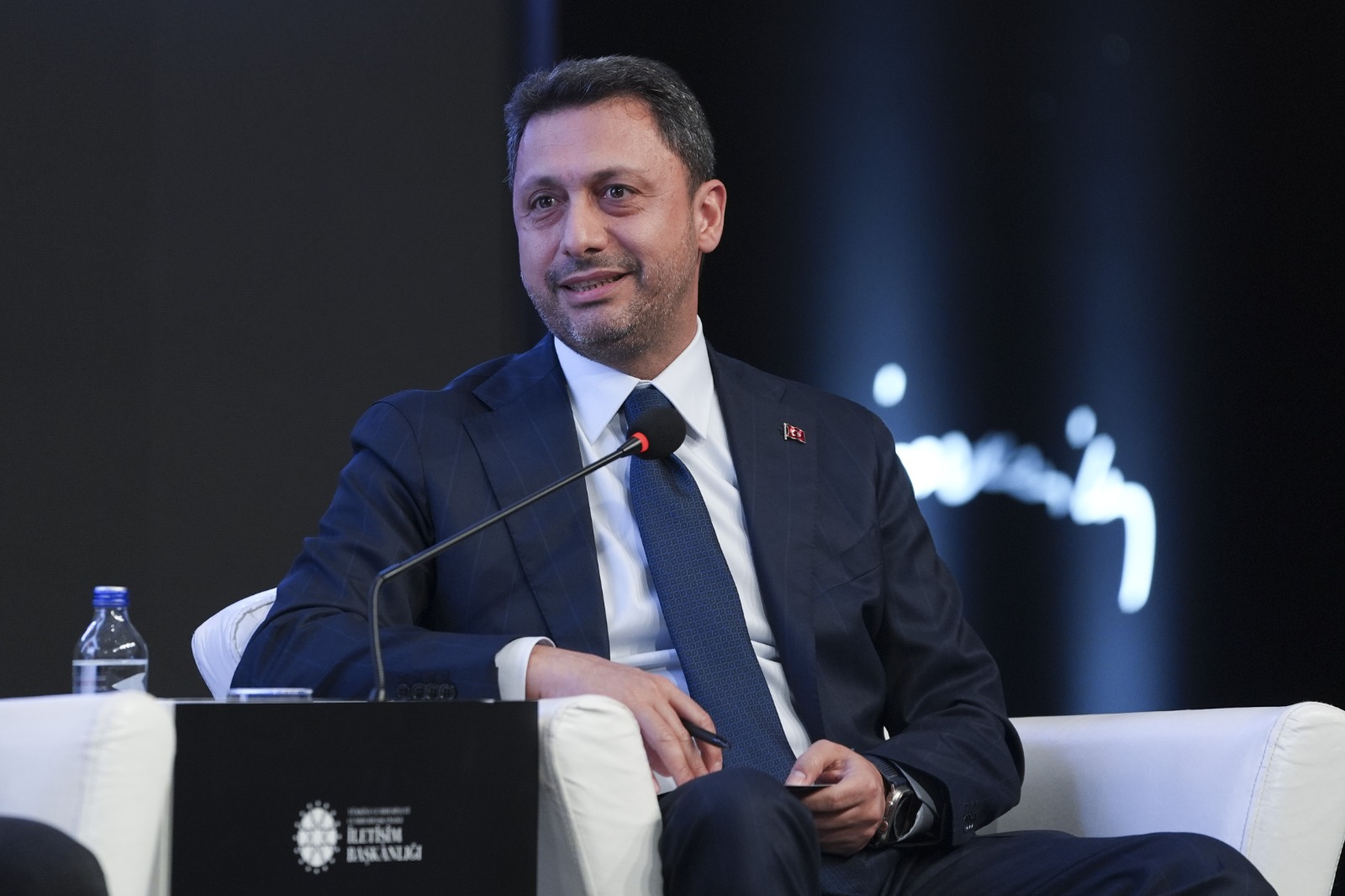
The symposium took place at Rixos Tersane Istanbul with the participation of the Presidency's Head of Communications, Fahrettin Altun, alongside numerous figures from the world of arts and culture.
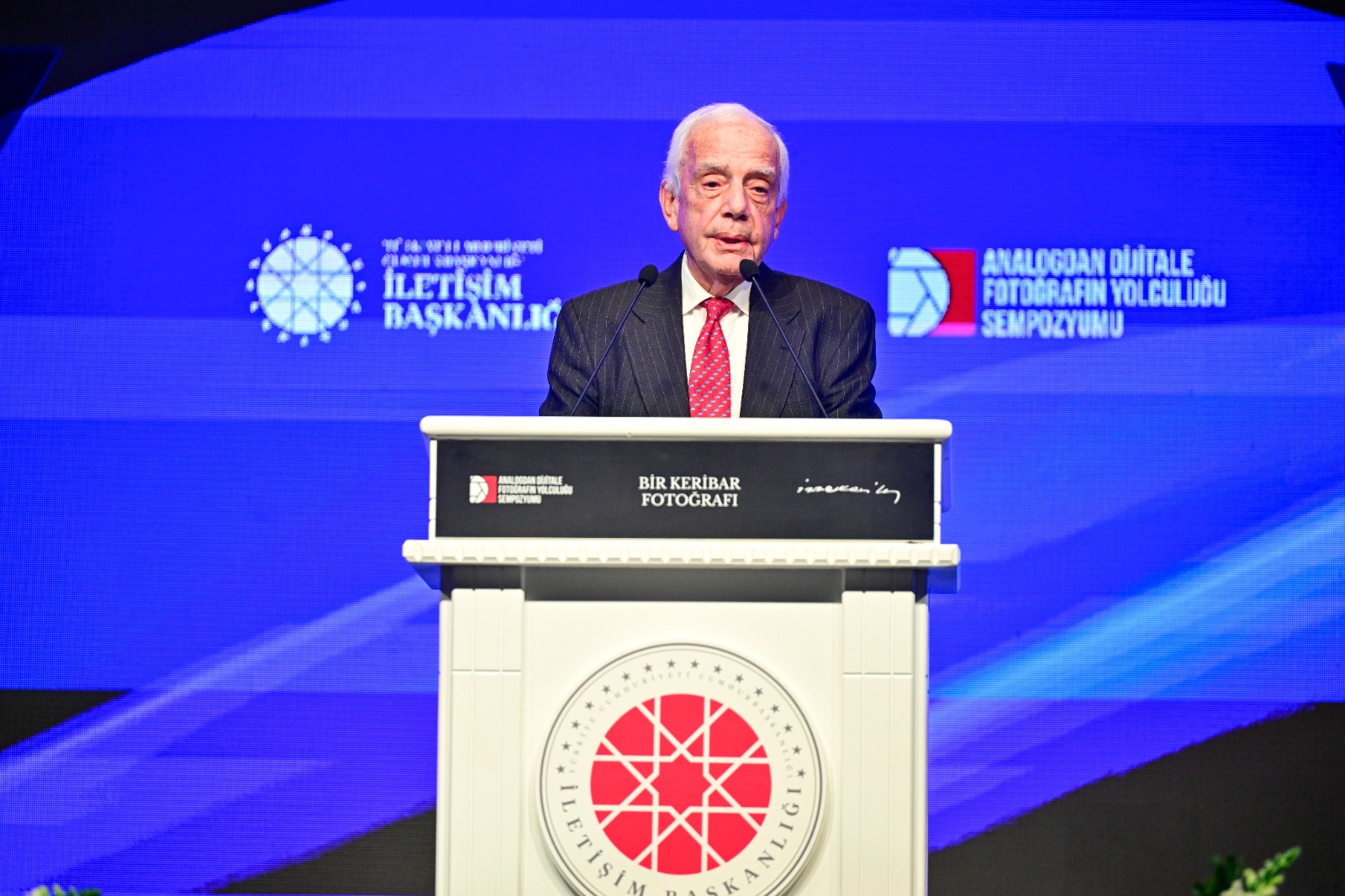
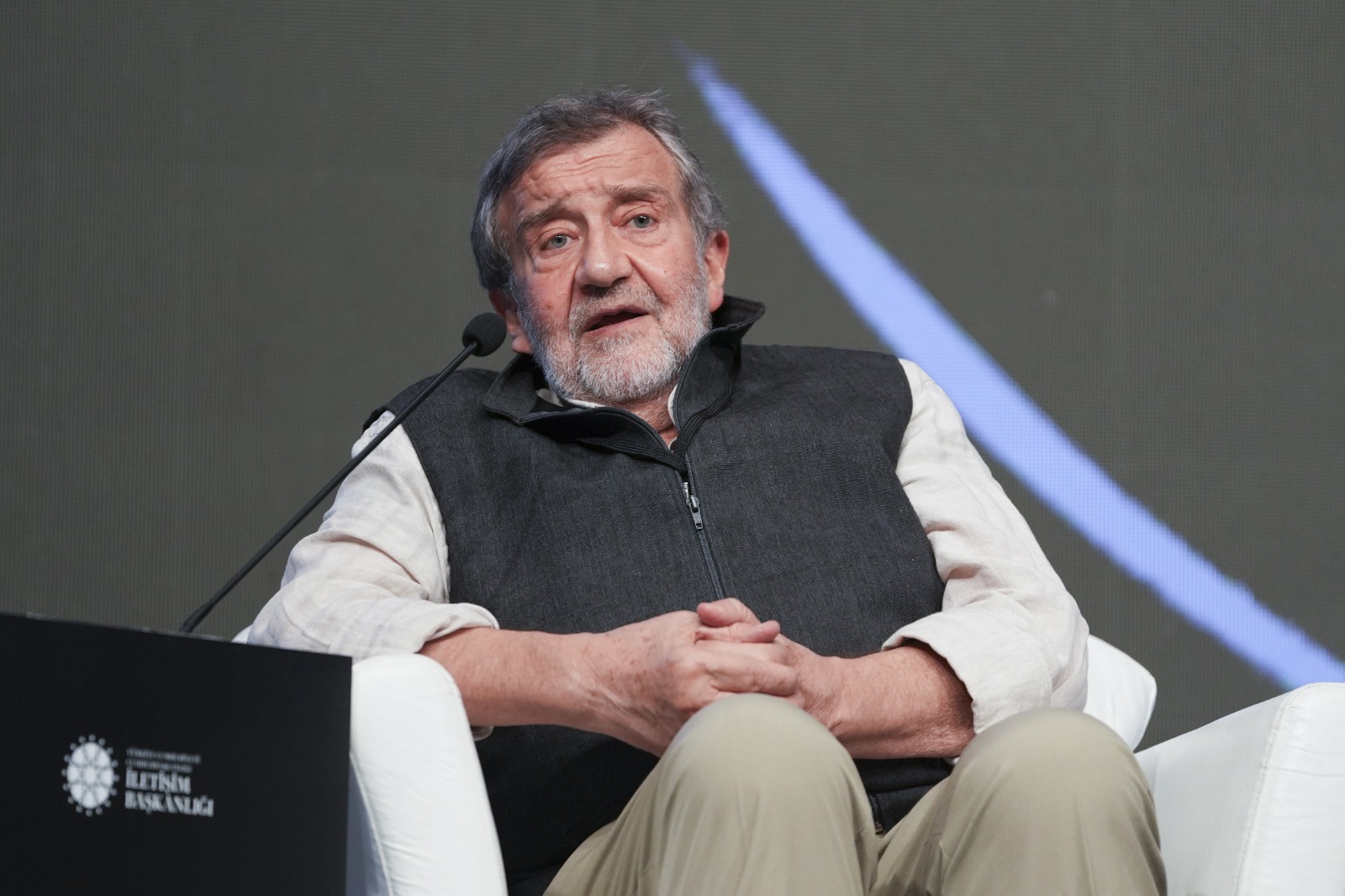
As part of the program, an exhibition featuring photographs of the Hagia Sophia Grand Mosque by 88-year-old photographer İzzet Keribar was presented to the attendees.
Speaking at the opening, Keribar expressed his gratitude to everyone who supported the production of the documentary "A Keribar Photograph," as well as his wife. He noted that an identical exhibition of his Hagia Sophia photographs had also been held at the Nation’s Library of the Presidency.
Keribar emphasised that photography was more than just a profession for him, stating, "I see photography as the most powerful way to express my feelings, thoughts, and observations about life."
He shared that throughout his life, he had endeavoured to view the world through a unique lens, capturing the beauties created by Allah, the complexity of life, and the depth of humanity through his photographs.
"The best era for capturing traumas and social suffering in photography: World War II"
The symposium’s first session, titled “The Past, Present, and Future of Photography," was moderated by Hilal Turan, Periodicals and Publications Coordinator at the Directorate of Communications.
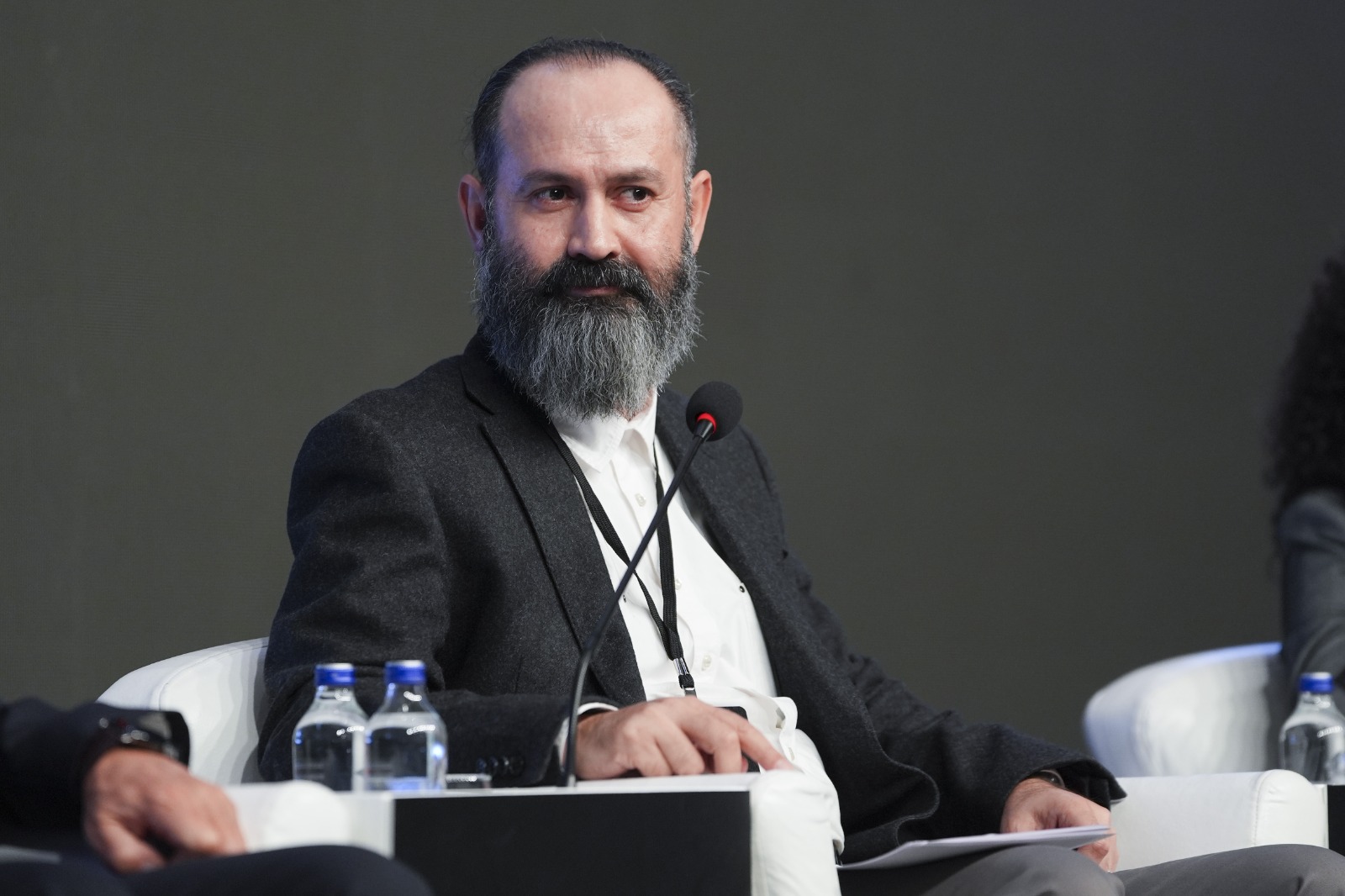
In this session, photojournalist and documentary producer Coşkun Aral remarked that shortly after the invention of photography, Turkish photographers began documenting stories across Ottoman geography. He stated, "This was a journey starting from Malta, extending to Palestine and Egypt, and reaching the lands of Anatolia. During that period, they took remarkable portraits. The years I am referring to are the 1840s and 1850s."
Aral pointed out that cameras were first taken to the front during the Crimean War and added:
"World War I was another era where photography played a role. However, World War II stands out as the period when traumas, social suffering, and the brutal realities faced by humanity were most effectively documented through photojournalism. People bore witness to suffering on various fronts, thanks to advancements in technology and more portable cameras. They were on a mission to convey the terrible human condition to those who were unaware. The influence of photographs from that era is significant."
Aral emphasised that photography could be more powerful than films in conveying what happened and shared that he began his career as a photojournalist during the Iran-Iraq War after the Vietnam War.
Aral noted that in 1981 in Northern Ireland and 1982 in Lebanon, he photographed incidents similar to the current suffering in Palestine. He expressed the view that the genocide occurring in Gaza could be best communicated to the world through photographs.
"Certain features are essential for a digital image to qualify as a photograph"
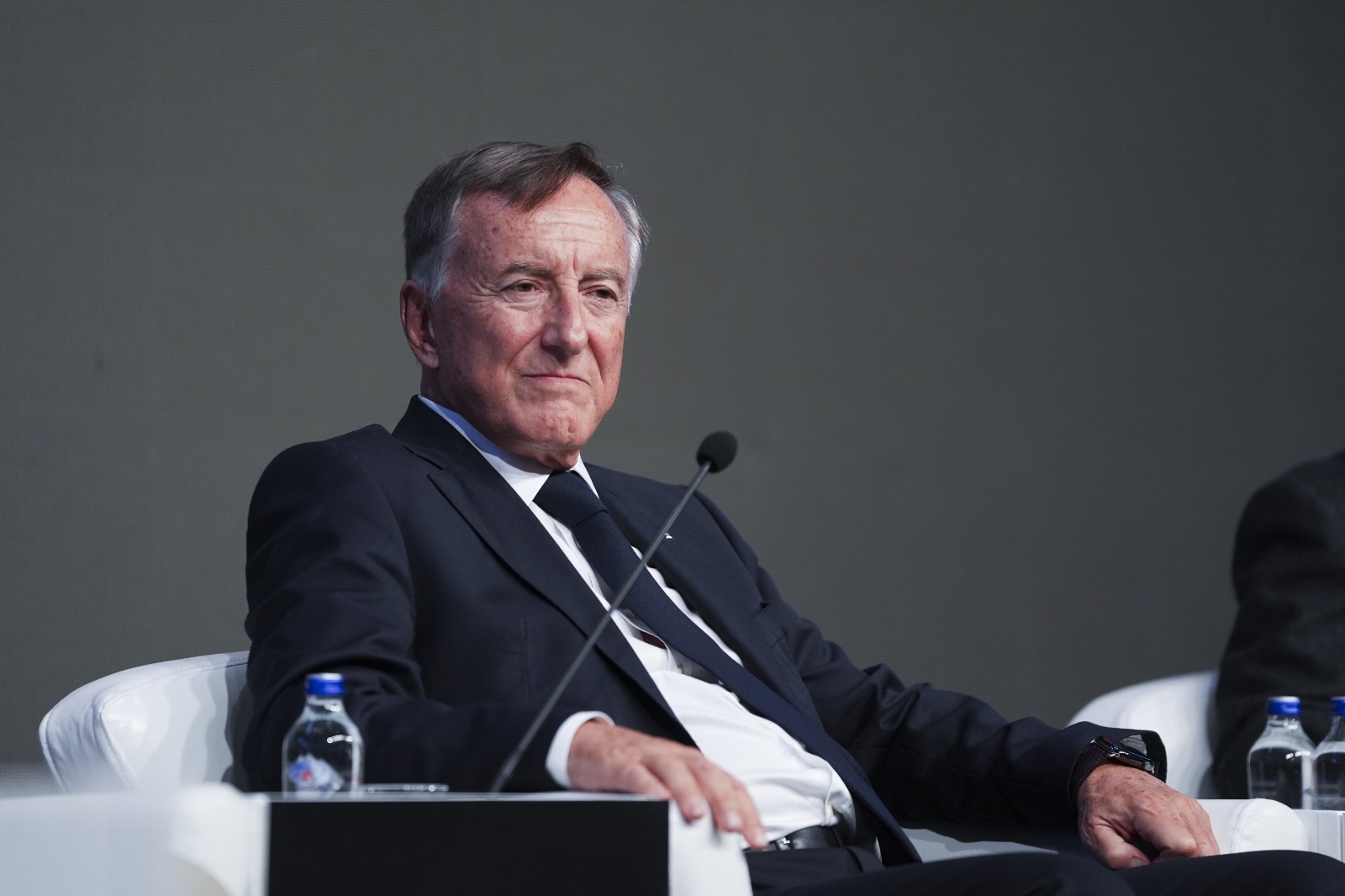
Bülent Eczacıbaşı, Chairman of the Board of Directors of the Istanbul Foundation for Culture and Arts (İKSV), announced that they have been releasing photographic yearbooks annually since 1968 under Eczacıbaşı, noting that his passion for photography commenced during his student years, engaging in it as a hobby.
Eczacıbaşı, describing himself as a street photographer, expressed the belief that photography ought to convey a narrative.
Eczacıbaşı pointed out that photographs taken with digital cameras fail to contribute to one's success in photography, saying, "Digital photography makes it easier to record images but not to take photographs. Remarkable devices have been developed for image recording, yet certain features are essential for a digital image to qualify as a photograph. It involves content, composition, light, colour, and so forth, all of which are to be mastered. Therefore, photography should not be practised by relying on digital technology."
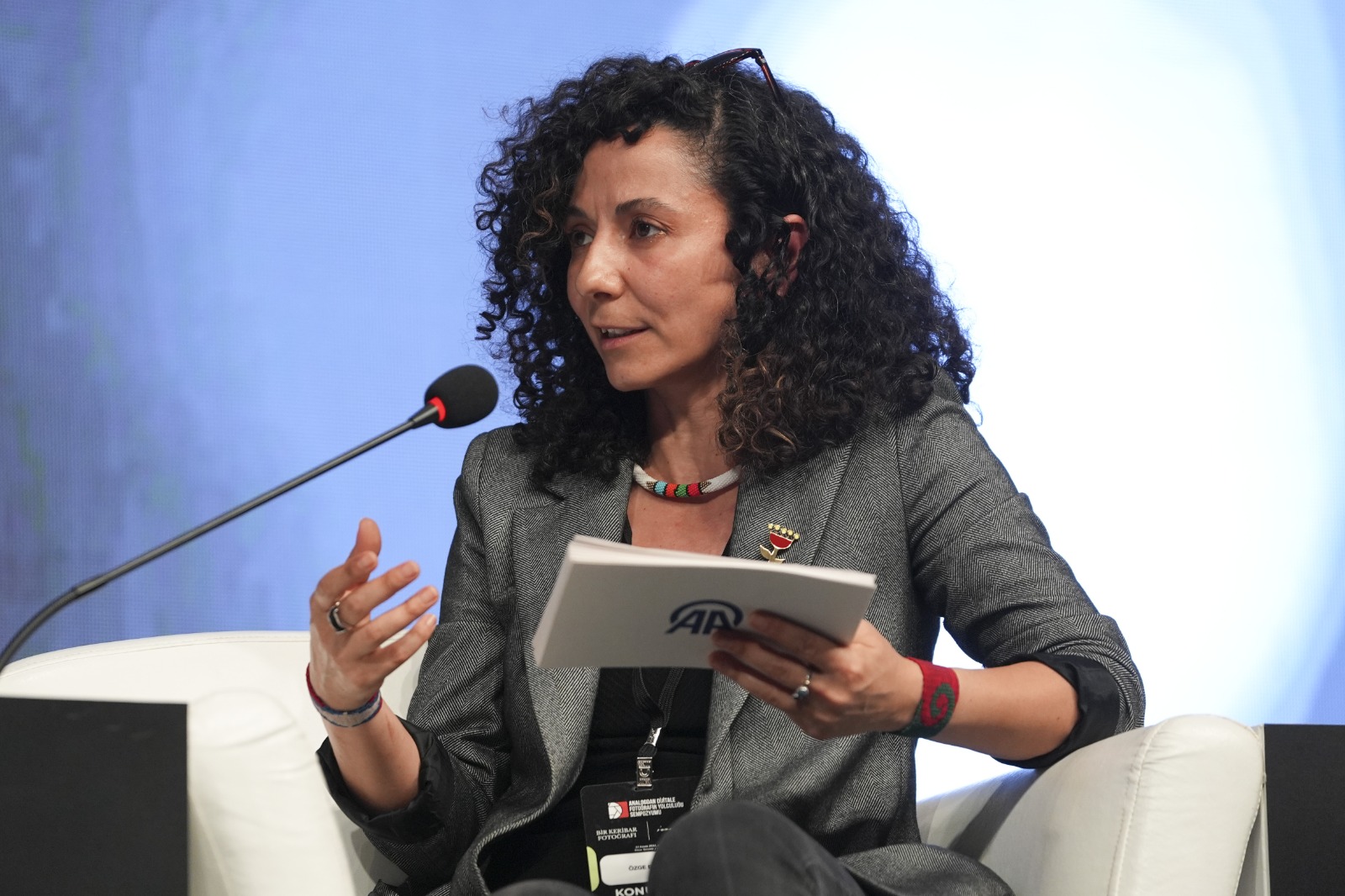
Prof Halis Ozan Bilgiseren from Mimar Sinan Fine Arts University and Anadolu Agency photojournalist Özge Elif Kızıl also delivered speeches in the opening session.
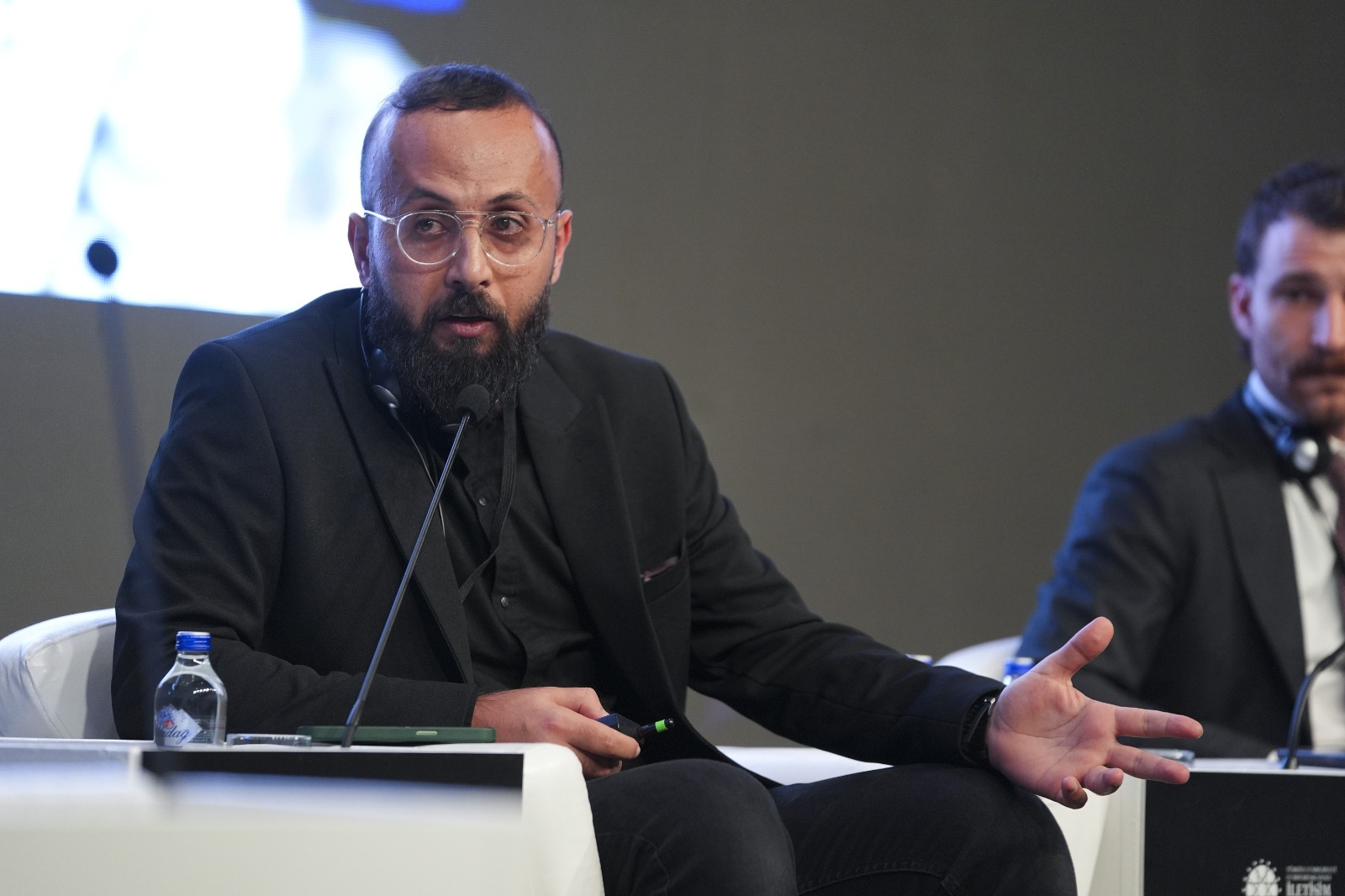
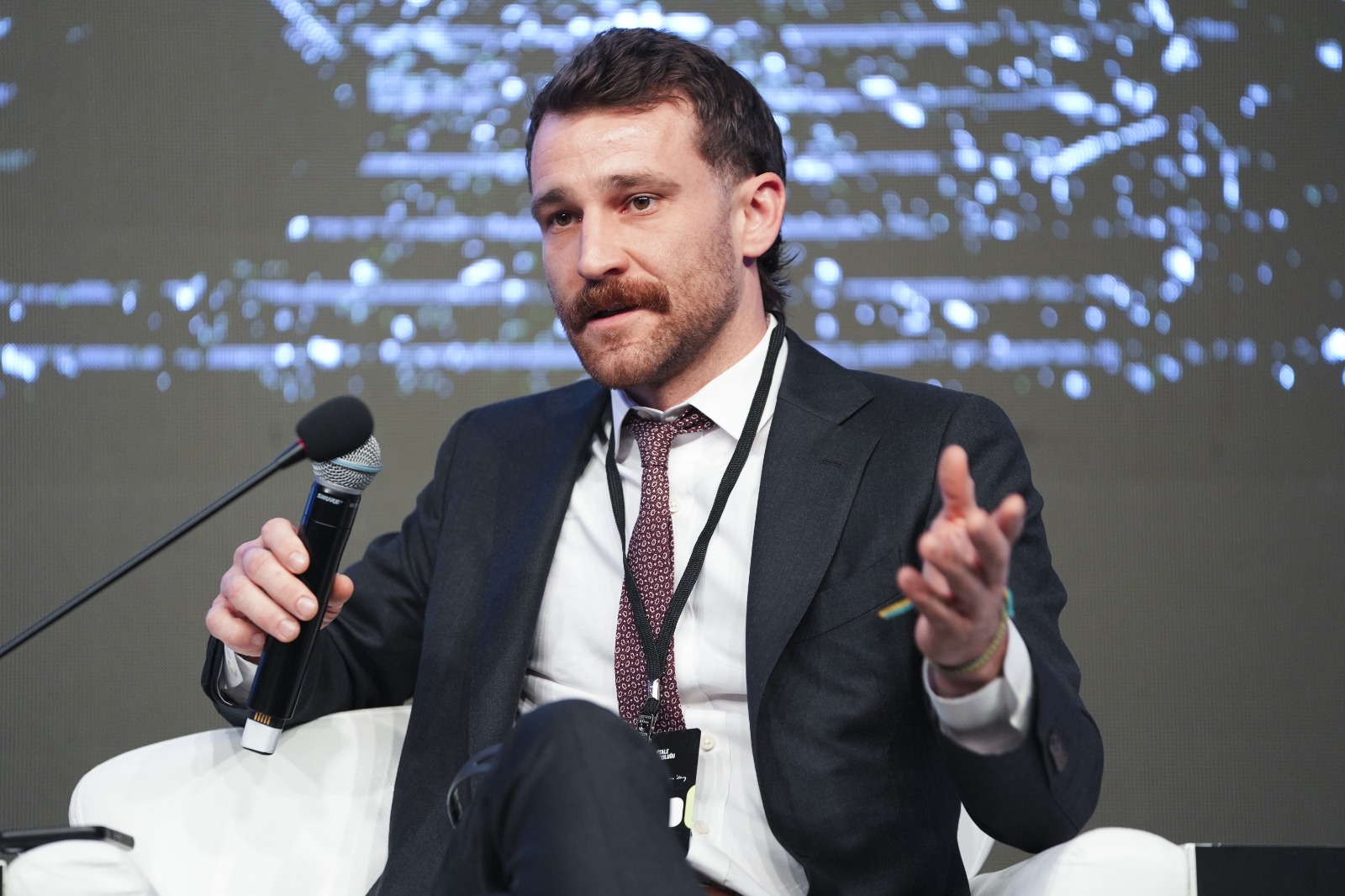
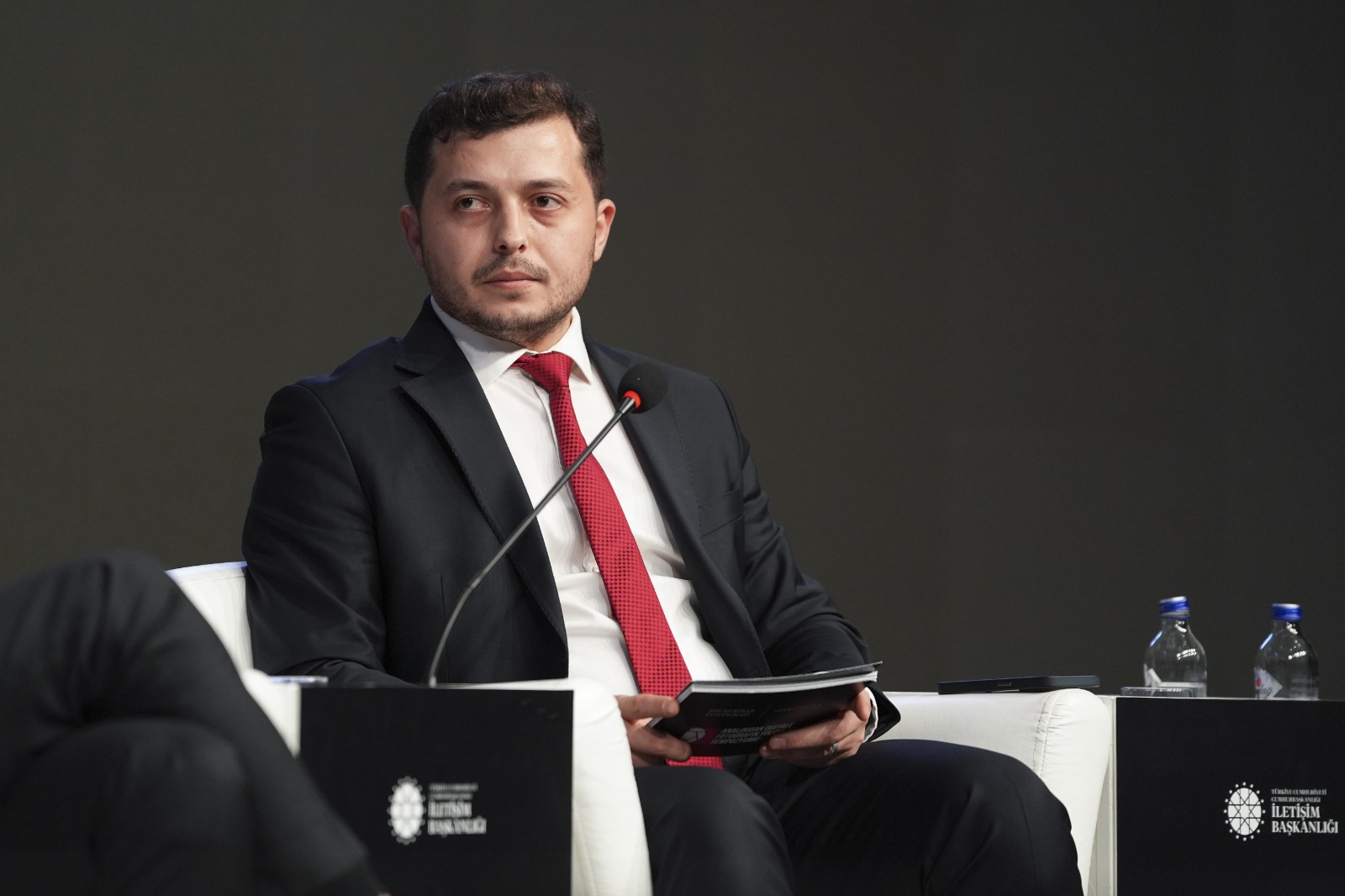
During the second session of the symposium titled "Reflection of Humanitarian Crises in the Camera Lens," Murat Çetinmühürdar, Head of the Presidential Photo and Film Department, and photojournalists Belal Khaled, Wolfgang Schwan, and Aytuğ Cem Sancar shared their experiences with the participants, moderated by Sümeyra Değirmenci, Corporate Communications Coordinator of the Directorate of Communications.
Head of Communications Altun's post regarding "İzzet Keribar Photography Exhibition" and "Photography's Journey from Analogue to Digital Symposium"
The Presidency's Head of Communications, Fahrettin Altun, shared a post on his social media account regarding the "İzzet Keribar Photography Exhibition" and the "Photography's Journey from Analogue to Digital Symposium," organised by the Directorate of Communications.
Head of Communications Altun stated the following in his post:
"We staged a significant event yesterday. We organised the 'İzzet Keribar Photography Exhibition' and the symposium titled 'Photography's Journey from Analogue to Digital.' Following the symposium, we participated in the screening of a documentary showcasing İzzet Keribar's photographic journey.
Alongside the opportunities it offers, the 'journey from analogue to digital' also presents crises.
In the era of digital transformation, we, as the Directorate of Communications, are currently waging our most significant struggle against the 'crisis of truth.'
Waged in line with the vision of President Recep Tayyip Erdoğan, this 'struggle for truth' demonstrates our unwavering resolve in resisting those who seek to relegate our nation to a state of dependency.
In the present era, ‘digital terrorism’ has now become a national security concern. It is crucial for every institution, the media, and individuals to assume responsibility in this regard.
The great photographer İzzet Keribar, who has travelled to over 70 countries with his camera yet holds a profound affection for his homeland, Türkiye, and has ‘struggled to explore what he could do to contribute to his country’, imparts valuable lessons to us all with his attitude.
I would like to take this opportunity to thank everyone who participated in and contributed to the preparation of the symposium, exhibition, and documentary."