As part of the International Strategic Communication Summit (Stratcom Summit'23), which our Directorate organised in Istanbul, the panel on "New Fronts to Hybrid Threats" was held.
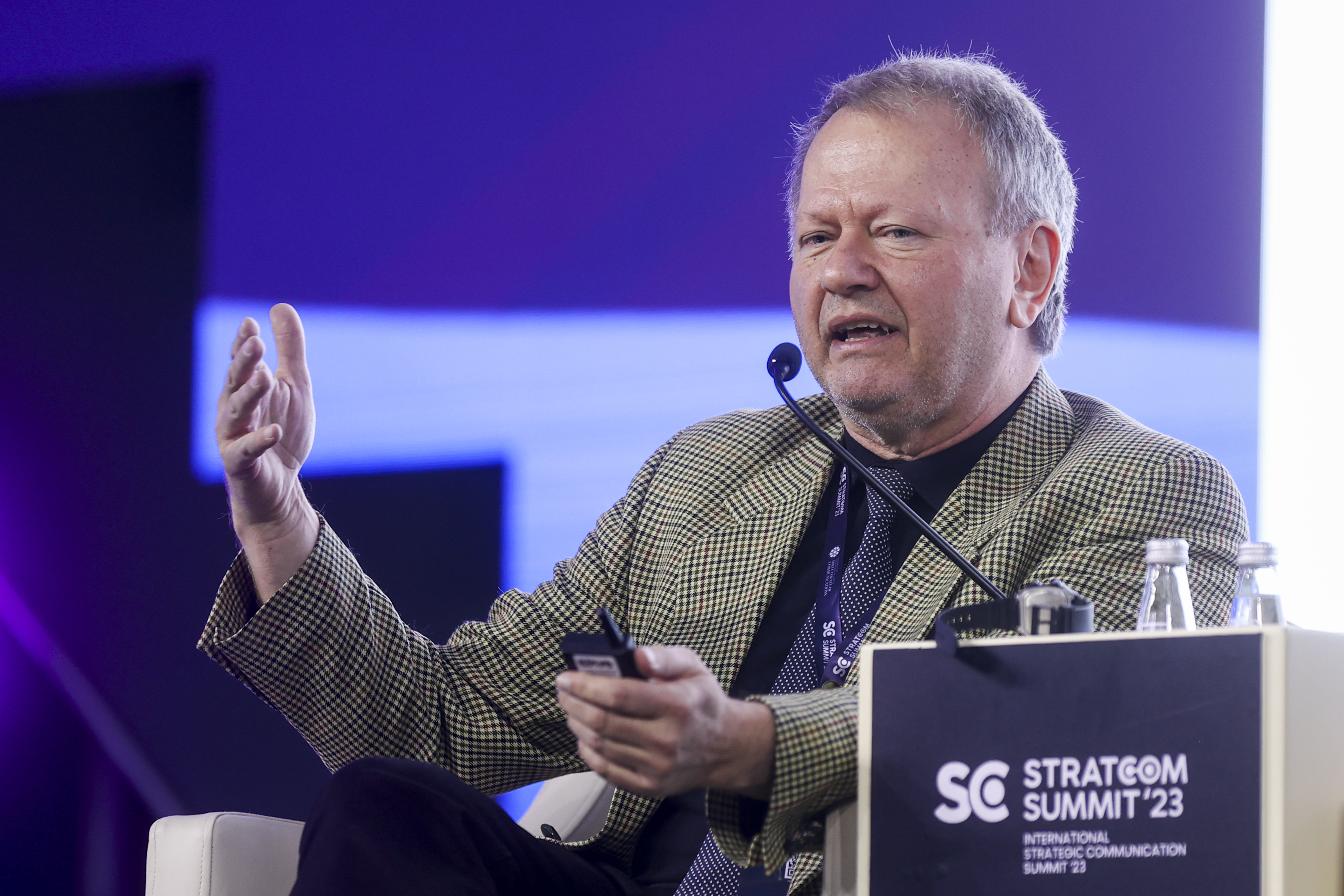
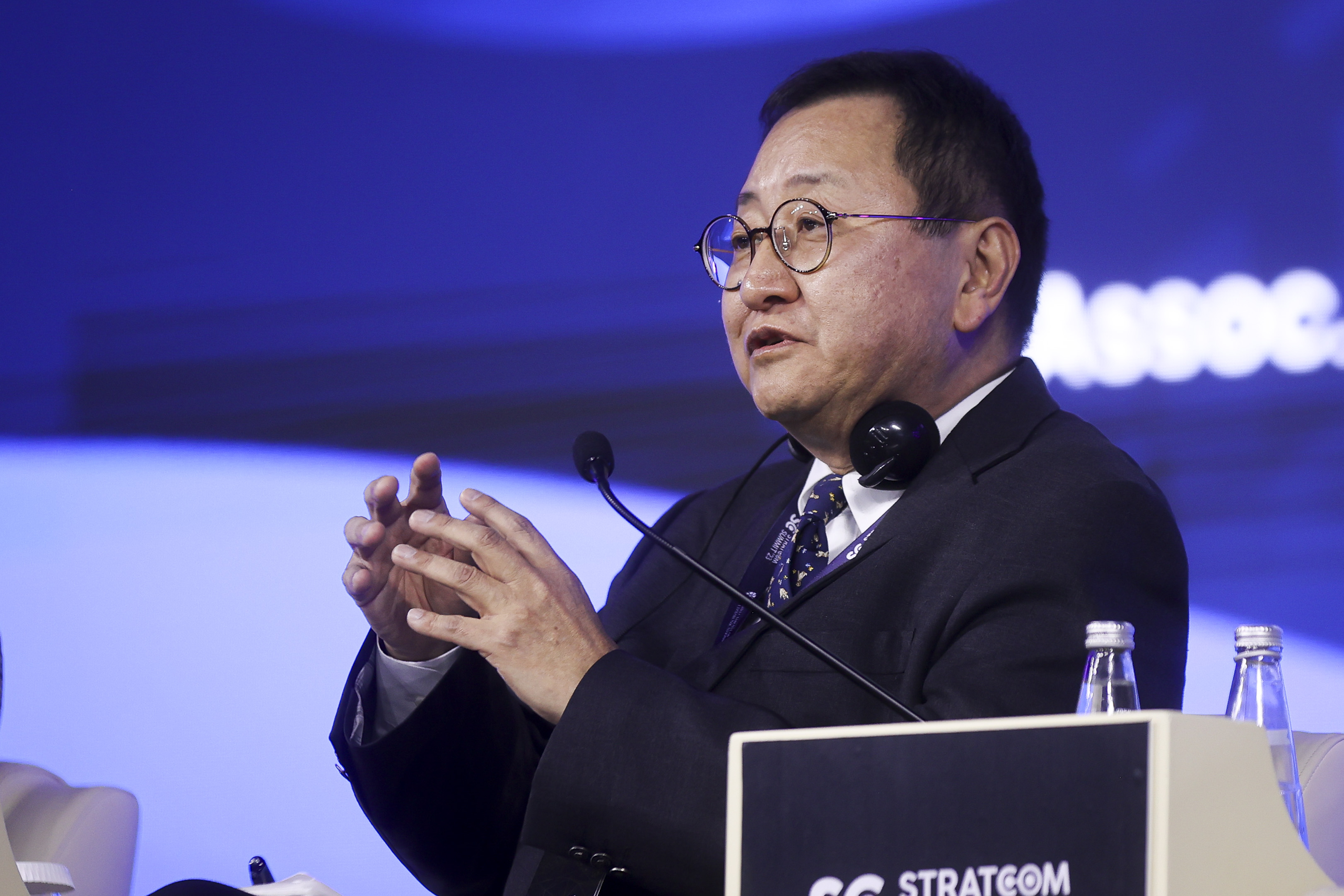
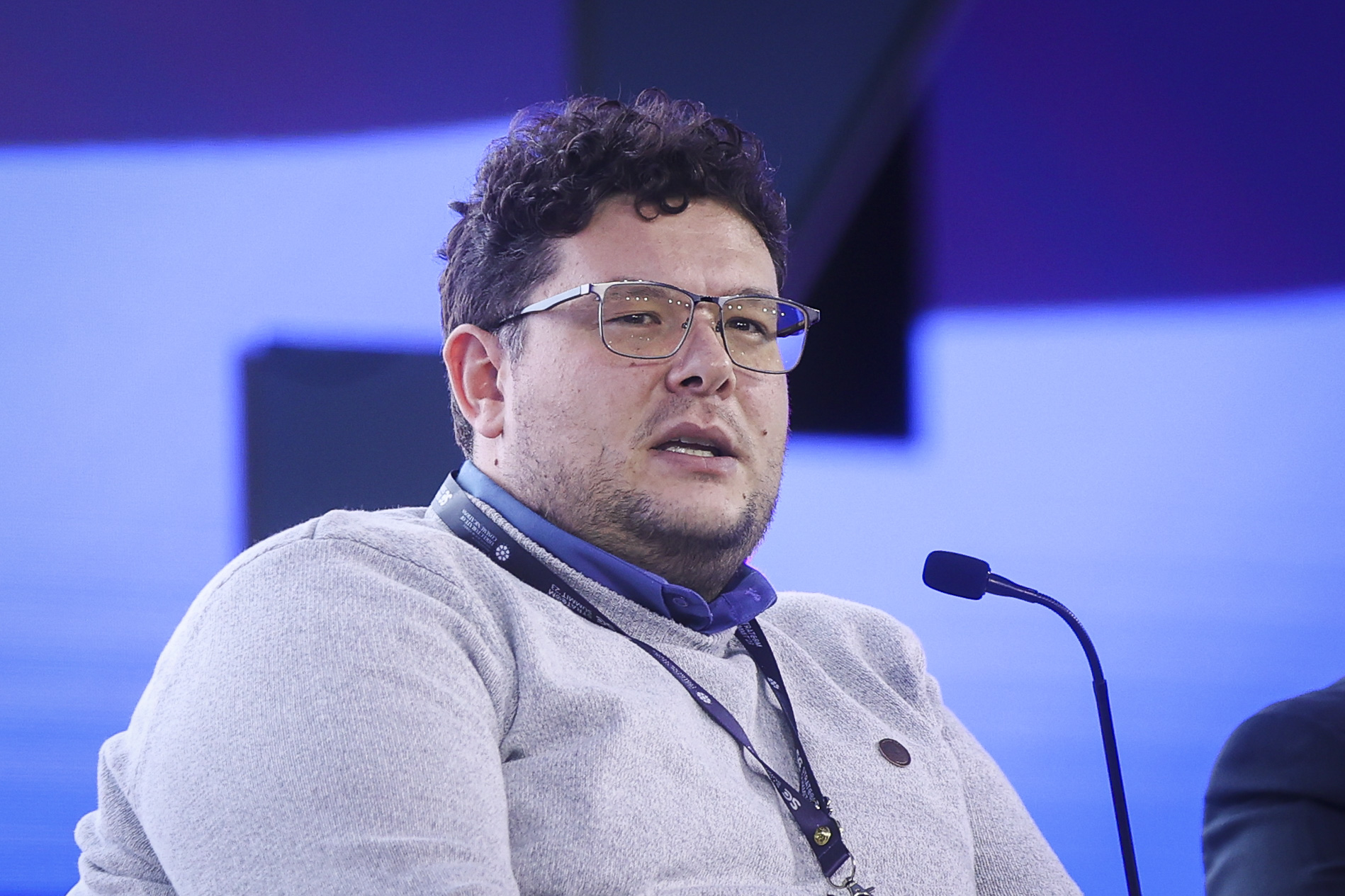
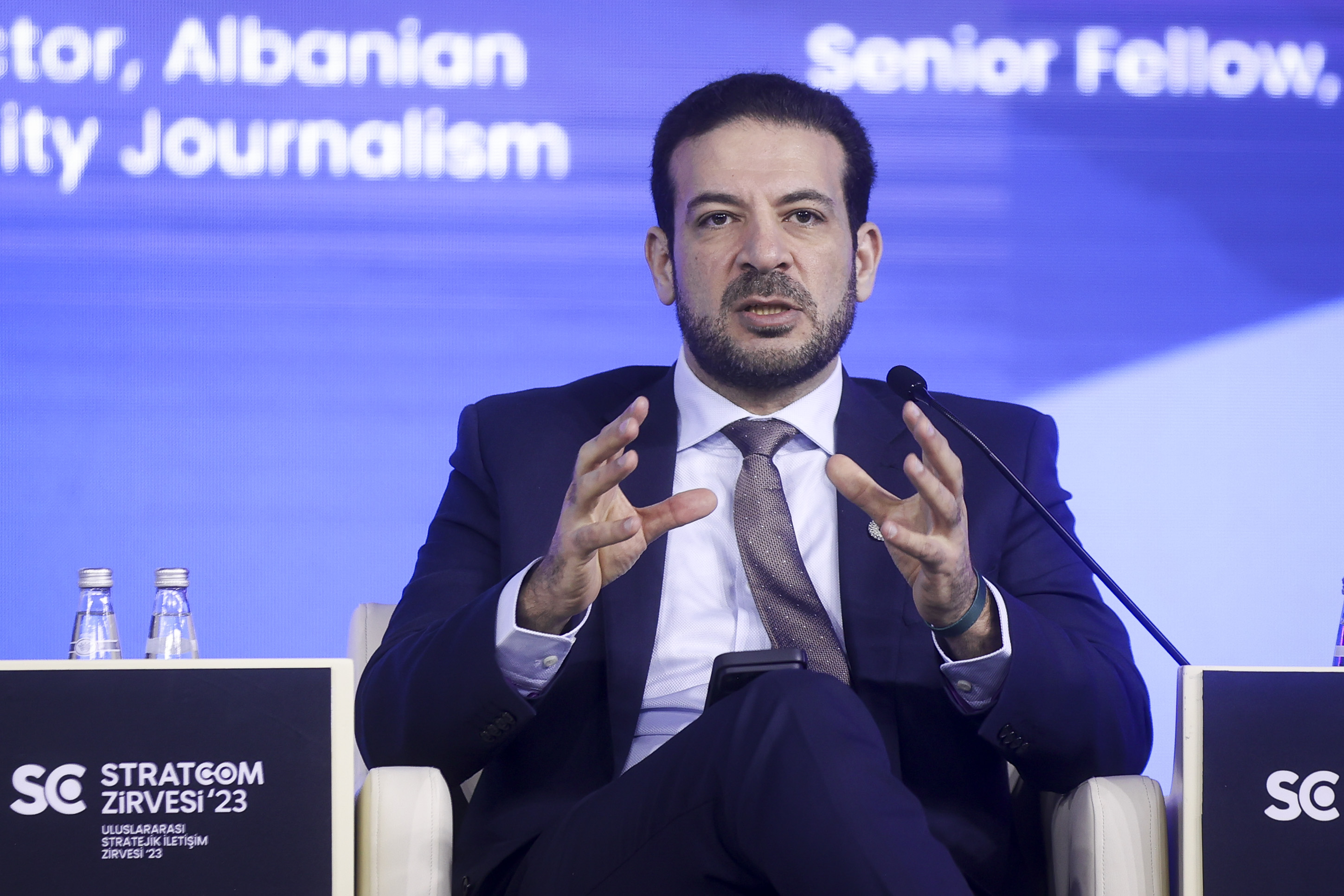
Moderator Jordan Morgan, Director of Programmes at Forward Thinking, led a panel discussion featuring David F. J. Campbell, Associate Professor for Comparative Political Science at the University of Vienna; Toshiya Hoshino, Professor at Osaka University's Osaka School of International Public Policy (OSIPP); Roden Hoxha, Executive Director at the Albanian Centre for Quality Journalism (ACQJ); and Karim Elgendy, Senior Fellow at Chatham House.
Morgan argued that the "deliberate spread of misinformation" is one of the objectives of disinformation and that this poses a threat to societies, democracies, and political leadership.
Highlighting that disinformation could potentially destabilise societies, Morgan added how this was nothing new.
Arguing that as democracy keeps evolving, it is also being put to the test and challenged, Campbell, Associate Professor for Comparative Political Science at the University of Vienna, emphasised that information and the generation of information should be approached in the light of innovation and education.
In addition, Campbell pointed out that political freedom is necessary to allow societies to pursue information and innovation, highlighting the fact that when democracy progresses through information, information democracy will also advance.
"Societies and political systems wish to make investments in education. Because it is society's greatest legacy," said Campbell.
"Now is the time to consider a new kind of common security"
Prof Toshiya Hoshino from Osaka University's Osaka School of International Public Policy indicated that the world is currently confronted with hybrid threats, adding, "We are currently at a critical crossroads. We have indeed reached a critical juncture in the annals of human history."
Hoshino cited the 2030 Agenda for Sustainable Development Goals of the United Nations (UN), saying that it is important to make the right call at the right time, and added, "There will not be much beauty in the world for people to see if we are unable to make the right calls."
Hoshino recounted his tragic experiences of Hiroshima, Nagasaki, and Fukushima and stated, "There is a great deal of violence unfolding as we speak between countries and other parties involved. However, now is the time to consider a new kind of common security. This should be a structure in which we can band together and take action for the good of our future, humanity and the planet."
Hoshino underlined that people should be held accountable for problems they cause, such as climate change.
Stating that the UN Security Council had also fallen short of its responsibilities, Hoshino noted, "President Recep Tayyip Erdoğan of Türkiye put up a significant reform agenda. I think these kinds of initiatives should be discussed more broadly so that we can resolve these current problems, what is happening in Gaza or elsewhere."
Asserting that the UN has remained unchanged since its establishment in 1945, Hoshino underscored the significance of President Erdoğan's initiative.
Disinformation in Albania
Executive Director of the Albanian Centre for Quality Journalism, Hoxha, stated that Albania and the surrounding region face "different challenges and conditions related to the dissemination of information" in reference to the issue of hybrid threats and information.
Referring to the absence of regulations governing the media industry in Albania, Hoxha noted that for this reason, "disinformation spreads very quickly" there.
Hoxha said that disinformation persists between Kosovo and Serbia to a great degree, and they find it extremely challenging to overcome.
Observing that right-wing extremist groups in Albania are attempting to disseminate their message using instant messaging applications like Telegram, Hoxha said that right-wing extremist groups cooperate among themselves in this fashion.
Hoxha underlined the significance of media literacy to counter them.
Fake news about climate change
Senior Fellow at Chatham House, Elgendy, addressed how the spread of misinformation is impeding efforts to address climate action.
Highlighting that those opposed to climate action portray climate concerns as false and fake news, Elgendy noted that "there is no point in denying climate change" in light of the scientific research released every day.
Elgendy explained that "delaying" is a tactic used to spread misinformation on climate change in an effort to delay taking action in the face of another crisis.
Saying, "The climate issue is not an issue to say, 'Let's skip over this','' Elgendy emphasised the significance of climate literacy.