Presidency’s Head of Communications Prof. Burhanettin Duran stated that “Families with strong internal communication and healthy parent-child bonds constitute the most strategic strength of our nation today. Such a family structure is undoubtedly vital for raising generations that will make both our country and the world a far more prosperous place.”
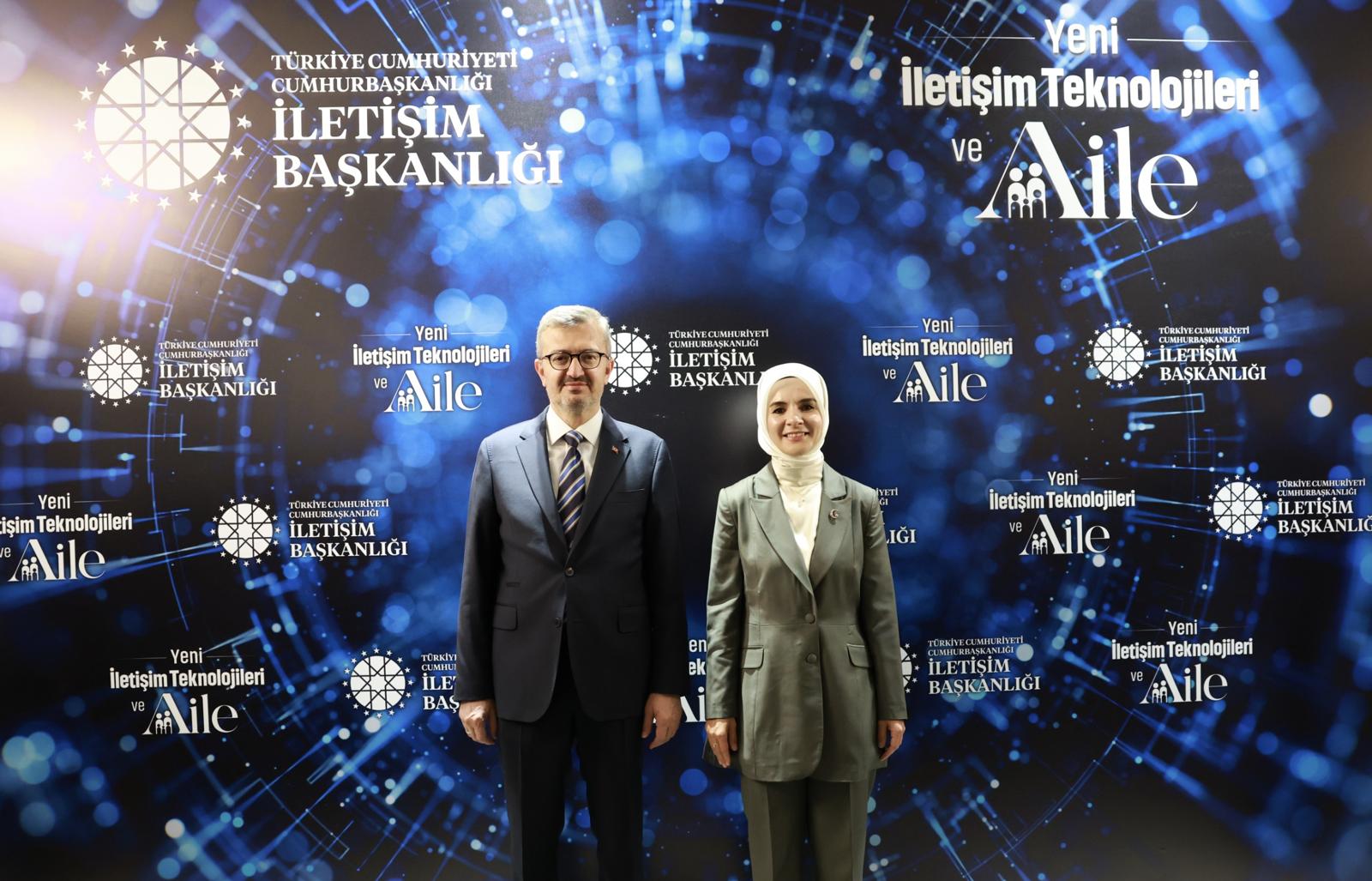
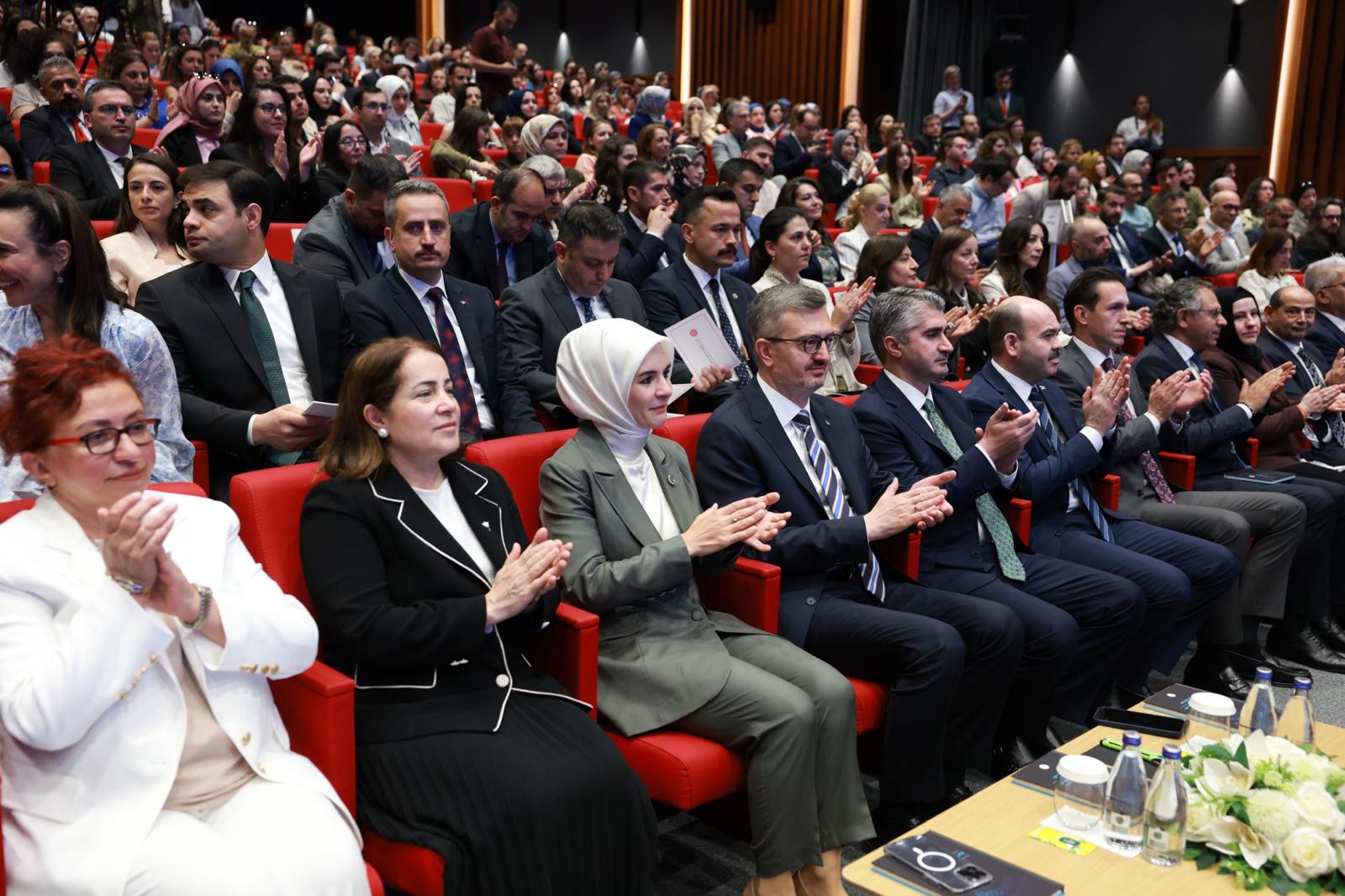
The “New Communication Technologies and the Family” Panel was held at the Presidency’s Directorate of Communications with the participation of Minister of Family and Social Services Mahinur Özdemir Göktaş.
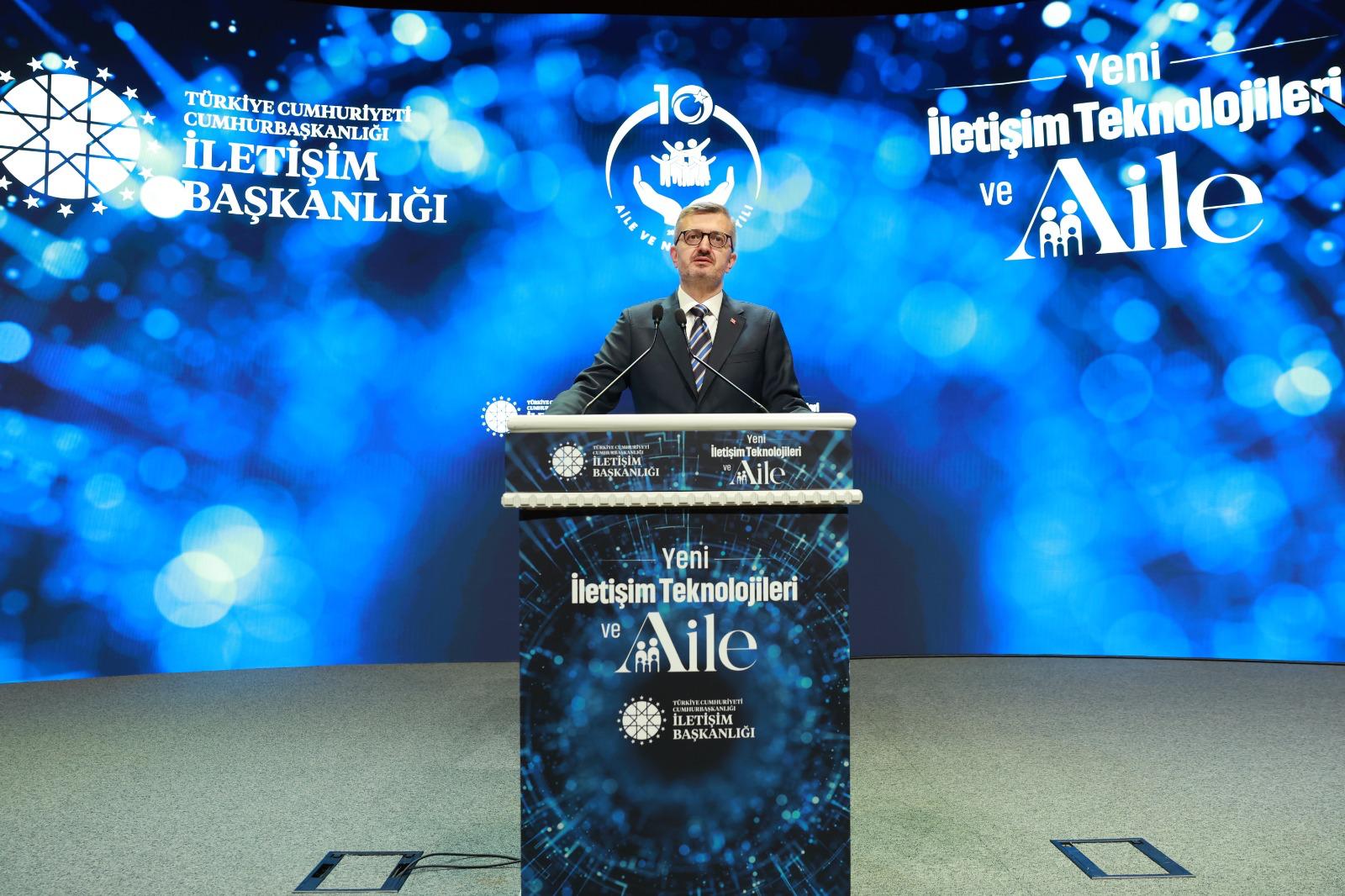
Speaking at the opening session of the panel, the Presidency’s Head of Communications, Burhanettin Duran, stated that concepts such as “digital transformation,” “artificial intelligence,” and “data security,” which permeate both professional and private life, are discussed almost every day.
Noting that efforts are underway and major strategies are being implemented to prepare institutions for this new era amid the ongoing transformation, Head of Communications Duran stated that the most difficult, complex, and critical digital transformation project in this field is taking place not within institutions but in the daily lives of individuals.
Noting that families are directly affected by this transformation, Head of Communications Duran said: “I would like to describe one of the greatest paradoxes of our age as follows: never before in history have we been so connected, yet at the same time so lonely.”
Referring to sociologist Sherry Turkle’s description of this phenomenon as being “alone together,” Duran continued:
“We sit in the same home, on the same sofa, yet live in different digital universes. As parents, without questioning our own habits or recognising our own transformation, we often ask: ‘How much time should my child spend in front of a screen?’ Yet academics and experts tell us that this question is incomplete. The real issue is not screen time itself, but the nature of the relationship children establish with screens and the meaning they derive from them. When viewed from this perspective, technology ceases to be merely a tool; it also brings with it a worldview. We must recognise this reality and use technology within the framework of our own values and our national civilisation values.
Today, our children are growing up within a world of meaning suggested by the screens they use. That world becomes their reality. Understanding this reality requires not only managing devices, but also managing the meanings they generate. Ours is an age in which guidance, rather than prohibition, is perhaps the most effective approach, and one that calls for parents who can provide such guidance. In this regard, we should see the digital world not as a window to be shut, but as a landscape and an opportunity to be framed together.”
“Our Directorate’s aim is to provide guidance to parents on the relationship between technology and children”
Drawing attention to the fact that a newborn child creates a digital footprint consisting of thousands of photographs on the internet, Head of Communications Duran stated that parents tend to share every aspect of their children's lives. He noted that this tendency is increasing day by day and that a large number of families are turning to this practice.
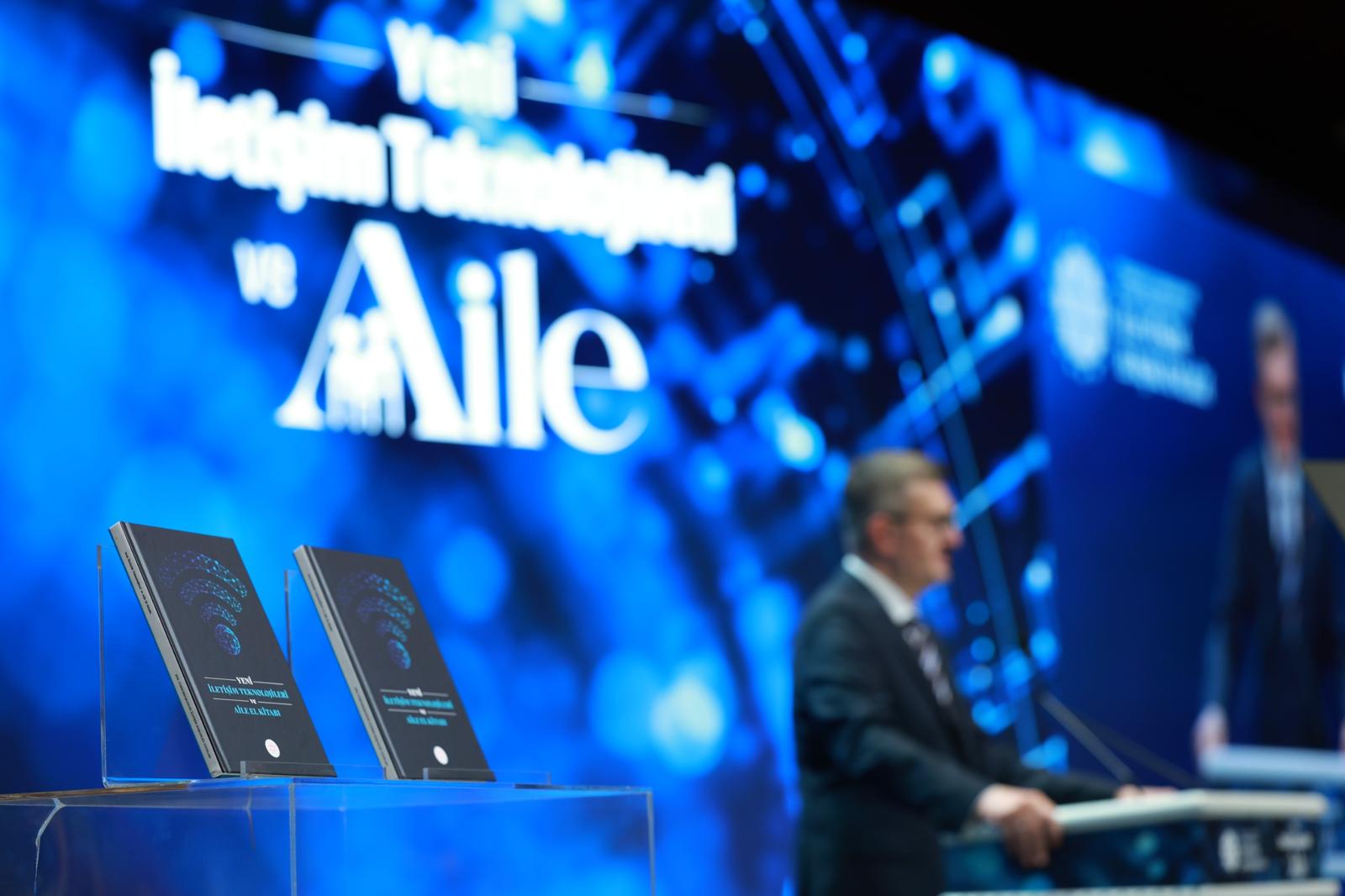
Noting that the Directorate has shared the book New Communication Technologies and the Family with the public, Head of Communications Duran said, “The primary aim of our Directorate is to provide parents with guidance towards a balanced and informed direction in the relationship between technology and children.” Head of Communications Duran expressed his hope that the book would raise awareness and support parents' efforts to raise their children as safer, better-equipped individuals.
“We must not only identify threats but also produce alternatives”
Head of Communications Duran emphasised that when parents tell their children to put down their phones while simultaneously checking emails at the dinner table, words alone lose much of their influence. Pointing out that the habit of disregarding the person in front of us by paying attention to a mobile phone has become widespread among adults and even more prevalent in family and workplace settings, Head of Communications Duran noted that people are increasingly taking significant “phone-checking” breaks in the middle of conversations.
Referring to recent studies on attachment theory, Head of Communications Duran stated that when a parent’s attention shifts to a screen while speaking with a child, it can trigger the release of stress hormones in the child. He continued:
“We encourage our children to focus and to live in the moment. Yet often it is we who need to remain present, and the place where we should be present is in the eyes of the child waiting to tell us about their day when we return home in the evening. Above all, we must recognise that today’s children belong to what is often called the ‘digital native’ generation. Digital transformation has created significant gaps between the world of our generation and that of our children. Hazrat Ali advised: ‘Raise your children not according to your own time, but according to the time in which they will live.’ This wisdom also guides us in how we should approach the new digital reality we face. What is relatively new to us today will constitute the world of our children tomorrow. Remaining connected with our children is one of our most fundamental responsibilities in protecting them from potential threats and providing them with guidance.”
Emphasising that the digital world cannot simply be shut out, Head of Communications Duran underscored that the strongest key to raising children as conscious and responsible individuals of the digital age is a climate of trust within the family. Noting that parents have very important responsibilities in this regard, Head of Communications Duran said, “We must not be content with identifying the risks and threats of this world; we must also develop alternatives and take action.”
“We are striving to make the digital world safer”
Head of Communications Duran stated that they closely follow the growing availability of family-friendly content on TRT Çocuk and TRT Genç that can be enjoyed by the whole family. Emphasising that the content available on the TRT Tabii platform is likewise family- and child-friendly, Head of Communications Duran underlined that, as the Directorate of Communications, they fulfil their responsibilities with great care in terms of making sense of developments, producing alternatives, and providing guidance.
Noting that threats such as cyberbullying and digital violence can follow children even into their homes, Head of Communications Duran said: “They continue to confront the negative experiences they encounter in the digital environment even when they lay their heads on their pillows at night. At the same time, the effort to protect families, and especially our children, in the digital world necessitates strong cooperation between the state and society. This is precisely what we focus on as we carry out our robust fight against disinformation. We strive to make the digital world safer for both our families and our children.”
Recalling that children and young people had been hosted at the Directorate on the occasion of the “Add Colour to CİMER” painting competition and the National Youth Summit on Combating Disinformation, Head of Communications Duran said that they attach great importance to engaging directly with children and young people.
Underlining that they consider it highly valuable for children to be able to contact CİMER directly and that they carefully monitor the complaints received from them, particularly those concerning cyberbullying, Head of Communications Duran stated that, through the panels, training programmes, and seminars they organise, they seek to guide families in managing their children’s relationship with the digital world in a healthy and responsible manner.
“Families with healthy parent-child bonds are the nation’s most strategic strength”
Head of Communications Duran expressed appreciation for the Ministry of Family and Social Services' valuable guidance in this field.
Head of Communications Duran highlighted initiatives such as the Ministry’s social media regulation for children under the age of 15, the Action Plan for Empowering Children in the Digital World, the Convention on Children’s Rights in the Digital World campaign, and digital parenting guides as highly important efforts benefiting both families and young people. “Families with strong internal communication and healthy parent-child bonds constitute the most strategic strength of our nation today. Such a family structure is undoubtedly vital for raising generations that will make both our country and the world far more prosperous. Unfortunately, in the age we live in, the institution of the family is being systematically undermined and devalued through various attacks,” Head of Communications Duran said.
Head of Communications Duran further stressed that under the leadership of President Recep Tayyip Erdoğan, Türkiye is among the leading countries working to protect and strengthen the family institution. He noted that the declaration of the previous year as the “Year of the Family” and the designation of the 2026–2035 period as the “Decade of Family and Population” clearly demonstrate Türkiye’s determination in this regard.
Concluding his remarks, Head of Communications Duran stated that the designation of 25–31 May as National Family Week represents a clear step towards raising social awareness, strengthening family ties, and transmitting deeply rooted values to future generations, adding that efforts to protect and reinforce the family institution will continue with unwavering determination.
Meanwhile, Head of Communications Duran issued a message sharing his reflections on the panel and the book launched as part of the programme.
In a post shared on his NSosyal account, Head of Communications Duran stated:
“I was pleased to meet with our distinguished guests at the panel entitled ‘New Communication Technologies and the Family’ and the launch event of our book, ‘New Communication Technologies and Parenting’, organised by the Presidency’s Directorate of Communications.
At a time when digital transformation is affecting every aspect of our lives, safeguarding the family institution and ensuring that our children grow up as safer, better-informed, and better-equipped individuals in the digital world is of great importance.
Today, the responsibility of parents is not merely to view the digital world as a source of risk, but to guide their children and manage this effectively. The strongest key to raising our children as conscious ‘digital citizens’ is the family's environment of trust.
As the Directorate of Communications, we will continue to stand by our families through our work across many areas, from media literacy to digital parenting. Under the leadership of our President, Mr Recep Tayyip Erdoğan, we will resolutely continue our efforts to strengthen our family structure and safeguard the future of our children and young people.
With these thoughts in mind, I hope that our panel will be beneficial and that our book, ‘New Communication Technologies and Parenting’, will raise awareness and support parents’ efforts to raise children who are safer and better equipped.
I would like to extend my gratitude to our Minister of Family and Social Services, Mahinur Özdemir Göktaş, who honoured us with her presence at the event, as well as to our panellists and all colleagues who contributed to its organisation.”