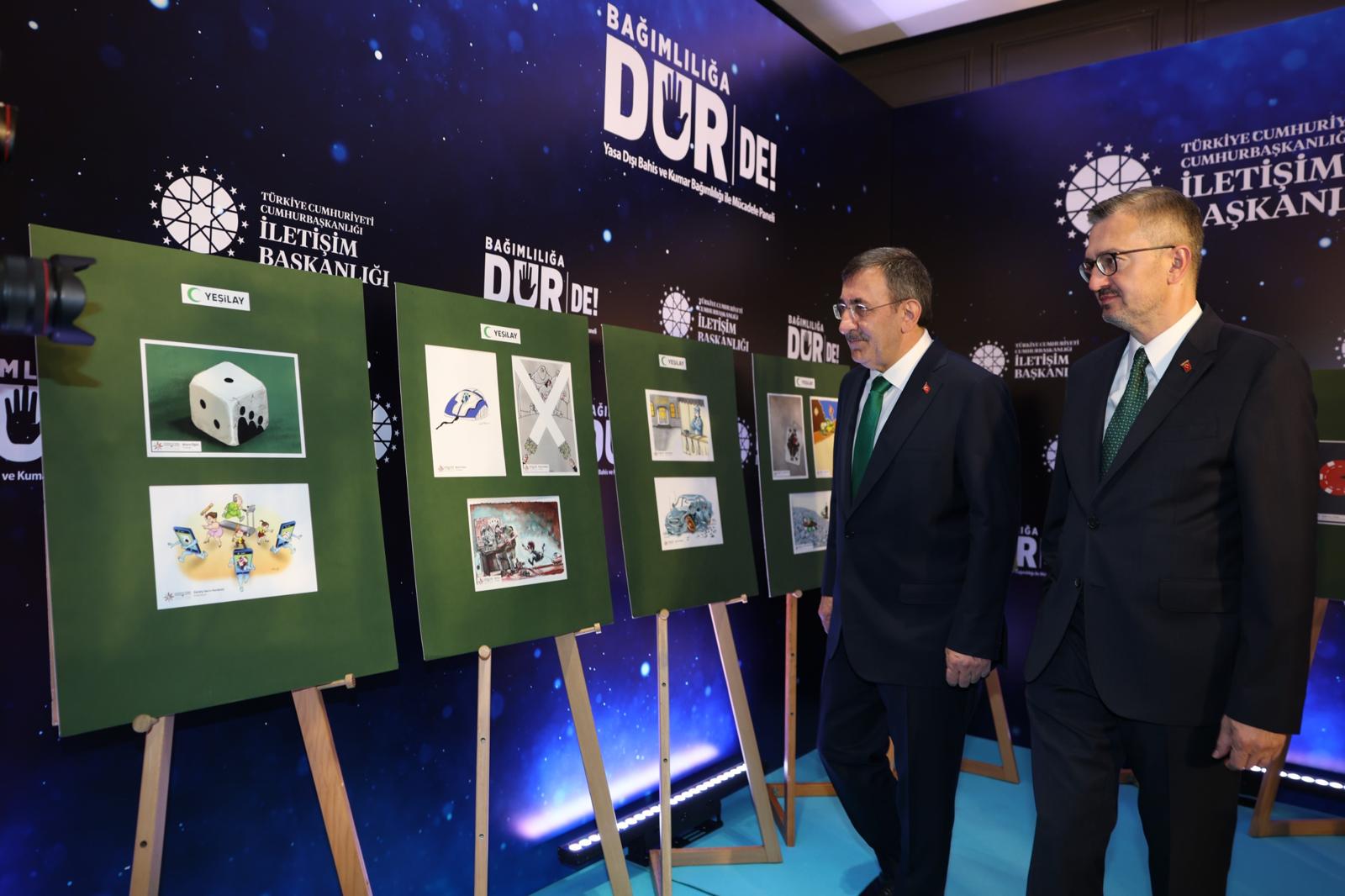
Head of Communications Duran stated, “Our state will not leave our youth defenceless in the world of these virtual merchants and will say no to addiction.”
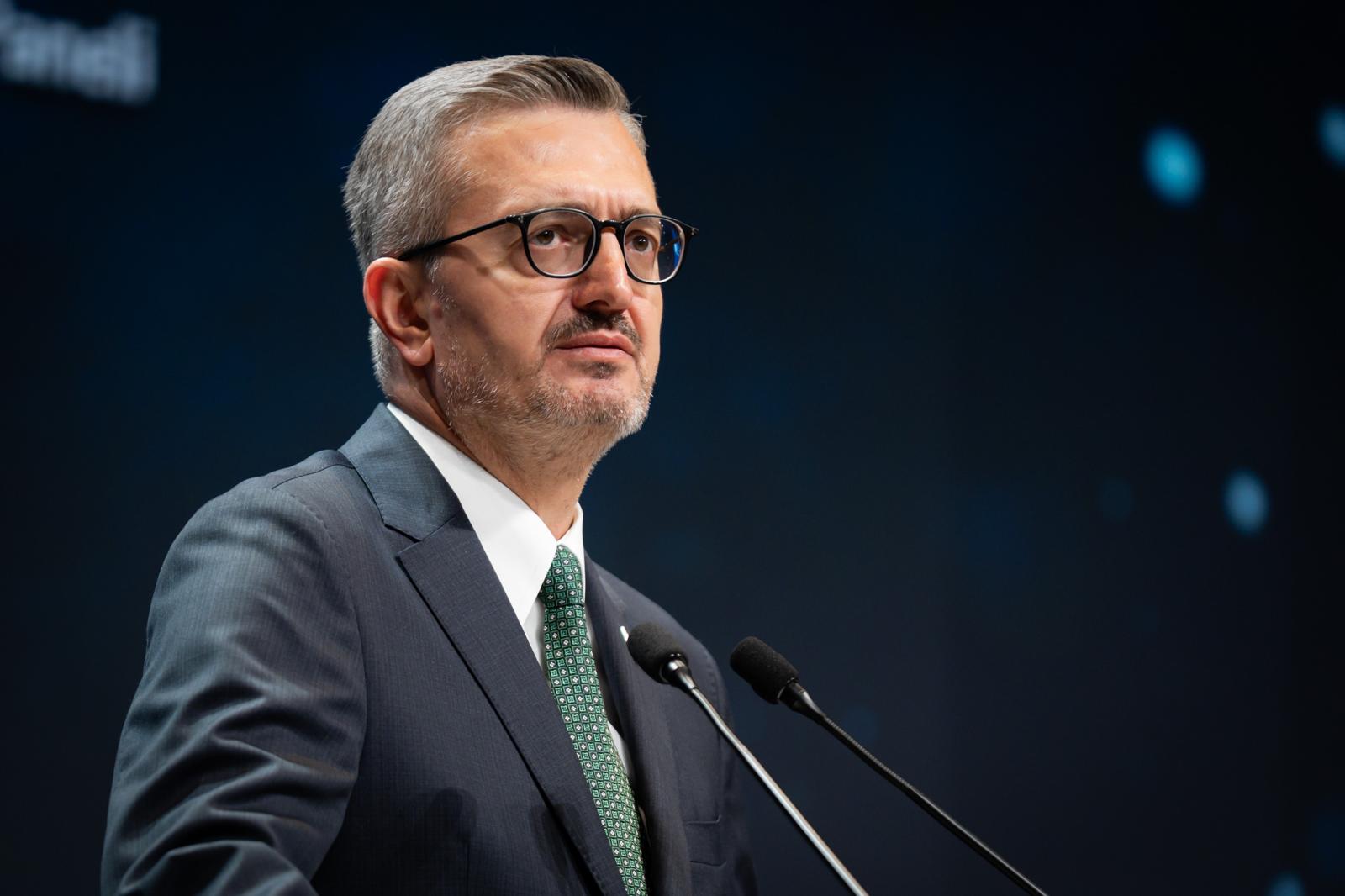
In his address at the "Say No to Addiction: Combating Illegal Betting and Gambling Addiction" panel held at the Directorate of Communications, Head of Communications Burhanettin Duran stated that addiction has become an area in which individuals consume themselves.
Stating that society is faced with a phenomenon that has very serious familial and social consequences for every individual, Head of Communications Duran said, “Addiction, which corrodes a person’s entire environment, starting with themselves, is by no means a matter of freedom or choice.”
Head of Communications Duran noted that the digital age has transformed human behaviour and has continued this process by redefining the forms of addiction, emphasising that while the term 'addiction' used to conjure up the idea of chemical dependency, behavioural addictions have now been added to the mix and are becoming increasingly widespread.
Noting that gambling addiction was once tied to physical venues and that efforts were made to control it by restricting physical access, Head of Communications Duran said:
“However, today we are witnessing a significant shift. We are now talking about digital gambling, a product of global networks and algorithmic designs. The ‘instant gratification’ and ‘reward’ provided by mobile devices through ‘constant accessibility’ are permeating every aspect of life. High accessibility and ‘anonymity’—that is, the fact that a person is not labelled as a gambler in real life—also fuel the sense of isolation that accompanies addiction. The ‘infinite scroll’ of applications and the false paradise they offer individuals in the virtual world are, in fact, all signs of a disaster. The design strategies employed by these ‘gamified applications', referred to in the literature as ‘dark patterns', are intended to keep users endlessly engaged in the feed. They manipulate people through strategies deliberately devised with an understanding of how the human mind works, and unfortunately, we are all confronted with a new public health problem facing modern societies.”
“It should be regarded as a sign of moral collapse”
Head of Communications Duran emphasised that research shows that digital gambling and virtual betting also fuel debt-related incidents of violence, rising crime rates, and suicides.
Noting that, according to the 2025 data of the Turkish Green Crescent Society, the number of people seeking treatment for digital gambling addiction has risen sharply compared with previous years, Head of Communications Duran said, “Unfortunately, according to these same data, digital gambling and virtual betting threaten our youth, who are our greatest capital and our greatest strength. Our state will not leave our youth defenceless in the world of these virtual merchants and will say no to addiction.”
Drawing attention to the fact that illegal betting and gambling, although a relatively new field, is an issue that must be analysed very carefully, Head of Communications Duran noted that the only winners in this system are the platforms that calculate and plan it through algorithms.
Head of Communications Duran stated that these platforms create new sources of funding for themselves out of people’s misfortunes and went on to say, "Yet what is the outcome? Social devastation, families torn apart, households destroyed, and lives lost. For this reason, we should not think of illegal betting and gambling merely as a matter of financial exploitation. It should be regarded as a sign of moral collapse targeting society as a whole.”
Noting that three basic approaches have come to the fore around the world in response to the challenges posed in this area, Head of Communications Duran stated that these were “those who prefer to ban it completely", “those who pursue regulation and licensing", and “those who prefer to keep this area directly under state control".
Head of Communications Duran said these approaches, ranging from prohibition to state control, each bring their own debates. Stating that the ultimate goal is to achieve results, Head of Communications Duran said that the entire world is discussing which method is more effective.
Noting that bans are criticised on the grounds that they can easily be circumvented through methods such as VPN use, while models based on state control are criticised for legitimising this field through state involvement, Head of Communications Duran said:
“At this point, I would like to emphasise that, in this area which we define as ‘illegal’, our state, through all its relevant institutions, is taking the necessary action. A very effective campaign has indeed been waged in this area, especially recently. However, beyond bans, it is necessary to understand why virtual behaviours turn into addiction and to develop holistic policies in this direction. This, too, is the duty of the state. Here today, at this panel, we will make every effort together with esteemed participants to help shape these policies. Because, as you all know, when you remove one link, the same content appears under another link. In other words, closing accounts does not put an end to the problem. At what point do online behaviours turn into an addiction, and what emotions accompany these behaviours – is it, for example, loneliness, a lack of family ties, the lure of easy rewards, or the reward mechanism itself? We must answer all these questions by delving into the depths of human psychology and raise awareness.”
“We must ensure the adoption of positive habits”
Head of Communications Duran stated that addiction does not arise solely as an individual problem and emphasised that an effective fight against it cannot be waged without recognising the underlying behavioural patterns and keeping the pathways to recovery alive.
Noting that experts have found that the neurobiological structure of addictions, whether chemical, digital or behavioural, is very similar, Head of Communications Duran stated that this situation stems from a contemporary lifestyle centred on materialism, image, reward mechanisms, and dopamine. Head of Communications Duran went on to say:
“Unfortunately, those who share shortcuts to wealth and displays of ostentatious lifestyles on their profiles can attract millions of followers. This is, in fact, the manifestation of another danger. The hidden cost of these lifestyles, which are held up as examples for young people, is addiction to online betting and gambling. Based on the principle that ‘nature abhors a vacuum’, we must guide our young people toward positive, productive behaviours, shaping both their hearts and minds. We must ensure the adoption of positive habits.”
"We cannot allow them to be lost in the spiral of betting"
Referring to President Recep Tayyip Erdoğan's statement that "harmful habits and addiction are within arm's reach for generations raised with a positivist, materialist mindset," Head of Communications Duran stated that young people must be guided towards positive habits.
Head of Communications Duran stated that young people should be encouraged to engage in a wide range of positive and productive activities, from sports and education to constructive forms of recreation. He said, “We should guide our young people towards areas ranging from artificial intelligence and coding to the digital representation of their own culture and civilisation. We cannot allow them to be lost in the spiral of online betting while these alternatives are available."
Emphasising that the steps Türkiye has taken in recent years, including the "Terror-Free Türkiye" process, efforts to become an actor in the international arena, and investments in defence and energy, are aimed at creating a prosperous future for Türkiye for young people, Head of Communications Duran said, "For a country like ours—a rising power in the world, a country with ambition and a voice on the global stage, a country which, in the words of our President, declares that ‘the world is bigger than five’ and that ‘a fairer world is possible’—there can be no question of allowing our young people and our citizens to fall into the hands of online betting barons. We must do everything in our power to drain these swamps."
Stating that the Century of Türkiye vision established under the leadership of President Erdoğan also holds an important place in addressing the risks arising in the virtual environment and within the security architecture, Head of Communications Duran said:
"In 2025, under the leadership of President Recep Tayyip Erdoğan, the 'Action Plan for Combating Illegal Betting, Games of Chance, and Gambling in the Virtual Environment' was launched. As you know, the implementation of this Action Plan is coordinated by our Vice President, Cevdet Yılmaz, who has honoured us with his presence here today. Within the framework of this action plan, significant momentum has been achieved for a coordinated and sustained fight across all units of the state. These efforts address the issue through a multifaceted and holistic approach, establishing a common language in this struggle. Indeed, as President Erdoğan stated last April, according to the semiannual data from our action plan, substantial control has been achieved thanks to the administrative, financial and legal measures taken."
"We must refrain from using language that underscores its prevalence"
Head of Communications Duran emphasised that raising awareness and properly informing the public about illegal gambling and betting are of great importance.
Stating that the Directorate of Communications is carrying out a special effort on the matter, Head of Communications Duran said, "When addressing an issue related to addiction, we must refrain from using language that elaborates on stories, teaches the methods, gives addresses, and underscores its prevalence."
Head of Communications Duran warned that such an approach could pave the way for normalisation, even when these stories are circulated with the intention of “serving as a cautionary tale”. He added that the Directorate of Communications had been actively working for some time to raise awareness of the issue through publications, programmes and events.
In this context, Head of Communications Duran stated that, through the publication titled “Türkiye’s Mobilisation to Combat Addictions in the 21st Century", they had documented the comprehensive efforts being carried out through all mechanisms of the state. He also added:
“At our recent panel on ‘Responsibility, Freedom and Security on Social Media', we highlighted not only the opportunities offered by digitalisation but also our responsibilities. Subsequently, at the panel titled ‘Secure Türkiye: A Resolute State in the Fight Against Drugs', we drew attention to the adverse effects of addictions on our social fabric and our future. I believe that the outcomes of today’s panel will, in this context, provide significant impetus to our efforts to ‘stop addiction’. We will contribute to fostering a common language, sensitivity and awareness in the fight against ‘illegal gambling and online betting’. I hope that our efforts—grounded in accurate information, aimed at raising awareness rather than fear, and focused on strengthening the fight against addiction rather than giving it greater exposure—will continue with a shared sense of responsibility and determination.”
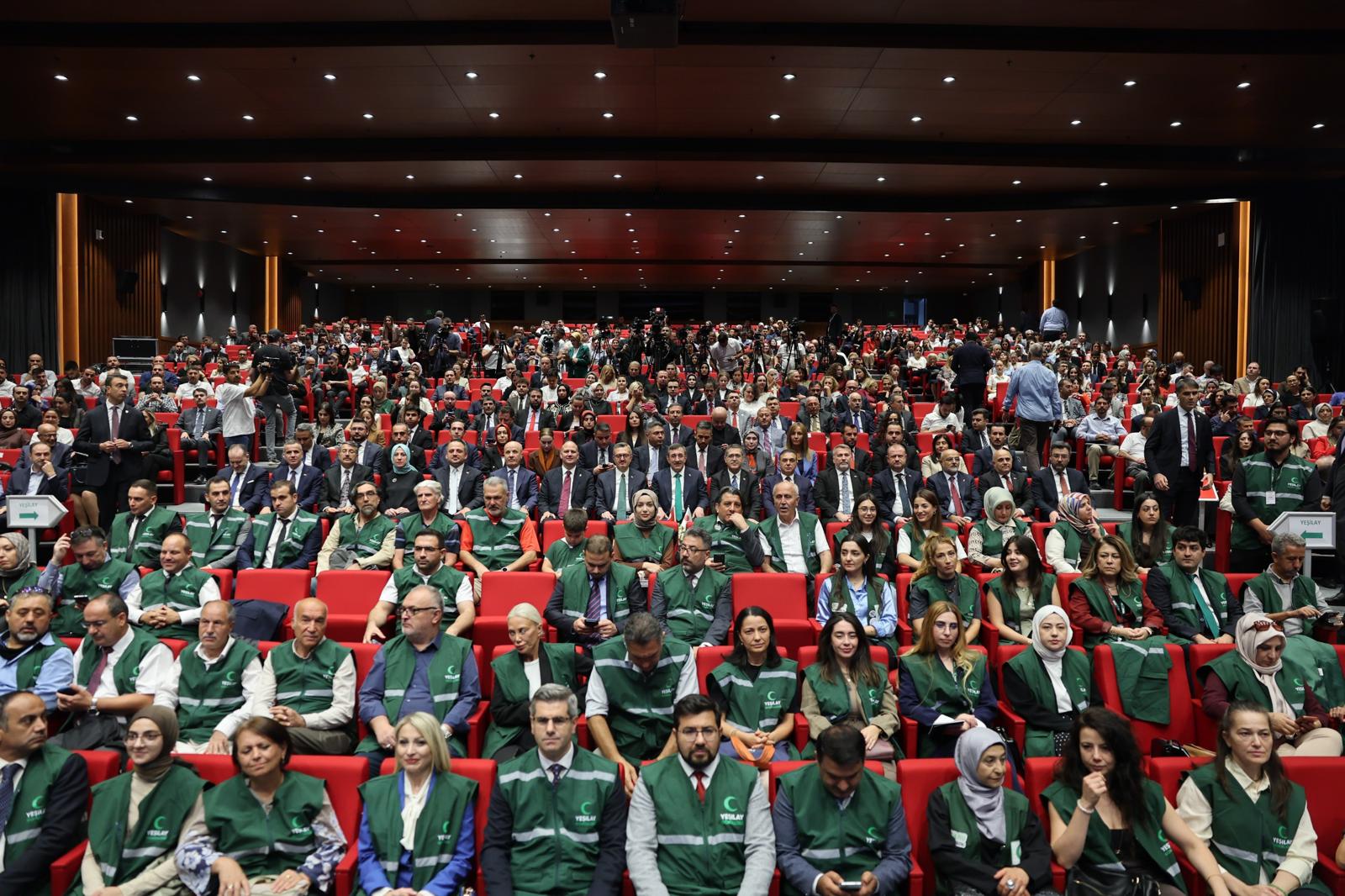
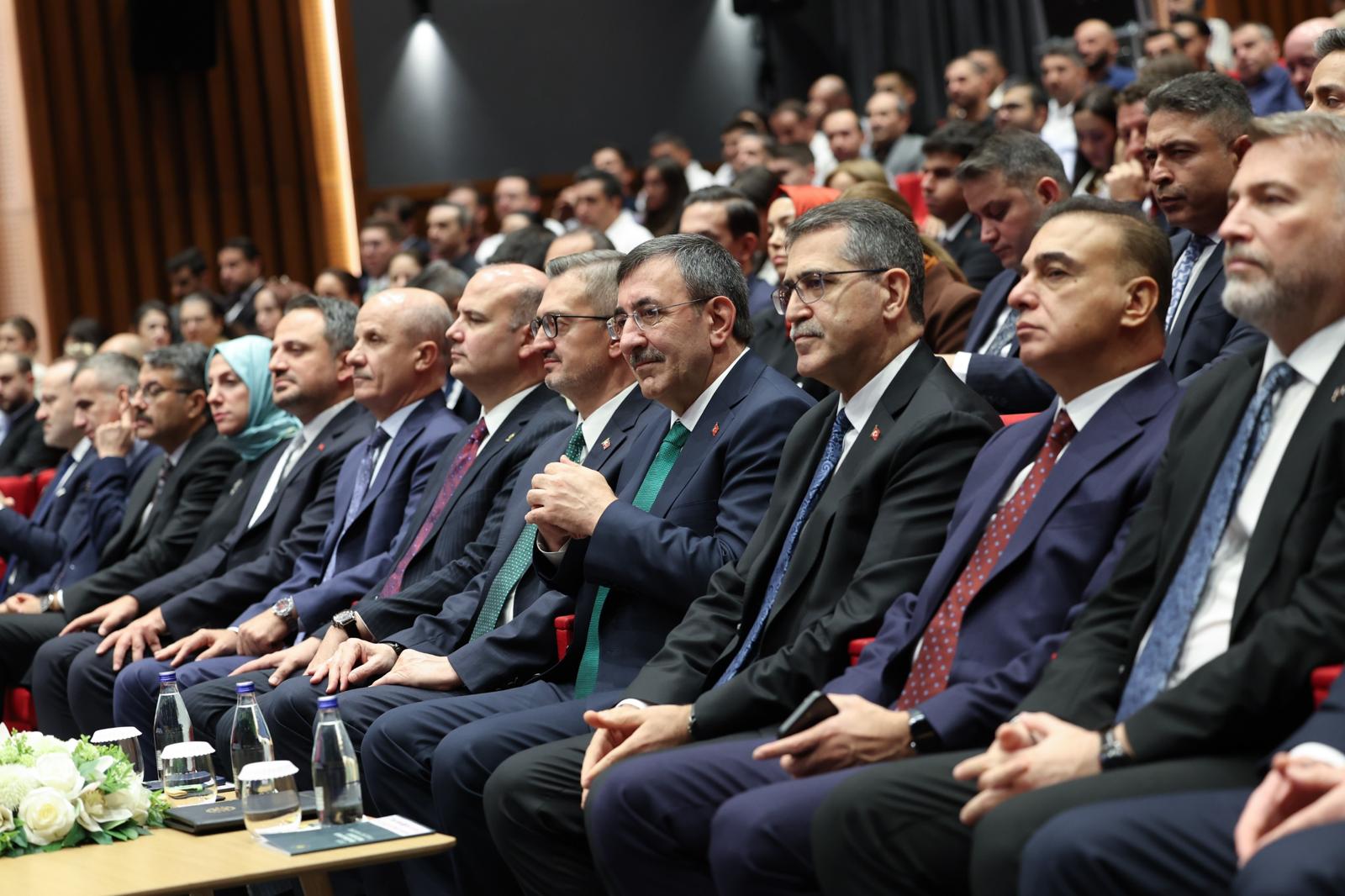
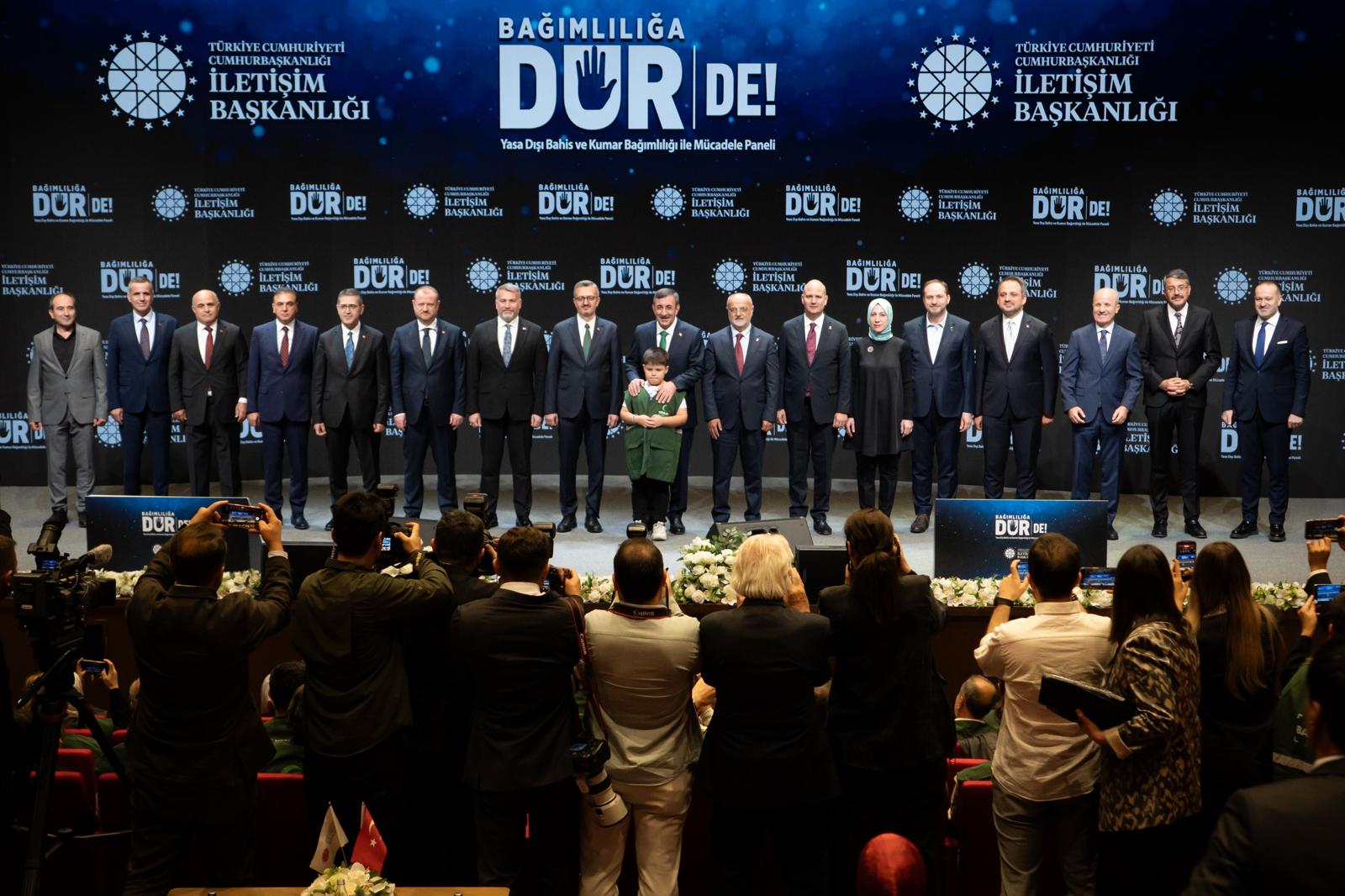
The programme was attended by Vice President Cevdet Yılmaz, President of the Council of Higher Education (YÖK) Prof. Erol Özvar, Deputy Minister of Interior Ali Çelik, President of the Radio and Television Supreme Council (RTÜK) Mehmet Daniş, Director General of TRT Mehmet Zahid Sobacı, Head of the Financial Crimes Investigation Board (MASAK) Hasan Kaymak, AA Deputy Director General and Editor-in-Chief Yusuf Özhan, President of the Turkish Green Crescent Society Mehmet Dinç, as well as numerous guests.
Furthermore, the Head of Communications Duran shared a post on his NSosyal account regarding the panel.
In the post, Head of Communications Duran said:
“At the ‘Say No to Addiction: Panel on Combating Illegal Betting and Gambling Addiction’, organised by the Presidency’s Directorate of Communications, we addressed new forms of addiction brought about by the digital age and the effects of illegal betting and online gambling on individuals, families and society, as well as the efforts being undertaken to combat these problems.
The digital age is also transforming the forms that addiction takes. Digital gambling and online betting, which are proliferating through global networks and algorithmic designs, pose a serious risk, particularly to our young people. We must therefore recognise that addiction is not merely an individual problem but a multifaceted issue that also affects families and society.
In combating illegal betting and gambling, we must not limit ourselves to measures that merely block access. We must also examine when online behaviours develop into addiction, the underlying causes of these behaviours, and how we can protect our young people from these risks. This fight is a shared responsibility of all institutions of our state.”
“Under the ‘Action Plan to Combat Illegal Betting, Games of Chance and Gambling in the Digital Environment’, launched in 2025 under the leadership of President Recep Tayyip Erdoğan, a coordinated and sustained fight is being waged with the involvement of all institutions of our state. As the Presidency’s Directorate of Communications, we prioritise a communication approach grounded in accurate information that raises awareness rather than fear and that strengthens the fight against addiction.
Availing myself of this opportunity, I would like to express my gratitude to Vice President Dr Cevdet Yılmaz for honouring our panel with his presence and to thank our esteemed panellists and guests for their views, insights and contributions. I hope that our panel will contribute to fostering a common language, sensitivity and awareness in the fight against illegal betting and online gambling."
In another video message on the issue shared on his NSosyal account, Head of Communications Duran stated:
"Illegal betting and gambling networks threaten not only individuals and their financial well-being but also the unity of our families, social peace, and human agency through false promises of financial gain disseminated via digital platforms and instant messaging networks. In the face of this threat, we must speak with one voice, and 'Say No to Addiction’, and safeguard our future.
These insidious traps, built around the illusion of easy and effortless gains, gradually evolve into a modern form of addiction that isolates individuals from their social circles and causes profound financial and psychological harm.
While our state resolutely continues its judicial, administrative, financial and cyber oversight, access restrictions and operational efforts without compromise, our strongest shield against organised criminal networks is the cyber awareness of our citizens and the resilience of the family institution, the backbone of our society.
Do not allow the value of honest labour, the dignity of hard work, or the peaceful future you share with your loved ones to be overshadowed by false promises. Let us all remain vigilant against digital traps.”