"The decision to open Hagia Sophia for worship is more than just a change in legal status. This decision is a powerful expression of fidelity to Sultan Mehmed Khan II, the Conqueror's endowment deed and testament, as well as our nation's unwavering dedication to its historical memory, desire for independence, and civilisational values," Head of Communications Duran said.
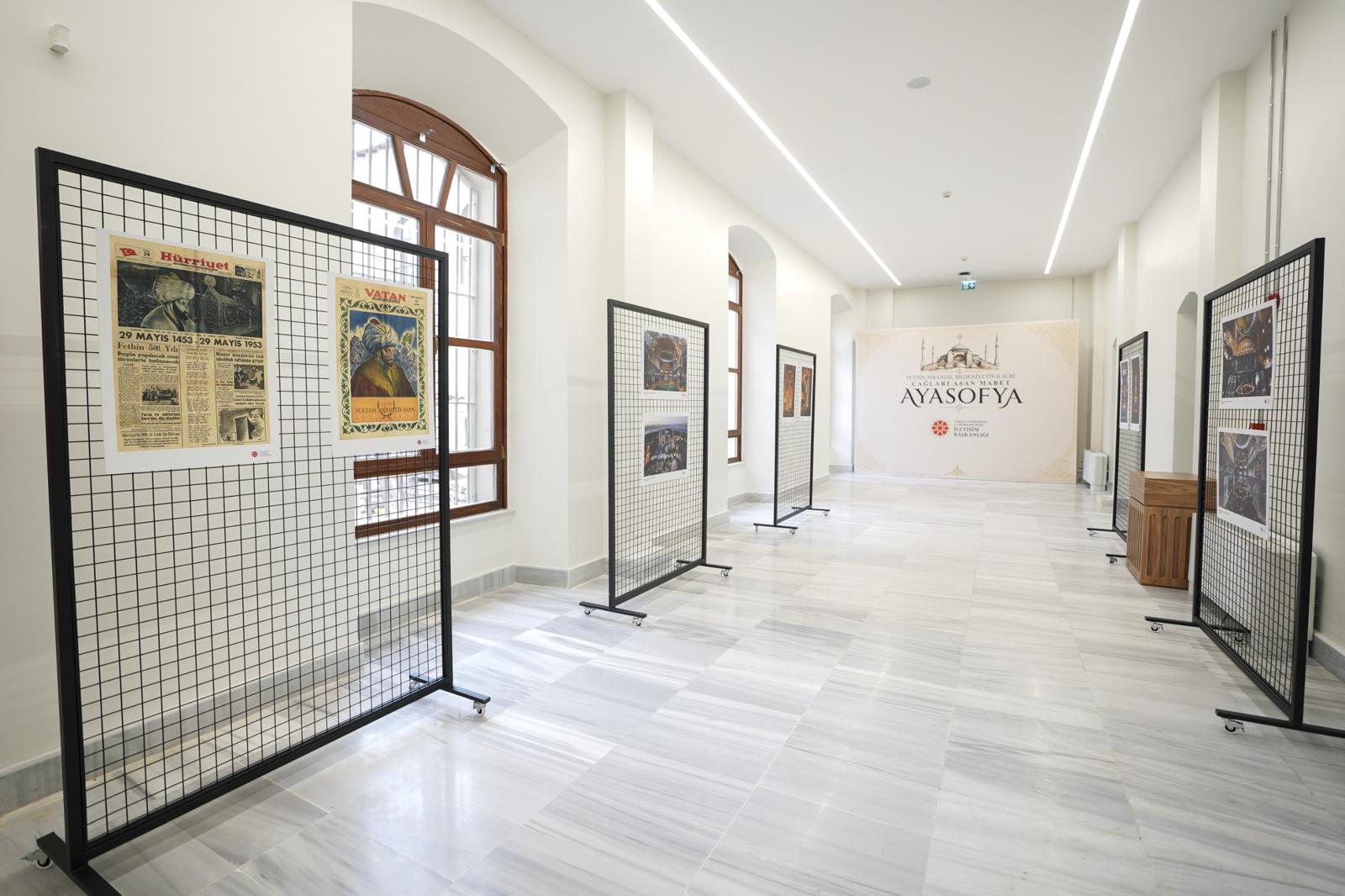
Presidency's Head of Communications Burhanettin Duran delivered remarks at the programme titled “Hagia Sophia: A Monument of the Conquest, the Heart of a Civilisation That Transcends the Ages", organised by the Directorate of Communications at the International University of Türkiye for Islam, Science, and Technology.
In his remarks, Head of Communications Duran said that the Hagia Sophia Grand Mosque stands as a shared heritage of humanity, a magnificent architectural masterpiece etched into İstanbul’s skyline, composed of the notes of diverse civilisations and serving as a timeless melody that connects the ages.
Highlighting that Hagia Sophia's walls tell the story of master architects' craftsmanship, its dome bears witness to the genius of engineers, its stones carry the memory of empires, and its minarets have echoed with the Adhan from the conquest of İstanbul to the present day, Head of Communications Duran stated that Hagia Sophia stands as the token of the conquest of İstanbul.
Head of Communications Duran said that, in order to duly uphold the legacy of Hagia Sophia entrusted by Sultan Mehmed the Conqueror, it is first necessary to properly understand and interpret the conquest of İstanbul.
Emphasising that what distinguishes the conquest of İstanbul from other conquests is that it changed the course of human history and ushered in a golden age for Islamic civilisation, Head of Communications Duran said, "The conquest of İstanbul is associated not with destruction but with restoration, not with exclusion but with inclusivity, and not with vengeance but with justice."
Recalling that Sultan Mehmed the Conqueror spearheaded the restoration of Hagia Sophia immediately after the conquest of İstanbul, Head of Communications Duran said, "Surrounded by minarets, ablution fountains, public fountains, libraries, muvakkithanes (timekeeping houses), and mausoleums, Hagia Sophia gradually evolved into an Ottoman complex and an imperial mosque. The buttresses added by Mimar Sinan, along with the structural engineering innovations he introduced, continue to keep Hagia Sophia standing to this day. Just as it has done throughout history, our noble nation continues to protect this legacy as one of its most treasured possessions."
"The reopening of Hagia Sophia for worship had become a Kızılelma—a long-cherished national ideal"
Citing that Hagia Sophia remained without congregational worship and prostration for 86 years, Head of Communications Duran said, “For us, the reopening of Hagia Sophia for worship was akin to a Kızılelma (Red Apple), an ideal long aspired to. Let us recall the debates that unfolded during the process of reopening Hagia Sophia for worship. Let us remember the statements made by certain politicians, the insights offered by so-called academics, and those who deemed the reopening of Hagia Sophia for worship impossible."
Head of Communications Duran stated that President Recep Tayyip Erdoğan brought the debates surrounding the reopening of Hagia Sophia for worship to a close with the following words: “Just as the flag of the Republic of Türkiye, its capital, its call to prayer, its language, its borders, and its 81 provinces are integral to its sovereignty, so too is the right to restore Hagia Sophia to its status as a mosque in accordance with its endowment deed.” Duran added that, in line with this understanding, the historic decision taken on 10 July 2020 brought to an end the 86-year longing for Hagia Sophia.
Head of Communications Duran emphasised that thanks to President Erdoğan’s determined leadership and the strong will of the nation, Hagia Sophia Grand Mosque has regained its original identity and said, “With the first Friday prayer performed on 24 July 2020, Hagia Sophia’s domes once again echoed with takbirs, salawats, and Quran recitations. The decision to open Hagia Sophia for worship is more than just a change in legal status. This decision is a powerful expression of fidelity to Sultan Mehmed Khan II, the Conqueror's endowment deed and testament, as well as our nation's unwavering dedication to its historical memory, desire for independence, and civilisational values."
Stating that the reopening of Hagia Sophia for worship meant not remaining stuck in the past but moving toward the future by drawing strength from its roots, Head of Communications Duran reminded that six years have passed since it was reopened for worship.
Duran explained that over the last six years, extensive work has been done to preserve Hagia Sophia's architectural integrity, ensure its safe transmission to future generations, and manage the heavy visitor traffic without harming the structure, adding that comprehensive efforts were carried out with the awareness that Hagia Sophia is a legacy entrusted by Sultan Mehmed the Conqueror.
Two books published to mark the sixth anniversary
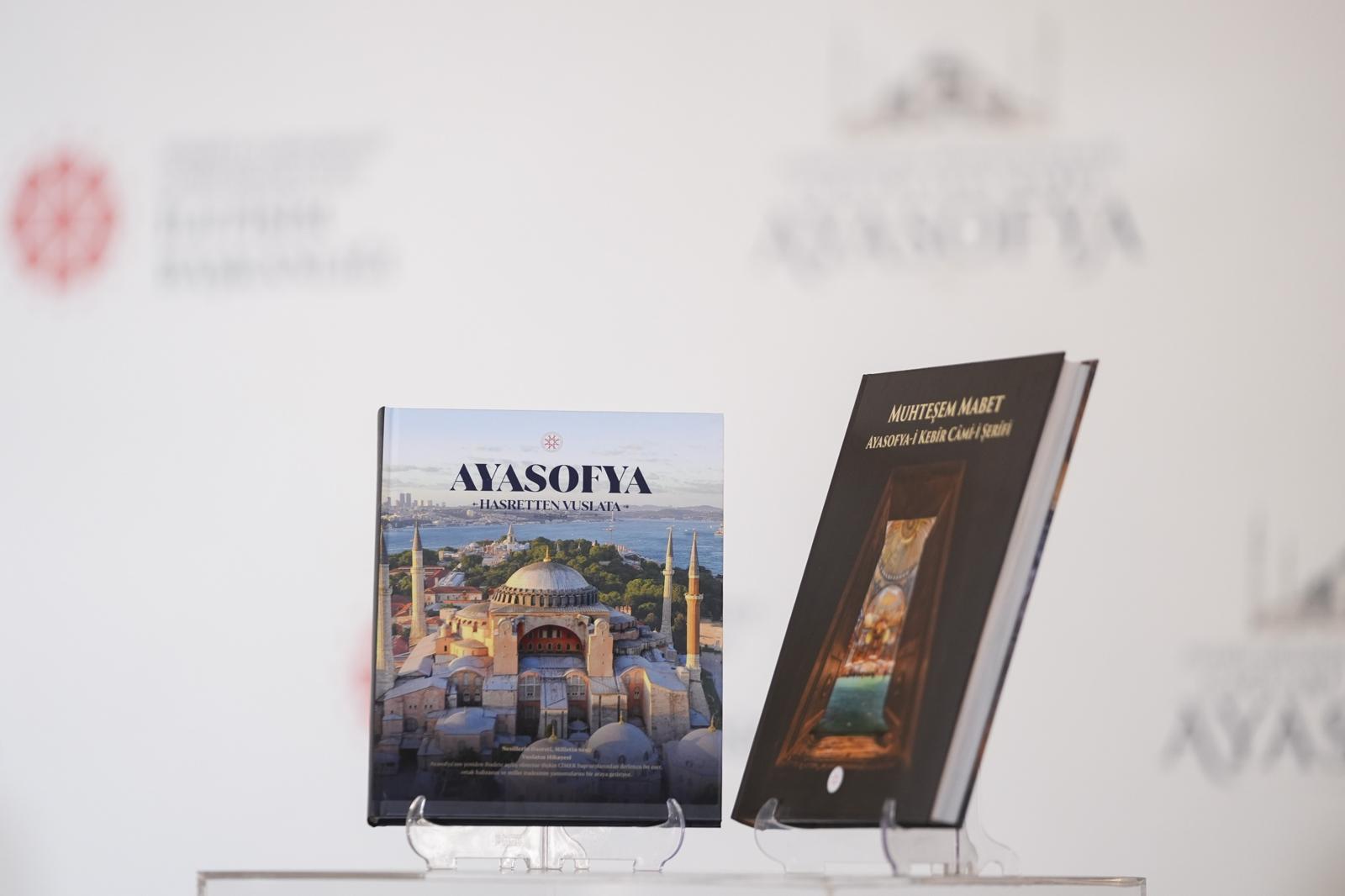
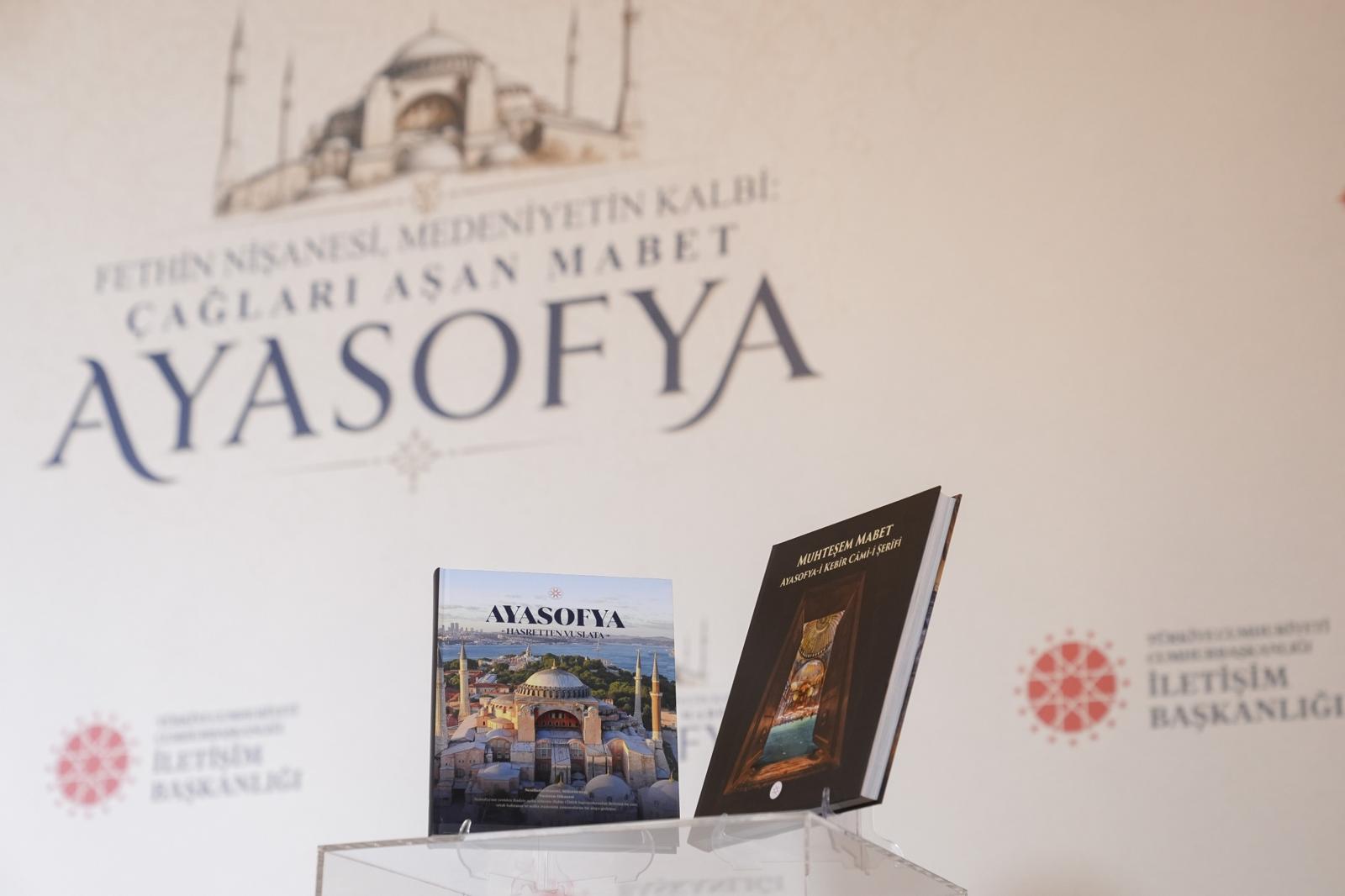
Head of Communications Duran underlined that, as the Directorate of Communications, they take pride in preparing two important books—“Magnificent Temple Hagia Sophia Grand Mosque” and “Hagia Sophia: From Longing to Reunion”—marking the 6th anniversary of Hagia Sophia’s reopening to worship.
Head of Communications Duran stated that the book "The Magnificent Temple Hagia Sophia Grand Mosque" offers a comprehensive exploration of the mosque's historical, architectural, artistic, and spiritual significance, noting that "Hagia Sophia: From Longing to Reunion" brings together messages submitted by citizens to the Presidency's Communication Centre (CİMER) requesting the reopening of Hagia Sophia, along with the congratulatory and appreciative messages they sent following its reopening. Head of Communications Duran concluded his remarks, saying:
"Today is also the anniversary of the founding of our Directorate of Communications. For the past eight years, our Directorate of Communications has carried out its work with determination and resolve, guided by its mission to strengthen communication between the nation and the state, effectively communicate Türkiye's policies and practices to national and international audiences, and ensure the country's strong representation across every field. I would like to thank each and every one of my colleagues who have contributed to our institution. Our Directorate of Communications will continue to provide valuable services to our nation and state, as it has always done."
The event was attended by rectors, academics and representatives of media organisations, including the President of Religious Affairs Safi Arpaguş; the Minister of Culture and Tourism in the 64th Government, Mahir Ünal; Chairperson of Board of Directors of the Press Announcement Agency, Prof. Edibe Sözen Çetintaş; Rector of International University of Türkiye for Islam, Science and Technology, Prof. Mehmet Görmez and the Rector of Ibn Haldun University, Prof. Atilla Arkan as well as citizens who had submitted applications to CIMER calling for the Hagia Sophia to be reopened for worship.
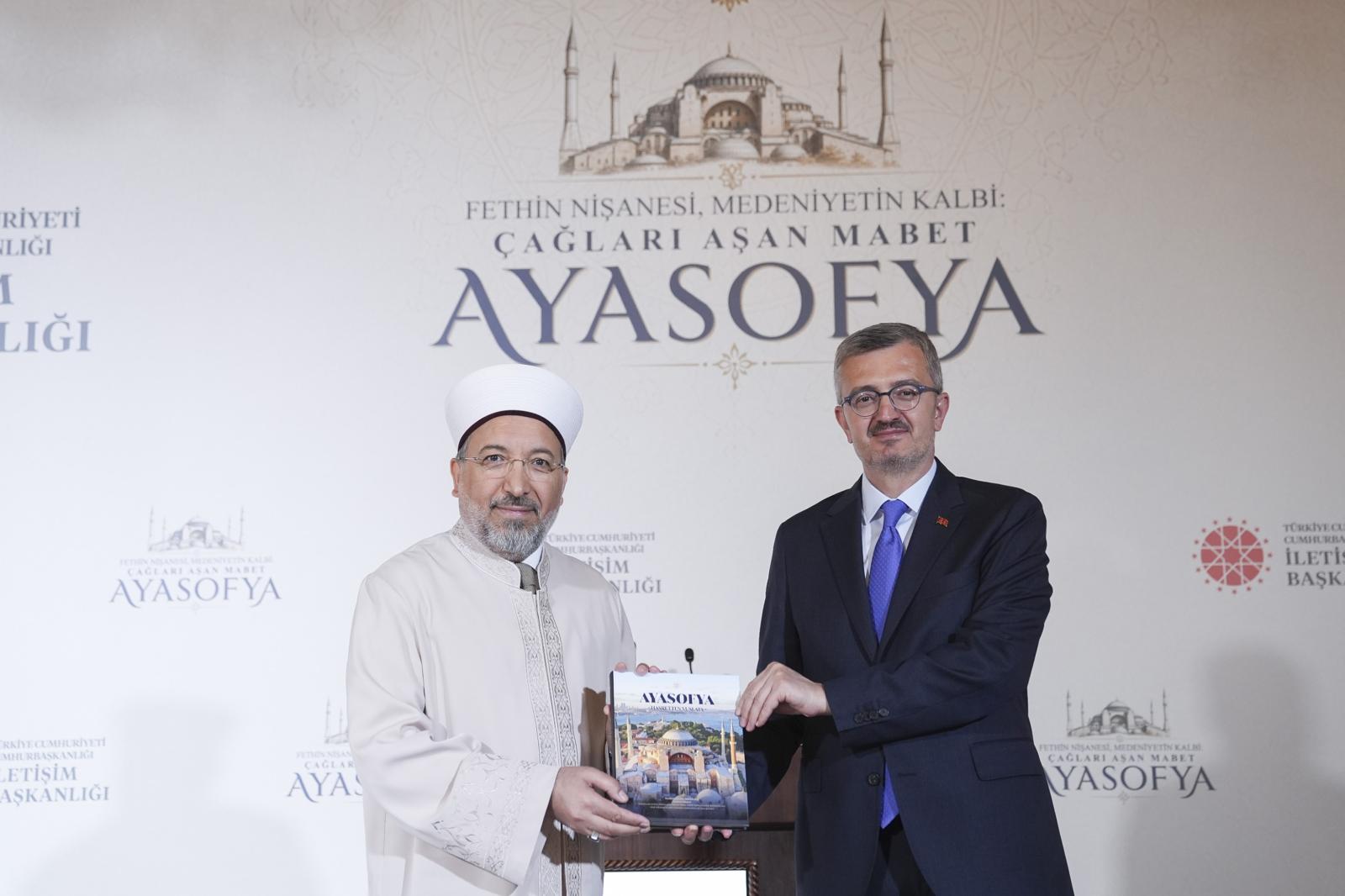
Following the opening speeches, Head of Communications Duran presented Safi Arpaguş with the books "The Magnificent Temple Hagia Sophia Grand Mosque" and "Hagia Sophia: From Longing to Reunion" as commemorative gifts marking the occasion.
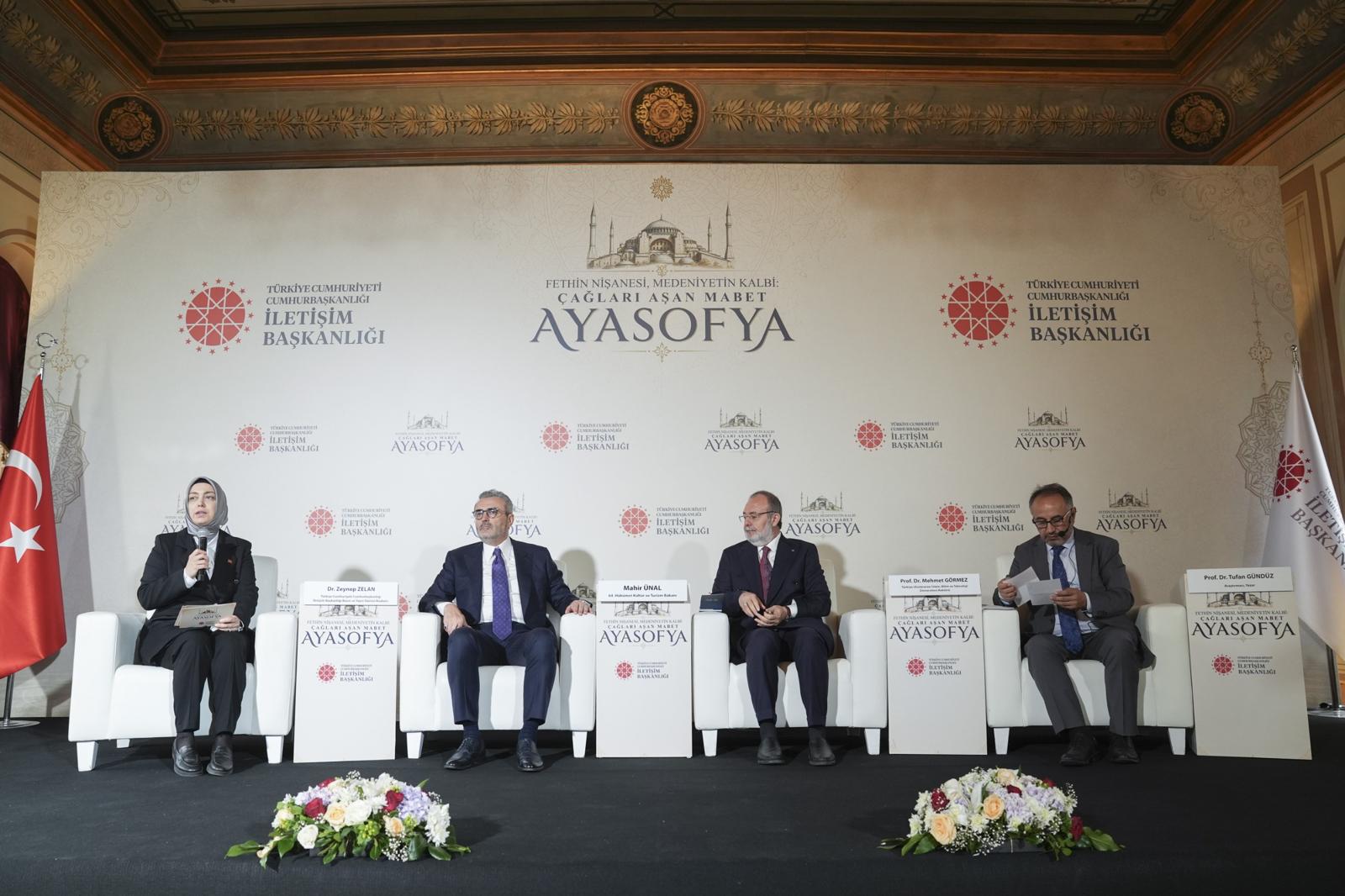
The programme concluded with a panel discussion entitled "Hagia Sophia: A Monument of the Conquest, the Heart of a Civilisation That Transcends the Ages", moderated by Dr Zeynep Zelan, Head of the Press and Publications Department at the Directorate of Communications, with Mahir Ünal, Mehmet Görmez and the researcher and author Tufan Gündüz as speakers.