Presidency's Head of Communications Fahrettin Altun said, "The media is an institution of utmost importance in the modern era in terms of social justice and individual pursuit of rights. The media should act as the voice of society and stand as an advocate for justice in the face of events that threaten justice and disrupt the moral fabric of society.
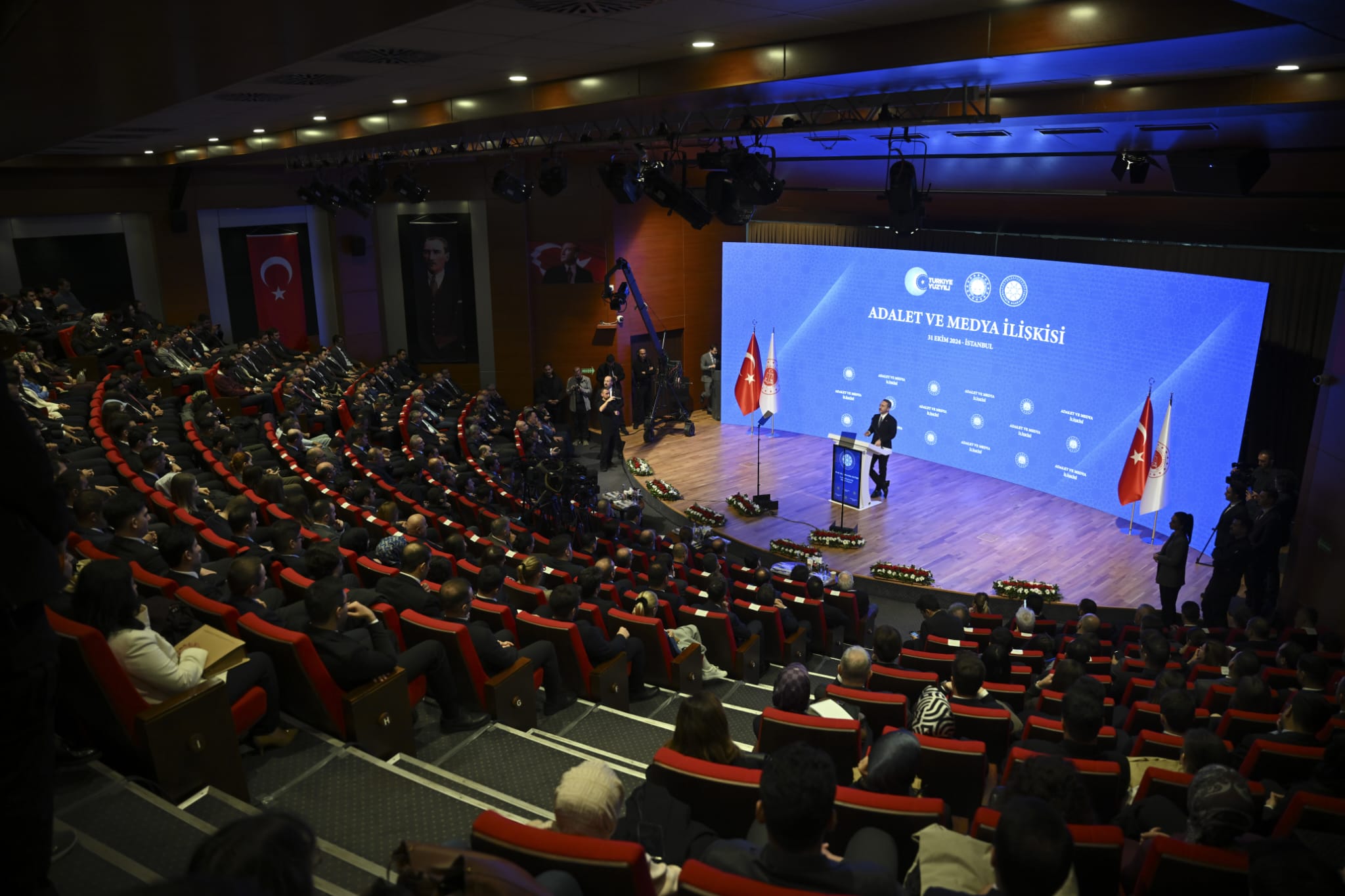
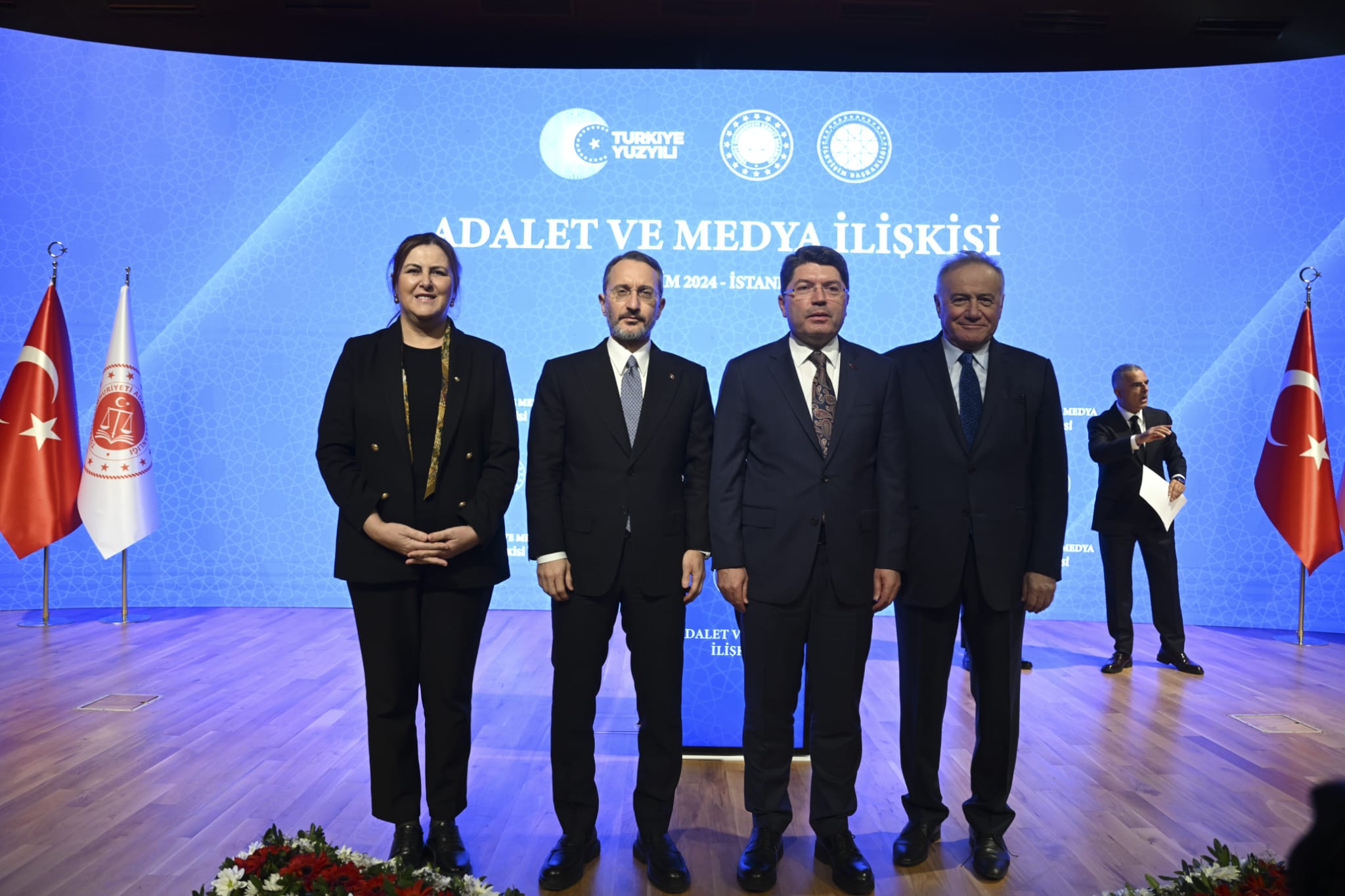
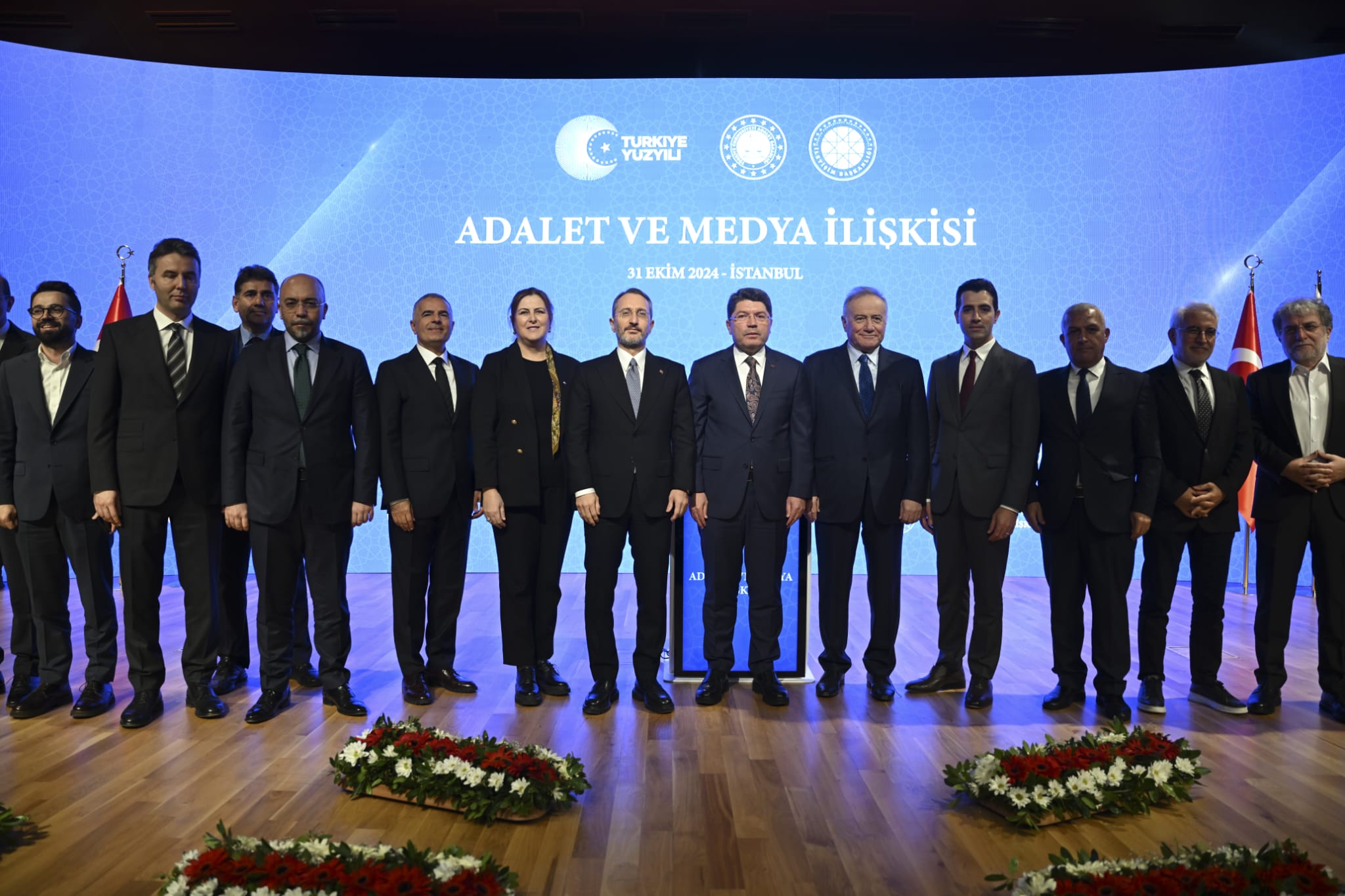
At the Justice and Media Relations Panel organised at Bahçeşehir University’s Beşiktaş Campus in collaboration with the Ministry of Justice and the Directorate of Communications, Altun emphasised the significance of Hadrat Umar’s saying, "Justice is the foundation of property."
Stating that peace, tranquillity, prosperity, and order cannot be achieved in societies without justice, the Head of Communications Altun said, "The most important components of social peace are the ability of the rightful to claim their rights, the protection of the rightful, not the powerful, and the punishment of wrongdoers and criminals. Today, as in many other areas, the search for justice and the struggle for rights are brought to the public agenda in real-time through the media. However, the media plays a role not only as a channel of information but often as an active participant, sometimes acting as a positive and other times as a negative element in these processes."
Head of Communications Altun expressed his belief that the panel, organised to strengthen the relationship between the media and justice institutions in Türkiye, increase public trust in the justice system in accordance with the principle of accurate and timely news reporting, and support effective communication processes, will produce valuable outcomes and contribute to social justice as well as individuals' pursuit of rights and freedoms.
Quoting sociologist Niklas Luhmann's words, "Trust is the bond that holds together the most complex relationships of society," the Head of Communications Altun stated that the concept of justice, which is at the centre of social trust, is also the most important means of protecting social peace and truth in public opinion.
Pointing out that the media is undoubtedly a crucial component of this process, the Head of Communications Altun continued with the following remarks:
"The media is a central institution in the modern era in terms of social justice and individuals' pursuit of rights. The media should act as the voice of society and stand as an advocate for justice in the face of events that threaten justice and disrupt the moral fabric of society. However, the question we must answer is: what sort of media? Media that consistently remains anchored in the truth. Media fighting for social justice by focusing on the truth. When the media fulfils this role, it becomes central to both the pursuit of social justice and the safeguarding of individual rights and justice. Above all, the media is one of the most powerful tools for ensuring accountability in democratic societies. The media performs a supervisory function on behalf of the public by highlighting social demands. Aside from fulfilling this supervisory function, the media also serves to inform, raise awareness, and facilitate the creation of public opinion. Moreover, the media displays public commonality, common feelings and thoughts in society, and, in this sense, it reinforces the sense of solidarity in the society. From the perspective of judicial services, the primary function of the media is to reliably report violations of rights, thereby contributing positively to the transparency of legal proceedings.
"Content produced by non-experts can cause public outrage"
Head of Communications Altun underscored that while the media can contribute positively to social justice and the individual pursuit of rights, it can also have negative effects on judicial mechanisms. He noted that one of the most significant of these negative effects is the violation of confidentiality of ongoing judicial processes.
Emphasising that a violation of confidentiality can undermine judicial processes and hinder the establishment of justice, the Head of Communications Altun shared the following remarks:
"Biassed reporting based on incomplete and inaccurate information during the ongoing judicial process—in other words, manufacturing prejudice—can lead to extrajudicial persecution in public opinion. The rapid dissemination of unverified information that has not undergone editorial processes—driven by sensationalism and the pursuit of ratings—can provoke outrage in society, especially when shared by popular social media accounts. The information pollution and disinformation emanating from this process pose a major obstacle to the establishment of justice. On the other hand, we can sometimes witness that the media does not abide by ethical rules and does not respect the privacy of victims and their relatives in judicial processes. Some members of the media and social media users may exploit the suffering of victims for various motives—be they political or ideological—just for their own benefit. The use of improper terminology related to legal proceedings, as well as errors caused by a lack of understanding of the system, can result in public misinformation and information pollution. It is evident that law is a highly technical field requiring professional expertise. Unfortunately, it is a common issue that individuals without education or professional experience in the field produce content about judicial processes and, even worse, pass judgements. Content created by individuals lacking technical knowledge in the field of law who do not consult experts or have not specialised in judicial journalism can lead to public outrage or confusion and, worse, may distort truth and justice. We are all aware of the negative impact that such content can have on judicial processes. All of this leads to social anger, distrust in the system, and social polarisation, along with a weakened sense of justice in society and an increased perception of impunity.
Head of Communications Altun stated that the primary issue in the context of the relationship between media and justice lies in the lack of legal knowledge and the presence of interest-driven journalism, regardless of its source. He emphasised that media organisations must recognise that the law is a highly specialised field.
Emphasising the importance of consulting with legal professionals with this awareness, Head of Communications Altun remarked: "It is not feasible for an individual lacking an understanding of fundamental legal concepts, court jurisdictions, and litigation procedures to accurately articulate any case. Therefore, it is crucial for our media organisations to establish collaborative frameworks with individuals and institutions that have expertise in the legal domain. Moreover, our media professionals who follow judicial processes should specialise in this field, as their expertise will significantly contribute to the fair administration of justice and help minimise issues. It is crucial for traditional media organisations to address the challenges and opportunities presented by emerging technologies. At this point in time, it is essential for traditional media to implement strategies that effectively sift through unverified information originating from emerging media outlets. In the realm of communication, drawing from Kurt Lewin's framework, it is essential to cultivate a new generation of 'gatekeepers'. In this context, it is essential for traditional media, conventional media, to implement mechanisms that serve as 'gatekeepers' to effectively filter the content emerging from new media."
Head of Communications Altun pointed out that public authorities also have an immense duty to establish a healthy relationship between media and justice, and he continued, "Enhancing judicial literacy through the guidance of our institutions and organisations that hold primary responsibility in this area stands as a significant concern for us. One of the primary concerns highlighted by the Ministry of Justice and the Directorate of Communications is the importance of raising awareness on this matter, and in this regard, we are committed to promoting and enhancing judicial literacy within both our media and society at large. It is essential to establish structured communication channels between the media and the judiciary, as well as to ensure that the public is regularly informed in this context. It is vital to broaden the involvement of universities and NGOs in these mechanisms, as well as to enhance awareness and training programmes, events, and projects related to legal processes during this time."
Head of Communications Altun noted that the most important outcome of these projects is to build ethical standards for a balanced broadcasting approach that preserves both the presumption of innocence and freedom of the press, adding, "On one hand, we have to protect the presumption of innocence, and on the other hand, we have to protect freedom of the press. A balance must be struck between the two, and we need to establish the media ethical standards that underpin and institutionalise this balance. As the Directorate of Communications, we have devoted a special chapter to this issue in our recently published book, "Accurate Reporting and Media Ethics". In this chapter, we have highlighted the following principles. Members of the media should always respect the principle of presumption of innocence. There should be no pre-assessment of crimes and no prejudice. No speculation should be made on the decision of a court or authority. Members of the media must respect the right to a fair trial. The names or photographs of relatives or other individuals who are not involved in a crime should not be included in news reports. Under no circumstances should a member of the press disclose the identity of perpetrators or victims under the age of 18. Blaming individuals for their past is wrong. During the preliminary investigation, reporting that may undermine the investigation should be avoided. Members of the media should not take sides in the judicial process. In summary, media professionals should embrace the principles mentioned above, including media ethics standards, and commit to following them with diligence.
"Social media platforms have a frequently manipulated structure by political and commercial concerns."
Emphasising that another factor affecting the relationship between justice and media today is the digital communication era and social media platforms, Head of Communications Altun continued:
"As opposed to conventional media tools, social media platforms are channels where disinformation and misinformation spread faster, driven by the emphasis on interaction and the desire for popularity. Social media platforms have a frequently manipulated structure by political and commercial concerns. The manipulative nature of digital media leads to the disregard for the presumption of innocence and contributes to the spread of lynching culture in judicial processes. Supposedly, social media courts are attempting to exert pressure on the judiciary through extrajudicial executions and digital lynching. Character assassinations, which violate privacy and ignore the most basic individual rights and freedoms, are common on these platforms. In particularly sensitive investigations and cases that attract public attention, crimes and criminals are sometimes, unfortunately, mythologised, sensationalised, or even portrayed as heroes for malicious purposes. Individuals subjected to digital lynching endure severe and irrevocable psychological trauma. Our law enforcement and judicial agencies' laborious efforts are undermined, and it is getting harder to have fair trials. Above all, this situation undermines society's perception of justice and institutions' reputations, fostering a sense of impunity within the community.
It is evident that these malicious activities, which contribute to social polarisation and undermine society's understanding of justice and individuals' pursuit of rights, impose a significant burden of responsibility and constitute a criminal offence. As long as social media platforms facilitate and overlook the perpetration of this crime, they hold primary responsibility. Digital platforms must also be aware that they will be subject to penalties if they fail to fulfil their responsibilities. We need a robust legal framework to combat disinformation and the culture of digital lynching propagated by these platforms, and we should be able to implement necessary regulations swiftly when needed. Furthermore, regardless of the source of news or disinformation, regulatory authorities and organisations should adamantly stop any violations and apply deterrent sanctions without discrimination.
76,400 requests regarding "ethical and responsible broadcasting" sent to CİMER in the last 6 months
Referring to the terrorist attack on TAI last week and wishing mercy to the martyrs and a speedy recovery to the wounded, the Head of Communications Altun said, "While our police forces responded to the terrorist attack, we were exposed to images on social media that were nearly equivalent to terrorist propaganda. Unfortunately, the same images and visuals appeared in conventional media. If the publication of such content on social media raises concerns, then its appearance in conventional media is an even more significant issue. These broadcasts cannot be reconciled with ethical and responsible broadcasting. Of course, both those who served those images and those who ensured their dissemination are guilty in this process, and the relevant units of our state are conducting a thorough investigation to shed light on the situation. Our nation is extremely sensitive on this issue."
Regarding the requests and complaints received from citizens to CİMER, Head of Communications Altun said:
"76,400 applications to CİMER in the last six months have called for ethical and responsible broadcasting in media and social media. Considering our people's sensitivity, I once again invite our media organisations and social media platforms to practice responsible broadcasting in accordance with the media ethics principles mentioned above. Naturally, public officials should also receive a few reminders in this respect. Our public officials should regard any information entrusted to them in the course of their duties or accessed in any way as a matter of personal honour, treating it as information entrusted to them on behalf of the public. The uncontrolled sharing of such information and images for whatever reason, as well as their dissemination by public officials, is unethical and criminal. I invite everyone, particularly our public officials and members of the media, to be more vigilant in this regard."
Head of Communications Altun expressed hope that public communication would be enhanced through events such as this one and thanked everyone who contributed to organising the panel.
Minister of Justice Yılmaz Tunç and Rector of Bahçeşehir University Professor Esra Hatipoğlu also addressed the audience at the event.