Director of Communications Altun: "The reality of disinformation has made times of disaster turbulent; therefore, we must combat it resolutely on a global scale."
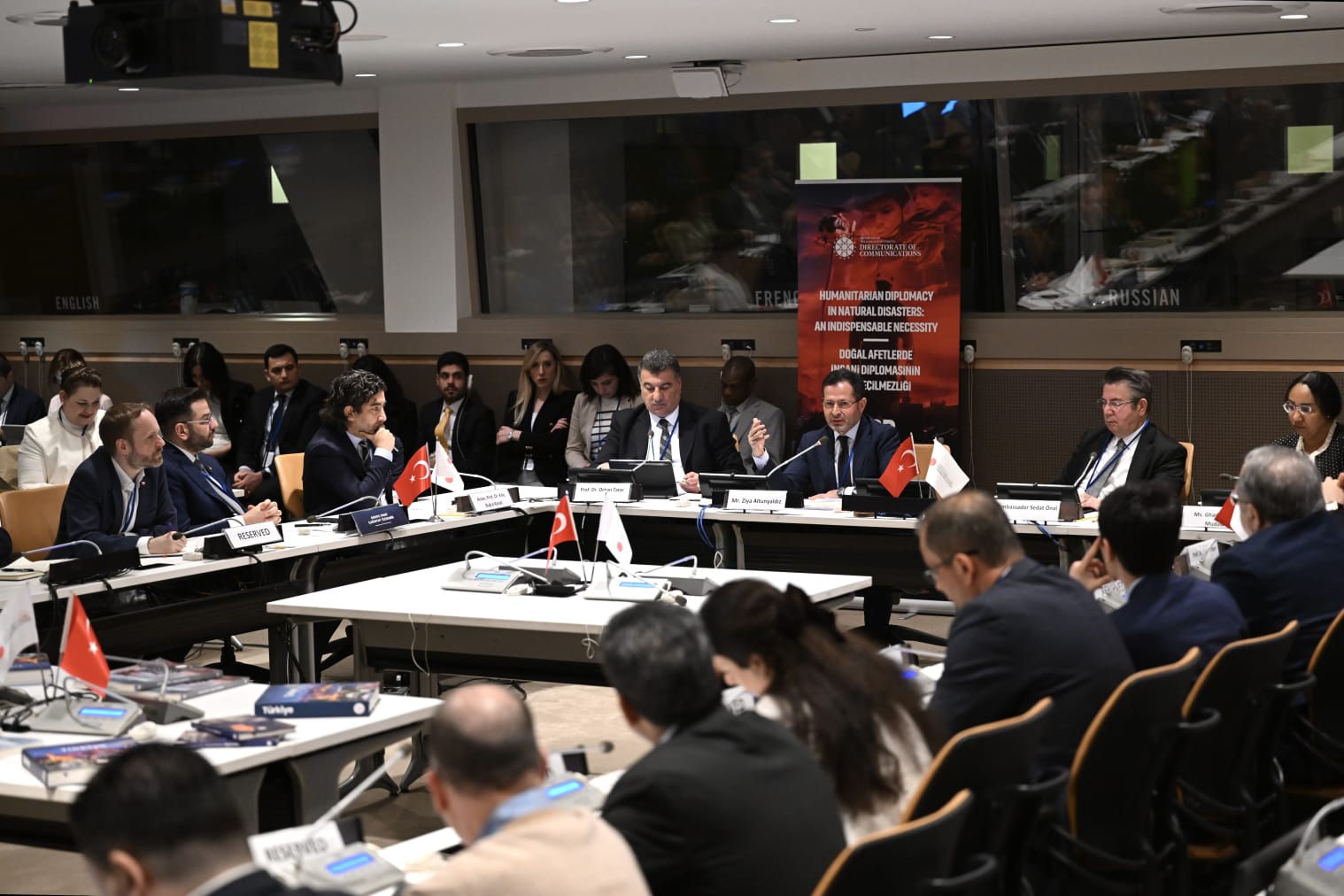
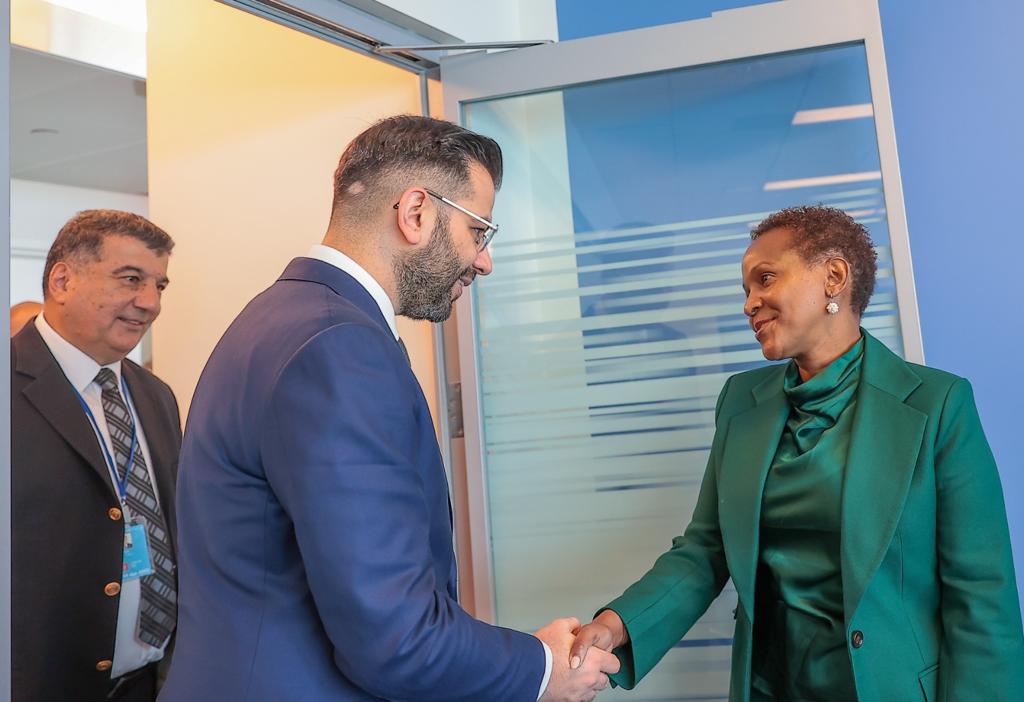
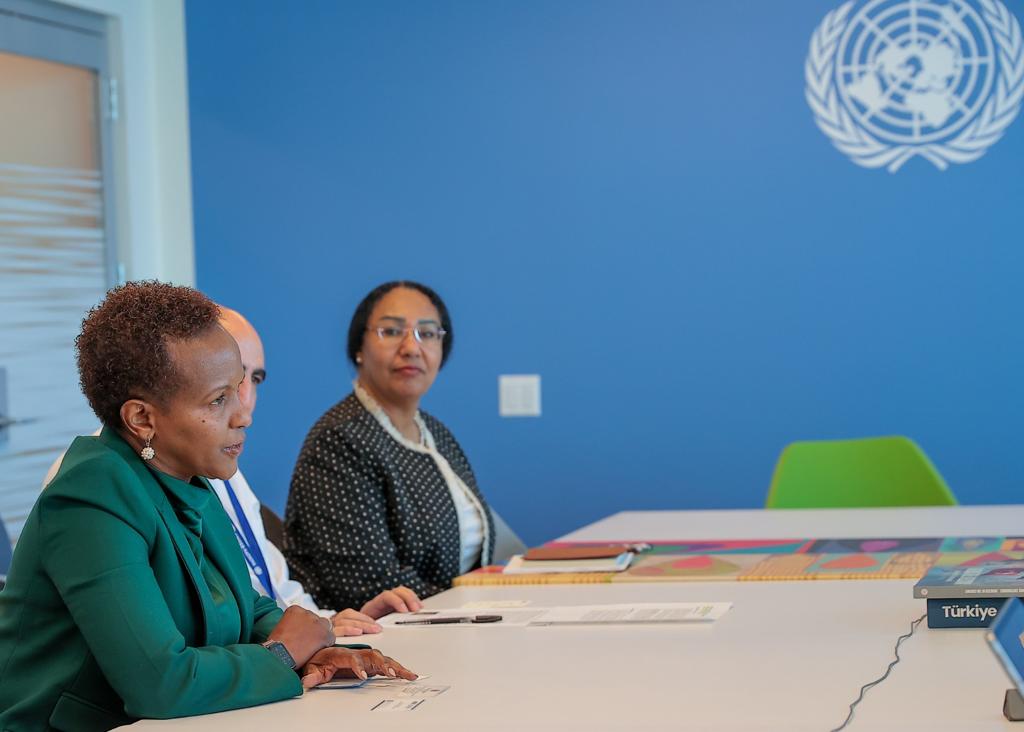
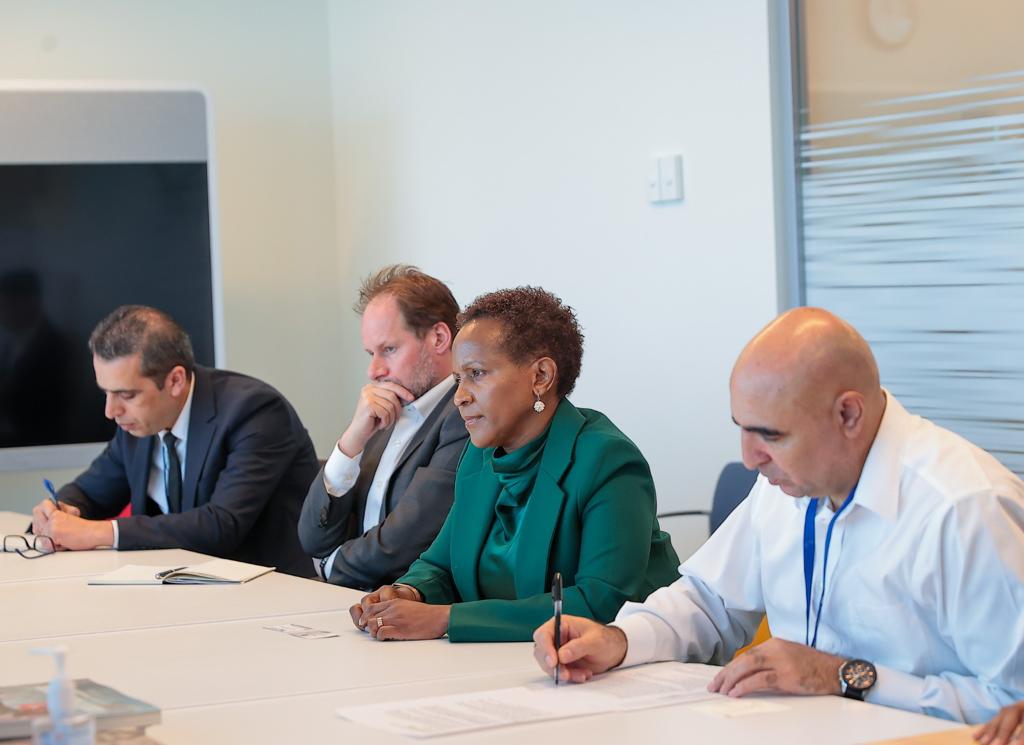
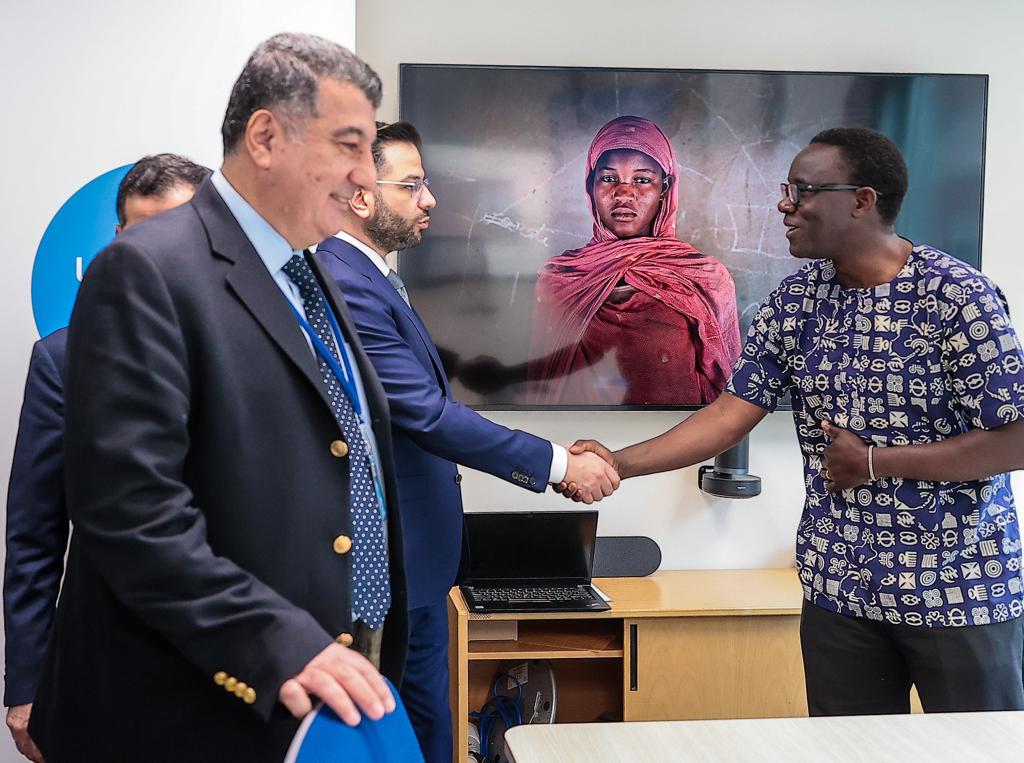
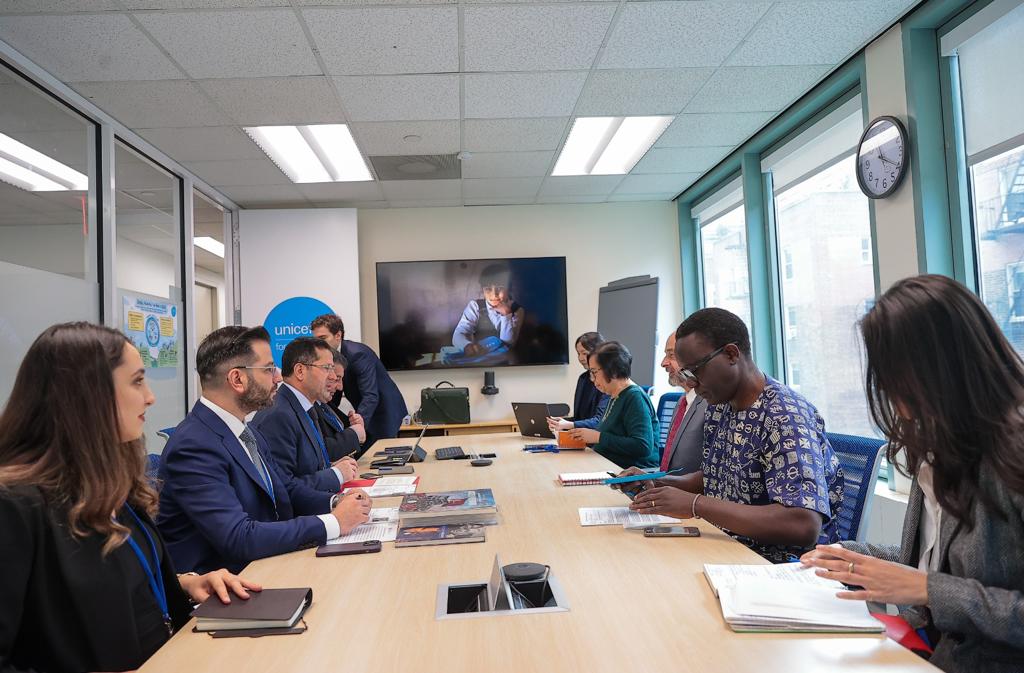
The Presidency's Directorate of Communications organised a panel on "Humanitarian Diplomacy in Natural Disasters: An Indispensable Necessity" at the United Nations Headquarters in New York.
The panel discussion on the importance of humanitarian diplomacy in natural disasters was moderated by SETA Washington Research Director Assoc. Prof. Kılıç Buğra Kanat.
Permanent Representative of Türkiye to the UN Sedat Önal, Deputy Director of Communications Assoc. Prof. Çağatay Özdemir, Chairman of the Parliamentary Committee on Industry, Trade, Energy, Natural Resources, Information, and Technology and AK Party Konya Deputy Ziya Altunyaldız, AFAD General Director of Earthquake and Risk Reduction Prof. Orhan Tatar, Members of the Presidential Security and Foreign Policy Council Prof. Çağrı Erhan and Prof. Nurşin Ateşoğlu Güney, Deputy Director of the United Nations Office for the Coordination of Humanitarian Affairs, Chief of Middle East and North Africa Operations Ghada Eltahir Mudawi attended the panel.
At the panel, a video was displayed describing the "disaster of the century" and the humanitarian aid provided in its aftermath.
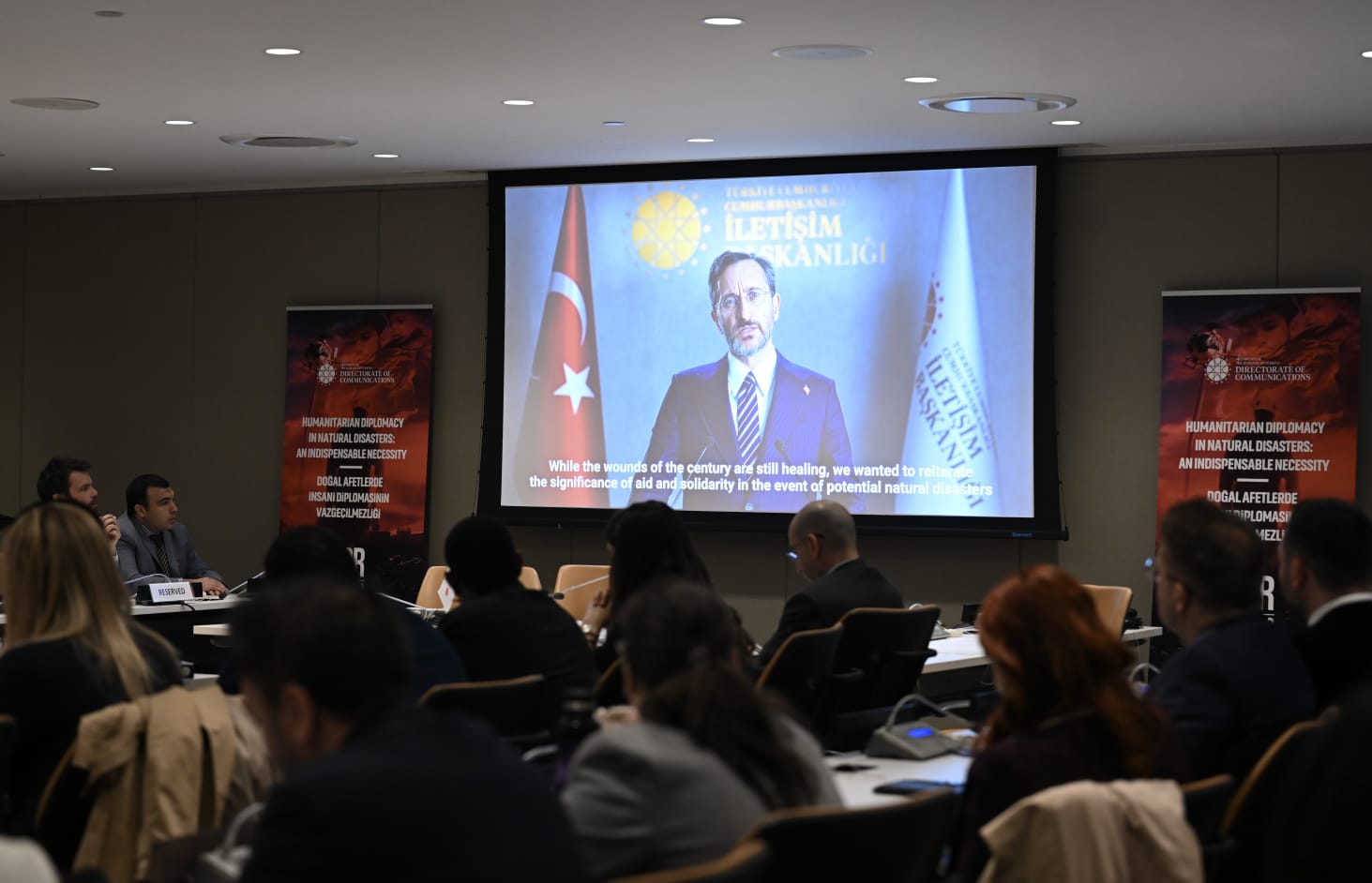
Presidency's Director of Communications Fahrettin Altun sent a video message to the panel.
Director of Communications Altun said: "The reality of disinformation has made times of disaster turbulent; therefore, we must combat it resolutely on a global scale."
Stating that the number of lives lost and destruction were so severe in many respects that this disaster was described as the "disaster of the century," Director of Communications Altun said: "Unprecedented state-nation solidarity was demonstrated in the face of this massive disaster, for which no country could easily be prepared and no state could respond alone. From the earliest moments of the disaster, all our public institutions and organisations, including the Disaster and Emergency Management Presidency (AFAD), the Armed Forces, health personnel, non-governmental organisations, as well as the entire nation, have been fully mobilised. Türkiye’s Disaster Response Plan (TAMP) was implemented by AFAD from the earliest moments of the disaster, and an international assistance call for search and rescue was issued by the Ministry of Foreign Affairs through the Emergency Response Coordination Centre (ERCC).
Director of Communications Altun stated that the UN, NATO, and numerous other international organisations had extended a helping hand to Türkiye and that the support of the allies is of great value to Türkiye.
Underlining that Türkiye, as a country that extends a helping hand to every corner of the globe, welcomes requests for assistance with gratitude, Director of Communications Altun continued:
"While the wounds of the century are still healing, we wanted to reiterate the significance of aid and solidarity in the event of potential natural disasters or humanitarian crises in any part of the world by organising this event as the Directorate of Communications of the Presidency of the Republic of Türkiye."
"We are grateful for the solidarity displayed by the international community"
Ambassador Önal, who delivered the panel's opening remarks, recalled that the magnitude of the earthquakes that struck Türkiye and Syria on February 6 was unprecedented and stated that Türkiye quickly requested emergency assistance, 122 countries contributed to relief efforts, and 90 countries sent search and rescue teams.
Ambassador Önal noted that international organisations such as the United Nations play a leading role in the context of these efforts and that the Donors' Conference organised by the European Union on March 20 also made a significant contribution.
Önal said, "We are grateful for the strong solidarity displayed by the international community following the earthquakes. Nonetheless, given the magnitude of the destruction, much more needs to be done in the coming period."
After the earthquakes, a moderate environment has been created for the resolution of regional issues, particularly in Syria and the Eastern Mediterranean, said Önal. "We hope this opens a window of opportunity and is evaluated by all parties," he concluded.
"Humanitarian diplomacy has always been a top priority for Türkiye."
Altunyaldız, Chairman of the Parliamentary Committee on Industry, Trade, Energy, Natural Resources, Information, and Technology and AK Party Konya Deputy, who went to Hatay immediately after the earthquakes, said that the devastation he witnessed was unimaginable.
Altunyaldız, expressing gratitude to the United Nations, the European Union, the World Bank, and other international organisations and society for their support, drew attention to the fact that in addition to the loss of life and displacement of people, there is a high economic cost.
Altunyaldız stated that since the past, Türkiye has prioritised humanitarian diplomacy, supporting international efforts and playing a leading role in this field in order to create a better world for the future and demonstrate solidarity during natural disasters.
Altunyaldız stated that after the earthquakes, Türkiye's efforts have begun to bear fruit and that international aid has begun to arrive in the country.
"Türkiye is setting an example in disaster management"
Prof. Orhan Tatar, AFAD's General Director of Earthquake and Risk Reduction, provided information about the earthquakes and subsequent actions.
Tatar stated that the earthquakes that affected 11 cities and approximately 15 million people resulted in the loss of approximately 50,000 lives and 100,000 injuries.
Tatar said, "We are setting an example for all nations in terms of disaster management", while emphasising that Türkiye was facing a disaster of unprecedented magnitude.
Tatar noted that Türkiye provides indiscriminate assistance to Syrian refugees in the earthquake-affected region.
"I have never ever seen such destruction"
Mudawi, the Chief of Middle East and North Africa Operations at the Office for the Coordination of Humanitarian Affairs (OCHA), stated that she visited Kahramanmaraş, Hatay, and Gaziantep following the earthquakes and spent a few nights out with Turkish families as the aftershocks continued.
Mudawi said, "I have been working in war zones for 26 years, and I have never ever seen such destruction. My heart could not take it. We will remain in solidarity with the Turkish people and provide assistance."
Mudawi stated that while it is difficult to make preliminary preparations for such disasters, efforts should be made to mitigate their effects.
"We should issue the UN Humanitarian Passport"
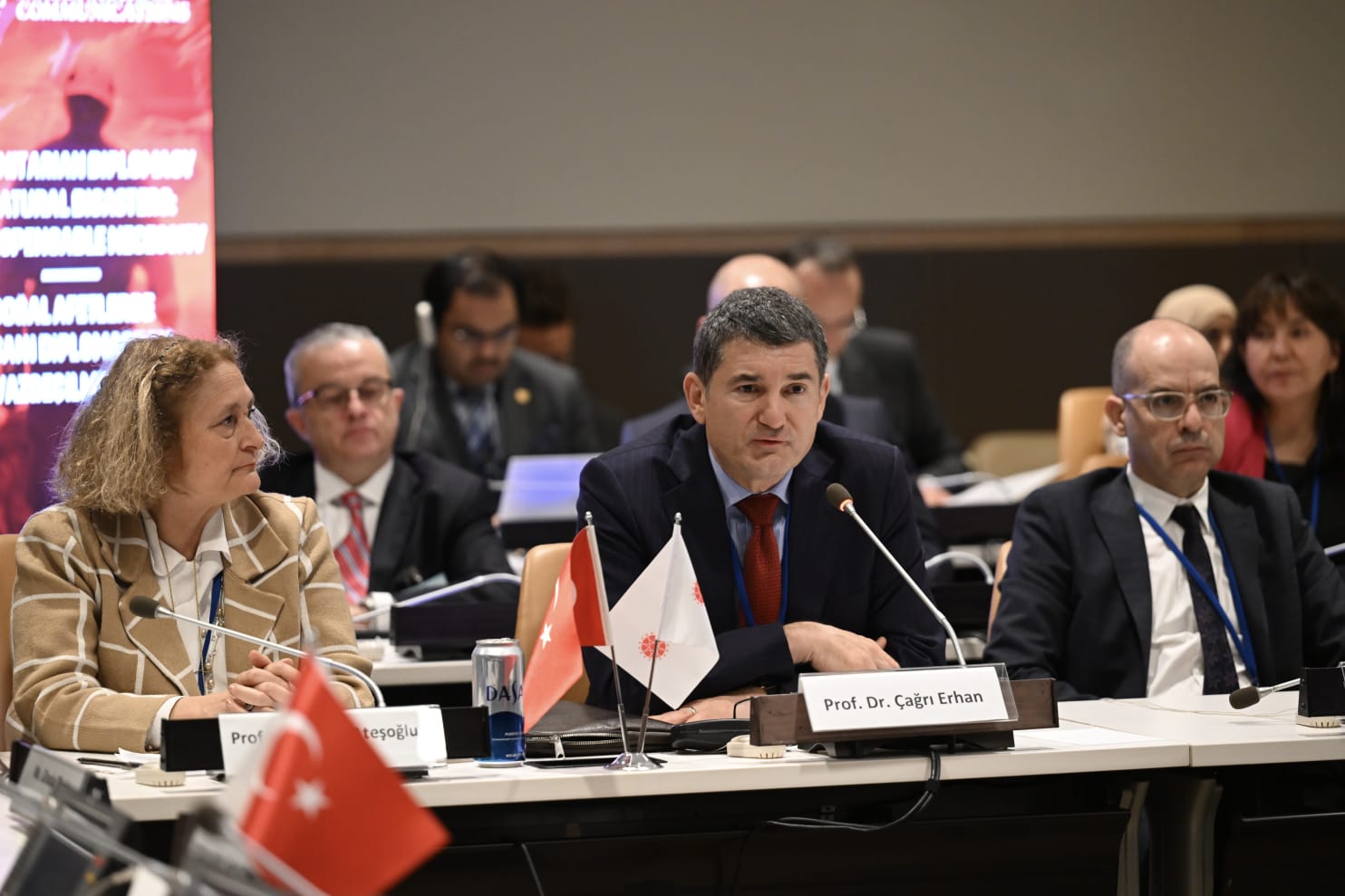
Member of the Presidential Security and Foreign Policy Council Prof. Çağrı Erhan, on the other hand, emphasised the difficulties associated with humanitarian assistance in the aftermath of the earthquakes.
Erhan noted that because it is difficult to reach the disaster zone in the early stages, half of the deaths occurred in the first days.
Erhan noted that the international search and rescue teams were dispatched immediately and said, "We should focus on not only the disaster itself but also pre-disaster preparation."
Erhan offered some suggestions and stated that it is critical to raise people's awareness of natural disasters as a top priority.
Erhan stated that there is a need to bring search and rescue teams around the world to a "similar standard" through trainings, to harmonise equipment and to build a UN-affiliated multilateral humanitarian assistance force and provide easy access to the disaster zone by issuing a "UN Humanitarian Passport", indicating that "logistic hubs" can be established in various parts of the world, making it easy to reach disaster zones from these hubs.
Member of the Presidential Security and Foreign Policy Council Prof. Nurşin Ateşoğlu Güney also pointed out that the world is beginning to focus more on "soft security threats".
Noting that these threats include issues such as climate change and earthquakes, floods, and droughts, Güney said, "International cooperation and solidarity are required to combat natural disasters. Nobody can deal with such tragedies on their own."