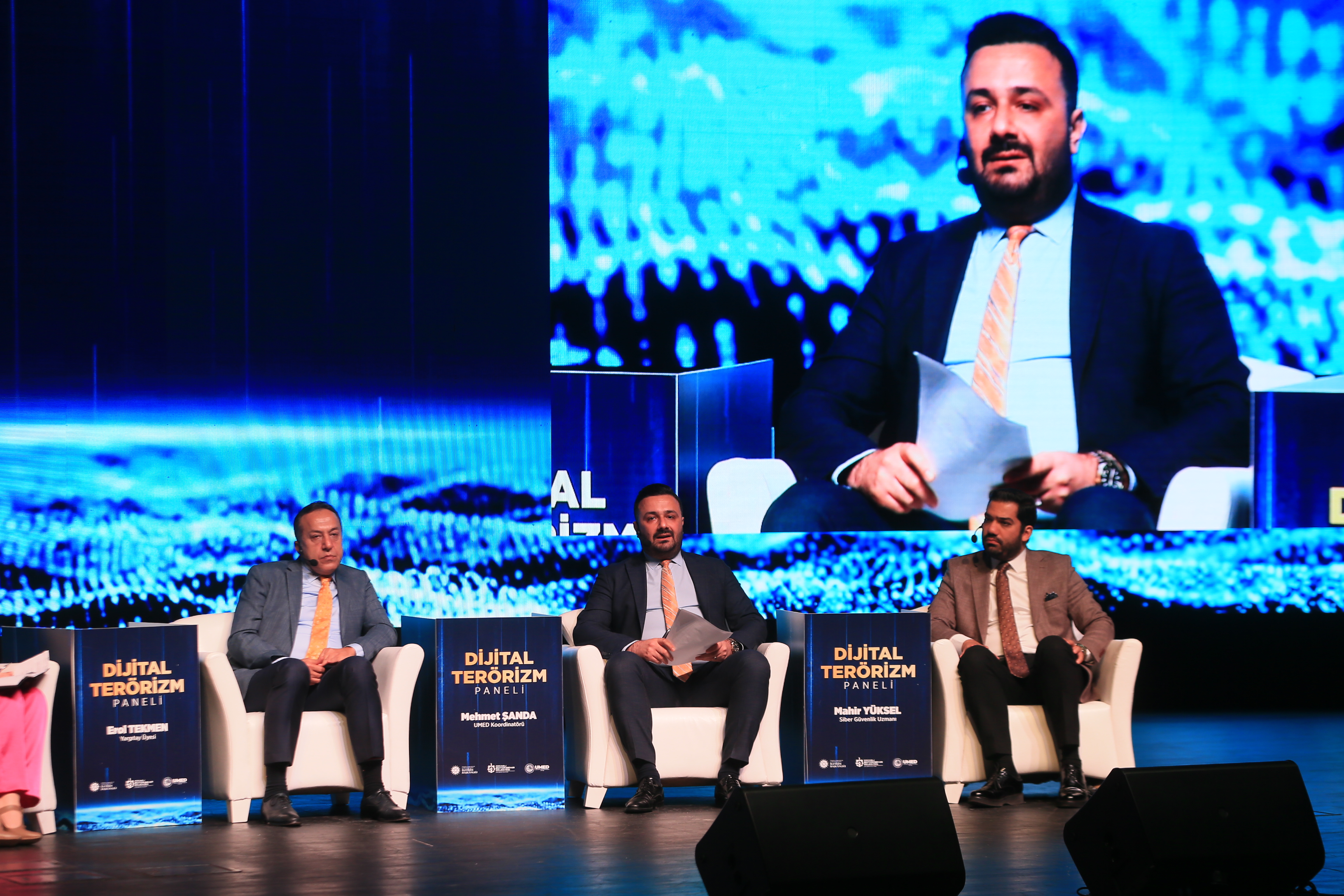
The "Digital Terrorism Panel," organised with the contributions of the Directorate of Communications and the International Media Information Association (UMED), was held as part of the 13th Kocaeli Book Fair.
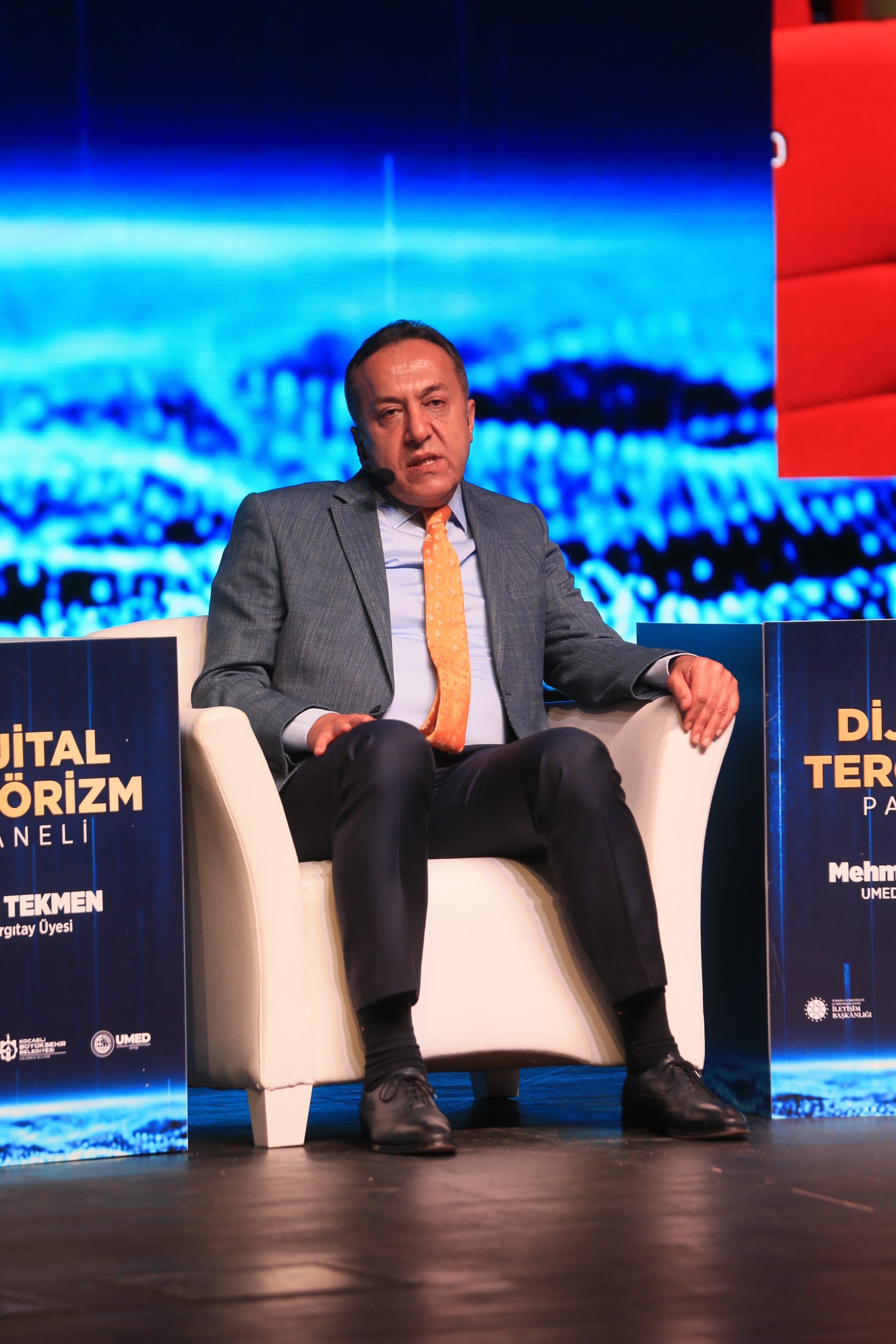
Speaking at the panel at the Kocaeli Congress Centre Akçakoca Auditorium Hall, Erol Tekmen, Member of the Court of Cassation, stated that information spreads much faster on social media, which causes information pollution.
Tekmen emphasised that this also leads to the rapid and organised spread of disinformation and fake news.
"Information pollution and disinformation on social media in Türkiye have now truly become a national security problem that has reached the level of terrorism," Tekmen said.
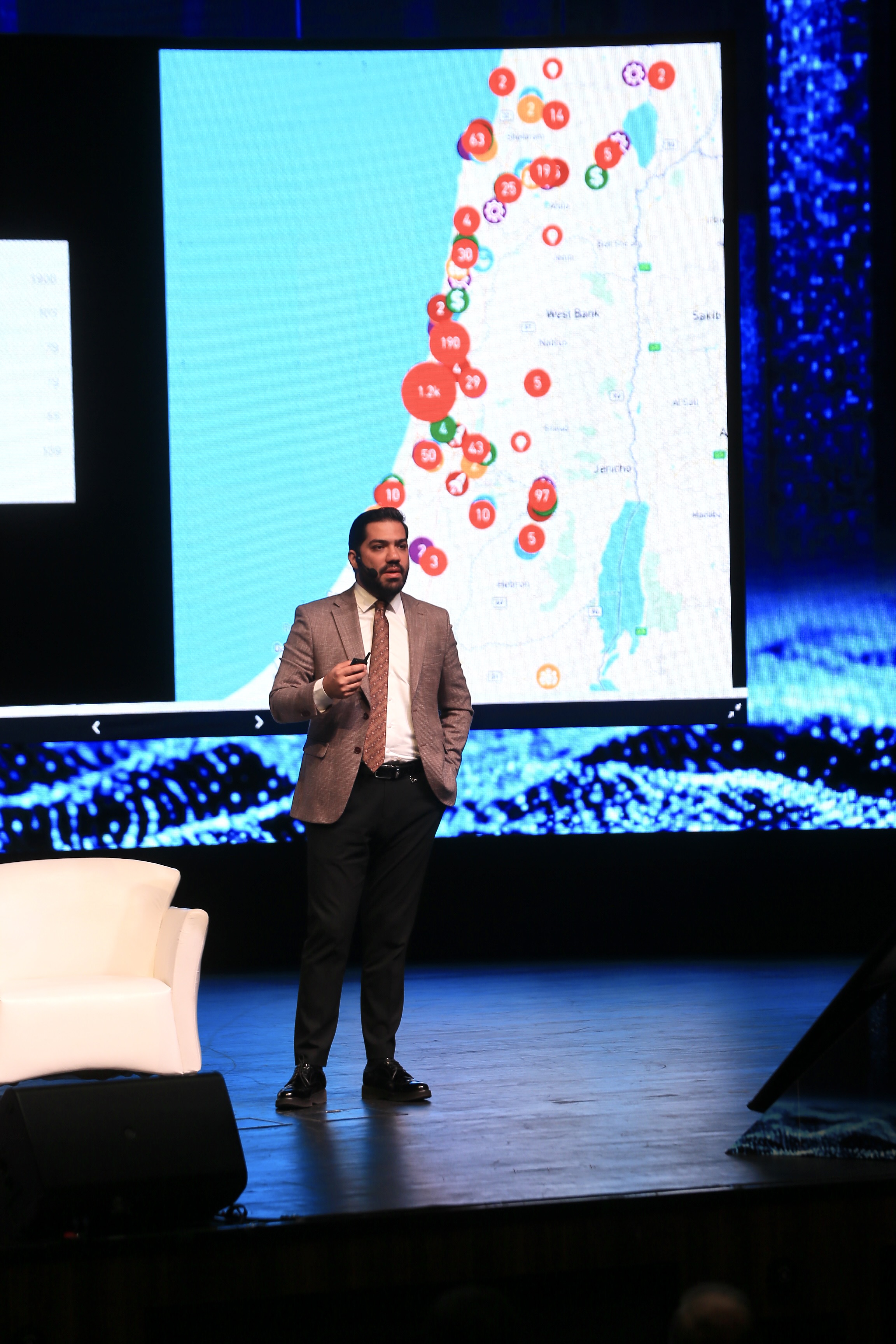
Cyber security expert Mahir Yüksel stated that according to a report by the World Economic Forum, climate change-related risks rank first in the category of risks facing societies, followed by natural disasters and the cyber security problem.
Yüksel stated that individual cyber attackers in the 1990s discovered collective money-making methods by the year 2000 and that there are now state-backed groups. He concluded his speech as follows:
"In conventional warfare, one could argue that the war begins when a rocket hits your location. If someone launches a rocket, you can ask, "Who are they?" and comprehend the situation. However, this is not applicable in the context of cyber warfare. Why? It is unclear who they are. Our five major issues are that we do not know the answers to the following questions: "Who are they, where are they, why and how are they attacking, and when will they attack?" You try to stay prepared and vigilant for the unknown in the midst of these uncertainties. It is really challenging."
The UMED Coordinator, Mehmet Şanda, mentioned that social media has transcended boundaries and emphasised that new media has been embraced more than conventional media.
Şanda emphasised that these platforms, which promote democracy by encouraging participation, have adverse effects that extend from violations of individual rights to posing a threat to the state. Additionally, terrorist organisations extensively utilise these platforms.