Head of Communications Duran said, ''According to 2026 digital media usage data, there are approximately 62.3 million active social media users in Türkiye. This figure corresponds to 70.9 per cent of the total population. Under these circumstances, it is, of course unthinkable for us, from the perspective of public administration, to limit communication with citizens to a single platform.''
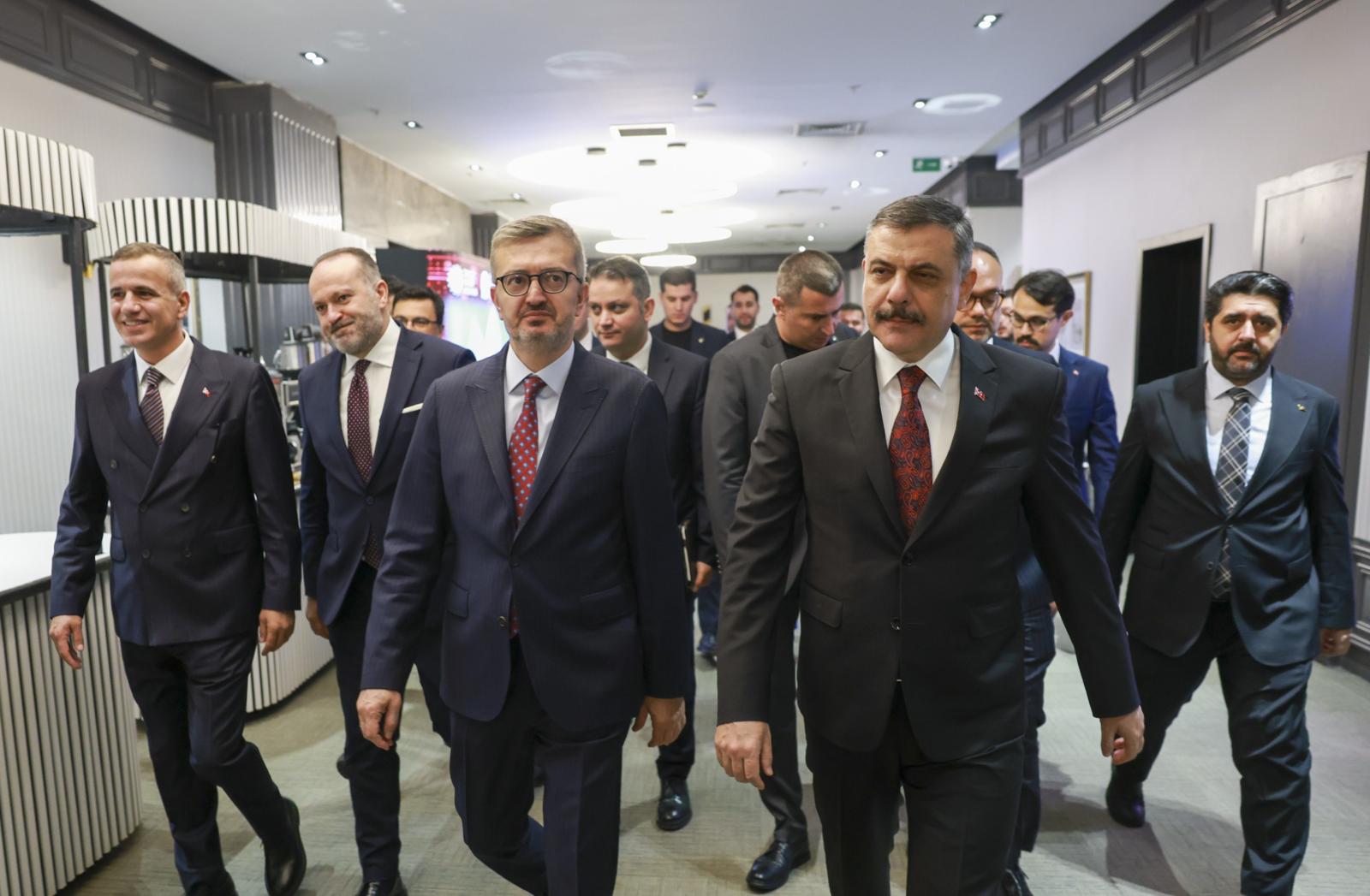
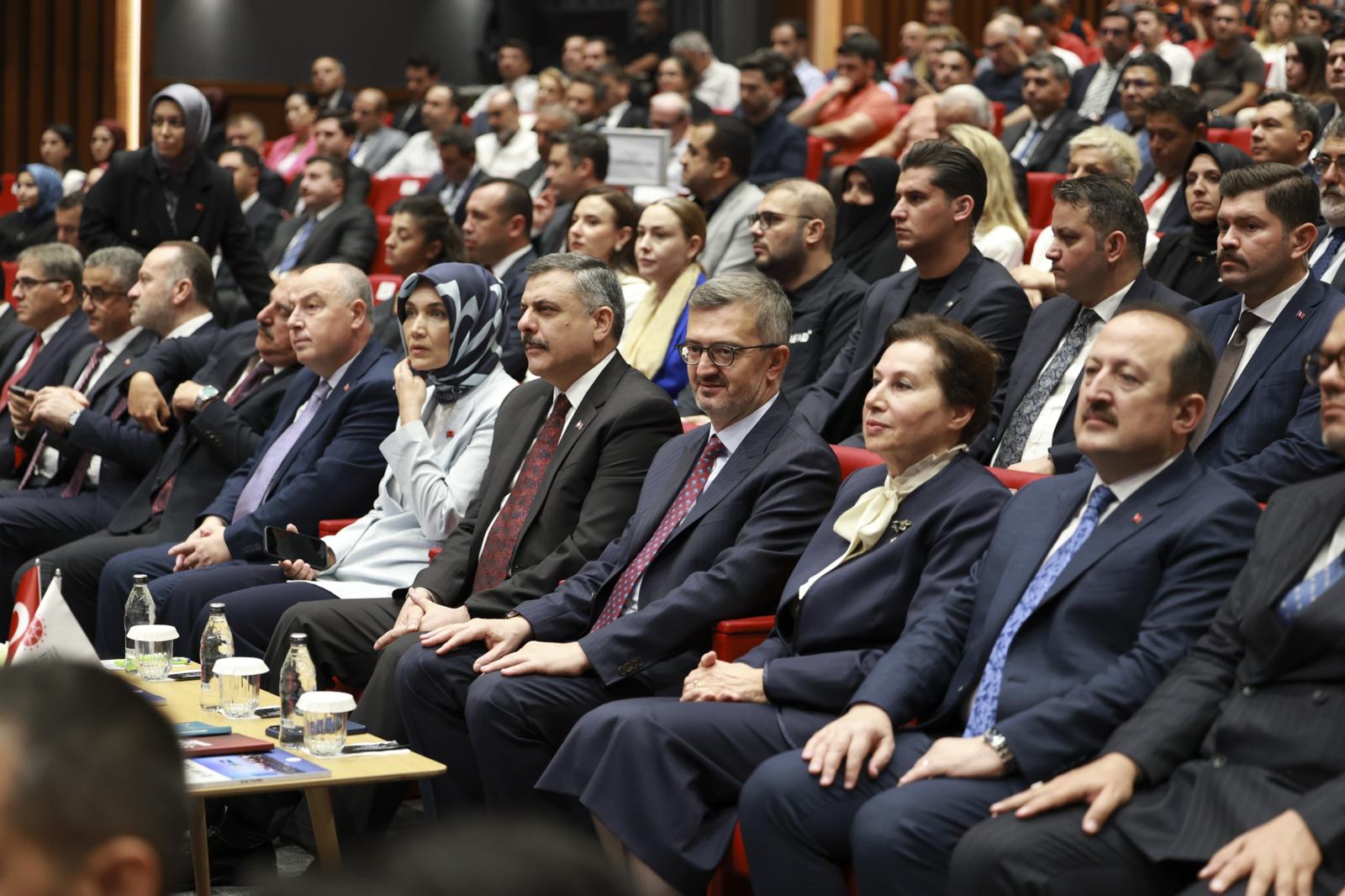
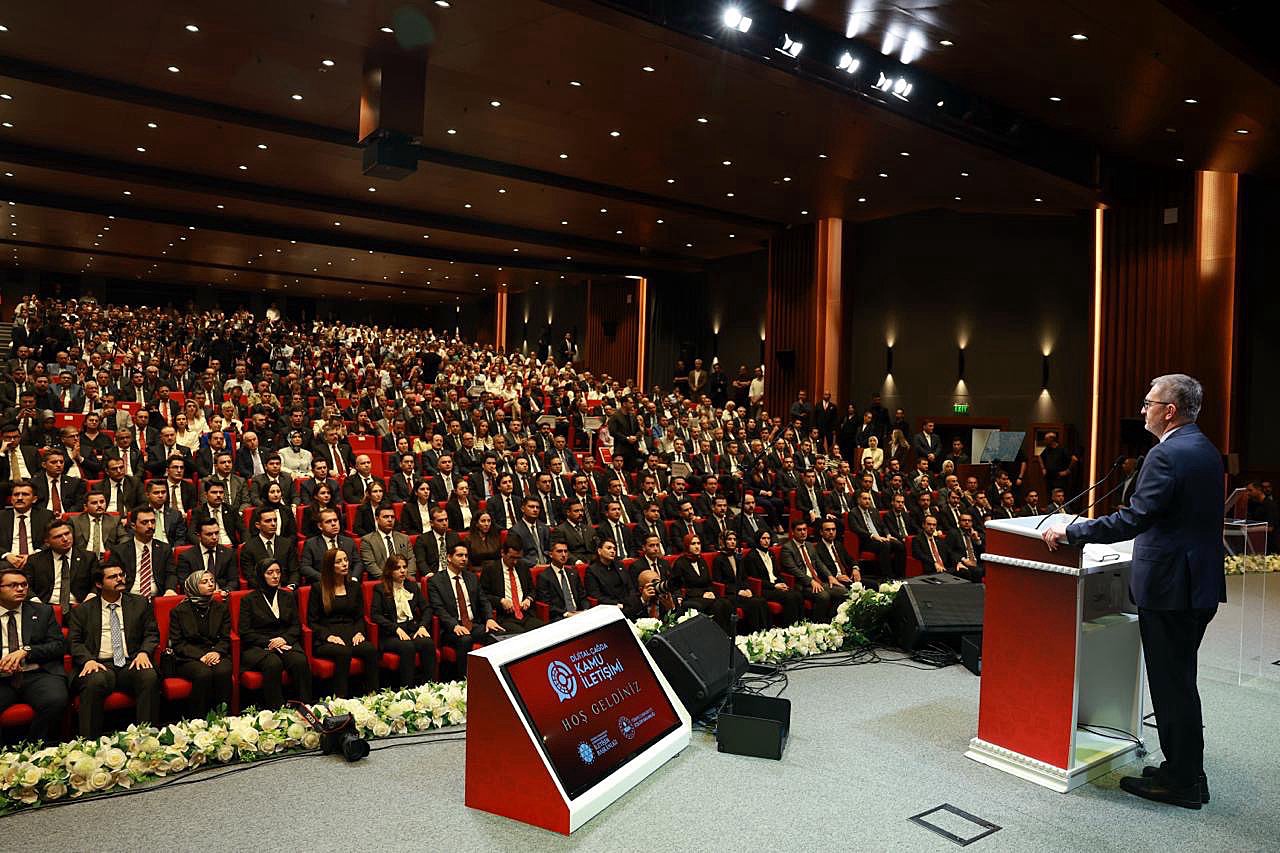
Head of Communications Burhanettin Duran said in his remarks at the ''Public Communication in the Digital Age'' programme held at the Directorate of Communications that they had gathered to assess the impact of digitalisation on public administration, set out a vision for the future of public communication, and place the digital transformation process of public institutions on a stronger footing.
Stating that major transformations begin with changes in how people relate to information, truth, and one another, Head of Communications Duran noted in this context that the invention of the printing press changed the boundaries of access to information, the Industrial Revolution transformed modes of production, and radio and television redefined mass communication.
Head of Communications Duran stated that today, digital technologies and artificial intelligence, together with communication tools, are reshaping ways of thinking, decision-making processes, and the functioning of public administration, adding, ''The period we are living through may, at first glance, appear to be simply a process of technological renewal, but that is not the case. This is because we are going through a historic transformation that is redefining our relationship with information, truth, and our surroundings. Undoubtedly, this significant transformation is altering and redefining the relationship between the state and its citizens."
Emphasising that, at this point, states must now protect not only their physical borders but also their digital presence, information security, and realm of truth, Head of Communications Duran noted that in this period, power can no longer be measured solely by economic capacity, military capabilities, or technological superiority. Head of Communications Duran added that true power lies in the ability to produce accurate information, have access to reliable information, and communicate with society on the basis of trust.
For these reasons, Head of Communications Duran stated that today public communication is one of the complementary elements and strategic pillars of state governance.
''It is unthinkable for us to limit communication with citizens to a single platform''
Highlighting that communication is an integral part of public services that are strategically planned and implemented, Head of Communications Duran stated that communication is the reflection of the state’s wisdom in society, the voice of the public conscience, and a bridge of trust established with citizens. Head of Communications Duran noted that if communication does not function properly, it will disrupt the flow of information, lead to communication problems such as disinformation, manipulation, and malinformation, and ultimately undermine trust between citizens and the public sector.
Explaining that if trust is undermined, public authority will suffer, and if truth is eroded, solidarity will weaken, Head of Communications Duran stated that communication is therefore a shared responsibility not only of communication professionals, media outlets, and members of the press, but also of public administrators at all levels. Noting that citizens experience public services not only in service buildings but also on digital platforms, Head of Communications Duran continued:
"According to digital media usage data for 2026, there are approximately 62.3 million active social media users in Türkiye. This figure corresponds to 70.9 per cent of the total population. Given this situation, it is, of course, unthinkable for us to limit communication with citizens to a single platform from a public administration perspective. As public administrators, we must be present in every area and on every platform where our citizens are and keep our channels of communication open and active. On the other hand, the function of a public institution's social media account cannot be limited solely to the announcements it makes. That account is a window through which citizens view the state. Thankfully, Türkiye has transformed and advanced in the field of communications, as it has in many other areas. Citizens in Türkiye are now able to contact the state whenever they wish.
As President Recep Tayyip Erdoğan has stated, “We have moved on from times when a section of society felt like strangers in their country to a level of maturity where politics and public administration engage with citizens on an equal footing.” We all have a responsibility to preserve and further strengthen this positive progress in communication between the state and the nation. It places a responsibility on public administrators and communications professionals. In pursuit of the Century of Türkiye vision, we place reliable public communication at the core of our approach within a framework of trust-building institutions, effective public administration and citizen-centred public service."
"Disinformation is no longer simply a matter of providing false information"
Head of Communications Duran emphasised that digitalisation offers major opportunities for public administration but that every major opportunity also brings significant responsibilities. Head of Communications Duran, noting that information can now reach millions of people within seconds, continued:
"However, the same speed can also accompany the spread of false information, manipulation and disinformation activities. In particular, developments in artificial intelligence technologies have taken the communication ecosystem to a new stage. Images that are difficult to distinguish from real ones, synthetic audio recordings, information flows directed by algorithms… All these issues have become some of the greatest challenges in the field of communication. We believe this area will continue to grow. Unfortunately, these problems also directly affect public order, social peace and national security. Disinformation is no longer simply a matter of providing false information.
Head of Communications Duran, pointing out that the 2025 Global Risks Report identifies disinformation as a leading short-term global threat, stated that disinformation is also projected to become one of the greatest global risks by 2027.
Head of Communications Duran stated that everyone has seen how disinformation can evolve into organised activities aimed at destroying economic stability, deepening social polarisation, exacerbating crises, and undermining the trust between the state and the nation, and that preventing these issues is possible by producing accurate information and protecting the truth.
Emphasising that protecting the truth cannot be achieved through technical measures alone, Head of Communications Duran said, “It requires a strong institutional structure. It can only be achieved through a multifaceted and transparent approach to governance. It is possible with a public culture that prioritises citizens’ trust. Above all, it is only possible through a sincere understanding of communication."
"The most important principle is to deliver accurate information to our citizens at the right time and in the correct manner"
Referring to the "Social Media Guide for Civil Administration Authorities," which was released today and is intended to help with public communication, Head of Communications Duran said that the guide provides both technical guidance on social media use and a framework for the common communication culture needed by public administration in the digital age.
Head of Communications Duran stated that the guide provides a broad perspective while preserving the shared values of the state wisdom and public administration approach gained over time, and added:
"By addressing the risks we face, their potential implications, and the measures that can be taken, risk communication becomes comprehensible and approachable for everyone. Creating needless fear while maintaining trust in institutions necessitates ignoring the truth or remaining unconcerned about significant issues. Here, a balance needs to be achieved. One of the most important subjects covered in our guide is crisis communication, which must be considered alongside risk communication. As we all know, times of crisis put institutions' operational capacities as well as their communication capabilities to the test. When an information gap occurs, it is frequently filled with rumours and disinformation rather than the truth. For this reason, we believe that in crisis communication the most important principle is to deliver accurate information to our citizens at the right time and in the correct manner, without leaving any gaps. I believe that this guide, which we are presenting for the benefit of the public today, will serve as a valuable reference for our civil administration authorities. Furthermore, it will contribute significantly to the establishment of a shared communication culture in our public administration."
“We are closely monitoring false and misleading information on digital platforms”
Head of Communications Duran stated that the Presidency's Directorate of Communications continues to work to strengthen healthy communication between citizens and the state, and that they maintain close coordination with all relevant public institutions and organisations, particularly the Ministry of Interior, and have implemented joint projects, training programmes, and guide studies aimed at strengthening strategic communication capacity.
Head of Communications Duran said that, in this regard, they have established a strong participation mechanism through CİMER, which allows citizens to directly convey their requests, views, and suggestions to public administration, and that they operate this mechanism effectively, thereby strengthening communication channels between the state and the nation.
Head of Communications Duran said, "Through our Centre for Combating Disinformation, we closely monitor false and misleading information circulating on digital platforms and work to ensure that the public has access to verified information. Through publications such as the New Communication Technologies and Family Handbook, Accurate Reporting and Media Ethics, and the Guide on the Use of Social Media, we are working to strengthen our citizens’ capacity to use the digital world consciously, safely, and responsibly. As the Directorate of Communications, we will continue to implement initiatives aimed at strengthening cooperation with all stakeholders while further reinforcing our public communication approach that inspires trust."
Furthermore, Head of Communications Duran shared a post on his NSosyal account regarding the programme.
In the message, Head of Communications Duran said:
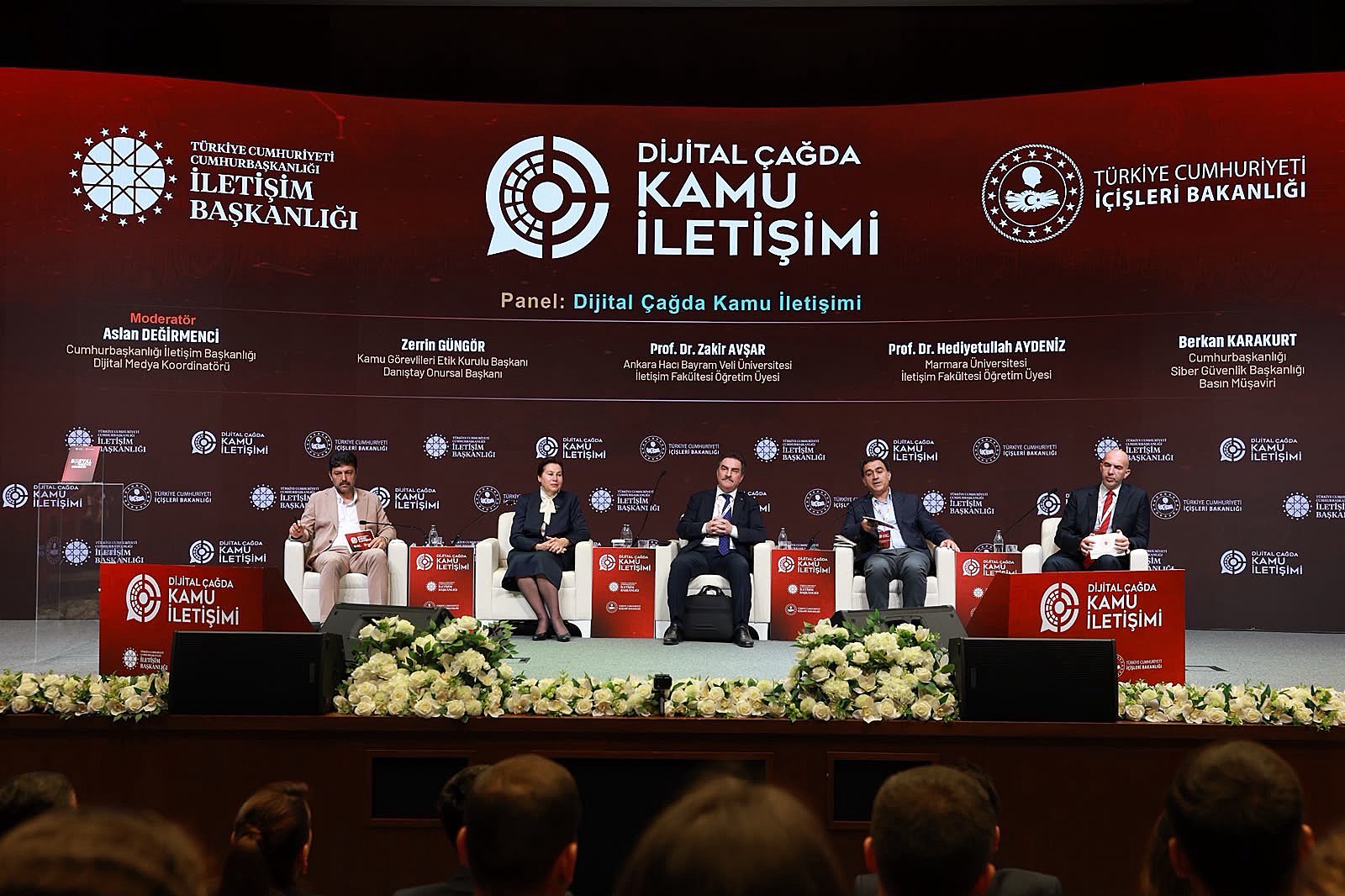
"At the ‘Public Communication in the Digital Age’ panel and the launch event for the ‘Social Media Guide for Civil Administration Authorities,’ jointly organised by the Presidency’s Directorate of Communications and the Ministry of Interior, we discussed the impact of digitalisation on public administration, the future of public communication, and the steps required to further strengthen the digital transformation of our public institutions.
Today, public communication is one of the most critical instruments for building trust between the state and its citizens. Our citizens now access public services not only in government offices but also through digital platforms. For this reason, as public administrators, it is of paramount importance that we keep our communication channels open, effective and reliable wherever our citizens are.
Although digitalisation and artificial intelligence present significant opportunities for communication, they also accompany new risks, such as disinformation, manipulation, algorithmic steering and synthetic content that are virtually indistinguishable from authentic ones. In this process, preserving the integrity of truth depends on producing accurate information, communicating reliable information to our citizens in a timely and appropriate manner, and cultivating a strong institutional communication culture.
The ‘Social Media Guide for Civil Administration Authorities’, unveiled today, goes beyond providing technical guidance on social media use, offering an important perspective on the shared culture of public communication that the digital age calls for. From risk and crisis communication to preserving public trust in institutions and ensuring accurate, timely information, the guide is intended to serve as a point of reference for civil administration authorities.
In our capacity as the Presidency’s Directorate of Communications, in line with the vision of President Recep Tayyip Erdoğan, we will continue to strengthen communication between our citizens and the state through the initiatives, guides and training programmes we have undertaken, particularly CİMER and the Centre for Combating Disinformation, while further advancing a trusted public communication approach through strong coordination with our public institutions.
I would also like to take this opportunity to express my gratitude to our Minister of interior, Mustafa Çiftçi, for honouring our programme with his presence and to thank our distinguished panellists, our dedicated colleagues who contributed to the preparation of the Guide, and all our valued participants. I trust that the ‘Social Media Guide for Civil Administration Authorities’ will serve as a valuable contribution to strengthening public communication and deepening the bond of trust between the state and its citizens."