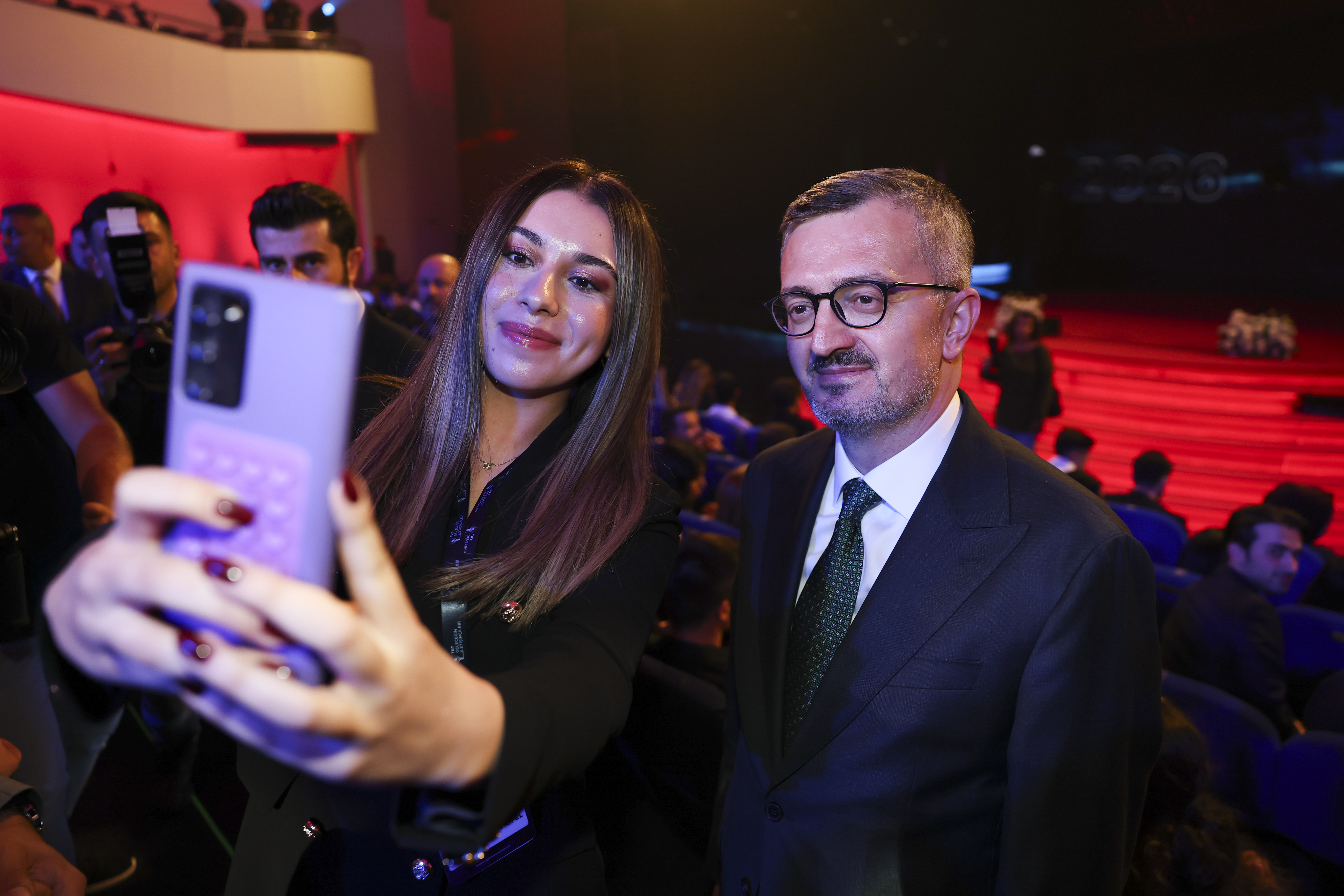
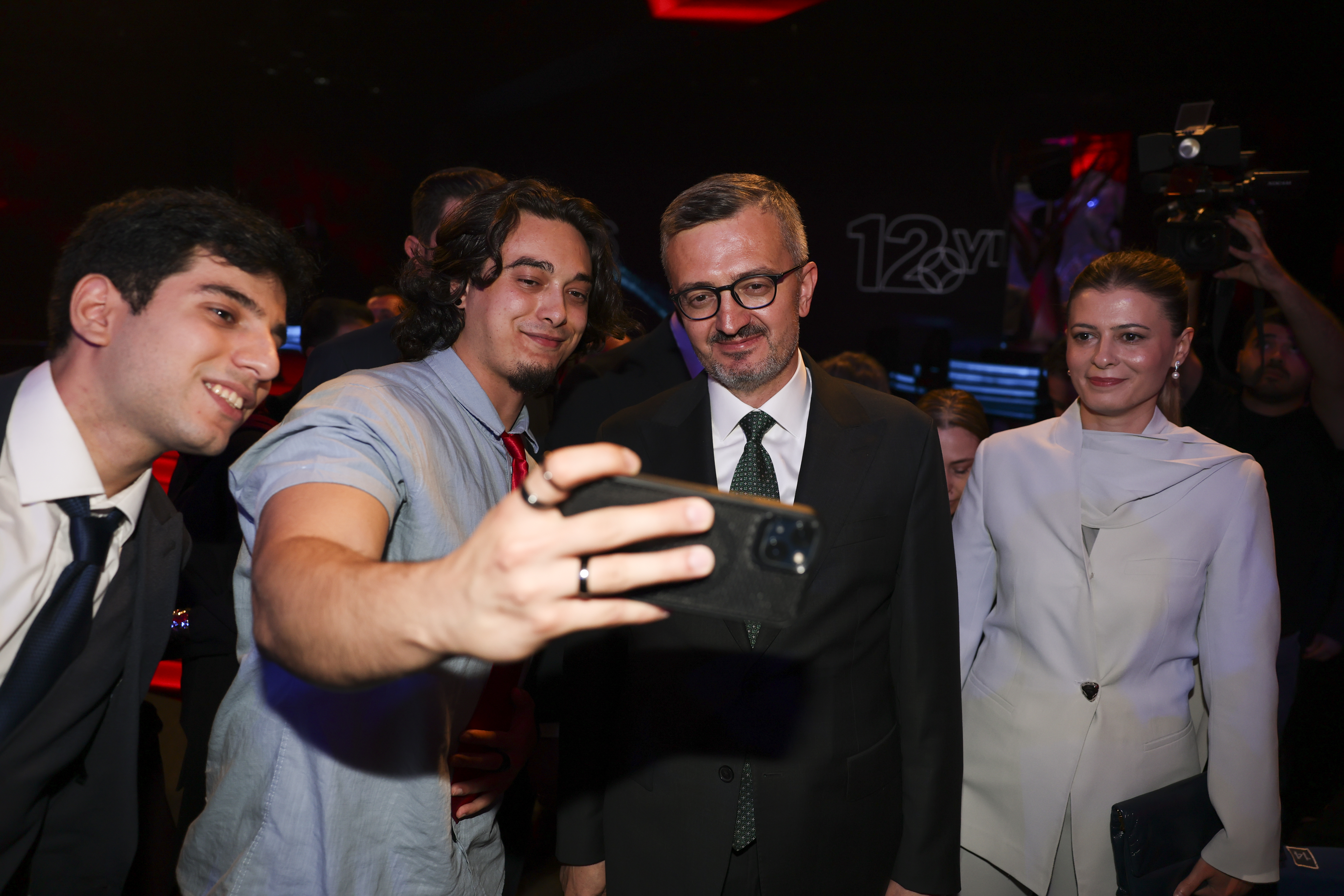
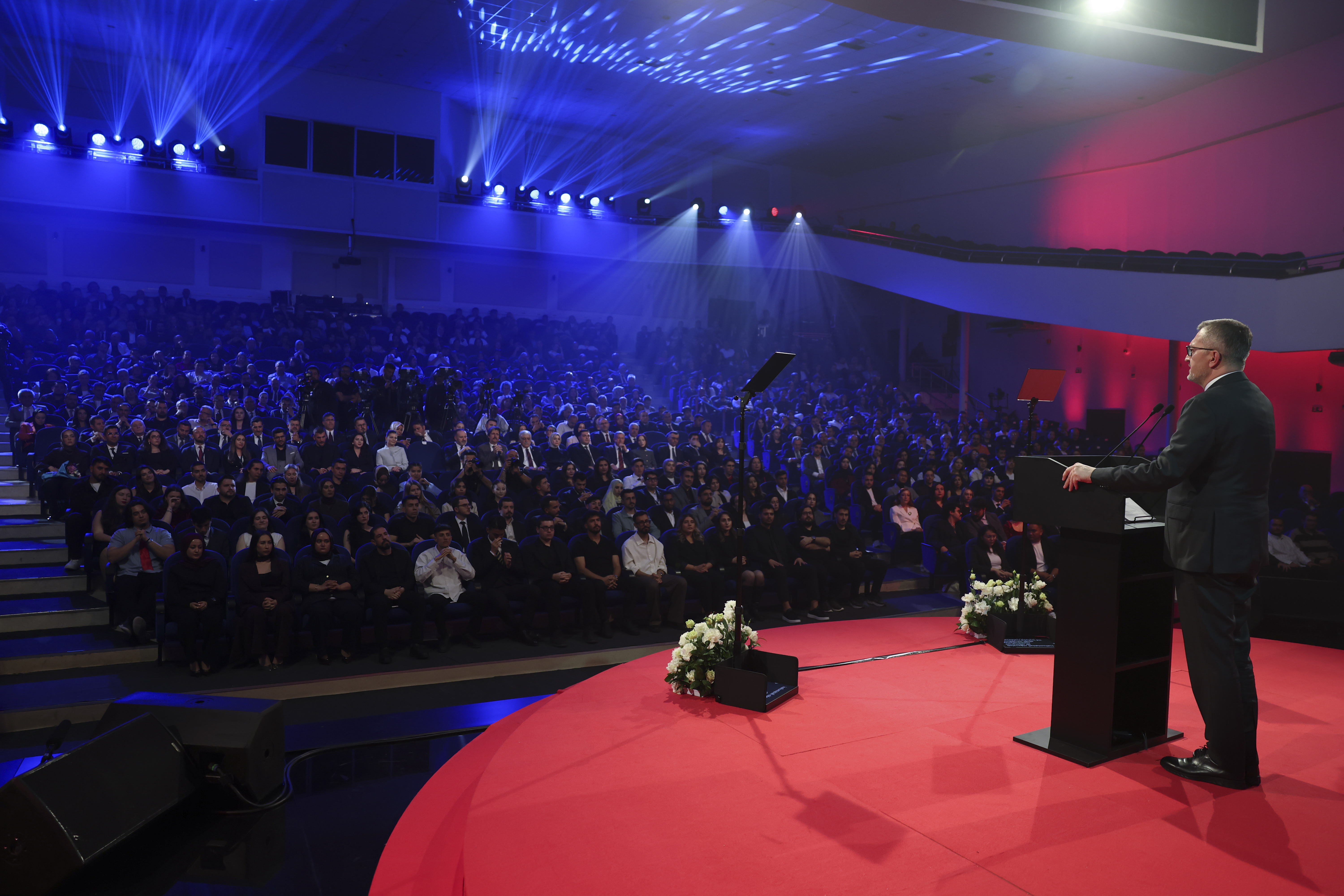
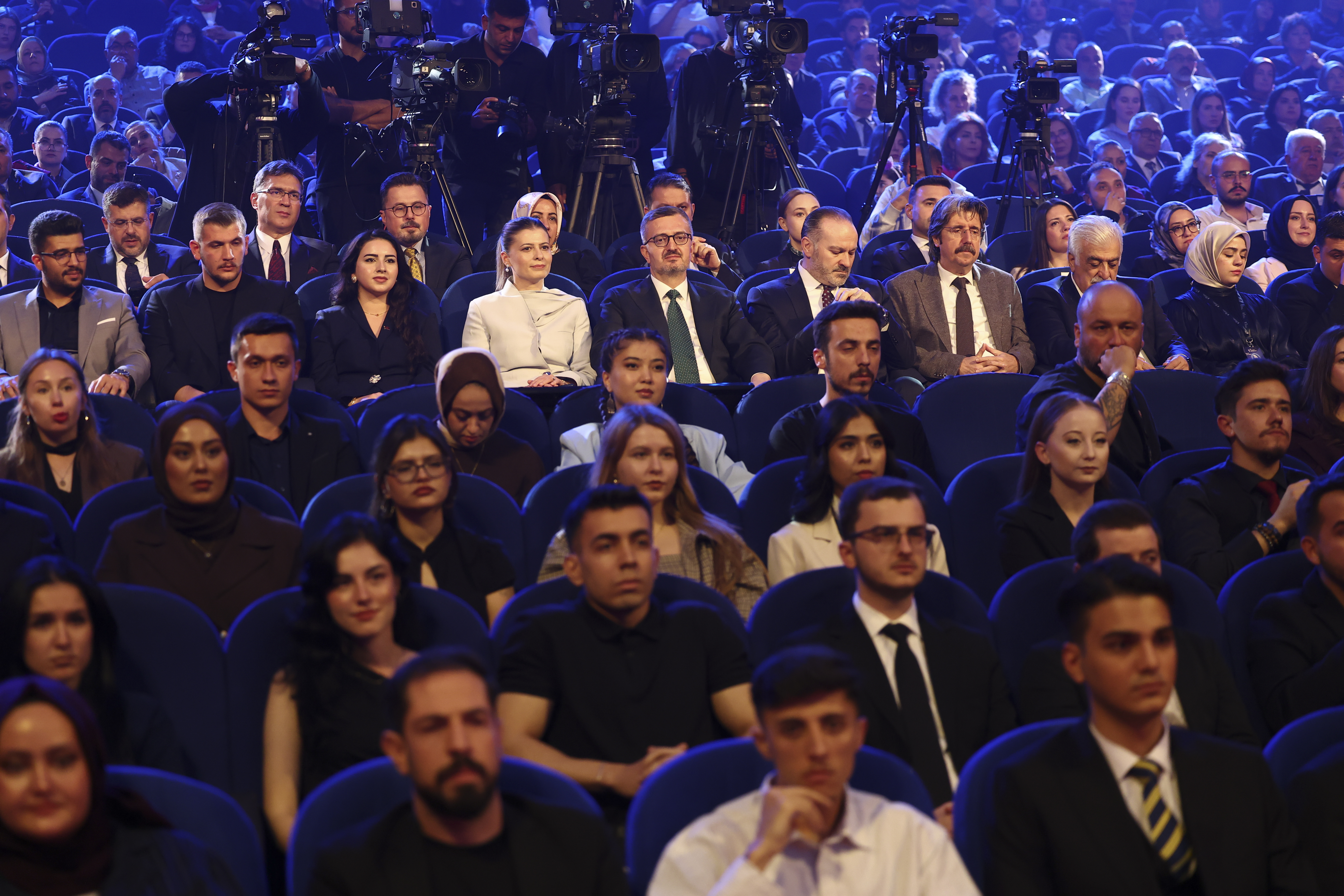
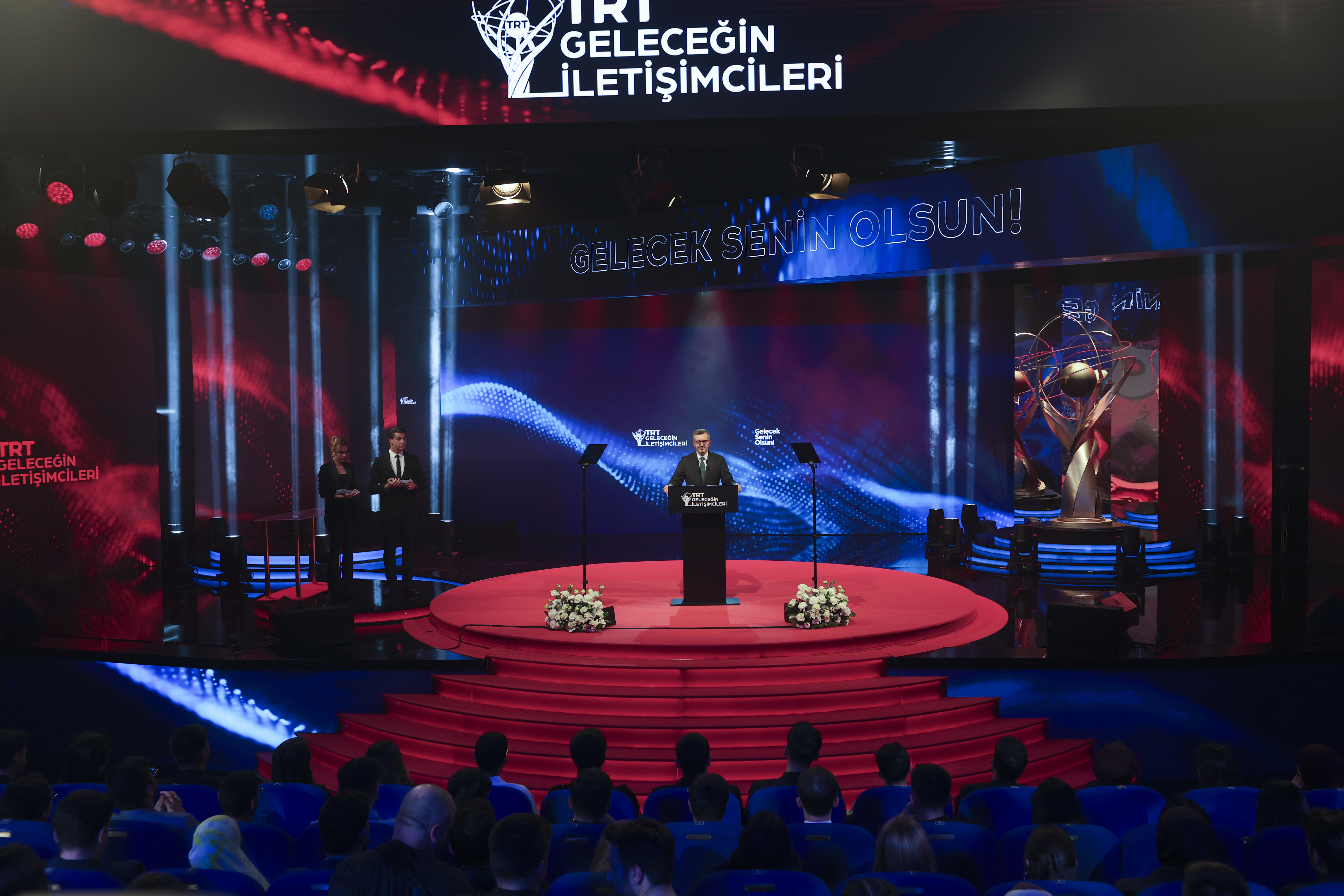
Presidency's Head of Communications Burhanettin Duran attended the 12th "TRT Future Communicators Competition Award Ceremony", held at the Ministry of National Education’s Council Hall.
In his address, Head of Communications Duran emphasised the particular importance he attaches to every initiative aimed at young people and every event in which they take part, expressing his belief that their energy, passion, original perspectives and potential to learn would bring a fresh perspective to the media landscape.
Noting that the competition was being held for the 12th time this year under the motto “To Value Young People Is to Value the Future,” Head of Communications Duran highlighted the significance of dedicating a special category to 15 July, alongside the 15 categories featured in the competition.
Emphasising that keeping the memory of the 15 July coup attempt and the resolute struggle for democracy waged that night alive on every occasion, ten years on, was one of their most deeply held objectives, Head of Communications Duran commended all those who contributed to "Asırlık Gece" (A Century-Long Night), the TRT series that has captured the public’s keen interest.
Pointing out that “Generative Artificial Intelligence (AI)” had been chosen as the theme of the competition’s communications campaign, Head of Communications Duran remarked, “AI offers a wealth of opportunities, particularly when considered in the context of developments in communications and media. At the same time, it raises concerns in certain respects. Moreover, established practices in the media sector, our ways of working and our relationship with knowledge and information have already undergone a profound transformation. We must not lose sight of the serious threats AI brings in its wake, including risks to personal data protection and privacy, information pollution, algorithmic censorship, disinformation and fabricated content.”
"What is essential is humanity, not technology"
Observing that the possibility of a technology envisaged to serve humanity slipping beyond human control had become a subject of debate, as it could overshadow its potential benefits, Head of Communications Duran went on to say:
"What is essential is humanity, not technology. Technology is valuable only insofar as it serves humanity, helps build a just order and drives meaningful progress. I believe that placing humanity at the heart of technological development and building a communications ecosystem grounded in a just order will yield far-reaching benefits for all humankind. This is the very approach that guides the Directorate of Communications in addressing new communications technologies and the rapidly transforming communications ecosystem. We are undertaking and will continue to pursue initiatives to promote digital literacy, media literacy and public awareness of disinformation among our citizens. We are pursuing coordinated efforts with academia to reinforce the conceptual foundations of this transformation and offer guidance to future generations of communicators.”
Head of Communications Duran further remarked, “We are striving to make the Century of Türkiye also the Century of Communications and, in line with this vision, to build a fair and effective communications ecosystem. All the objectives of the Directorate of Communications, as well as those of leading institutions and organisations such as the Turkish Radio and Television Corporation (TRT) and Anadolu Agency, are geared towards this end."
"We cannot regard digital platforms as neutral spaces"
Head of Communications Duran noted that digital advances have rendered the traditional model of one-way communication obsolete, in which a central source delivers information to passive audiences, and identified “interaction” as a defining feature of the digital age.
Stating that nearly everyone now both consumes and produces content in today's communication model, Head of Communications Duran added, "However, I would like to remind you that everyone becoming a content producer also creates a problem in terms of the reliability of information. As communication processes accelerate, disinformation and related forms of content spread just as rapidly as information itself. Uncertainty about the accuracy of information develops into a crisis of meaning, leaving us unsure what to believe, and ultimately becomes a crisis of truth that undermines our shared understanding of reality."
Head of Communications Duran identified the growing hegemonic dominance of major technology companies over information flows as another factor exacerbating the crisis of truth, stating:
"Search engines and social media platforms, in particular, use algorithms to largely determine which information and content users see. Israel’s genocide in the Palestinian territories, particularly Gaza, which has continued for more than three years, provides a stark example of this, as we have witnessed and continue to witness. We cannot regard digital platforms as neutral spaces. These platforms are evolving into digital dictatorships, controlling information flows, deciding which content is visible and manipulating information to suit changing circumstances. At this point, we must revisit history to examine the links between media and colonialism and the influence of imperialist approaches on communication processes.
This historical experience compels us to consider how the emerging communications ecosystem could give rise to digital dictatorships and what consequences they might bring. We must never dismiss the possibility of unequal power relations, cultural dominance, and one-sided representations in content production. The first step towards addressing these threats is to achieve decolonisation in the field of communications and media. That is, it entails moving away from a single-centred, single-voiced understanding of representation in communications and towards an order in which everyone can tell their own story in their unique voice. This necessitates transforming the communications and media order by removing all forms of dominance and establishing a just and effective media order."
"Our most important duty is to make the digital sphere safe"
Stating that one of their most important tasks is to ensure the security of the digital sphere, Head of Communications Duran recalled that, in this context, President Recep Tayyip Erdoğan had announced the Türkiye Artificial Intelligence Action Plan on 13 June.
Head of Communications Duran stated that this plan aims to promote AI literacy, develop the workforce for AI, and establish a data ecosystem and a legal framework, noting that the Directorate of Communications had contributed to the country’s digital wellbeing through periodical and non-periodical publications, panels, training programmes and numerous activities spearheaded by faculties of communications.
Head of Communications Duran prayed for Allah’s mercy upon TRT Haber correspondent Recep Levent Öztürk, who passed away last week, and extended his condolences to his family and loved ones, wishing them patience and strength during this difficult time.
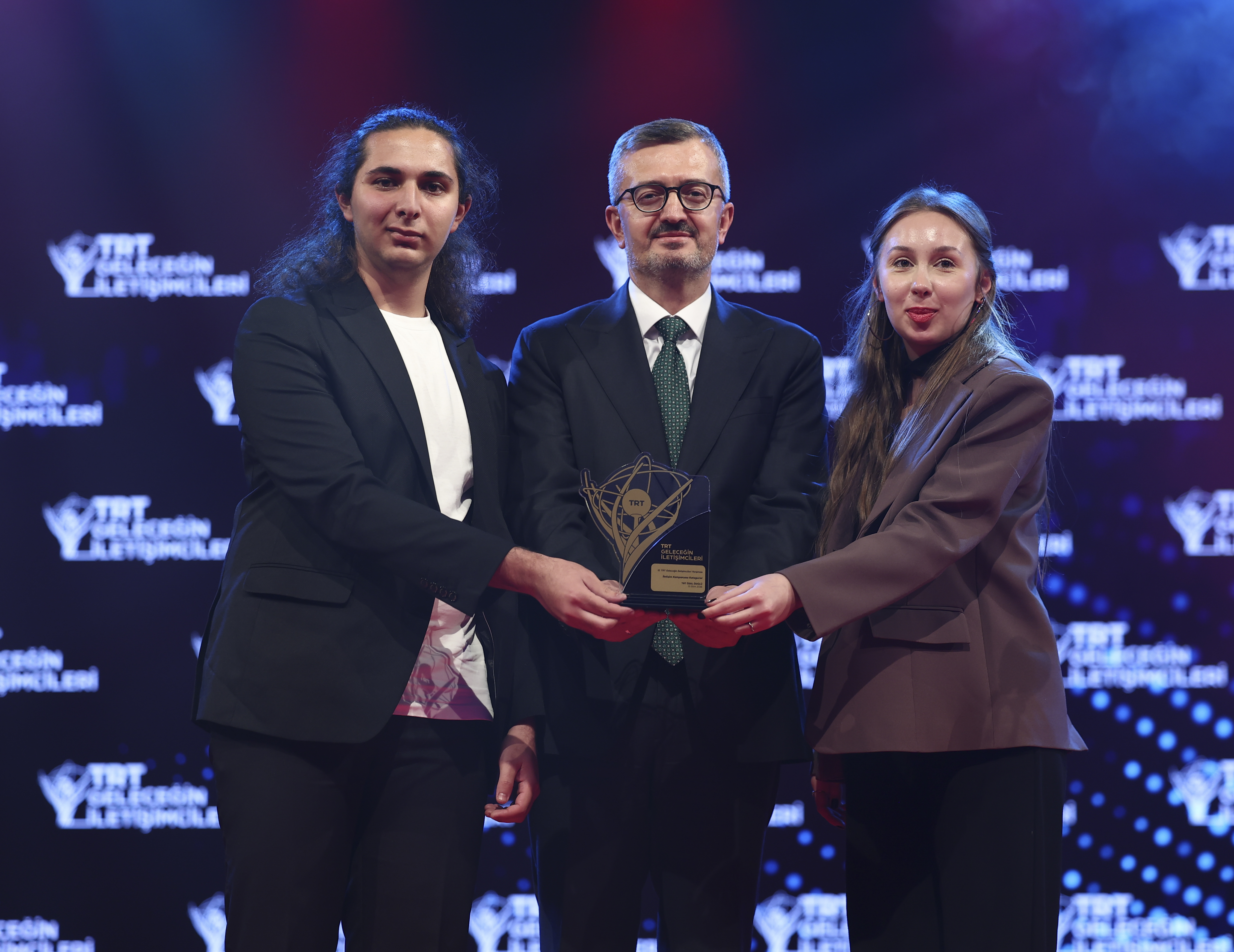
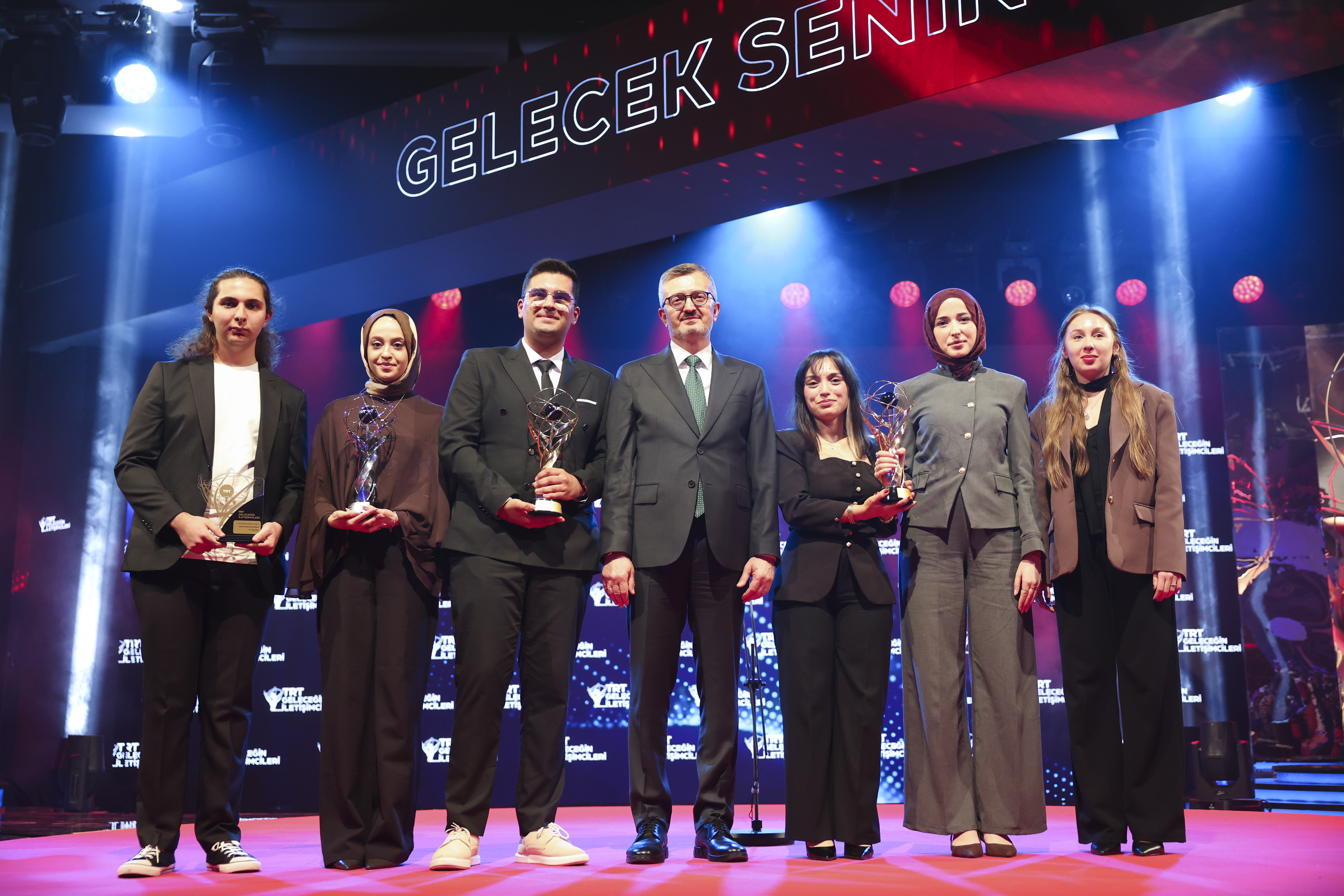
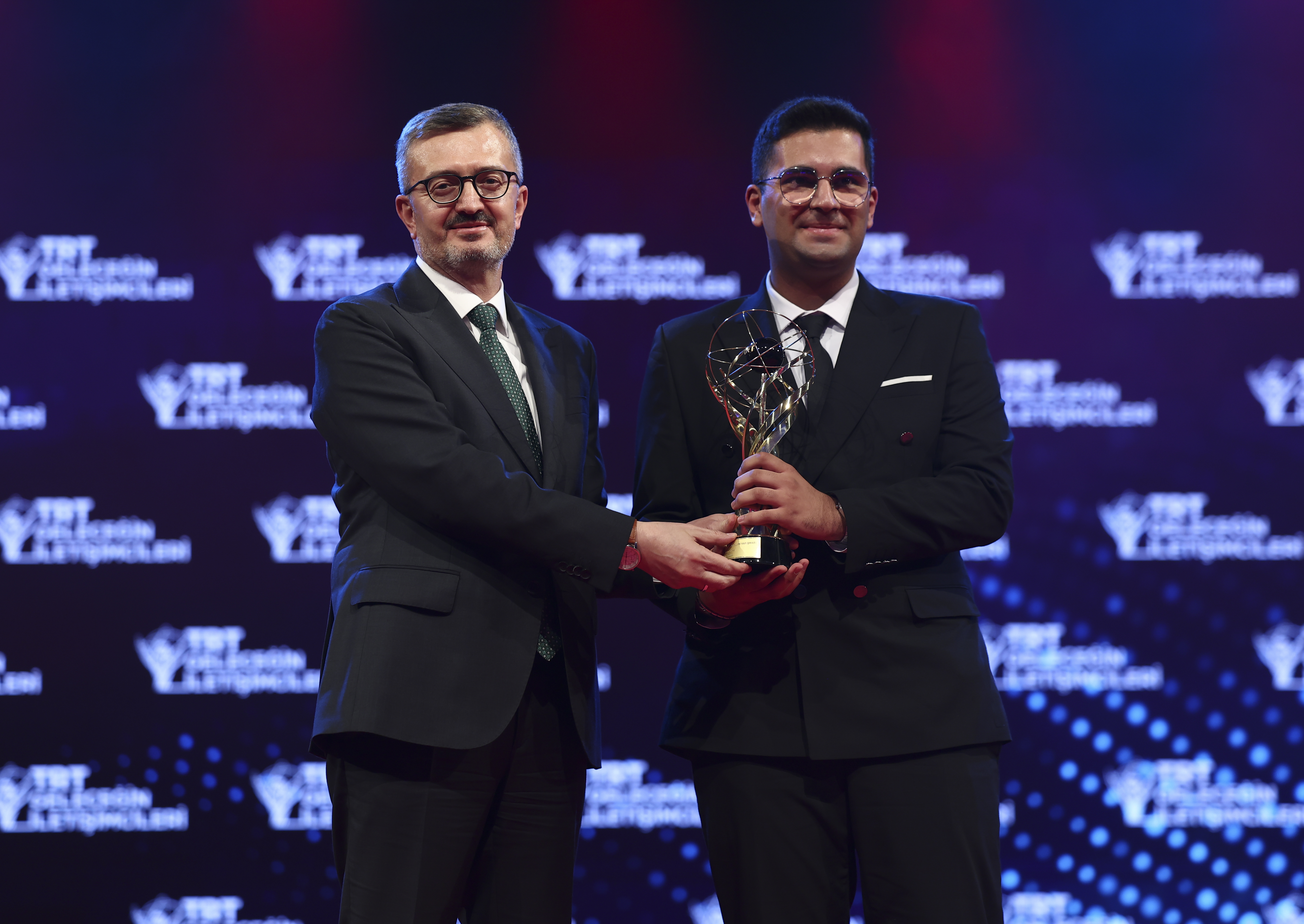
Following the speeches, awards were presented to the young communicators who placed in the competition.
Head of Communications Duran also congratulated the young people who participated in the competition in a post on his NSosyal account and thanked the TRT management and the jury members.