Head of Communications Duran said: “As we demonstrated to the entire world on 15 July, Türkiye will never allow coups or coup plotters to prevail, the national will to be placed under tutelage, or democracy and the will of the nation to be targeted. That night, our nation took to the streets, squares and bridges, and went to the airport to welcome our President, thereby bringing this era of tutelage to an end, hopefully never to return.”
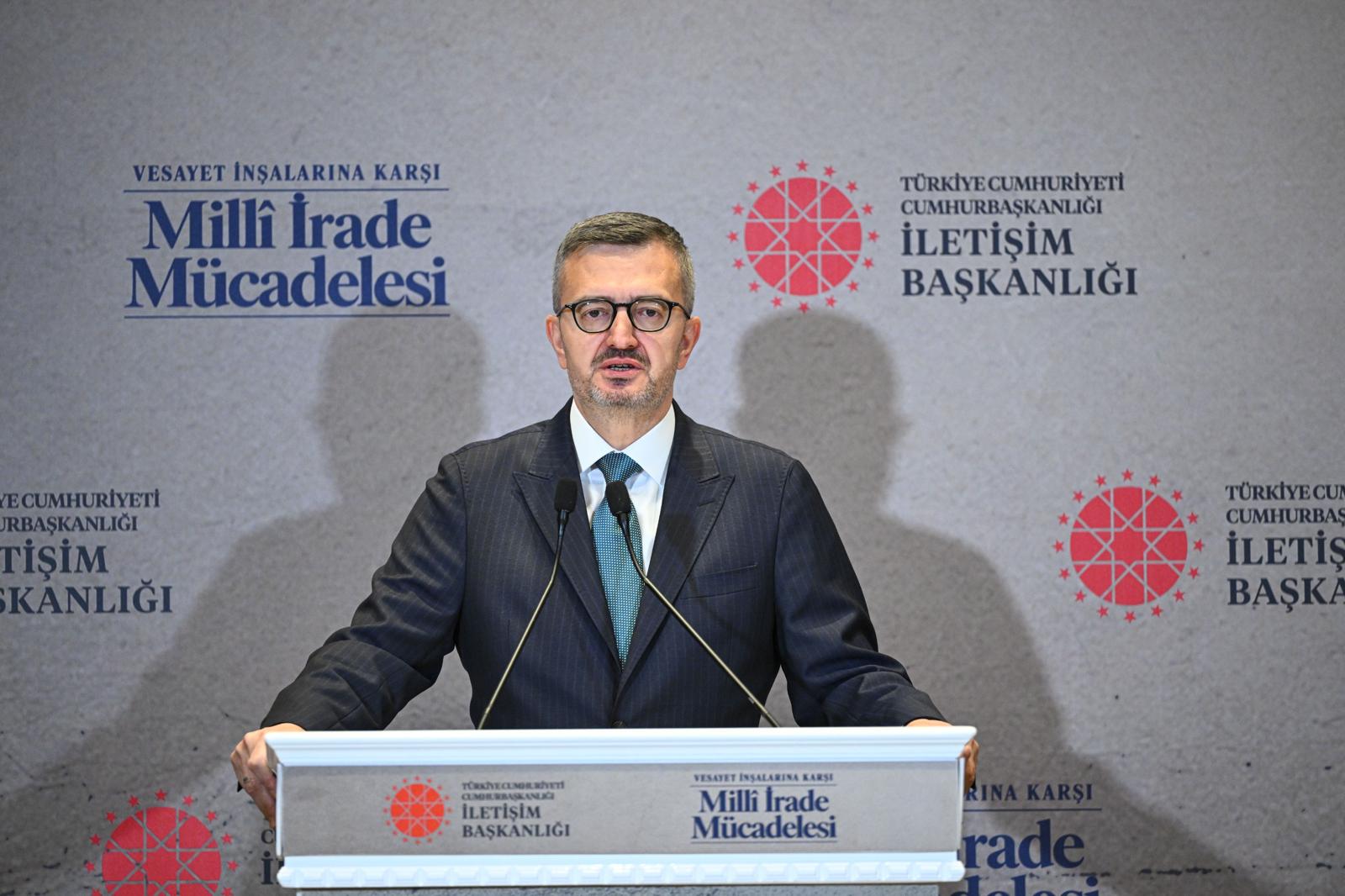
The Presidency’s Head of Communications, Burhanettin Duran, speaking at the opening of the “Struggle of the National Will against the Construction of Tutelage” Panel, organised by the Presidency’s Directorate of Communications at its İstanbul Regional Directorate, said that 17 September marked one of the darkest and most shameful pages in history.
Noting that 17 September was the day on which the late Prime Minister Adnan Menderes was martyred, Head of Communications Duran stated that 16 September also marked the 65th anniversary of the executions of Foreign Minister Fatin Rüştü Zorlu and Finance Minister Hasan Polatkan.
Commemorating Adnan Menderes, his companions in the cause, and all the heroes of Türkiye’s struggle for democracy with gratitude, Head of Communications Duran stated that Türkiye had reached where it stands today thanks to the heroes who had taken an honourable stand against all forms of tutelage.
Head of Communications Duran said: “The mentality that deemed politicians deserving of the gallows was, in essence, a mentality that targeted the future of the Turkish nation and its national will.” Yet another truth remains: leaders and political movements that earn a place in the heart of the nation will continue to take their place in the pages of history, while the coup plotters themselves will be remembered with condemnation. The nation's will has ultimately prevailed by standing by its own political leaders. As we all know, following every coup attempt, our noble nation has consigned the coup plotters to the dark pages of history, while reserving a special place in its heart for those who represent the national will.”
Noting that Yassıada, where the trials were held, had for years been referred to as the “island of mourning”, Head of Communications Duran stressed that although those who were lost could not be brought back, the transformation of the island into the Democracy and Liberties Island demonstrated the respect paid to their memory.
Head of Communications Duran stated that the island had been transformed into a lasting symbol of the nation’s struggle for democracy and redeveloped with museums, monuments and social spaces. He went on to say,
“Our duty is to stand resolutely by our democracy and the national will, without forgetting or allowing others to forget what happened in the past, so that the same suffering is never experienced again. As we demonstrated to the entire world on July 15, Türkiye will never allow coups or coup plotters to prevail, the national will to be placed under tutelage, or democracy and the will of the nation to be targeted. That night, our nation took to the streets, squares and bridges, and went to the airport to welcome our President, thereby bringing this era of tutelage to an end, hopefully never to return.”
Head of Communications Duran said that over the past 60 years of Türkiye’s political history, the cycle of coups that began with the 1960 coup recurred in the ensuing decades, and that whenever the national will began to take root and flourish, interventions seemed to come into play almost like clockwork.
Describing these interventions as political engineering projects, Head of Communications Duran said the nation never supported them and that this oligarchy, seeking to reshape the state around its narrow ideological interests, has ultimately failed, adding that illegitimate attempts against elected governments must therefore never be regarded as ordinary power struggles.
Stressing that the international aspect of tutelage attempts in Türkiye must always be taken into account, Head of Communications Duran said, "This is precisely why, whenever there has been a coup or an attempt in Türkiye, we see numerous countries posing as champions of democracy, alongside international press and media organisations, seeking to legitimise the coup. Evidently, there is also strategic thinking behind these interventions. Moreover, it is clear that their collaborators at home, who 'call on the military to intervene' and 'applaud the tanks', aim to sever Türkiye from its historical roots, its civilisational values, and its future objectives."
Underlining that this mindset, which disregarded independence and sovereignty for the sake of the global status quo, sought to turn Türkiye into a satellite state that was economically, culturally, politically and socially dependent on external actors and unable to decide for itself, Head of Communications Duran pointed out that during this period, not only statesmen but also patriotic pioneers such as Vecihi Hürkuş, Nuri Demirağ, and Şakir Zümre suffered under pro-tutelage circles.
Head of Communications Duran added that these acts of sabotage, aimed at eroding national self-confidence and halting domestic development, went down as dark stains in political history; however, this tradition of coups was halted by a formidable will arising directly from the heart of the nation.
"They sought to overthrow the government through street terrorism during the Gezi protests"
Head of Communications Duran said that the pro-tutelage circles were eliminated once and for all through the political and social struggle waged under the leadership of President Recep Tayyip Erdoğan, and continued,
"The proponents of tutelage made numerous attempts to halt our President's great march. Those striving to perpetuate the darkness of 28 February for a thousand years attempted to restructure politics through the 'e-memorandum' of 2007. During the Turkish National Intelligence Organisation (MIT) Crisis on 7 February, they sought to paralyse the state and its most critical institutions. In the 17–25 December plots, they mobilised their cells within the judiciary and law enforcement. They sought to overthrow the government through street terrorism during the Gezi protests. Failing to succeed in these sinister schemes, they attempted to make our country pay the price through international economic attacks and force Türkiye into compliance. On the night of 15 July, the treacherous FETÖ network, acting as a subcontractor for foreign powers, dared to seize the state and massacre the nation using its own tanks and aircraft. Thankfully, they did not succeed, nor will they ever succeed."
Head of Communications Duran said that when the national will prevails at home, Türkiye’s strength on the ground and at the negotiating table becomes evident. He added that the representatives of the national will, having broken free from the shackles sought to be imposed on it, have transformed Türkiye into an active global actor and an influential force in many crises.
Head of Communications Duran stated that Türkiye, through the diplomacy it has conducted in the face of escalating humanitarian crises in the Middle East, has become the voice of the global conscience and added, "In defiance of international institutions' silence in the face of the unprecedented genocide and massacres in Gaza, the strongest voice that helped mobilise people around the world over time once again came from our President and Türkiye. This has a very clear meaning. Standing against the oppressor and alongside the oppressed is, of course, a responsibility handed down to us by our history and civilisation. However, in order to uphold this, one must have overcome tutelage."
Noting that one of the Directorate of Communications' most important responsibilities is to make Türkiye's just struggle known around the world, and that they have undertaken numerous initiatives to this end, Head of Communications Duran added that the panel organised and the book prepared in this context were deeply meaningful.
Photography exhibition and panel
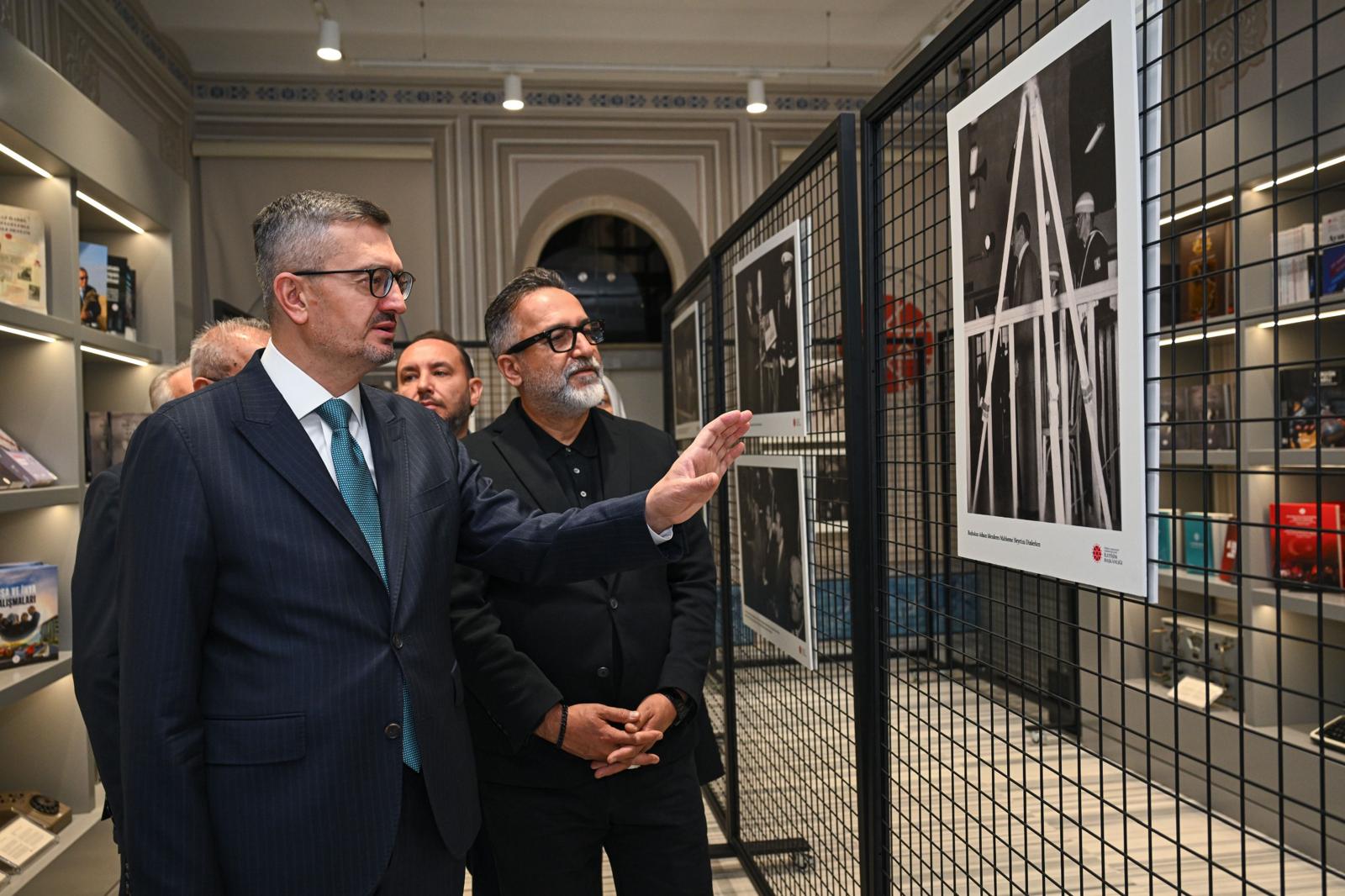
Head of Communications Duran also visited the photography exhibition "The Coup Against Democracy: 27 May through Photographs from the Presidential Archive," which was organised as part of the event.
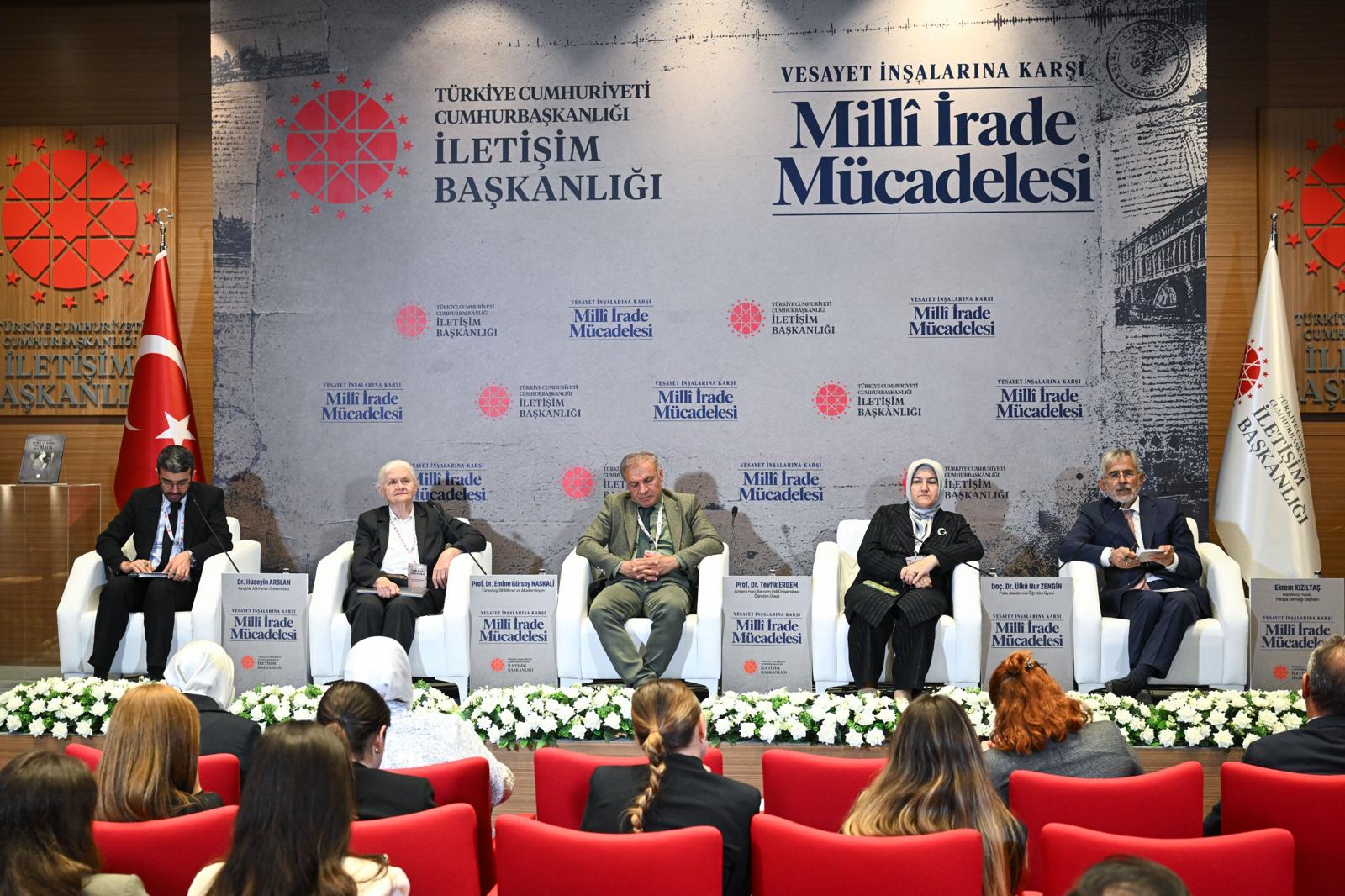
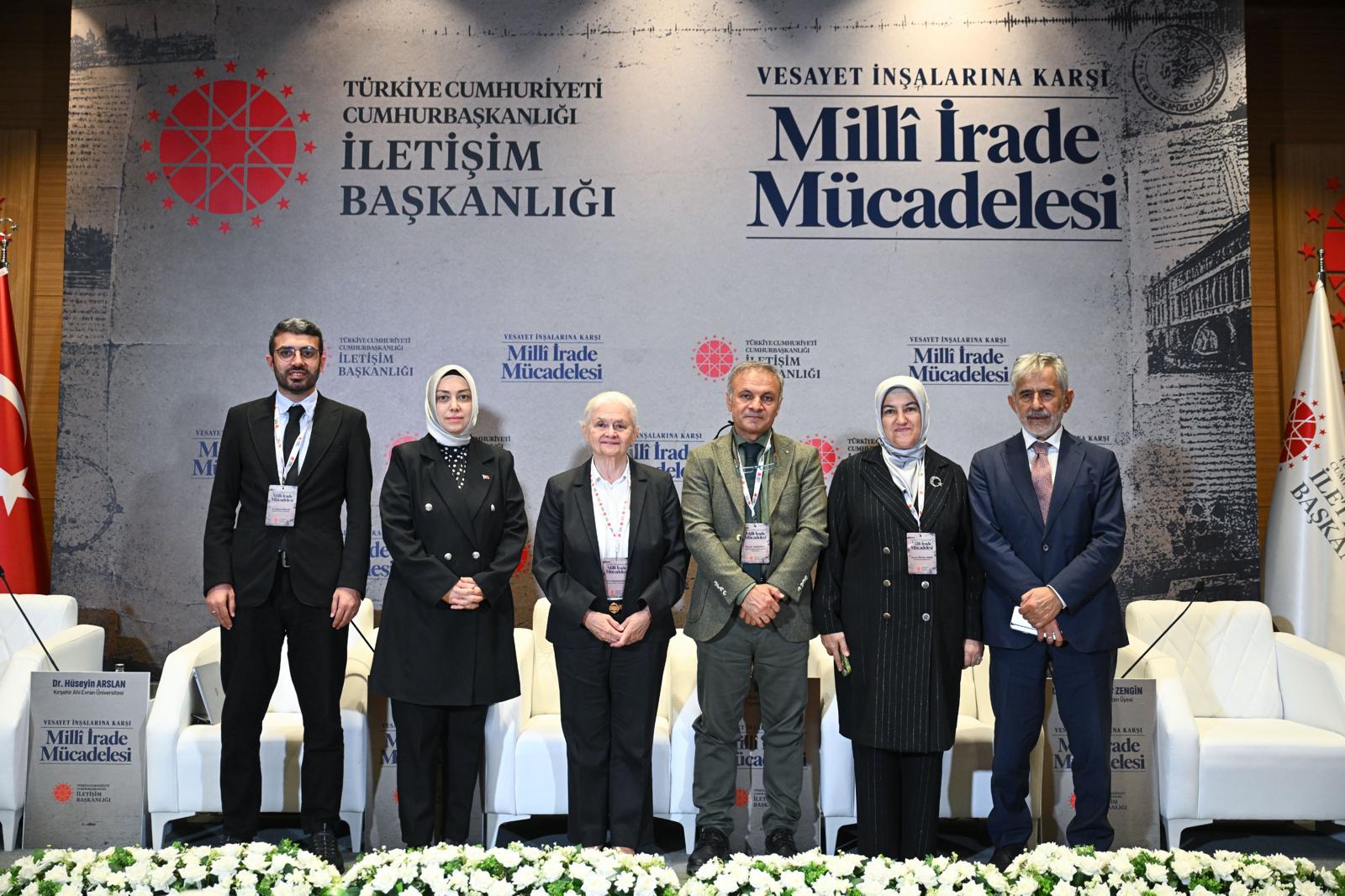
Following the opening speech, Dr Hüseyin Arslan, a faculty member at Kırşehir Ahi Evran University, moderated the panel.
The panel's speakers included Prof. Emine Gürsoy Naskali, a Turkologist, linguist, and academic; Prof. Tevfik Erdem, a faculty member at Ankara Hacı Bayram Veli University; Assoc. Prof. Ülkü Nur Zengin, a faculty member at the Police Academy; and Ekrem Kızıltaş, Chairman of the Media Association.
From an academic standpoint, the panel examined legal violations in the special courts on Yassıada, the tutelary pressure faced by civilian politics, and the endeavour toward institutionalisation.
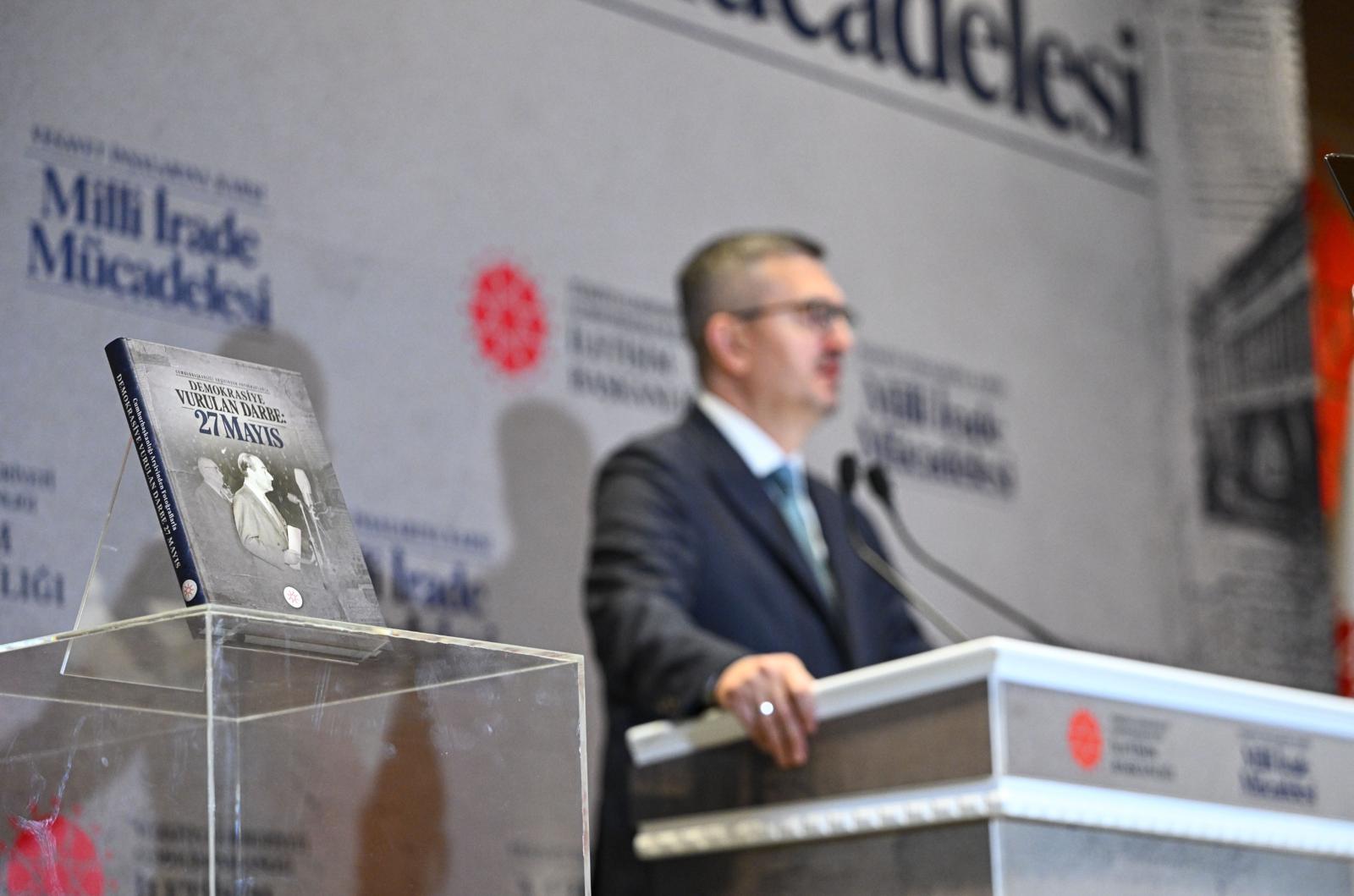
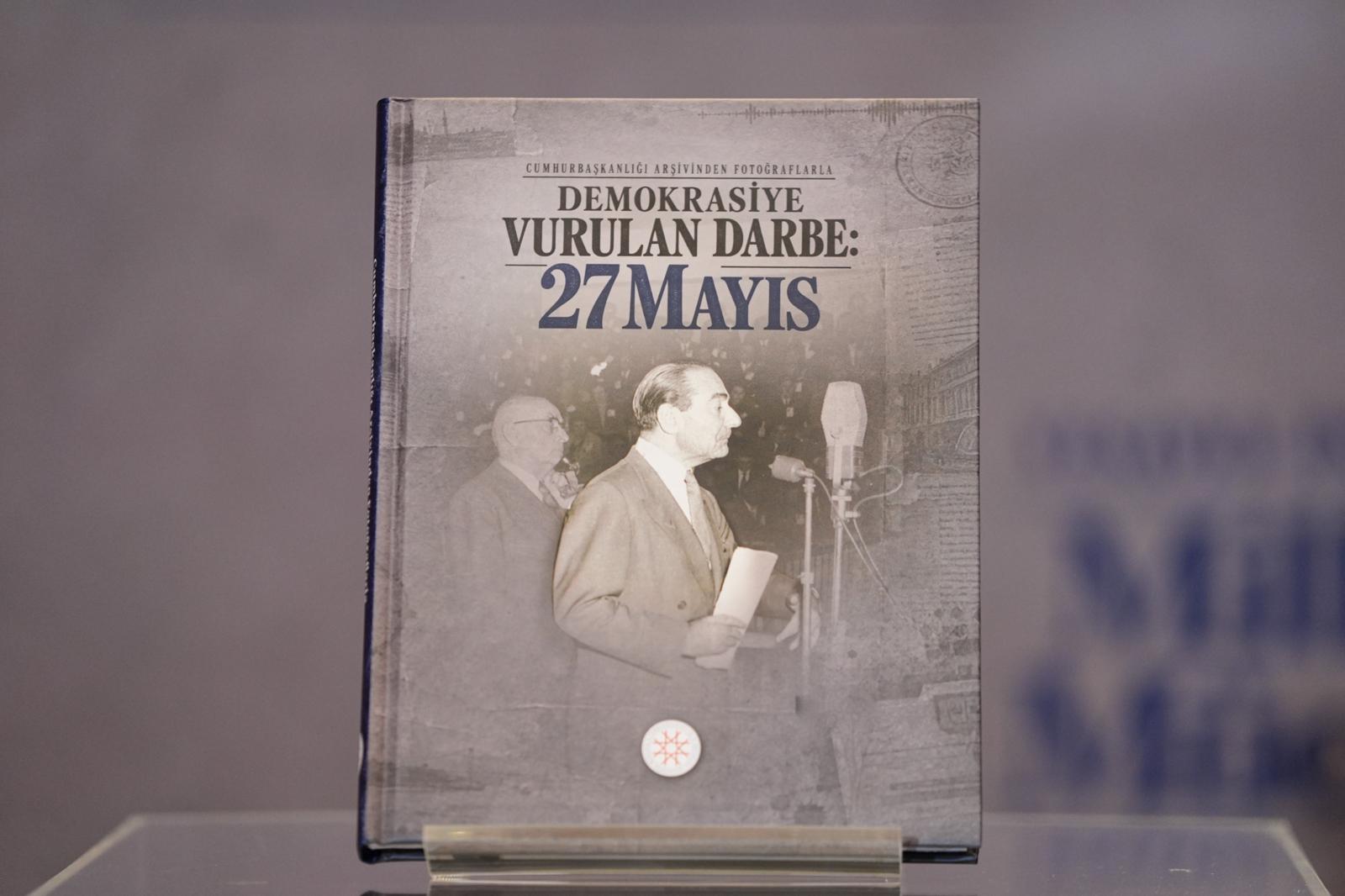
The book "The Coup Against Democracy: 27 May through Photographs from the Presidential Archive," which is intended to preserve collective memory and strengthen awareness of national will through historical photographs and documents, was also showcased as part of the programme.
In addition, the book features historical documents and photographs from the Presidential Archive, which were made public for the first time to shed light on the 27 May period and preserve institutional memory.
Furthermore, Head of Communications Duran issued a message regarding the panel.
Head of Communications Duran stated the following in a message on his NSosyal account:
"We came together with distinguished representatives from academia, civil society, and the media at the panel titled 'Struggle of the National Will against the Construction of Tutelage,' as well as the launch of the book 'The Coup Against Democracy: 27 May,' which was prepared with photographs from the Presidential Archive, both organised by the Directorate of Communications.
Türkiye's struggle against coups and tutelage has been characterised by our nation's determination to defend its national will. Today, Yassıada's transition into the 'Democracy and Liberties Island' demonstrates our commitment to honouring the past and preserving it for future generations.
Türkiye has made considerable headway in determining its own will and future under the leadership of our President, Recep Tayyip Erdoğan, by combating pro-tutelage circles.
As happened on 15 July, our nation has clearly demonstrated that it will oppose any form of intervention that threatens democracy and the national will.
As the Directorate of Communications, we regard it as a significant duty to accurately document historical events and convey them to future generations.
I hope that the book and exhibition we launched today will contribute to our collective memory, and I would like to extend my gratitude to our panellists and colleagues who contributed to the organisation of this programme.”